
Why a "Good" CPI Report Might Not Be Enough to Save the Stock Market

Shearing sheep
March 12, 2025
GoGPT Summarizes Articles
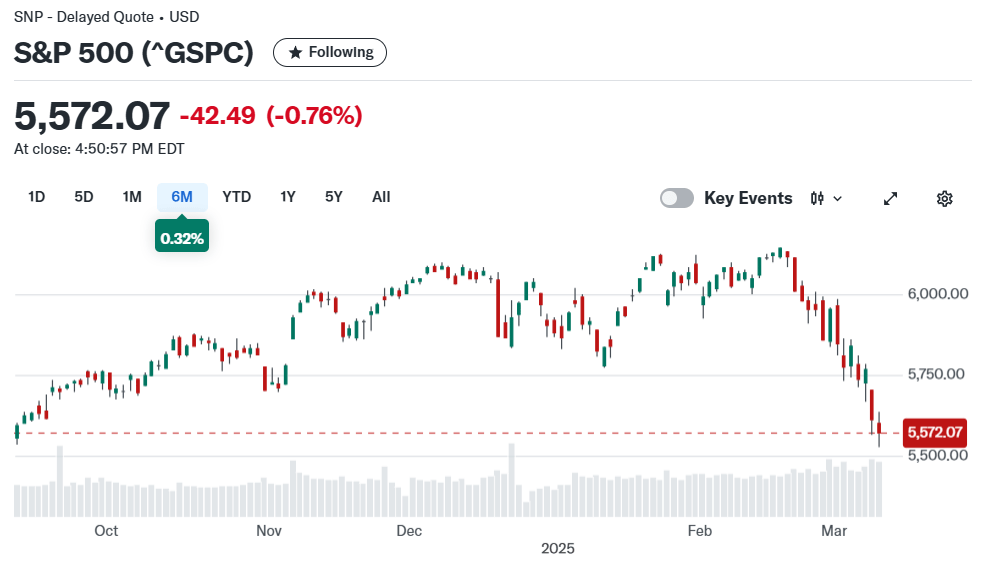
The stock market has been on a rollercoaster lately, largely due to uncertainty surrounding President Trump’s tariff policies. Investors are increasingly worried about how these tariffs might impact consumers and the broader economy. Against this backdrop, all eyes are on the upcoming February CPI report, set to be released this Wednesday.
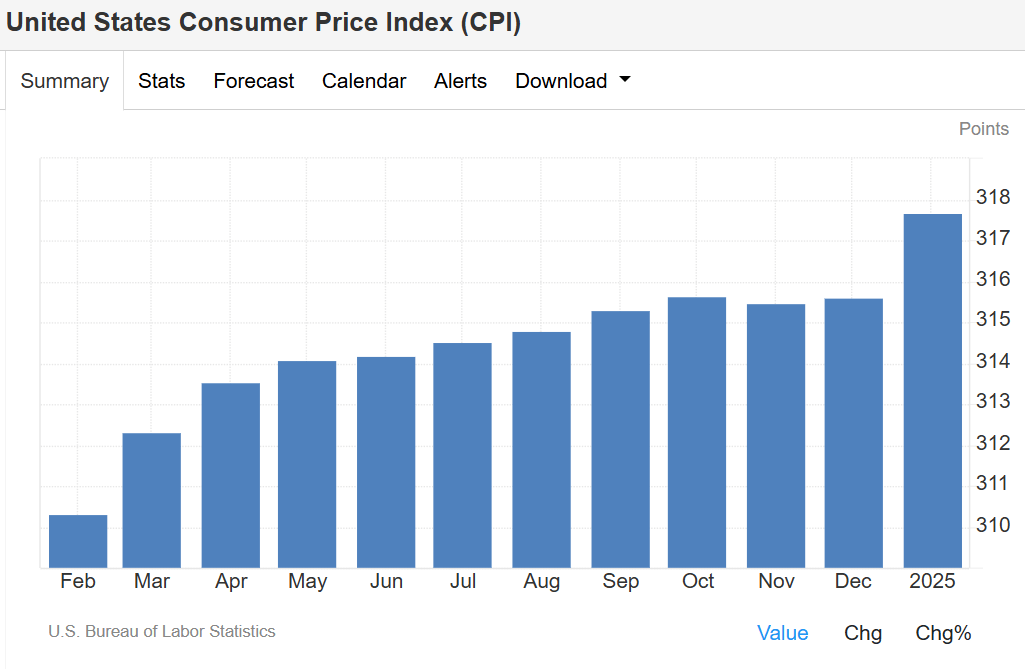
According to a Wall Street Journal survey, economists expect February CPI to rise 0.3% month-over-month, while year-over-year inflation is forecasted to cool slightly to 2.9% from 3.0%. Core inflation, which excludes volatile food and energy prices, is also projected to increase by 0.3% month-over-month and 3.2% year-over-year.
However, if the CPI data comes in hotter than expected, it could indicate that Trump’s tariffs are already fueling inflationary pressures. Such a scenario might force the Federal Reserve to slow or reconsider its rate-cutting path, potentially deepening the ongoing stock market selloff. This would be especially concerning for the tech-heavy Nasdaq, which is already flirting with bear market territory.
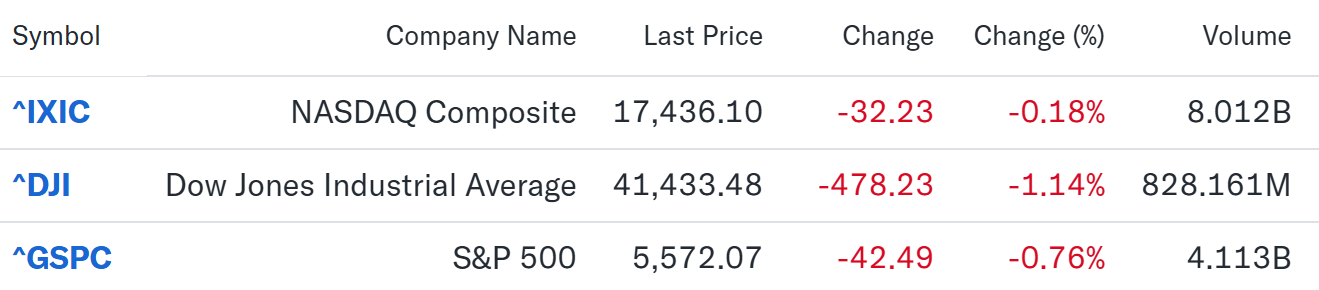
On the other hand, a cooler-than-expected CPI report showing that inflation remains under control could provide some much-needed relief for markets. It would likely boost investor confidence and raise expectations for additional Fed rate cuts—developments that would certainly be welcomed by investors.
Still, even with a favorable CPI reading, headwinds remain. As Kathleen Brooks from XTB points out, a full recovery of the stock market may only be possible if Trump reconsiders some of his most damaging economic policies. The tariffs have created an environment of persistent uncertainty, and until there is clarity on this front, investors are likely to remain cautious.
It's also worth noting that Wednesday’s CPI report may only offer an initial glimpse into the impact of Trump’s tariffs. The 10% tariff on Chinese goods, imposed in early February, is likely to put upward pressure on U.S. inflation, especially since China is a major supplier of household furnishings, apparel, and electronics. However, given the lag in how tariffs affect prices, the full impact may not yet be visible in this week’s data.
Another key indicator to watch is the University of Michigan’s consumer inflation expectations, due out on Friday. Last month, this index jumped to 4.3% from 3.3%, reaching its highest level since November 2023. While Tani Fukui from MetLife Investment Management cautions that this measure should be interpreted carefully, a further rise in inflation expectations could weigh heavily on the stock market and consumer sentiment, potentially creating a negative feedback loop that drags on economic growth.
In summary, while a "good" CPI report might offer temporary relief, it may not be enough to sustain a lasting market rebound. Unless there is a significant shift in Trump’s tariff strategy, investors should brace for continued volatility, keeping a close eye on both inflation data and consumer expectations in the weeks ahead. #fedrate #cpi #economicindicator
#fedrate#cpi#economicindicator