
Goldman Sachs Slashes 2025 U.S. GDP Forecast: What It Means for Markets and Economy

Shearing sheep
March 13, 2025
GoGPT Summarizes Articles
As recession fears loom larger on Wall Street, Goldman Sachs has just dealt another blow to U.S. economic optimism. The bank slashed its 2025 U.S. GDP growth forecast from 2.4% to 1.7%, citing deteriorating trade policy assumptions. This marks Goldman’s first downward revision to its U.S. economic outlook in over two and a half years, and it's sending shockwaves through markets.
Why the Pessimism?
The main culprit? Tariffs. Goldman’s chief economist, Jan Hatzius, highlighted that new tariff policies are expected to hit the economy in three major ways:
-
Higher Inflation: Tariffs could drive up prices, eroding consumers’ real incomes.
-
Tighter Financial Conditions: Rising capital costs may squeeze both businesses and consumers.
-
Investment Delays: Uncertainty around tariffs could make companies hesitant to invest, slowing economic momentum further.
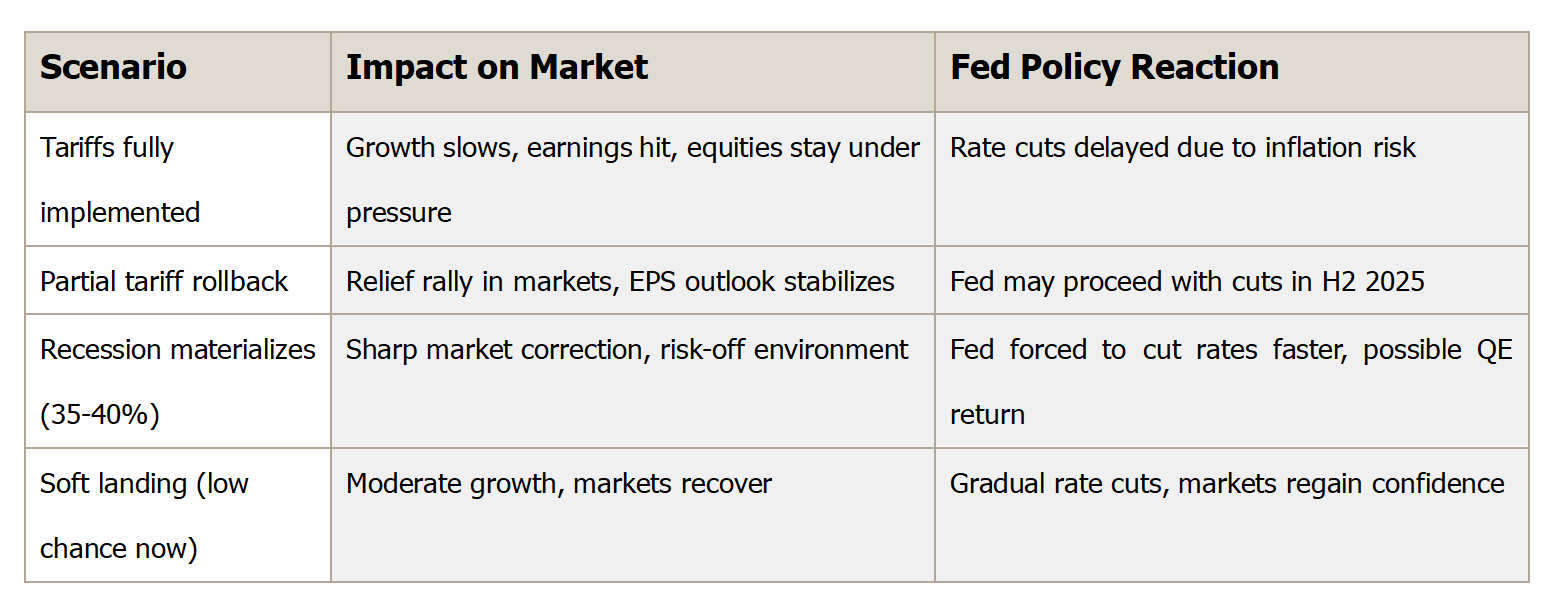
Reflecting this gloomier outlook, Goldman also cut its S&P 500 year-end target to 6,200 from 6,500, citing slowing growth and the tech stock sell-off. Meanwhile, Pimco’s Alec Kersman warned that the odds of a U.S. recession by 2025 have doubled to 35%, up from 15% in December.
Market Reaction
Unsurprisingly, investors are spooked. After a brutal "Black Monday," where the Dow fell 2.08% and the Nasdaq plunged 4%, markets have struggled to recover. While we saw a slight rebound on Wednesday, the overall sentiment remains cautious. Tech stocks like Nvidia ($NVDA) and Tesla ($TSLA) saw gains, but Apple’s ($AAPL) 1.75% drop reminds us that not all is well in the land of giants.
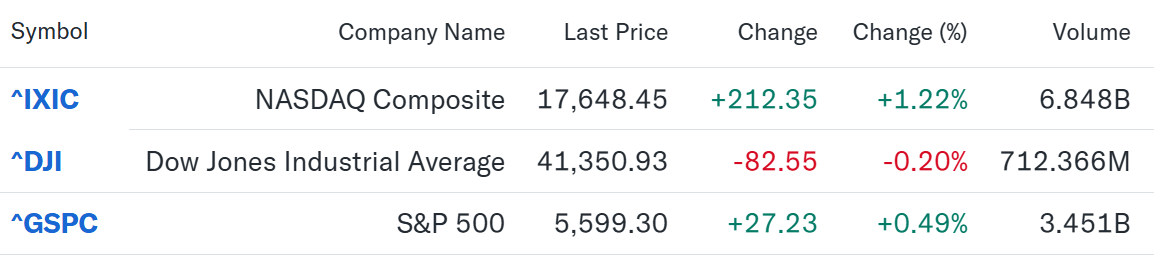
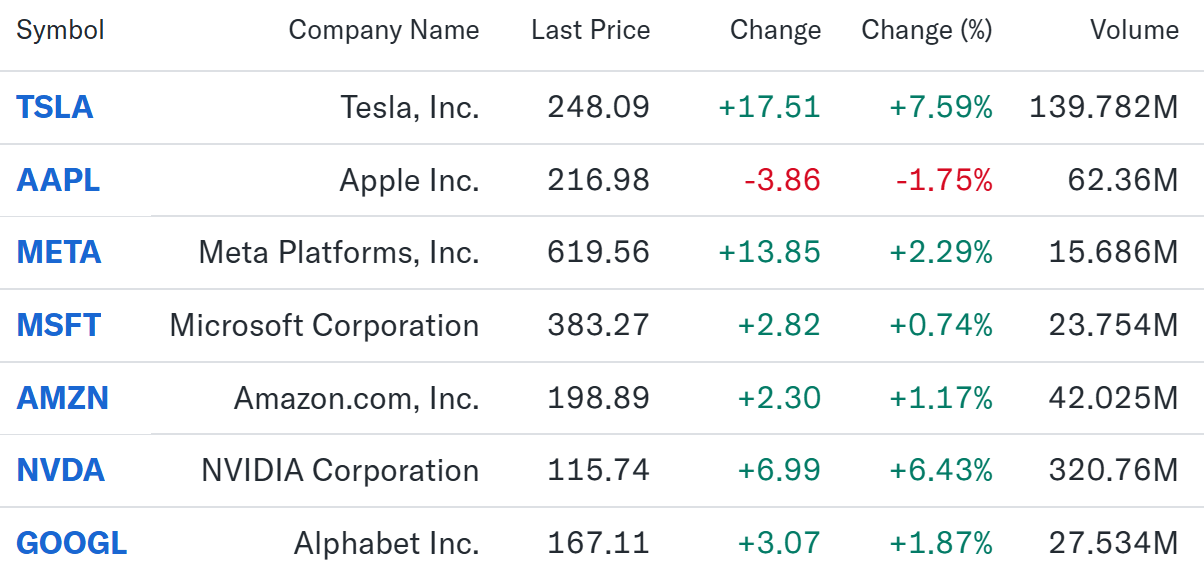
In light of the unprecedented uncertainty surrounding federal trade and economic policies, JPMorgan’s Global Market Intelligence head, Andrew Taylor, has warned that buying into any short-term stock rebounds right now is unwise. This sentiment reflects the broader concerns that while there might be momentary gains, the risks of longer-term volatility remain high.
What the Data Says
While sentiment indicators (consumer and business confidence) are flashing warning signs, it’s important to watch the hard data:
-
Consumer spending, which makes up nearly 68% of GDP, is showing cracks. January retail sales fell 0.9%, and early February credit card data points to a 2.3% year-over-year drop. If this persists into March, it could signal consumers are tightening their belts—a serious red flag.
-
Business investment has been holding steady, with capital goods orders and shipments rising in January, but NFIB’s Small Business Optimism Index continues to slide. Business uncertainty is near record highs, suggesting that corporate caution is rising, even if spending hasn't yet slowed dramatically.
-
Labor market conditions are still relatively strong, with stable wage growth and low unemployment claims. But a recent uptick in job cuts reported by Challenger, Gray & Christmas is worrisome—though not yet reflected in unemployment claims. If the job market weakens, consumer spending could follow.
The Bigger Picture
Overlay this with geopolitical tensions, a ballooning $36 trillion national debt, and the Federal Reserve’s delicate dance with inflation and interest rates, and you’ve got a potential perfect storm. Goldman now expects core PCE inflation to hit 3% by year-end, up from a prior 2% forecast. If inflation proves sticky, the Fed may delay rate cuts, adding further pressure on growth.
What’s Next? Potential Scenarios
My Take
While recession risks are clearly rising, it's not a done deal—yet. We’re in a classic scenario where uncertainty breeds caution. The data isn’t outright screaming "recession," but the trend lines are moving in the wrong direction.
The wildcard? Policy. President Trump’s tariff agenda and unpredictable fiscal stance are adding a level of volatility that both markets and businesses are struggling to price in.
In my view, the next few months are crucial. The Q1 GDP data on April 25 will give us a much clearer sense of direction. Until then, investors should brace for more volatility. Defensive sectors like consumer staples and healthcare could offer some shelter, while growth stocks may continue to struggle if economic headwinds pick up. #recession #usmarket #economy
#usrecession#recession#usmarket#economy#$Nvidia Corp(NVDA)#$Tesla Inc. Common Stock(TSLA)#$Apple Inc.(AAPL)