
Powell's Tightrope Walk: Can the Fed Calm Markets Amid Trump's Trade Turmoil?

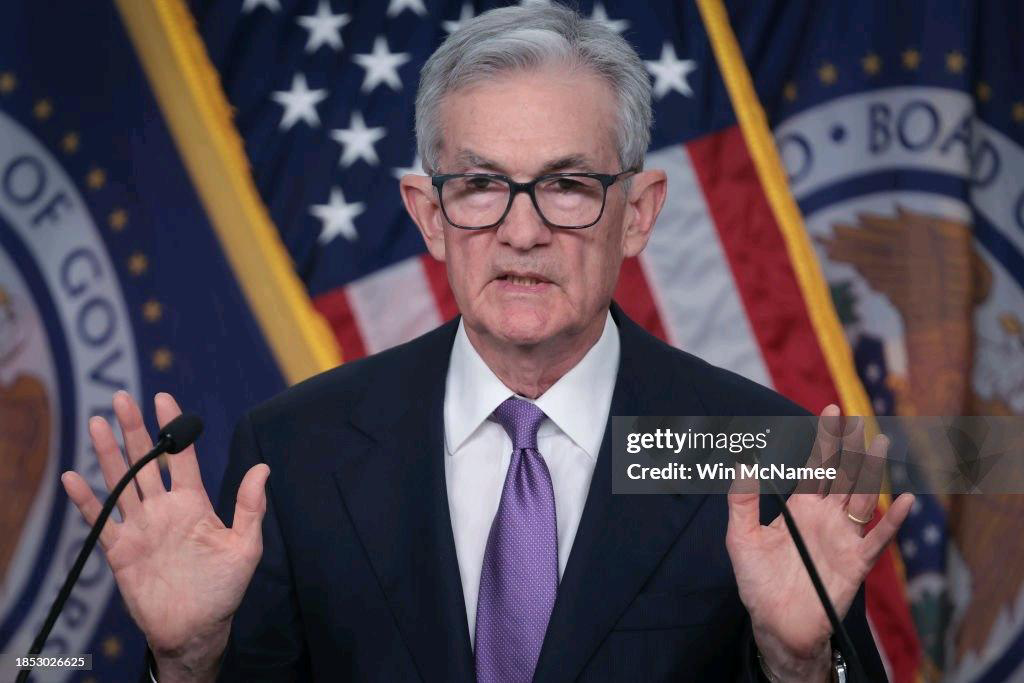
As the Federal Reserve gears up for its March policy meeting, Chair Jerome Powell faces a mission impossible: convincing jittery investors that the U.S. economy remains sturdy while hinting at potential rate cuts if Trump’s trade wars spiral out of control. The stakes have never been higher, with markets swinging like a pendulum and Main Street anxiety hitting fever pitch.
Market Meltdown Meets Policy Paralysis
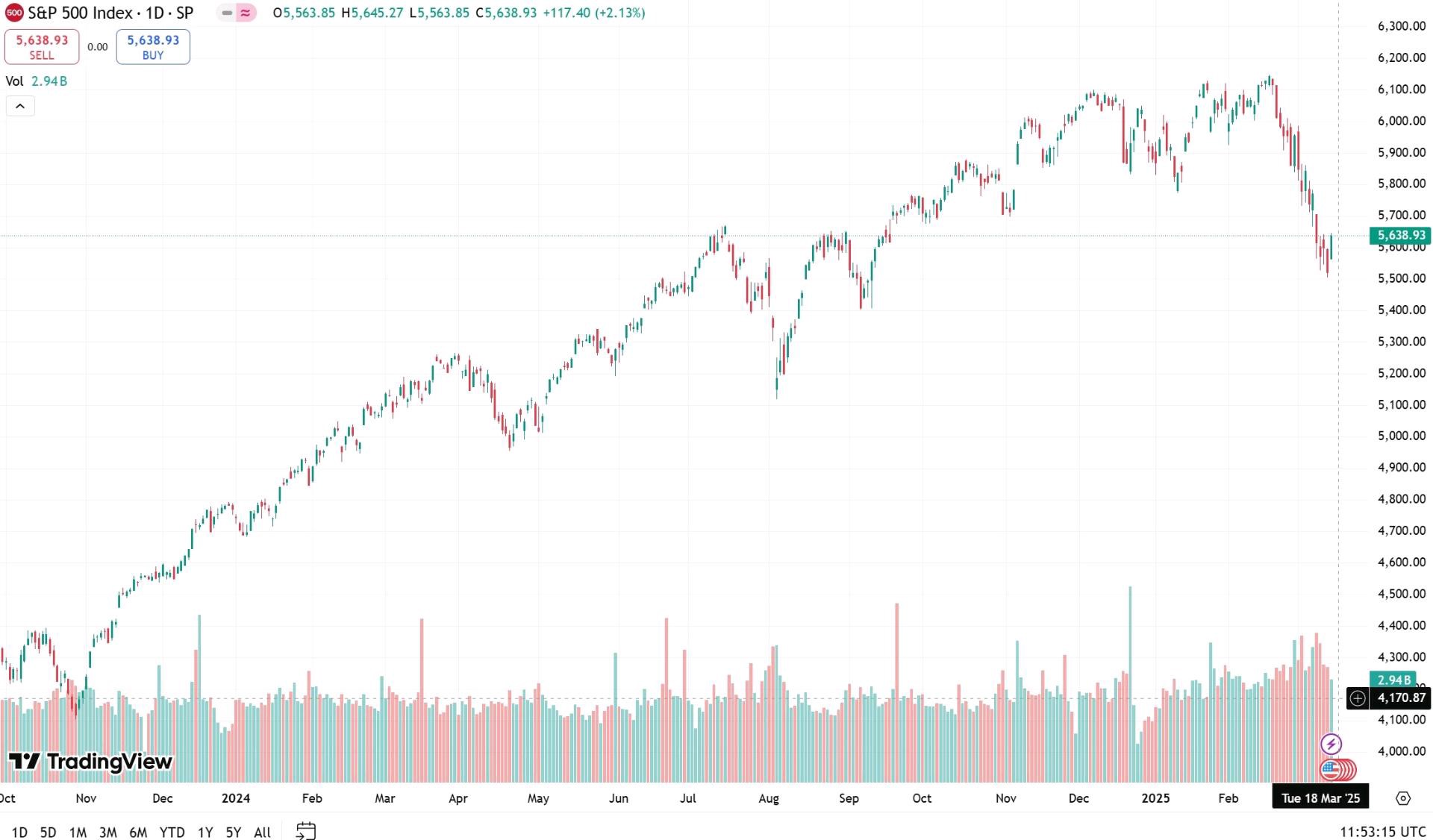
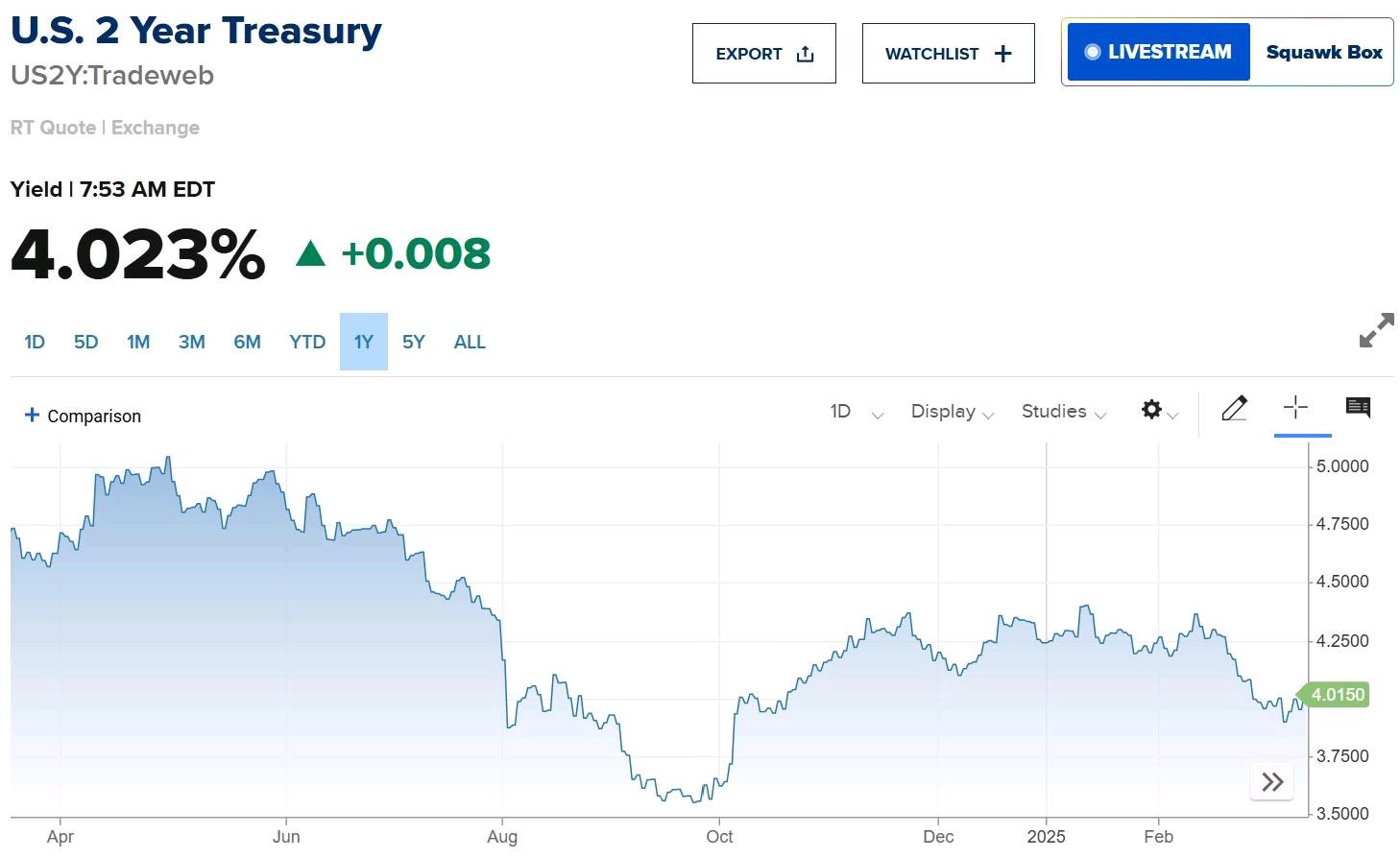
Though the Fed is almost certain to hold rates steady this week, traders are betting big on three rate cuts starting in June—a stark contrast to December’s projection of just two reductions in 2024. The disconnect stems from former President Trump’s escalating tariff threats, which have sent shockwaves through markets: $SPX tumbled 10% into correction territory, 2-year Treasury yields plunged 60 basis points since January, and consumer confidence cratered to a 29-month low.
“Powell needs to throw investors a lifeline without sounding desperate,” warns Mizuho Securities strategist Dominic Konstam. While the Fed chief will likely repeat that policymakers “don’t target stock prices,” ignoring the market’s panic attack—including a VIX volatility spike to August 2023 highs—could deepen recession fears.
Inflation’s Stubborn Grip
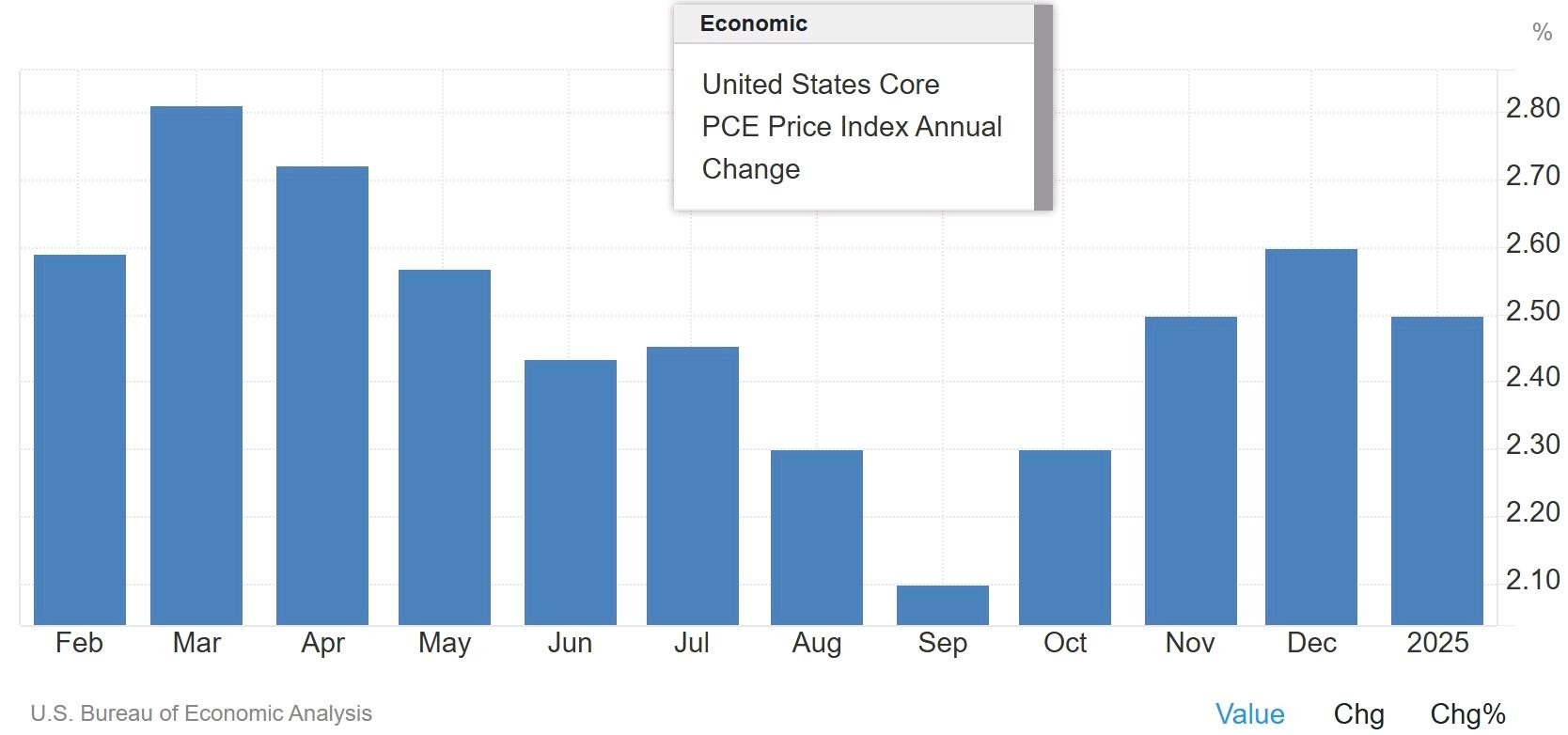
Complicating the Fed’s balancing act are conflicting price signals. February’s cooler CPI data offered temporary relief, but the Fed’s preferred inflation gauge—core PCE—remains sticky. A key long-term inflation expectation metric just hit its highest level in three decades. “The Fed’s hands are tied until jobs data cracks,” says Deutsche Bank’s Matthew Luzzetti. “Cutting rates too soon could reignite inflation wildfires.”
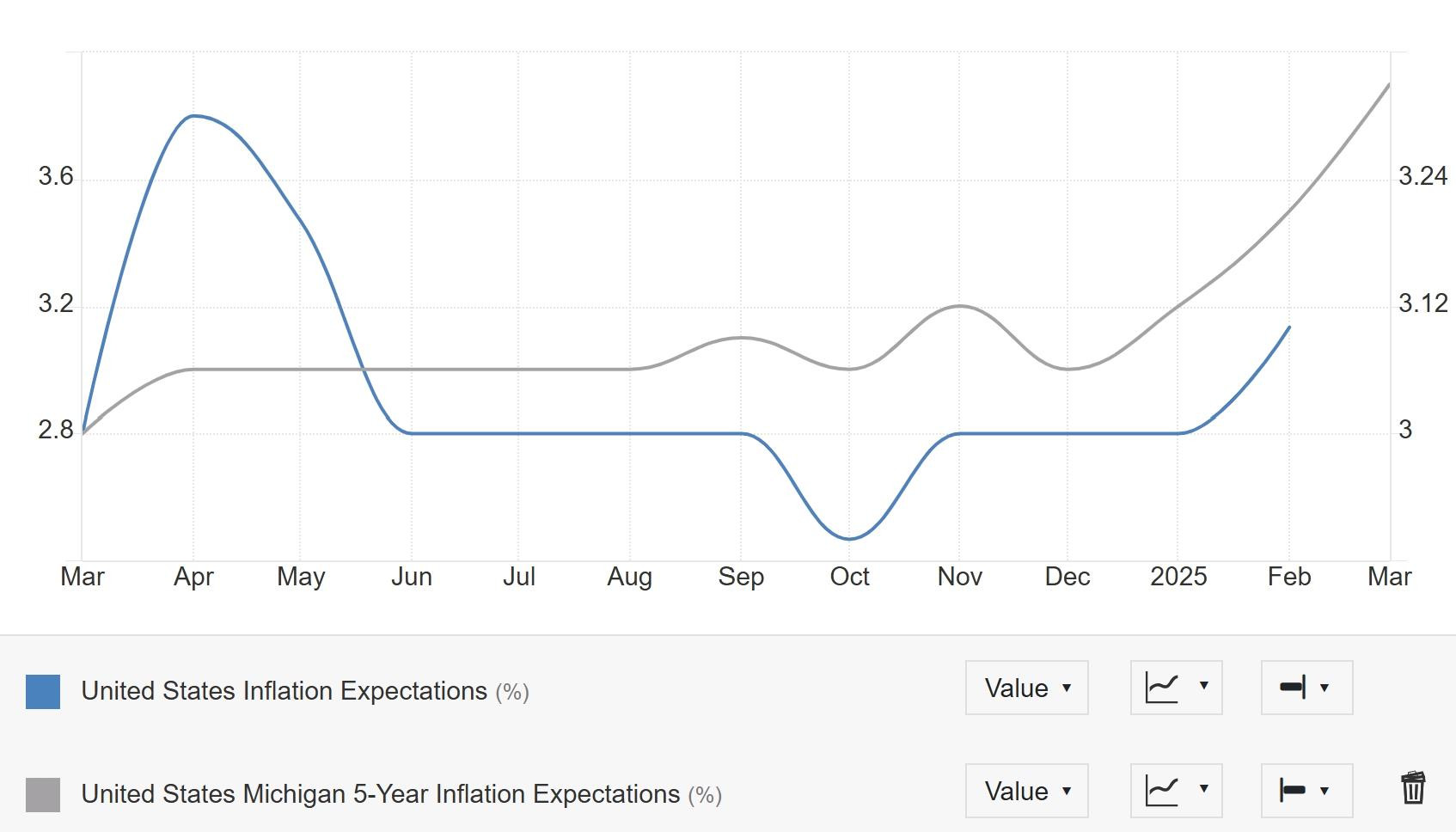
This explains why 66% of economists predict the Fed will keep rates elevated even if growth slows, per recent surveys. Sarah House of Wells Fargo sums it up: “Everyone knows the Fed can react to extremes, but what investors want now is a roadmap for navigating the messy middle.”
White House Whiplash
The Fed’s toughest challenge? A political circus it can’t control. Trump’s erratic tariff threats—combined with Treasury Secretary Scott Bassett’s bizarre claim that markets need “detox”—have left businesses frozen in uncertainty. “Companies aren’t scared of tariffs; they’re terrified of never knowing the rules,” says Charles Schwab’s Kevin Gordon. This policy chaos has already triggered hiring freezes and slashed corporate spending, raising recession risks no Fed speech can magic away.
Meanwhile, Trump’s other policies—like potential tax cuts and deregulation—could ironically boost growth and inflation later this year, further muddying the Fed’s outlook.
QT Wildcard: A Hidden Market Time Bomb?
Beyond rates, Wall Street’s eyes are glued to the Fed’s $7.5 trillion balance sheet. January’s meeting minutes revealed growing support for pausing quantitative tightening (QT) amid debt ceiling brinkmanship. With Treasury cash maneuvers distorting liquidity signals, RBC strategist Blake Gwinn argues halting bond runoff now would be “smart crisis prevention,” avoiding a replay of 2019’s repo market meltdown.
The Powell Playbook: Words Over Action
Expect the Fed chair to stick to his script: praising resilient job markets while dismissing soft sentiment surveys as noise. Updated economic forecasts will likely trim 2024 GDP estimates and nudge core inflation higher. Powell may echo his recent stance that policymakers are “patiently waiting for clearer signals”—a polite way of saying, “Don’t hold your breath for rate cuts.”
But with Trump rewriting the trade rulebook daily and markets pricing in aggressive easing, Powell’s words risk falling flat. As Marlborough’s James Athey notes: “The Fed can tweak the dials, but it can’t fix a confidence crisis manufactured in Washington.” For investors, the takeaway is clear: buckle up for more turbulence—this Fed meeting won’t calm the storm.