
Are Automakers’ Humanoid Robots a Game Changer?

Humanoid robots are heating up, and automakers are jumping in. On March 19, Mercedes-Benz invested tens of millions of euros in U.S.-based Apptronik, deploying AI and humanoid robots in its Berlin factory. Changan Auto is actively seeking partners to develop core humanoid robotics technology, while Chery Auto has already put its homegrown Moxia robot to work at a Malaysian dealership.
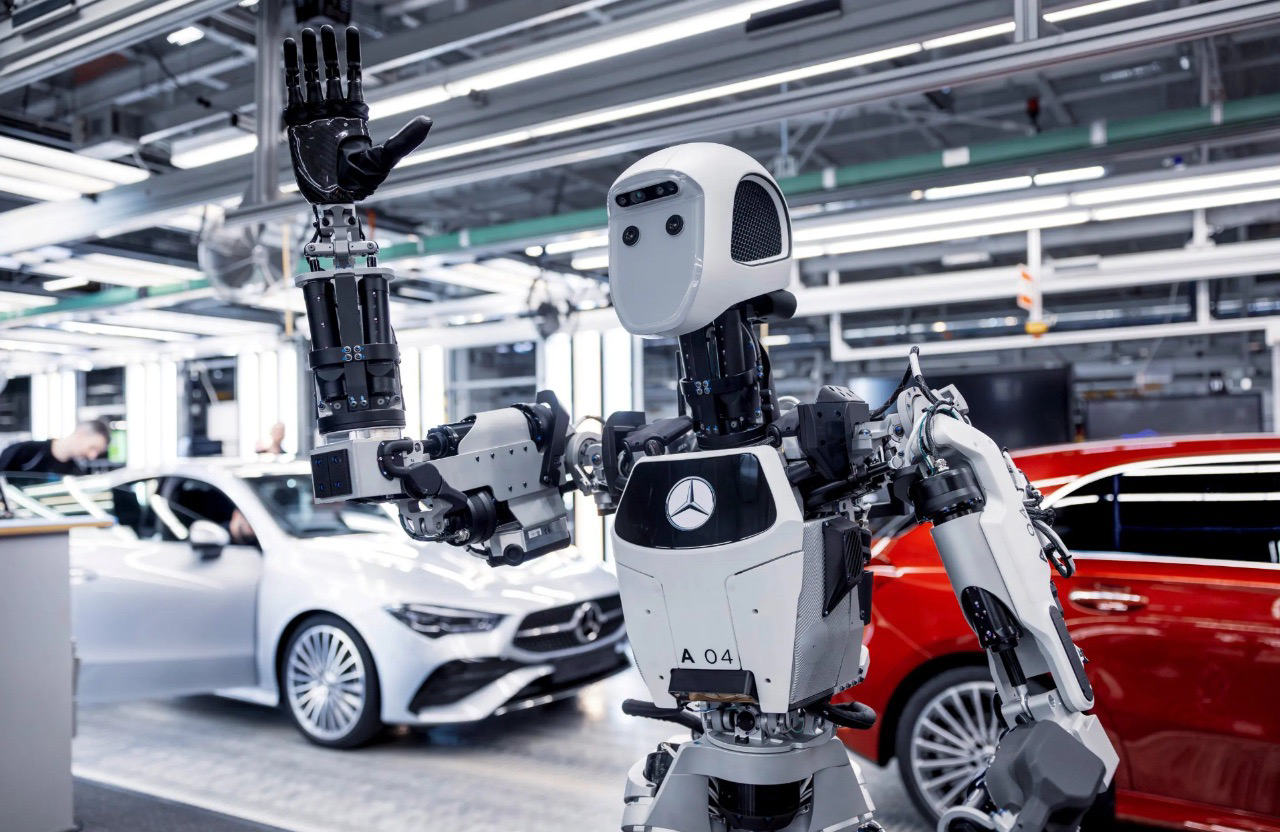
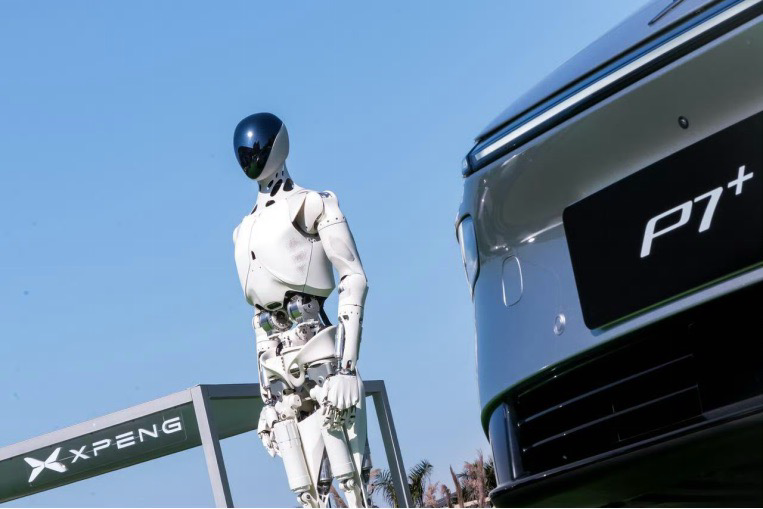
This trend has been brewing for a while. Last November, Changan announced plans to launch a humanoid robot by 2027. $XPEV’s Iron robot is already in use, targeting mass production with L3 capabilities by 2026. Other Chinese automakers—GAC, $NIO, Li Auto, Xiaomi, $BYD—are quietly making moves.
But does this make sense for carmakers?
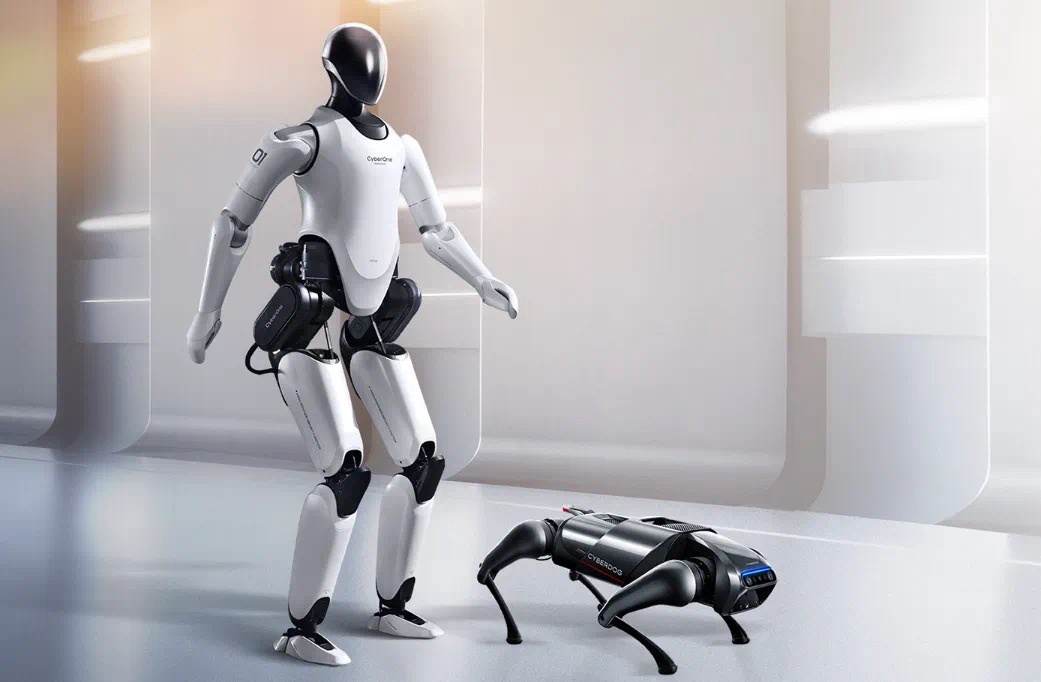
Why Are Automakers Building Robots?
At first glance, humanoid robots seem unrelated to car manufacturing, but the strategy is logical.
1. Leveraging Existing Tech
Autonomous driving and humanoid robots share core technologies—perception, planning, and control. Automakers already invest heavily in sensors, AI, and computing power, so repurposing that for robotics isn’t a huge leap.
2. Finding a Second Growth Engine
The EV market is hyper-competitive, and selling cars alone isn’t enough. In the AI era, automakers need an ecosystem beyond vehicles. Humanoid robots could be their gateway into smart manufacturing and consumer AI.
3. Cutting Manufacturing Costs
Unlike startups, automakers have world-class production capabilities. Their first customers could be themselves—XPeng’s Iron is already on production lines, and GAC’s GoMate and Nio’s robots are handling inspections. If robots replace assembly-line workers, automakers can significantly lower costs.
The Challenges: Can Humanoid Robots Really Work?
Despite the hype, building humanoid robots is much harder than making cars.

1. Data Scarcity & Training Bottlenecks
Autonomous vehicles collect real-world data from every mile driven. Humanoid robots lack this advantage—companies must manually train them in diverse environments, making AI development expensive and slow.
2. The L3 Barrier
Self-driving cars have stalled at L2 automation, struggling to reach L3. The same issue plagues humanoid robots—they need higher autonomy but aren’t there yet. Even XPeng’s He Xiaopeng admits humanoid robotics is tougher than self-driving.
3. Can Automakers Even Pull This Off?
Many carmakers haven’t mastered L2 autonomy, let alone L3. If they’re still struggling with advanced driver-assist features, can they really make robots that walk, work, and think like humans?
Will This Become a Real Market?
In the short term, automakers’ humanoid projects are experimental, not core revenue drivers. But long term, AI competition extends beyond cars and robots—it’s about dominating smart ecosystems.
$TSLA's Optimus robot is already performing factory tasks, and Elon Musk wants it in homes. Chinese automakers may have similar ambitions—using humanoid robots as an AI entry point to expand beyond cars.
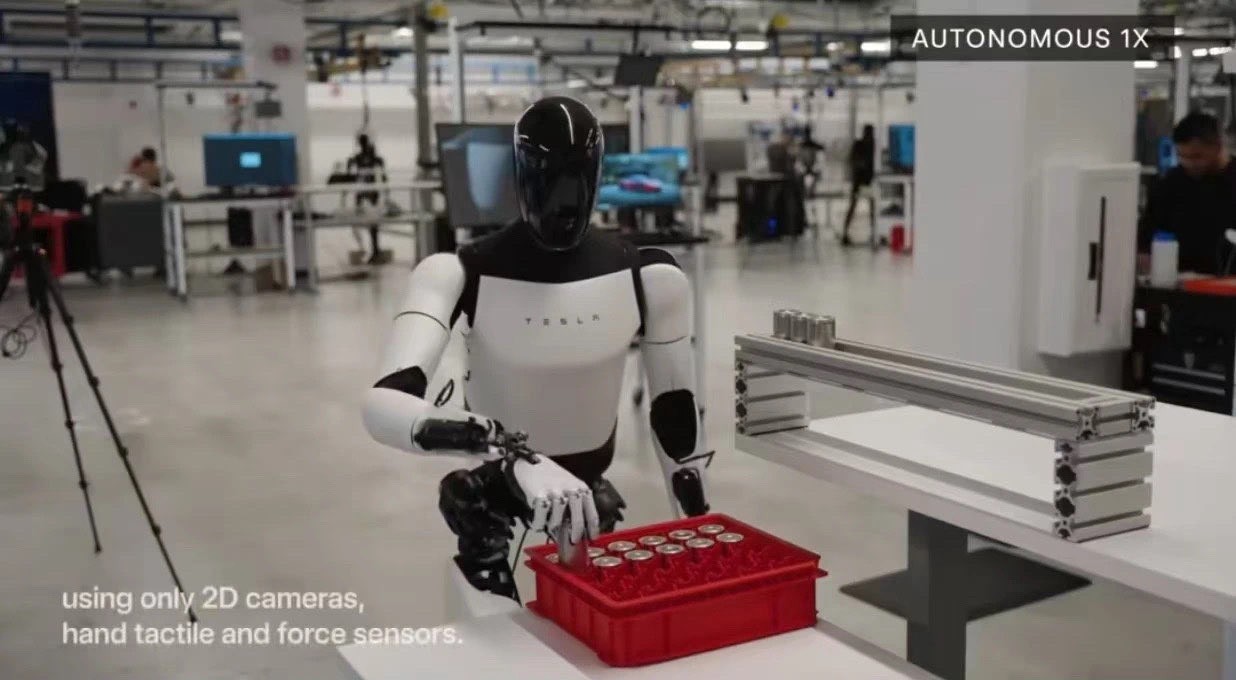
However, it’s too early to say if humanoid robots will be the next big thing for automakers. Goldman Sachs projects a $38B-$205B market by 2035, but many companies will likely struggle to survive. The key questions: Who has the best technology? Who can scale production? Who will last long enough?
Final Thoughts: Hype or Revolution?
Automakers diving into humanoid robotics is an inevitable part of the AI era, but only a few will succeed. As an investor, the real challenge is picking the right players.
This space is exciting, but is it a true technological shift or just another corporate buzzword? We’ll need a few more years to find out.