
Fed Holds Rates Steady, Signals Caution Amid Rising Inflation and Economic Uncertainty

Shearing sheep
March 20, 2025
GoGPT Summarizes Articles
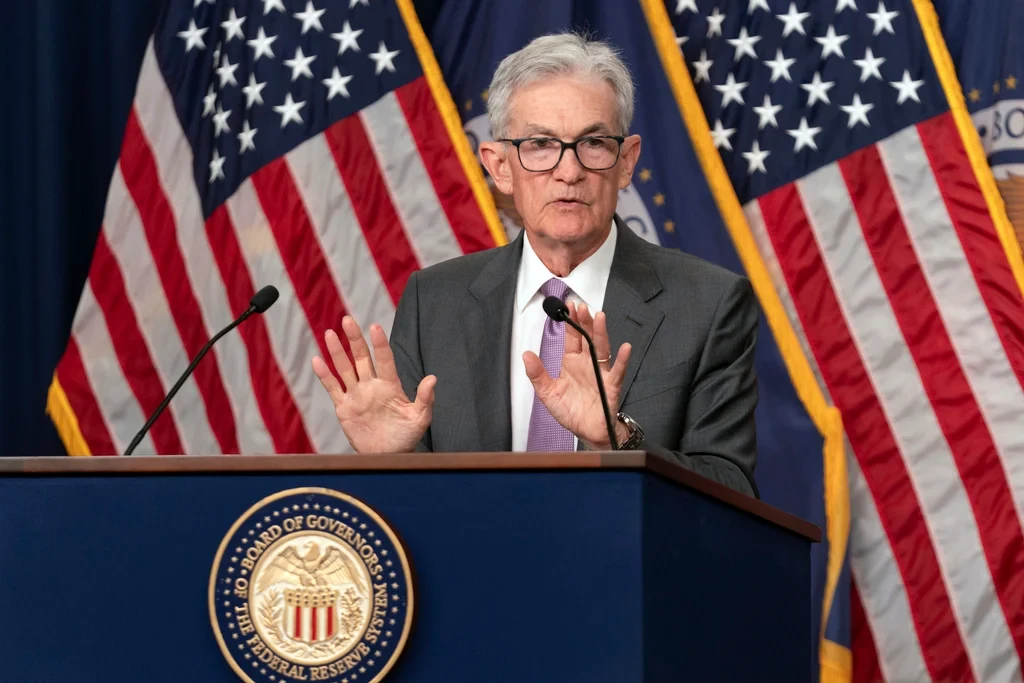
The Federal Reserve just wrapped up its March meeting, and as expected, they decided to keep interest rates unchanged at 4.25%-4.50%. This marks the second consecutive pause since January, and it's clear that the Fed is treading carefully as economic uncertainties mount. Let's break down the key takeaways and what they mean for the economy and markets.
The Fed's Stance
The Fed's decision to hold rates steady wasn't a surprise, but the tone of the meeting was notably cautious. Chair Jerome Powell emphasized that the Fed is in no rush to adjust policy, stating that they are waiting for more clarity on the economic outlook before making any moves. He acknowledged that recession risks have increased, but he still sees them as moderate, describing the risk level as "elevated but not high."
The Fed updated its economic projections, downgrading its GDP growth forecast for 2025 to 1.7%, down from 2.1% in December, while simultaneously raising its inflation expectations. Core PCE inflation is now expected to hit 2.8% in 2025, up from 2.5% previously. This combination of slower growth and higher inflation raises concerns of a "stagflation-lite" scenario, which markets typically view as a negative signal.
However, Wall Street interpreted this as a dovish signal. Why? Because the Fed seems to be signaling that it’s willing to tolerate slightly higher inflation if it means avoiding a sharper economic slowdown. Powell reinforced this by emphasizing that the Fed isn’t in a hurry to adjust rates and that they’re closely monitoring the data.
The Tariff Impact
Powell discussed tariffs again during the press conference, acknowledging that tariffs are playing a role in pushing inflation higher, particularly in goods prices. He referred to this as "tariff inflation" and suggested that it could delay progress on bringing inflation down to the Fed's 2% target. However, he also downplayed the long-term impact, calling it "transitory" and noting that long-term inflation expectations remain stable.
Wall Street seems to agree with this assessment. UBS noted that the Fed’s stance on tariffs is dovish because it implies that the central bank views the tariff impact as a one-time shock rather than a persistent driver of inflation. However, there’s a caveat: if tariffs continue to rise or if the trade war escalates further, the Fed’s “transitory” narrative could be tested.
The Labor Market
The labor market remains a bright spot, with unemployment near historic lows and job growth holding up. Powell described the job market as “healthy,” but he also noted that we're in a “low hiring, low firing” environment. This balance could shift quickly if economic conditions deteriorate, especially if businesses start to pull back on hiring due to uncertainty.
What's concerning is the disconnect between “hard data” (like employment numbers) and “soft data” (like consumer and business surveys). Powell pointed out that while surveys show rising concerns about the economy, actual economic activity remains robust. He suggested that the soft data may reflect broader political or social uncertainties rather than real economic weakness. However, he acknowledged that inflation remains a major source of dissatisfaction for American households.
The “Mini Powell Put”
Another highlight of the press conference was Powell’s dismissal of the University of Michigan’s inflation expectations survey, which showed a sharp rise in both 1-year and 5-year inflation expectations. Powell called the survey an “outlier” and emphasized that long-term inflation expectations remain stable. This was a big deal for markets because it signaled that the Fed isn’t overly worried about inflation expectations becoming unanchored—similar to its view on tariff-driven inflation.
Wall Street interpreted this as a “mini Powell put.” Essentially, Powell’s comments reassured investors that the Fed isn’t going to overreact to short-term inflation spikes, especially if they’re driven by temporary factors like tariffs. This dovish tilt helped fuel a rally in stocks, with the S&P 500 posting its best Fed decision day performance since 2022.
Slowing QT
Another key development is the Fed's decision to slow the pace of its balance sheet reduction (quantitative tightening, or QT). Starting in April, they'll reduce the monthly cap on Treasury redemptions from $25 billion to $5 billion. This is a significant slowdown, and it's aimed at ensuring that the process of shrinking the balance sheet doesn’t disrupt financial markets.
Powell stressed that this move isn't a signal about future policy, but it's hard to ignore the implications. Slowing QT gives the Fed more flexibility to respond to economic shifts, and it could help ease some of the pressure on longer-term interest rates. That said, the Fed is still committed to reducing its balance sheet, and Powell made it clear that they want to eventually phase out mortgage-backed securities (MBS) from their holdings.
My Take
I think the Fed’s cautious approach is the right call for now. On one hand, the Fed is dealing with rising inflation pressures, partly fueled by tariffs and a strong labor market. On the other hand, growth is slowing, and the risks of a recession, while still moderate, are creeping higher. The Fed’s decision to hold rates steady and slow QT reflects this balancing act.
Rushing to cut rates could reignite inflationary pressures, while hiking rates could further dampen growth. That said, the longer inflation stays elevated, the harder it will be for the Fed to maintain this stance. If we see another couple of months of strong inflation data, the pressure to act will grow.
Looking Ahead: Key Factors to Watch
-
Inflation Data: If core PCE continues to trend higher, the Fed may have to reconsider its patient stance.
-
Tariff Developments: Further escalation in the trade war could push inflation higher and weigh on business confidence.
-
Labor Market Trends: Any signs of weakening job growth could prompt the Fed to cut rates sooner than expected.
Conclusion
The Fed is playing it safe for now, but the path ahead is fraught with risks. As investors, we need to stay nimble and keep a close eye on how these economic crosscurrents play out. #fedrate
#Fed Rate Outlook#fedrate