
Investors at a Crossroads as Powell Plays It Cautiously and Trump Demands Bold Moves

In a week marked by contrasting views on U.S. monetary policy and trade, investors find themselves navigating uncertain waters. On one side is Federal Reserve Chair Jerome Powell, who, in a series of press conferences and policy statements, has reiterated a “wait and see” approach amid rising inflation expectations driven partly by tariffs. On the other, President Trump has taken to social media to challenge the Fed’s stance, calling for more aggressive rate cuts. This divergence in policy messaging creates a complex backdrop for market participants looking for clear signals to guide their investment decisions.
The Fed’s Measured Approach
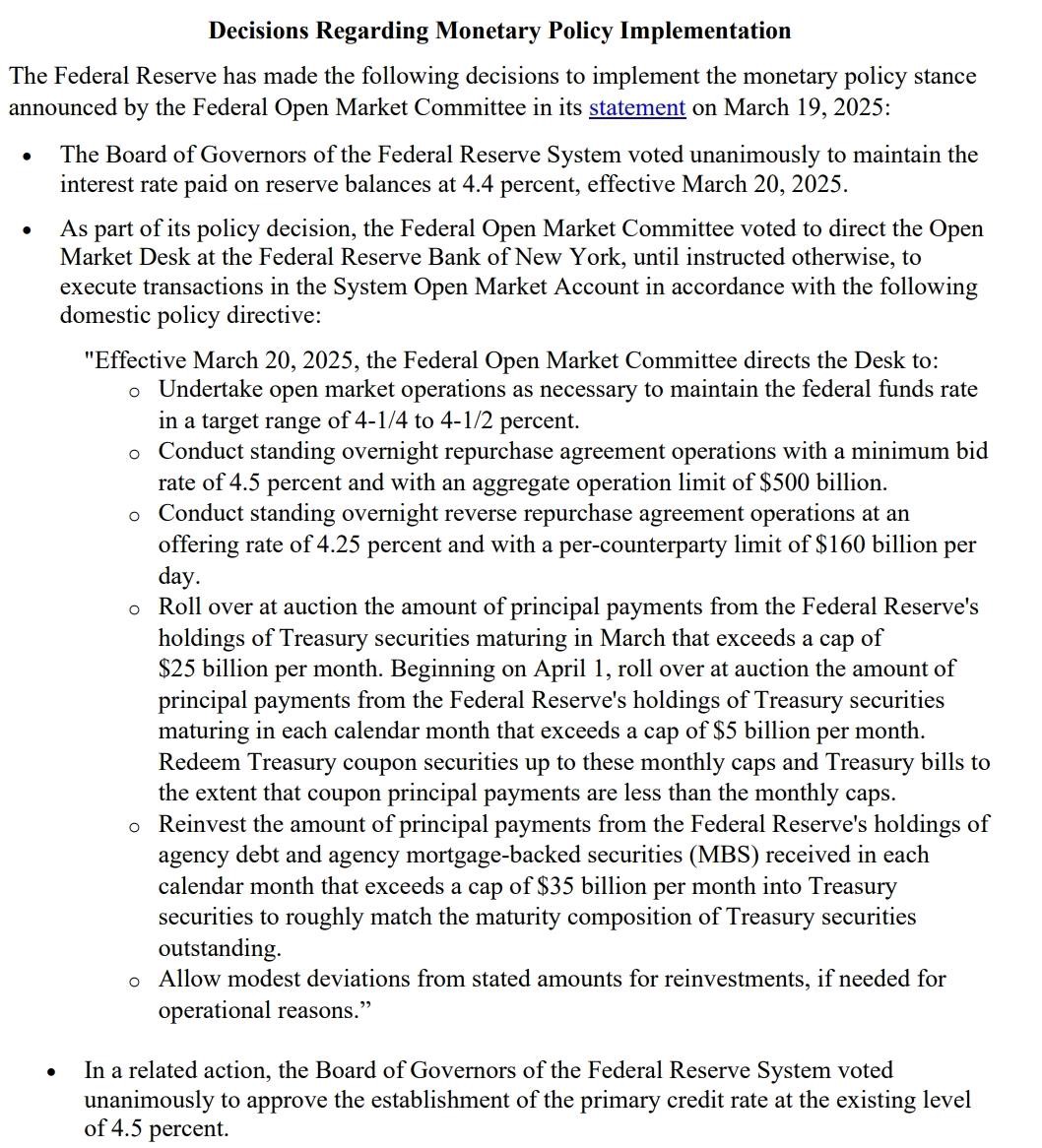
The Federal Reserve’s latest policy meeting maintained the federal funds rate target range at 4.25% to 4.5%, a decision that was widely anticipated by the markets. Powell’s remarks during the post-meeting press conference emphasized that the central bank would not rush into any policy adjustments. Instead, the Fed is prepared to wait for clearer market signals before considering further rate cuts. This cautious approach reflects an environment of high uncertainty—exacerbated by concerns over supply-side inflation driven by tariffs and other external factors.
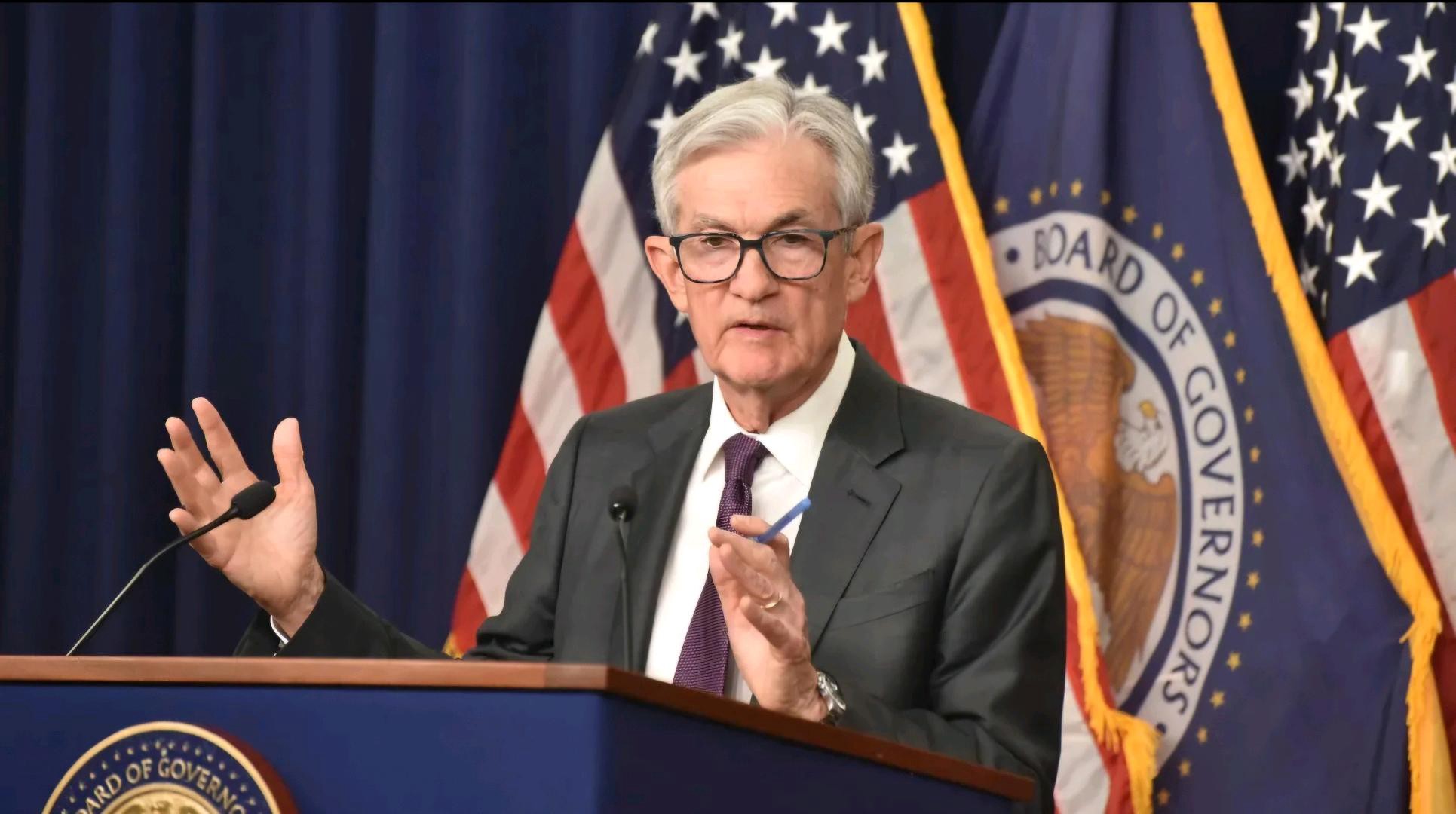
Powell’s comments underscored a number of key points.
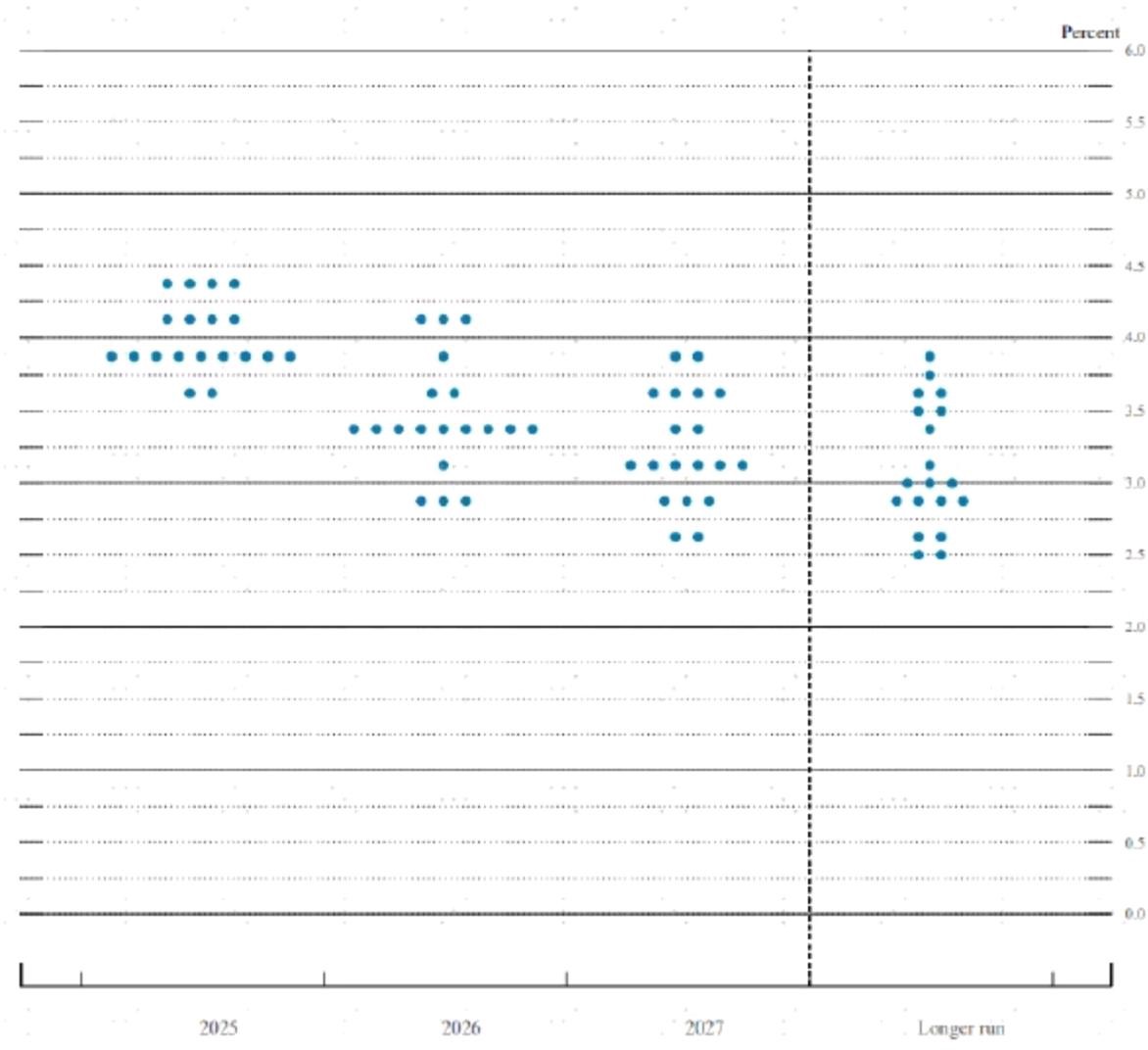
First, while the current stance is neither accommodative nor aggressively hawkish, the Fed’s dot plot indicates expectations of two rate cuts in 2025, each amounting to 25 basis points. These projections, along with revised economic forecasts that lower the growth expectation for 2025 to 1.7% while raising core inflation expectations to around 2.8%, suggest that the Fed is hedging its bets against potential economic headwinds.
Moreover, Powell stressed that the decision to adjust policy would be contingent on the performance of the labor market and the trajectory of inflation. He mentioned that should signs of a weakening labor market emerge or should inflation begin to ease, the Fed might be in a position to adopt a more accommodative stance. However, he was quick to note that this is not the current case, as underlying economic data remains resilient despite broader uncertainties.
Tariffs and the “Transitory” Inflation Debate
One of the more contentious aspects of Powell’s commentary is his reference to tariff-induced inflation. Powell acknowledged that tariffs have played a significant role in driving up inflation expectations. Yet, he maintained that this impact is likely to be transitory. By suggesting that any price increases resulting from trade policies would be short-lived, Powell appears to be betting on the eventual stabilization of consumer expectations once the initial shock wears off.
This “transitory” narrative, however, has not been without its critics. Several market analysts and economists have pointed out that relying on the transitory nature of tariff inflation could be overly optimistic, especially given the unpredictable nature of trade policy under President Trump’s administration. Critics argue that if tariffs continue to escalate or if their effects become more deeply embedded in the supply chain, the Fed may find itself facing persistent inflationary pressures without the necessary policy tools to counteract them.
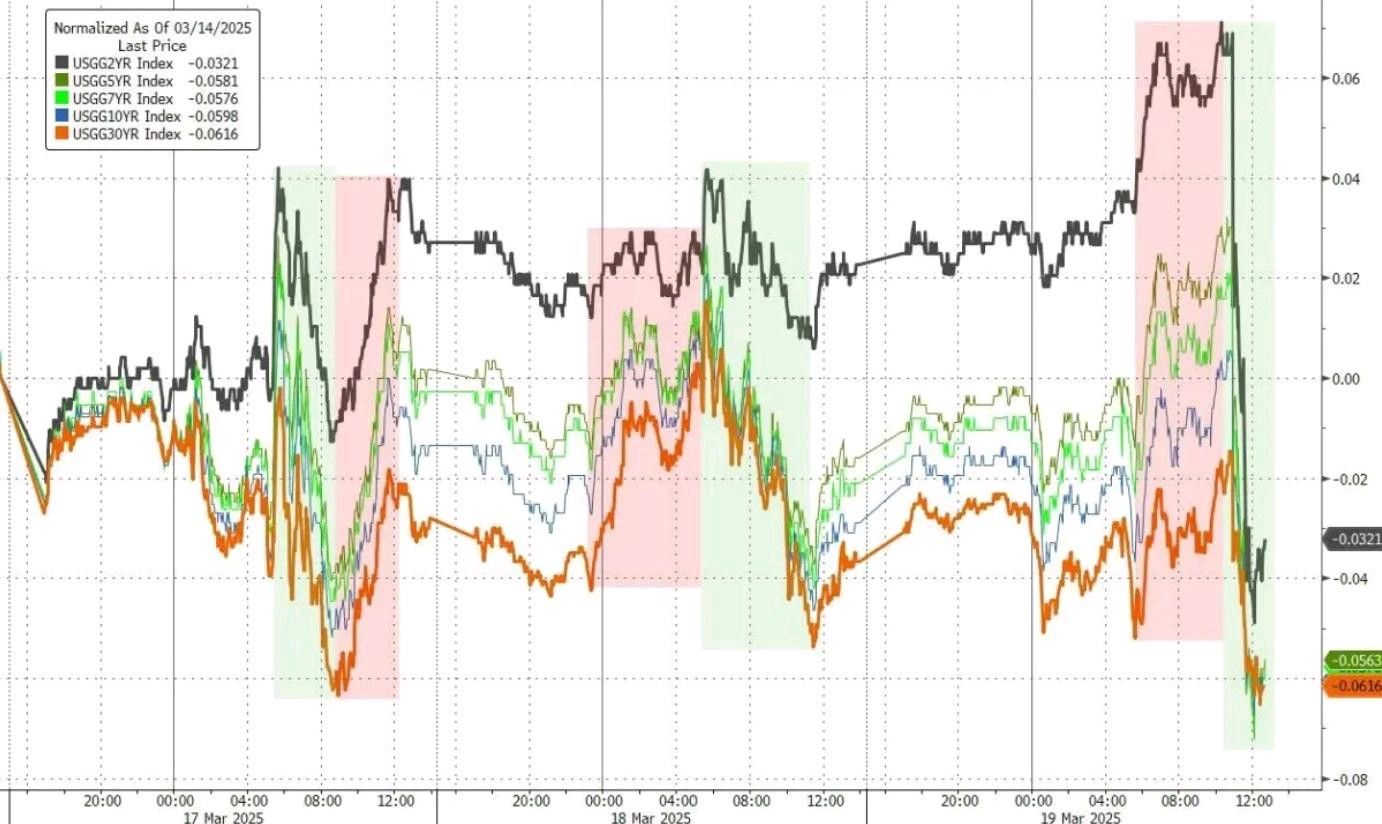
The uncertainty surrounding tariffs is further compounded by the fact that, despite Powell’s reassurances, market indicators such as short-term treasury yields have reacted negatively. For instance, after Powell mentioned the potential temporary nature of tariff-induced inflation, yields on two-year U.S. Treasuries fell below 4%, reflecting the market’s sensitivity to any suggestion that inflation pressures might ease.
Trump’s Critique and Its Market Implications
Amid this backdrop, President Trump has not shied away from criticizing the Fed’s cautious stance. On his social media platform, Trump argued that with tariffs beginning to weigh on the economy, the Fed would be well-advised to cut rates sooner rather than later. His call for “doing the right thing” by lowering interest rates is in stark contrast to Powell’s approach, and it reflects a broader political debate about how best to support economic growth amid headwinds.
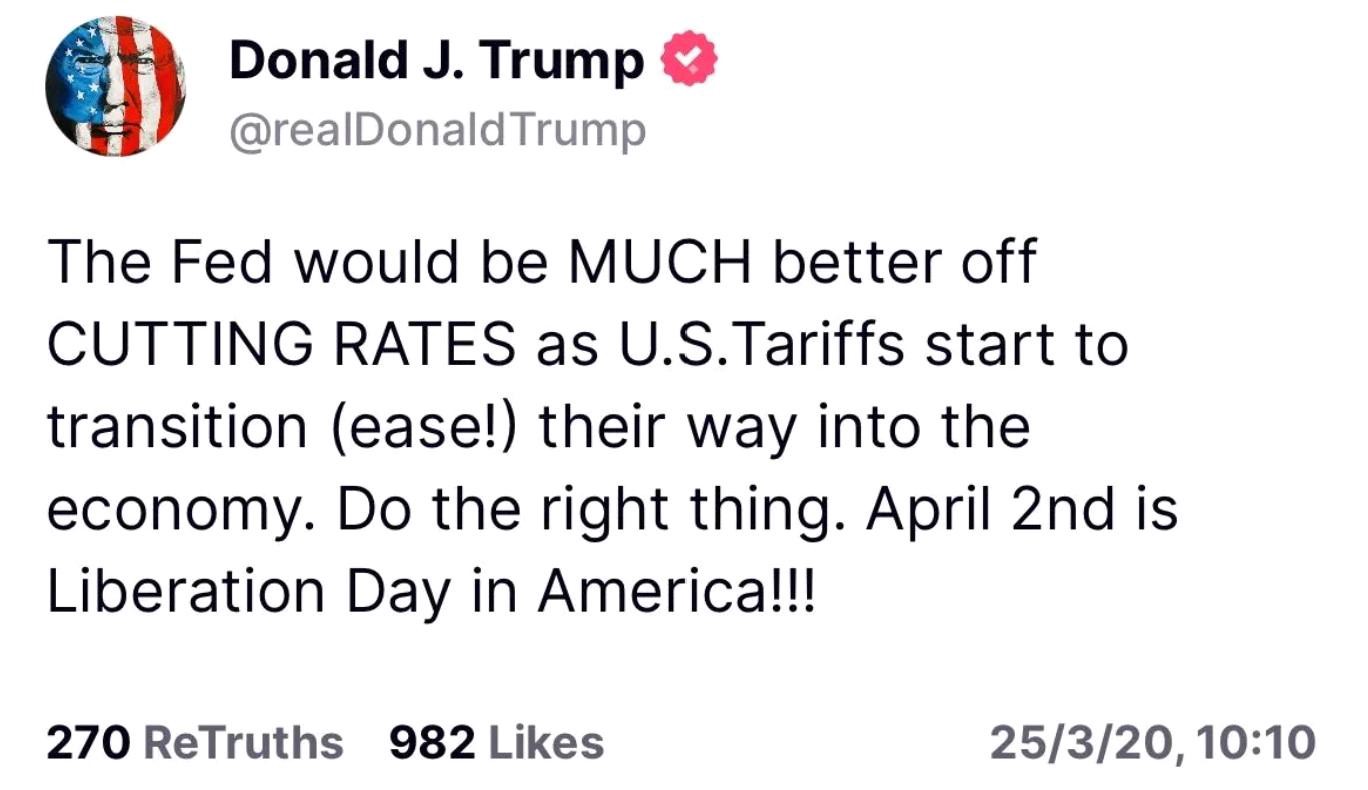
Trump’s intervention comes at a time when the markets have already been jittery over the Fed’s decision to hold rates steady. His remarks have further fueled the debate, highlighting a classic clash between political intervention and central bank independence. While Powell emphasizes that the Fed’s decisions are based solely on economic indicators and data, Trump’s public criticism underscores the political pressures that can arise when the economy shows signs of strain—even if those signs are not yet definitive.
This clash of viewpoints has tangible effects in the markets. Investors have seen an immediate reaction, with equity indices rebounding strongly following Powell’s press conference, only to be met with renewed volatility after Trump’s tweets. The mixed signals have contributed to a cautious trading environment where participants are trying to decipher whether the Fed’s measured approach will eventually yield positive results or if political pressures will force a premature policy shift.
Balancing Growth and Inflation in a Stagflation Environment
Underlying these debates is the broader challenge of managing a potential stagflation scenario—a situation where inflation remains high while economic growth falters. The Fed’s recent economic forecasts hint at a “stagflation-like” environment, with growth projections being revised downward and inflation expectations being adjusted upward. This delicate balancing act forces the Fed to tread carefully; premature easing could exacerbate inflation, while excessive tightening might stifle growth further.
Investors are particularly sensitive to these dynamics, as they directly affect asset prices and market volatility. For example, the Fed’s decision to slow the pace of balance sheet reduction—cutting the monthly reduction of U.S. Treasuries from $25 billion to $5 billion—was intended to mitigate liquidity risks. Such technical policy adjustments are meant to provide a smoother transition for financial markets, yet they also underscore the underlying tension between supporting growth and containing inflation.
The Path Forward for Investors
For the average investor, the current environment is characterized by uncertainty and the need for a careful, measured approach to risk. On one hand, the Fed’s cautious policy stance and its explicit acknowledgement of uncertainty suggest that a significant policy pivot may not occur in the near term. On the other hand, Trump’s vocal criticism and the ongoing debate over tariff impacts inject an element of unpredictability into the equation.
Investors should therefore be prepared for potential volatility, particularly in sectors that are highly sensitive to interest rate changes and trade policies. Diversification, along with a close watch on economic indicators such as labor market performance and inflation trends, will be key to navigating the coming months. Moreover, staying informed about both Fed communications and political developments will help investors adjust their strategies as new data emerge.