
Is Trump Really Trading Gold for Bitcoin? Market Implications and What Comes Next

There’s been a surprising turn in U.S. policy discussions—White House official Bo Hines recently suggested that the government could use gold reserves to buy Bitcoin in a “budget-neutral” way. This is a shift from Trump’s earlier stance. He had previously stated that the government wouldn’t buy Bitcoin directly but would retain any seized from illegal activities.

So, why the change? And if this policy goes forward, how will it impact the markets—especially Bitcoin and gold?
Trump’s Bitcoin Strategy: A Calculated Shift?
Trump’s stance on Bitcoin has gone through a few stages:
1.During the election – He actively supported Bitcoin, promising to make the U.S. a global leader in crypto.
2.Early in his term – He made it clear that taxpayer money wouldn’t be used to buy Bitcoin, but that confiscated Bitcoin would be added to government reserves.
3.Now – Officials are floating the idea of selling gold-backed assets to buy Bitcoin, branding it as a “budget-neutral” move.
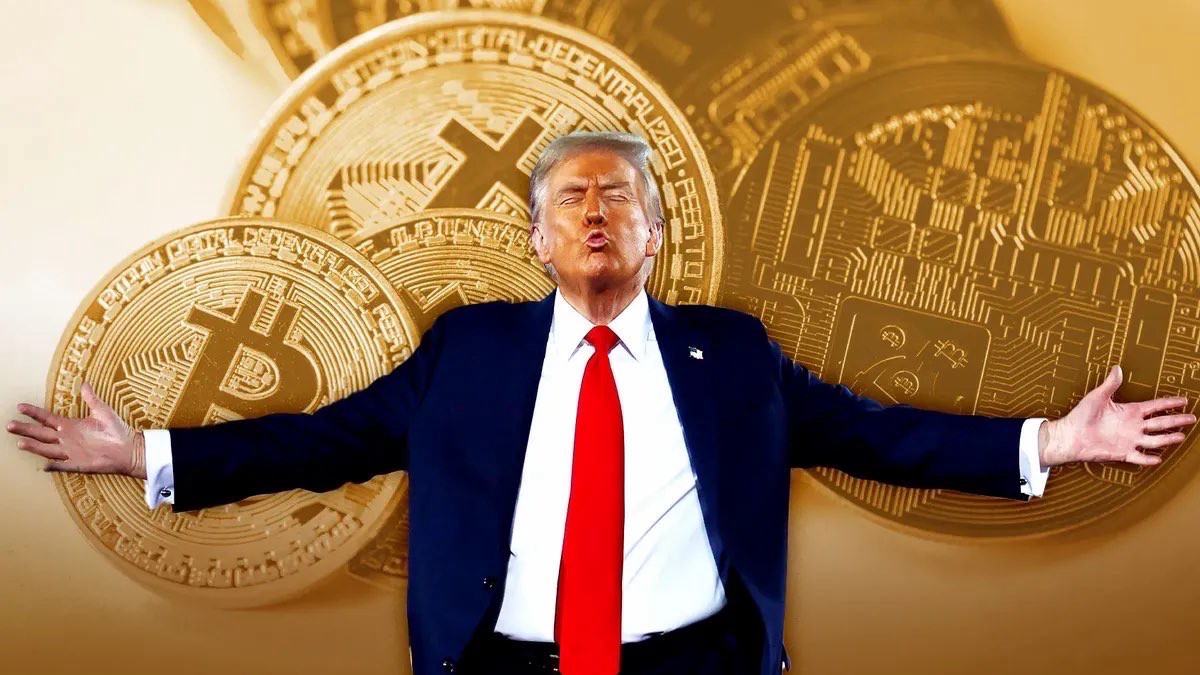
While this may seem inconsistent, the broader strategy is clear: Trump wants Bitcoin to play a central role in the U.S. financial system but doesn’t want to appear reckless with public funds. By using gold reserves rather than issuing new debt or spending taxpayer money, the administration can increase Bitcoin holdings without expanding the deficit.
This also aligns with Trump’s personal crypto initiatives. He recently launched the TRUMP token and is pushing for the 2025 Bitcoin Act, which proposes that the U.S. acquire one million Bitcoins over the next five years. This suggests a long-term vision rather than a short-term policy experiment.
Market Impact: Bitcoin Surges, Gold Faces Pressure?
If the U.S. actually moves forward with this plan, here’s what could happen:

Bitcoin: A Major Boost
1. Increased demand – If the U.S. government becomes a major buyer, market participants may front-run the trade, driving Bitcoin’s price higher.
2. Supply constraints – Bitcoin’s fixed supply means any large-scale accumulation could tighten availability, pushing prices even higher.
3. Institutional confidence – A U.S. government Bitcoin purchase would legitimize the asset further, potentially attracting more institutional investors.
Gold: Short-Term Pressure, Long-Term Strength
1. Selling pressure – If the U.S. government liquidates gold assets to fund Bitcoin purchases, gold prices could face downward pressure.
2. Shifting safe-haven demand – Some investors may begin viewing Bitcoin as a superior alternative to gold.
3. Resilience in the long run – Gold remains a core reserve asset for central banks worldwide. Its historical role as a hedge against uncertainty won’t disappear overnight.
However, execution risk remains high. If this is merely a policy trial balloon rather than a firm commitment, Bitcoin’s rally could be short-lived, and any pressure on gold might be temporary.
Final Thoughts: Bitcoin vs. Gold – A New Financial Era?
Trump’s latest move suggests a strategic push to integrate Bitcoin into national reserves, but without increasing fiscal deficits. Gold, long considered the ultimate reserve asset, might be part of the trade-off.

If this policy is implemented, Bitcoin could see a significant rally while gold faces near-term volatility. However, gold’s long-standing role in global finance ensures that it won’t be easily displaced. The real question is whether this marks the beginning of a broader shift in how nations manage their reserve assets.
For now, the gold-versus-Bitcoin debate just got a lot more interesting.