
Trump’s Trade Wars Escalate as Markets Defy His Rate-Cut Demands

The financial world is buzzing as President Donald Trump ramps up pressure on the Federal Reserve, demanding rate cuts to fuel the economy. Yet, despite his relentless calls, markets and policymakers are brushing off the idea—and investors are positioning for a very different outcome.
Trump’s Rate-Cut Push Meets Fed Resistance
In just one week, Trump has publicly urged the Fed to slash interest rates three times, reviving his long-standing feud with Chair Jerome Powell. But the response from markets and central bankers has been a collective shrug.
Fed officials, fresh out of their post-meeting blackout period, have shown no urgency to cut. Atlanta Fed President Raphael Bostic, once a proponent of two rate cuts this year, now expects just one. Governor Adriana Kugler echoed the wait-and-see stance, emphasizing that rates should stay steady for "some time."
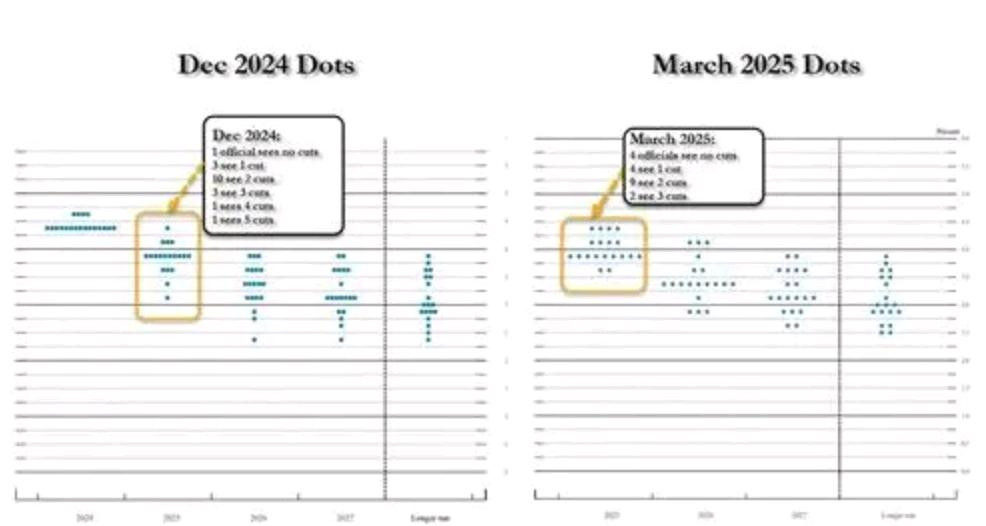
Even more telling, traders are betting against rate cuts. A $10 million SOFR options trade this week profits if the Fed holds rates steady—or even hikes. Meanwhile, JPMorgan’s client survey reveals Treasury investors are the least bullish in five weeks, with outright long positions dwindling.
So why is Trump’s pressure campaign falling flat? The answer lies in inflation fears.
The Inflation Wildcard
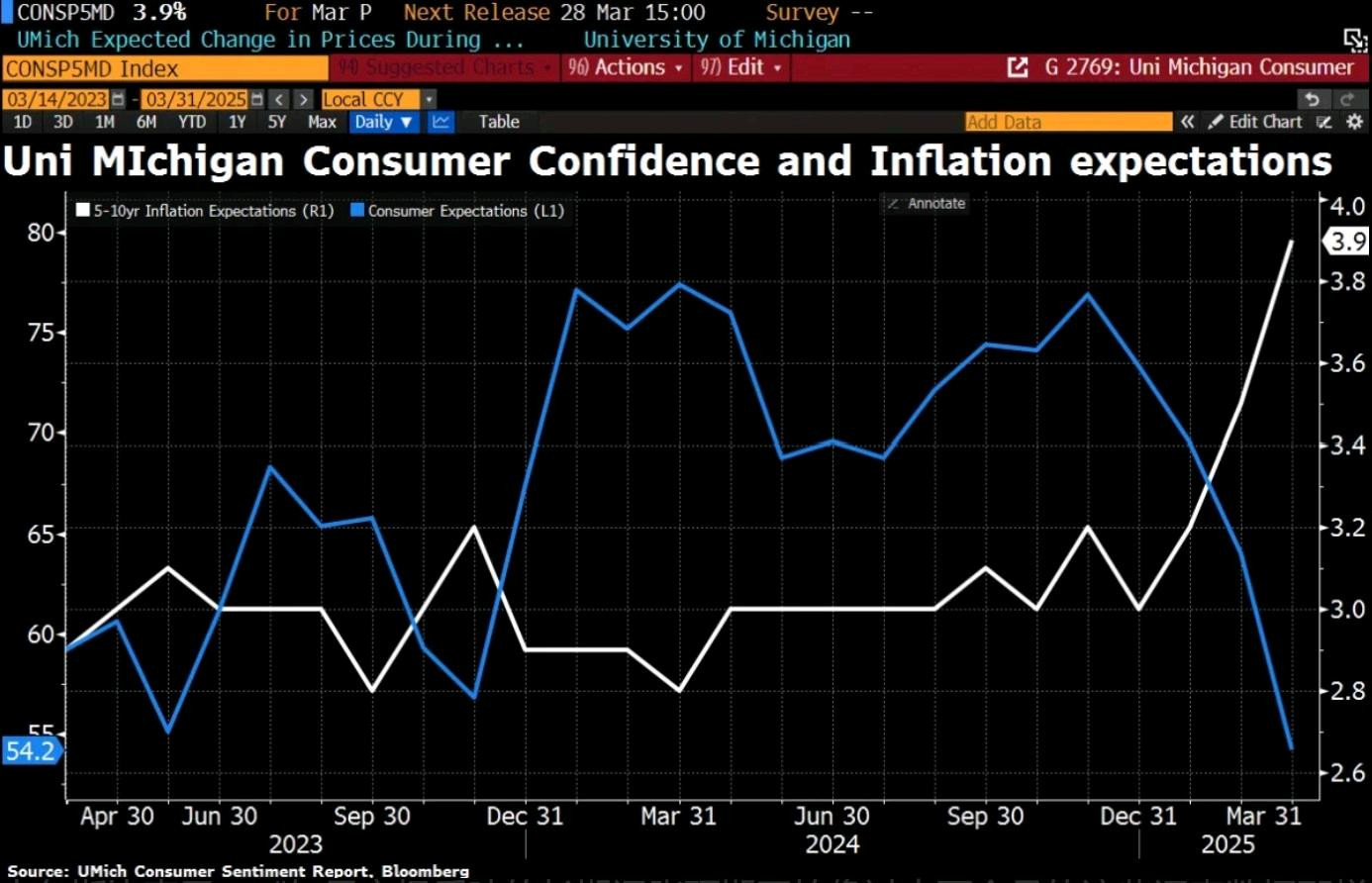
Chicago Fed President Austan Goolsbee, a noted dove, spelled it out this week: Rising inflation expectations could derail any rate-cut plans. He pointed to the University of Michigan’s latest survey, where long-term inflation expectations hit a 30-year high of 3.9%.
"If market-based expectations start mirroring these consumer surveys, it’s a five-alarm fire," Goolsbee warned. The Fed’s "golden path" of taming inflation without crushing growth is over, he admitted, and the road ahead is shrouded in uncertainty.
Adding to the complexity is Trump’s own trade agenda. Goolsbee highlighted April 2 as a critical date—when Trump plans to announce new tariffs—saying businesses in his district are "completely in the dark" about potential disruptions.
Trump’s New Tariff Shockwave: 25% on Imported Cars
As if rate-cut uncertainty weren’t enough, Trump has now thrown another wrench into the economy: a sweeping 25% tariff on all imported cars, set to take effect April 2. The executive order, signed this week, applies not just to passenger vehicles but also to light trucks and key auto components, including engines, transmissions, and powertrain parts.
Trump has made it clear—this tariff is permanent. "If you manufacture in America, you pay zero tariffs," he declared.
The move is expected to generate $100 billion in annual revenue, but at what cost? Traditional U.S. allies, including Canada, Mexico, the EU, and Japan, are bracing for economic blowback. Canadian Prime Minister Carney has already promised swift retaliatory tariffs. Meanwhile, Tesla CEO Elon Musk has remained silent, with Trump stating that Musk has neither requested exemptions nor offered an opinion on the policy.
The auto industry isn’t the only target. Trump has hinted at upcoming tariffs on lumber and pharmaceuticals, following his recent steel and aluminum levies. He has also floated the idea of "reciprocal tariffs," meaning that if a trade partner imposes a tax on U.S. goods, America will match it.

Gold: The Real Trump Hedge?
While stocks wobble under Trump’s policies, gold is quietly emerging as the ultimate hedge. Since Trump locked in the Republican nomination, prices have surged 25%, breaching $3,000/oz last week.
"Gold is the real ‘Trump put,’" argues the Financial Times’ Jonathan Guthrie. Unlike equities, which rely on the myth of presidential intervention to limit losses, gold thrives on chaos. Central banks, wary of geopolitical risks, are stockpiling bullion at record levels. Retail investors, too, are piling into ETFs and physical metal—not as a yield play, but as insurance against tail risks like debt crises or democratic erosion.
Copper Tariffs Loom—And Markets Are Front-Running
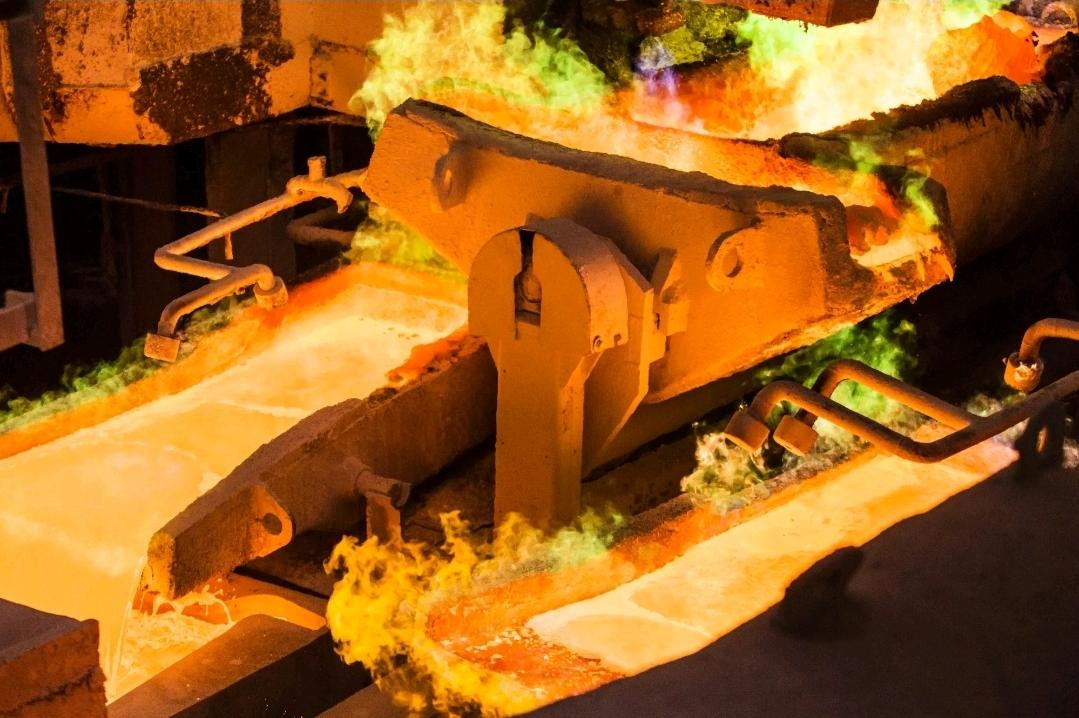
Trump’s next move? A 25% tariff on imported copper, possibly within weeks. Sources say the administration is fast-tracking the review process, bypassing the usual 270-day timeline.
The targets: Chile, Canada, and Mexico, which supply over half of U.S. refined copper. New York futures hit an all-time high near $5.40/lb on the news, as traders priced in the levy. But the rally could reverse if the final rate falls short—or if global supply chains adapt faster than expected.
The "Mar-a-Lago Playbook": More Than Just Tariffs?
Behind the scenes, Trump’s team is drafting a radical rewrite of global trade rules. The so-called "Mar-a-Lago Playbook," outlined by White House economist Stephen Miran, goes beyond tariffs to include currency interventions and debt restructuring.
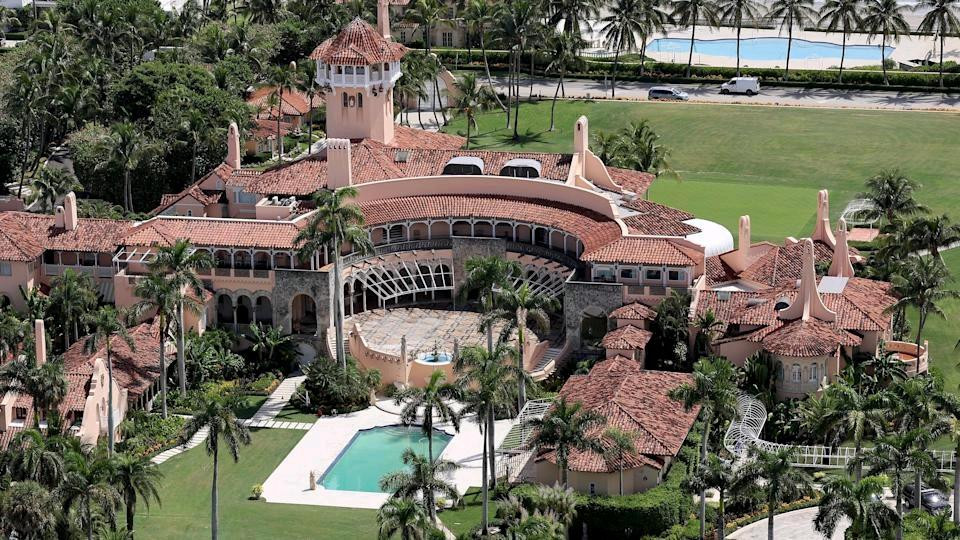
But Miran now downplays the plan, calling it a "menu of options" rather than policy. "The chef is the president," he quipped, noting Trump’s current focus is squarely on tariffs.
The Bottom Line for Investors
Markets are sending a clear message: Trump’s demands won’t dictate Fed policy, but his trade wars will move markets. Gold and copper are pricing in disruption, while rate-cut hopes fade. For portfolios, the playbook is shifting—from betting on central bank largesse to hedging against a more volatile, Trump-driven world.
One thing’s certain: In this era of economic brinkmanship, flexibility is king.