
Investors on Edge as Trump's Auto Tariffs Ignite Trade War Fears

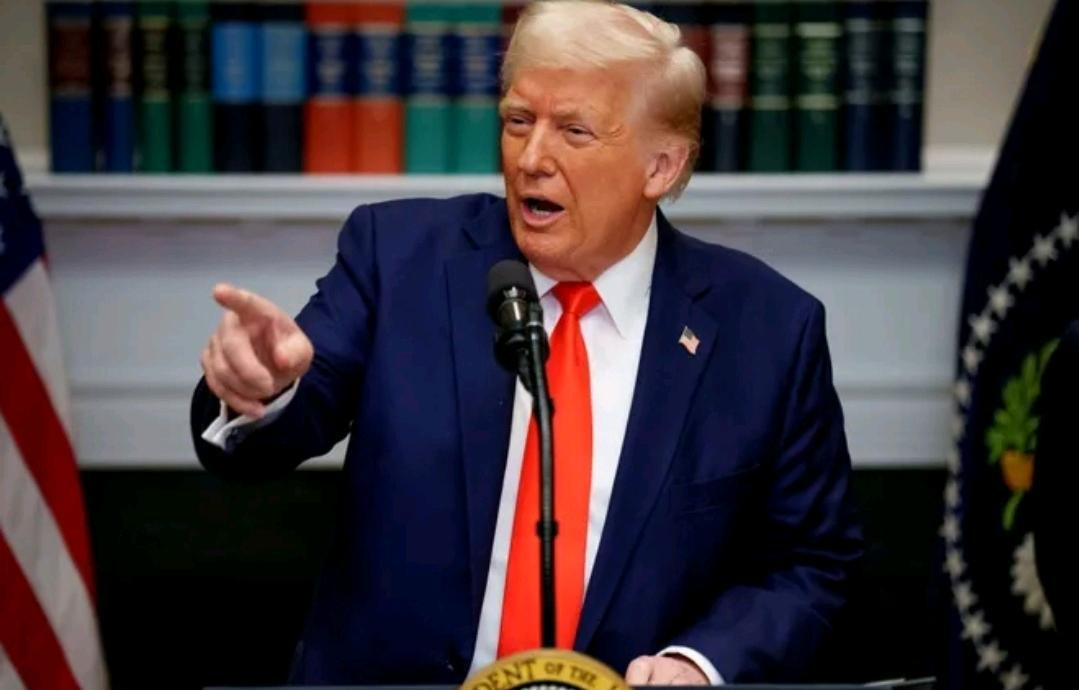
The global automotive industry and financial markets are bracing for turbulence after U.S. President Donald Trump announced sweeping tariffs of up to 25% on foreign-made cars and critical auto components, effective April 2. The move, framed by Trump as a bid to revive American manufacturing, has drawn sharp criticism from automakers, economists, and international trade partners—raising alarms about inflationary pressures, supply chain disruptions, and retaliatory measures that could destabilize markets.
Automakers Resist Relocation Despite Tariff Threats
Trump’s tariff proposal hinges on a bold assumption: that automakers will rapidly shift production to U.S. soil to avoid penalties. But industry leaders are pushing back, citing practical hurdles and policy unpredictability.
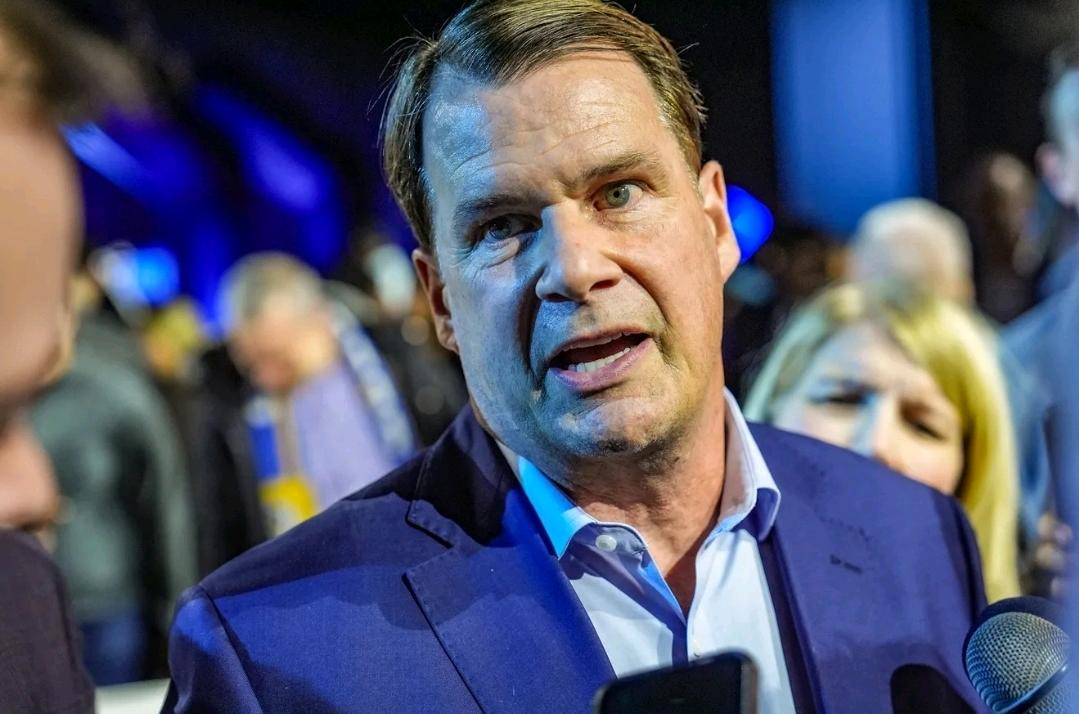
Ford CEO Jim Farley bluntly stated that automakers see “significant costs and chaos” from the tariffs but have no immediate plans to build new U.S. factories. General Motors CFO Paul Jacobson echoed this skepticism, noting that shifting production or reconfiguring supply chains requires long-term certainty—something Trump’s volatile trade policies have failed to provide. “We can’t afford to spend billions on factories only to see tariffs disappear overnight,” Jacobson told investors.
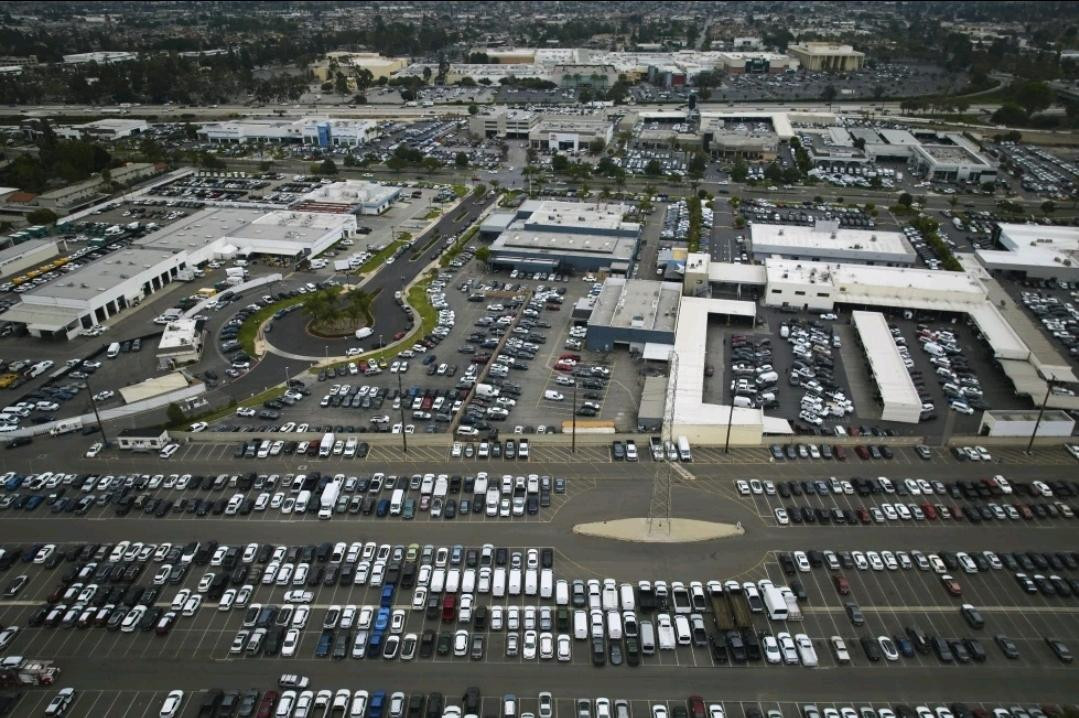
The challenges are multifaceted. Building new automotive plants typically takes three years, overlapping with potential political shifts. Even existing U.S. factories face rising costs, as roughly half of all auto parts used domestically are imported—meaning tariffs on components like engines and transmissions could add $3,500 to $12,000 per vehicle, according to Anderson Economic Group.
“This isn’t a light switch you can flip,” said one automotive executive, who requested anonymity. “You’re talking about reengineering entire supply chains, validating new suppliers, and absorbing massive capital costs—all while guessing what future administrations might do.”
Economic Warnings: Tariffs Could Backfire Spectacularly
The tariffs’ economic viability is under fire from an unlikely critic: Arthur Laffer, a former Trump advisor and architect of the “Laffer Curve.” In a scathing analysis, Laffer warned that a 25% levy could inflate vehicle costs by $4,711 each, eroding profit margins and crippling U.S. automakers’ global competitiveness.
“These tariffs risk shrinking—or eliminating—profits for American manufacturers while giving foreign rivals an edge,” Laffer wrote. He urged Trump to uphold the USMCA trade pact, which he praised as a “cornerstone achievement” stabilizing North American supply chains.
Wall Street analysts amplified these concerns. Bernstein estimates tariffs could add $6,700 per vehicle, while Goldman Sachs warns of spikes between $5,000 and $15,000 depending on import exposure. Even Tesla, largely insulated due to its U.S. production base, isn’t immune. CEO Elon Musk acknowledged that imported components would still face “non-trivial” cost hikes.
Global Retaliation Looms
The tariffs have sparked outrage among U.S. allies, with the EU, Canada, Mexico, and Japan threatening countermeasures.
• EU: European Commission President Ursula von der Leyen called tariffs “taxes on consumers” and vowed to defend the bloc’s interests. French President Emmanuel Macron warned of retaliatory measures, calling the timing “illogical” amid discussions about European defense spending.
• Canada: Prime Minister Justin Trudeau labeled the move an “attack on Canadian workers” and hinted at retaliatory tariffs.
• Mexico: President Claudia Sheinbaum announced plans for a “comprehensive response” post-April 2, emphasizing that tariffs violate the spirit of free trade agreements.
• Japan: Prime Minister Fumio Kishida pledged to “consider all options” while urging exemptions for Japanese automakers.
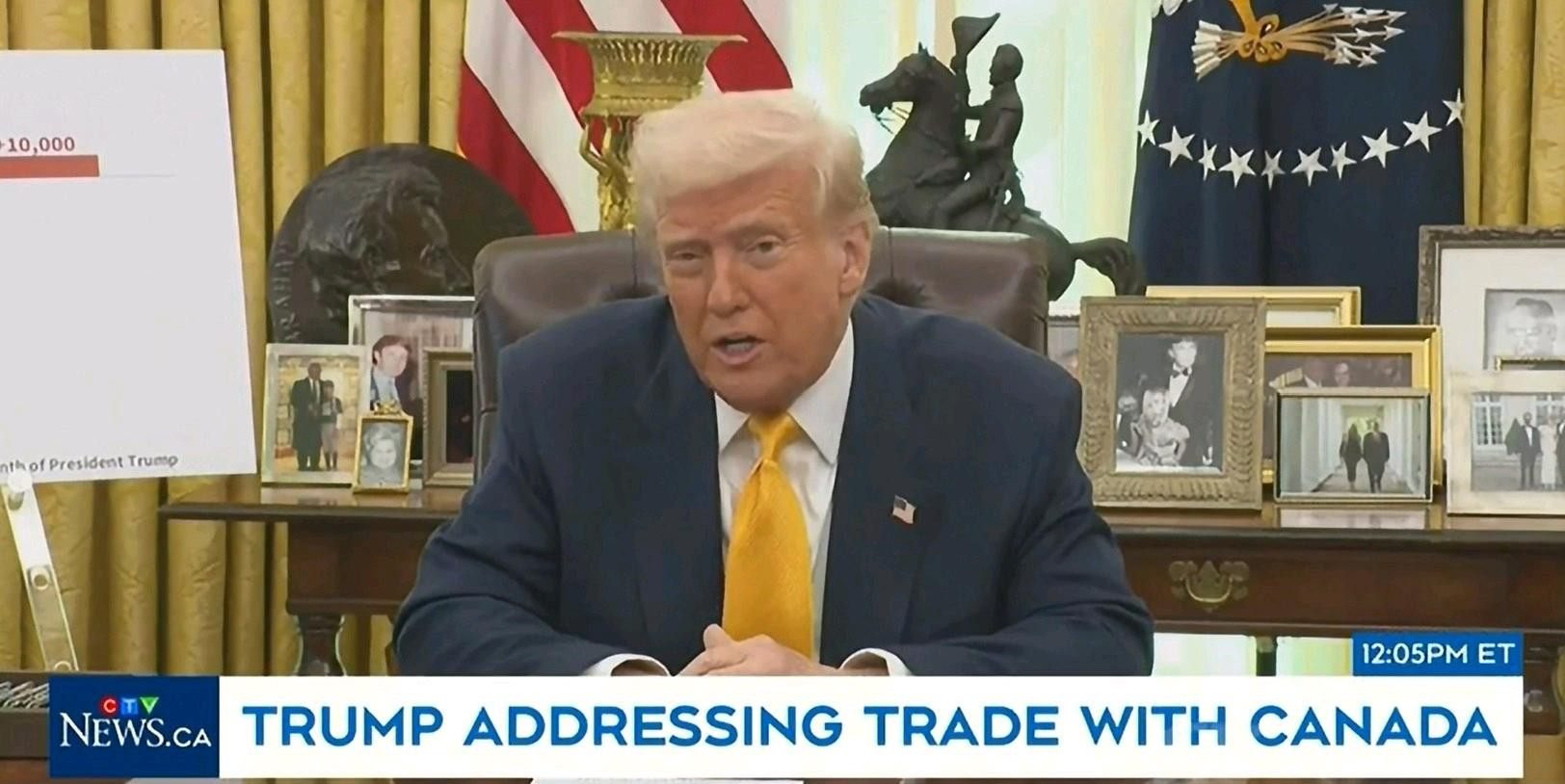
Trump, however, remains defiant. On social media, he threatened even steeper tariffs if allies retaliate: “If the EU and Canada collude against us, the numbers will go FAR beyond current plans.”
Investor Takeaways: Navigating a High-Stakes Gamble
For investors, the fallout hinges on three critical risks:
1. Supply Chain Chaos: Automakers like GM and Ford already face $1 billion+ annual losses from earlier steel/aluminum tariffs. New levies could amplify commodity price volatility, with U.S. steel costs up 30% in two months.
2. Consumer Backlash: Higher vehicle prices may suppress demand, particularly in a high-interest-rate environment. Luxury brands and import-reliant manufacturers (e.g., Toyota, BMW) are most exposed.
3. Trade War Escalation: Retaliatory tariffs could spill into other sectors, destabilizing markets and derailing post-pandemic supply chain recoveries.
While Trump insists tariffs will “supercharge U.S. manufacturing,” skeptics argue the policy risks isolating America from critical trade networks. Hyundai’s recent $5.8 billion U.S. investment—touted by Trump as a success—is a rare bright spot, but analysts caution such wins may be outliers.
The Bottom Line
Trump’s tariff gambit is a high-risk bet with uneven odds. For automakers, the costs of compliance may outweigh the benefits of avoiding tariffs. For investors, the stakes are clear: Prepare for inflationary shocks, sector volatility, and a potential reshaping of global trade alliances. As one industry veteran quipped, “Boards will wait for the smoke to clear.” But in today’s geopolitical climate, the fire may just be getting started.