
The Era of AI: Chinese Descent Executives' Historical Struggle Against Indians in Silicon Valley Comes to an End - Part 2

Part 2 — The Rise of Indian Executives: Breaking Through Silicon Valley's Power Structure
Before Chinese CEOs came into prominence, Indian CEOs were the first to break the white monopoly in Silicon Valley's power circles, ushering in their golden era.
In 1957, in Palo Alto, later known as the "heart of Silicon Valley," Nobel laureate William Shockley established the world's first silicon-based semiconductor laboratory. The "Traitorous Eight" who left his company founded Fairchild Semiconductor, which within a decade spawned 37 tech companies, including Intel and AMD, marking the embryonic form of Silicon Valley.
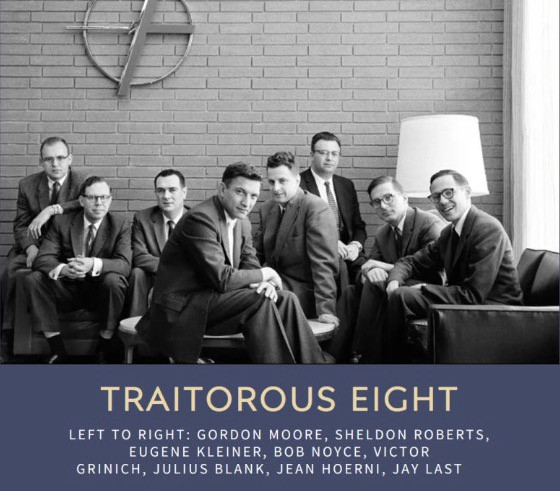
For the next half-century, Silicon Valley's founders - Microsoft's Bill Gates, Google's Larry Page, Apple's Steve Jobs - were exclusively white males, with Asian faces notably absent from the top of the power pyramid.
The first crack appeared in 1998 when Indian immigrant Sabeer Bhatia's email service Hotmail was acquired by Microsoft for $400 million. This engineer from a Bangalore slum became the first Indian entrepreneur to enter Silicon Valley's mainstream spotlight.
Simultaneously, with the rise of companies like Apple, Google, and Facebook (now Meta), the internet industry took root in Silicon Valley. A large influx of Indian professionals with engineering backgrounds entered Silicon Valley, starting from basic positions like programmers and product managers, gradually moving towards management roles in key business areas.
When Sundar Pichai joined Google in 2004, he was just a junior product manager. In the talent-rich Silicon Valley, Pichai's starting point was relatively low, but his ascent was rocket-speed, taking only 15 years to reach Google's power pinnacle.
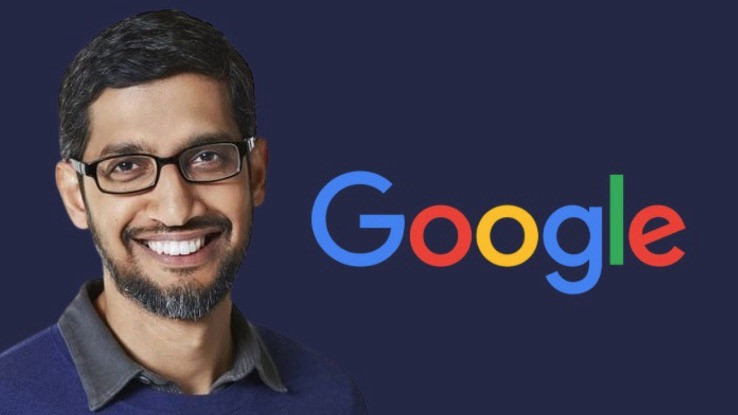
Tall, slim, and soft-spoken, Pichai shares a similar background with many Indians in Silicon Valley: graduating from an engineering program in India, pursuing graduate studies at top U.S. universities, then joining major American companies.
What truly accelerated Pichai's rise was his outstanding performance in a crucial battle for Google's survival.
On October 18, 2006, Microsoft unexpectedly changed IE's default search engine to its own Windows Live Search (Bing's predecessor). This was a massive blow to Google. At the time, Google had about 400 million users, with 65% of its traffic coming from IE. Losing the default engine status meant Google could potentially lose nearly 300 million potential users.
The Google Toolbar browser extension, which Pichai led when he first joined Google, became a crucial "weapon" in his hands, helping Google retain users. More importantly, during this crisis, Pichai's foresight gained the founders' approval.
Just six months earlier, Pichai had reported to then-CEO Eric Schmidt, requesting the development of a Google-exclusive browser. In his view, Microsoft's intention to enter the internet business was already evident, and without its own browser, Google could easily be caught off guard by Microsoft's browser settings.
However, Schmidt was skeptical about Google's potential success in this area.
Pichai went directly to Google founders Page and Brin, explaining the significance of an exclusive browser for Google, and ultimately gained their support to lead the browser team. First saving Google from crisis, then leading one of Google's most successful products, Chrome, Pichai's ascent within Google became unstoppable.
With the explosion of the internet wave, Indian executives who had accumulated rich experience and held key positions earlier welcomed their moment in the spotlight.
In 2015, when Google's parent company Alphabet restructured, Pichai, who held a crucial position, officially became the CEO of the subsidiary Google, and in 2019, he became the CEO of both Alphabet and Google.
Pichai became another Indian executive to lead a tech giant, following Microsoft CEO Satya Nadella and Nokia CEO Rajeev Suri.
Just as Pichai rose through Chrome, Nadella leveraged his bet on cloud computing to take the reins at Microsoft even earlier.
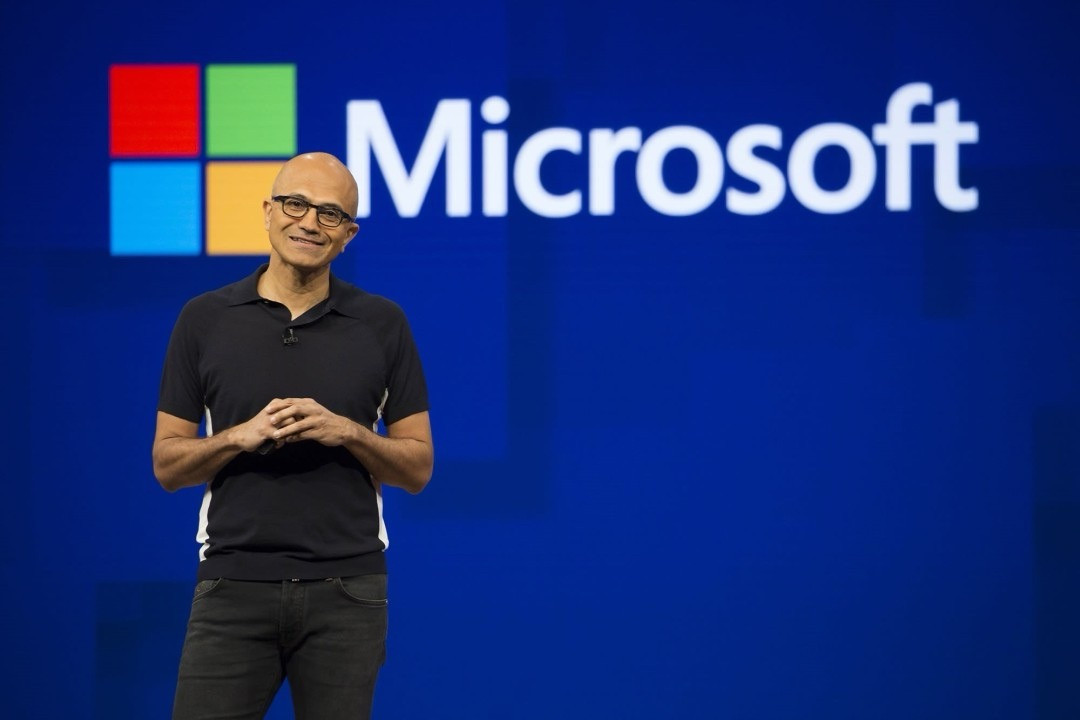
In 2014, when Microsoft CEO Steve Ballmer stepped down, Satya Nadella, the President of Microsoft's Server and Tools division and an Indian engineer, was highly anticipated. His responsibility for cloud computing and AI business was closely tied to Microsoft's future growth curve.
At that time, Chinese executive Qi Lu also had high prestige and support, and was even Nadella's superior, with both reporting directly to Gates in the organizational structure.
Ultimately, Nadella became Microsoft's leader. The Microsoft board commented: Nadella was more familiar with Microsoft's complex internal environment and could push new products and business development faster than a "parachute executive." Whether this "parachute executive" referred to Qi Lu is uncertain. But at least from their Microsoft careers, Nadella, who joined in 1992, had a much deeper foundation than Lu, who joined in 2008.
Finally, Nadella became Microsoft's third CEO, initiating Microsoft's transformation journey.
As Indian CEOs like Microsoft's Nadella, Nokia's Rajeev Suri, Google's Pichai, and Twitter's Parag Agrawal successively reached the top, the list of Indian CEOs in Silicon Valley grew longer, including Adobe's Shantanu Narayen, IBM's Arvind Krishna, Palo Alto Networks' Nikesh Arora, PepsiCo's Indra Nooyi, Mastercard's Ajay Banga, NetApp's George Kurian, and many others.