
Global Markets on Edge: Navigating Trump’s Tariff Turbulence and the Hunt for Safe Havens

As the clock ticks toward President Trump’s pivotal tariff announcement, global markets are bracing for a seismic shift in trade policy. What began as a blanket 20% tariff threat has evolved into a multi-tiered strategy, with the Wall Street Journal reporting that select nations may face lower rates. While the White House insists its “America First” agenda remains non-negotiable, investors are scrambling to hedge against potential fallout—pouring into traditional safe havens, recalibrating tech bets, and dissecting every clue about Trump’s endgame.
Tariff Twist: From Universal to Targeted Strikes
Trump’s original vision of a uniform 20% tariff on all imports is giving way to a more nuanced approach. Sources reveal the U.S. Trade Representative is crafting a three-pronged system:
• Baseline 20% tariffs for most trading partners
• Reduced rates for strategic allies and critical supply chains
• Exemptions for industries vital to U.S. manufacturing revival
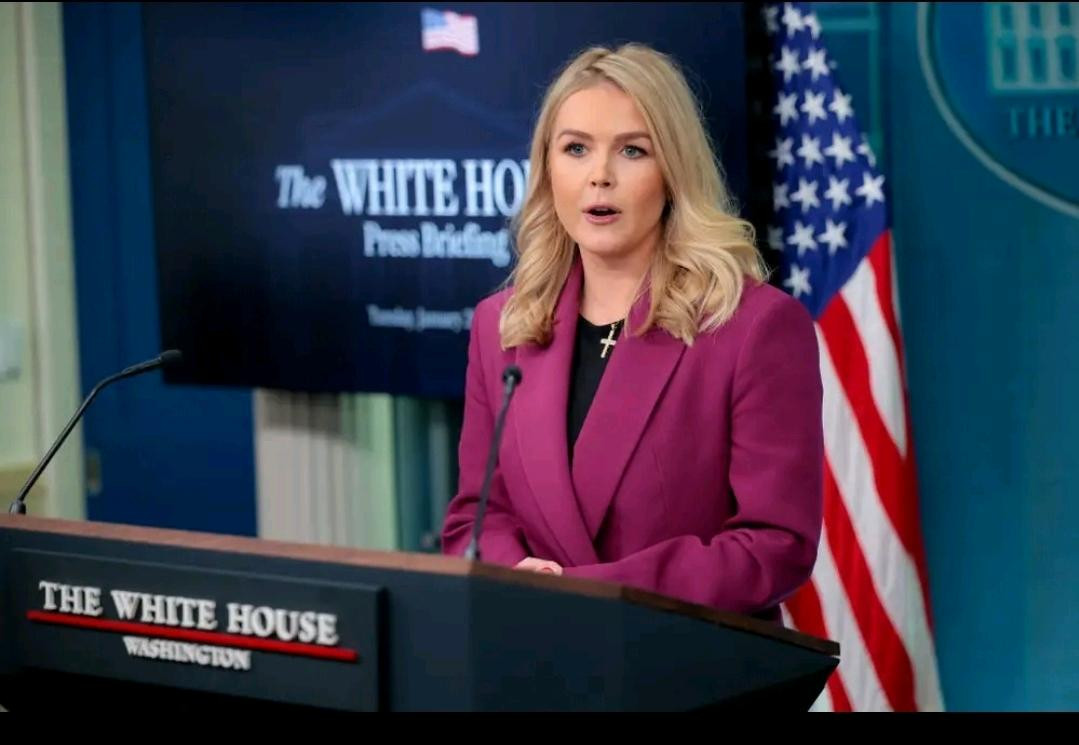
The pivot follows intense lobbying by foreign governments and domestic industries fearing collateral damage. White House spokesperson Karoline Leavitt reiterated Trump’s willingness to negotiate but stressed his fixation on “correcting past trade injustices.” Economists warn even a diluted tariff regime could ripple globally. UBS estimates matching global tariff levels would lift America’s trade-weighted duties from 2.2% to 3.85%, while Aston University models a doomsday $1.4 trillion global GDP loss if retaliation escalates—with Canada and Mexico suffering 3-7% GDP contractions and U.S. inflation spiking 2.7%.
The Great Hedge: Yen Reigns Supreme
Amid the chaos, Goldman Sachs has crowned the Japanese yen as the ultimate safe-haven champion, forecasting a 7% surge to ¥140 per dollar. “Yen is the purest hedge against U.S. growth fears,” asserts Goldman’s Kamakshya Trivedi, noting its historical resilience when stocks and real rates tumble. The currency’s appeal grows as the U.S.-Japan 10-year yield gap narrows to 2022 lows.
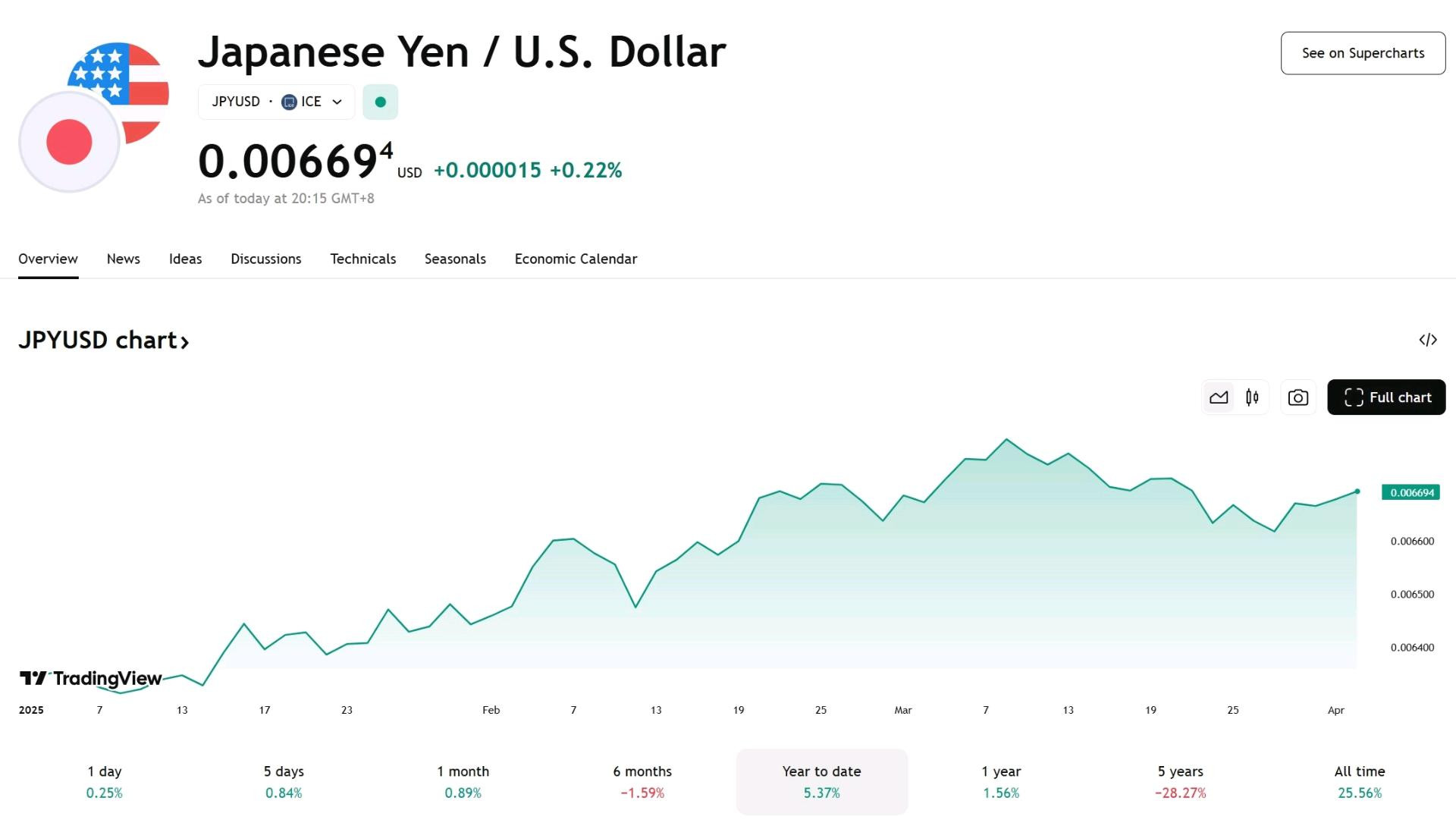
Deutsche Bank data reveals a safe-haven stampede: Hedge funds are hoarding yen and Swiss francs, retail investors are snapping up gold, and even the euro is gaining traction as a dollar alternative. Commodity currencies, however, face split verdicts—systematic traders dump Aussie and Canadian dollars while discretionary funds back the New Zealand kiwi.
Tech Titans in the Crosshairs
Wedbush analysts warn Trump’s tariffs could freeze corporate spending, particularly in AI. “Tariffs act like a stealth tax, chilling CEO confidence,” says strategist Daniel Ives. The “Magnificent Seven” tech stocks—already down 14% this year—face amplified risks if China retaliates against semiconductors or EVs. $AAPL and $TSLA are especially vulnerable: Chinese consumer boycotts could crater iPhone sales, while supply chain snarls might delay $NVDA ’s AI dominance. Though tech stocks edged higher Tuesday, Ives notes “investors are fleeing to Europe and Asia until the tariff fog lifts.”
Central Banks Sound the Alarm
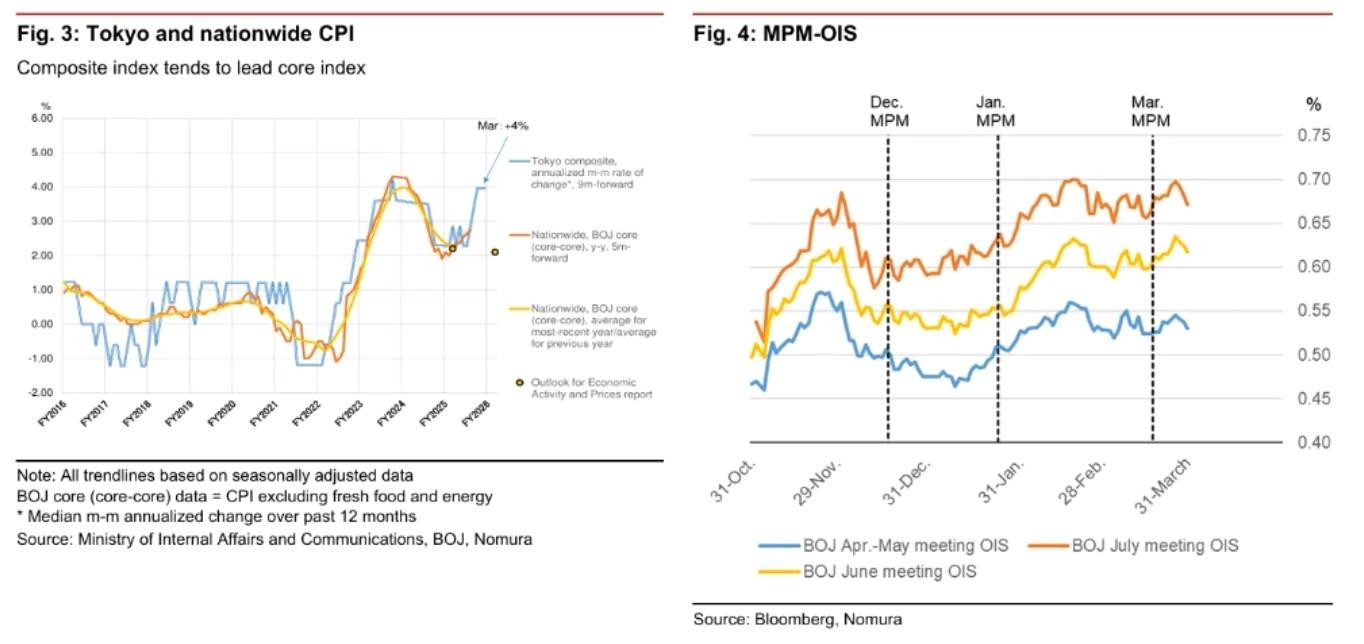
Bank of Japan Governor Kazuo Ueda delivered a stark warning: “These tariffs could redraw global trade maps overnight.” With March PMIs showing factory slowdowns from Tokyo to Toronto, Ueda plans urgent G20 talks this month. Markets now see dwindling chances of a May BOJ rate hike, particularly if 25% U.S. auto tariffs materialize—a move that Mitsui Sumitomo’s Katsutoshi Inadome warns could push 10-year Japanese yields below 1.5%.
Market’s High-Stakes Gamble
Despite looming risks, U.S. stocks display puzzling calm. The S&P 500 has rebounded 5% from March lows, betting Trump’s bark outweighs his bite. “We’re gaming out 1,000 tariff scenarios—it’s a cashflow casino,” admits Morgan Stanley’s Jim Caron. Goldman now sees a 35% chance of U.S. recession within 12 months, up from 20%, yet bond markets remain serene—junk spreads hover below crisis levels and February consumer spending rose 0.4%.
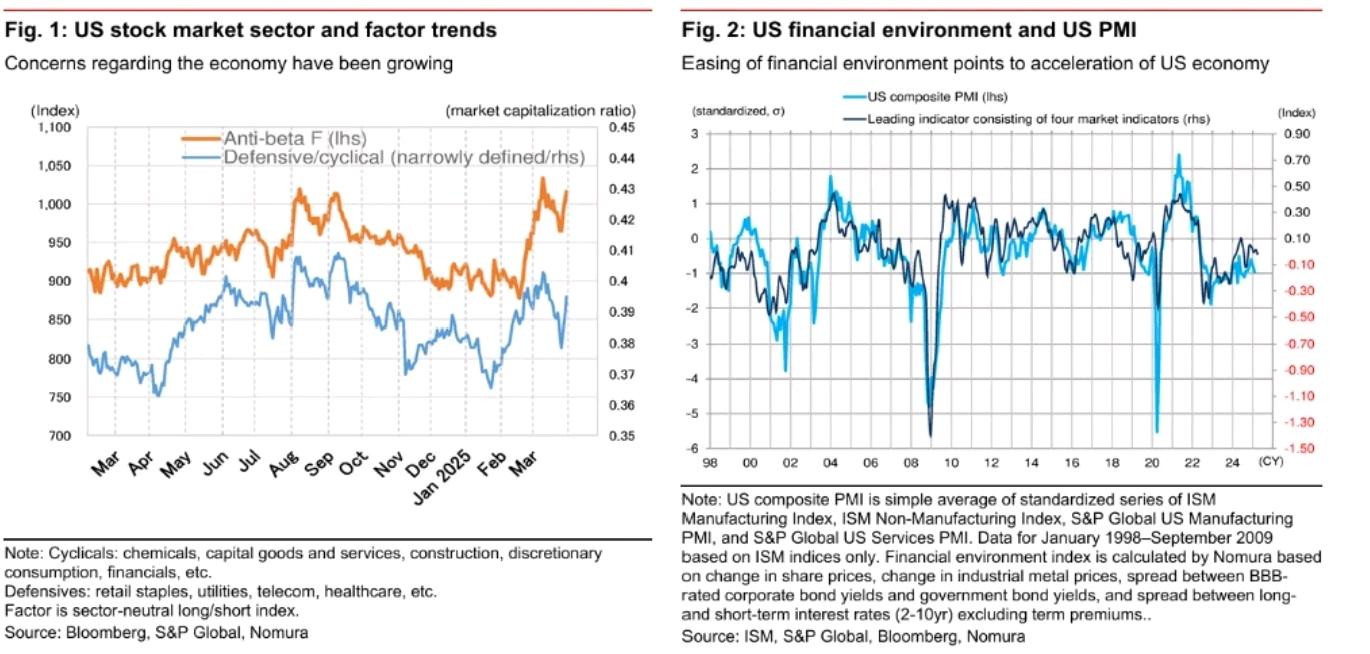
The fragile equilibrium hinges on Trump’s true intent: Is this a revenue grab, a reshoring push, or mere negotiation theater? As Charles Schwab’s Kevin Gordon notes, “With this White House, policy tweaks are a daily ritual.”
The Only Certainty: Uncertainty
From Tokyo trading floors to Wall Street war rooms, one truth emerges: In Trump’s tariff wars, uncertainty is the new constant. Investors clinging to resilient economic data—steady jobs, modest spending growth—face a reality check. As global supply chains brace for shocks and central banks plot countermoves, the race to hedge against a fractured trade order has become the defining game of 2024. Whether markets are pricing in perfection or ignoring peril, the coming weeks will test whether optimism can outlast protectionism’s gathering storm.
This content is provided for informational or educational purposes only and does not constitute investment advice.