
The Tariff Domino Effect: How Trump’s Trade War Could Reshape the Global Order

The Trump administration’s tariff offensive isn’t just a trade reset — it’s a seismic shift in globalization’s rules. Beyond the immediate market panic, the measures risk fragmenting supply chains, empowering rival blocs, and entrenching a new era of economic nationalism. Here’s the deeper dive.
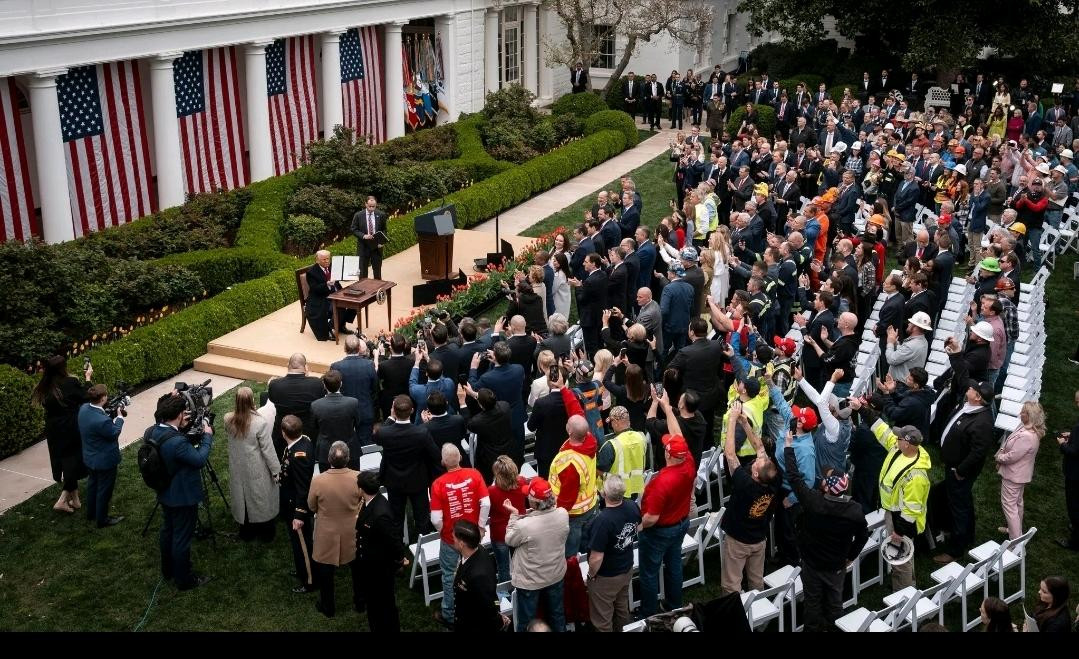
1. The “Reciprocal” Doctrine: A Tool for Decoupling
Trump’s tariffs are framed as correcting “unfair” practices, but their structure reveals a broader agenda. By exempting allies like Canada/Mexico (under USMCA) while hammering China and ASEAN, the U.S. is Balkanizing trade into spheres of influence. The 10% baseline tariff acts as a moat, forcing nations to choose between aligning with U.S. rules or facing exclusion.
Key Takeaway: This isn’t merely protectionism — it’s a bid to rewrite trade alliances. Vietnam’s 46% tariff, for instance, punishes its role as a China+1 manufacturing hub, pressuring firms to reshore or near-shore.
2. Stagflation’s Ghost Returns
The 1970s-style threat of stagnant growth and high inflation looms. Tariffs could add $1.5 trillion annually to import costs (Bloomberg Economics), squeezing corporate profits and household budgets. The University of Michigan’s March survey already shows consumer inflation expectations at a 30-year high, with personal finance outlooks at record lows.
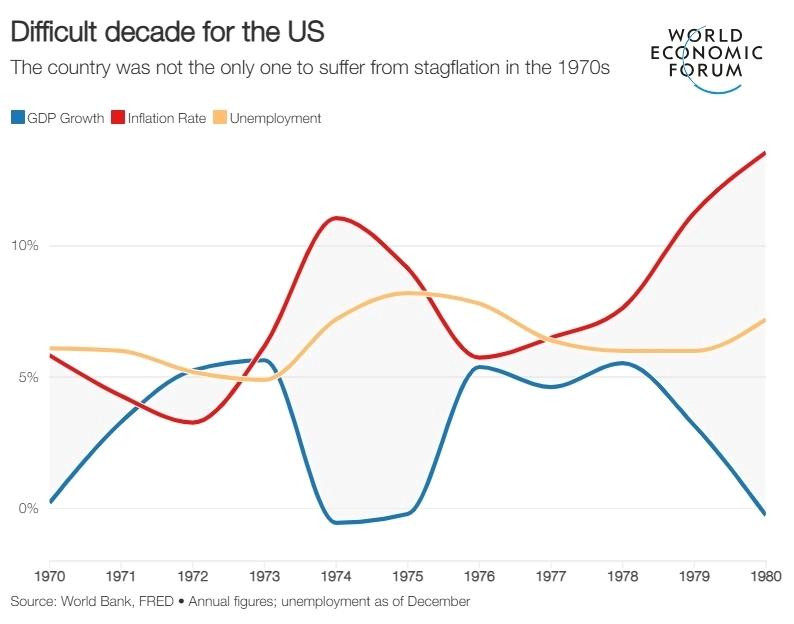
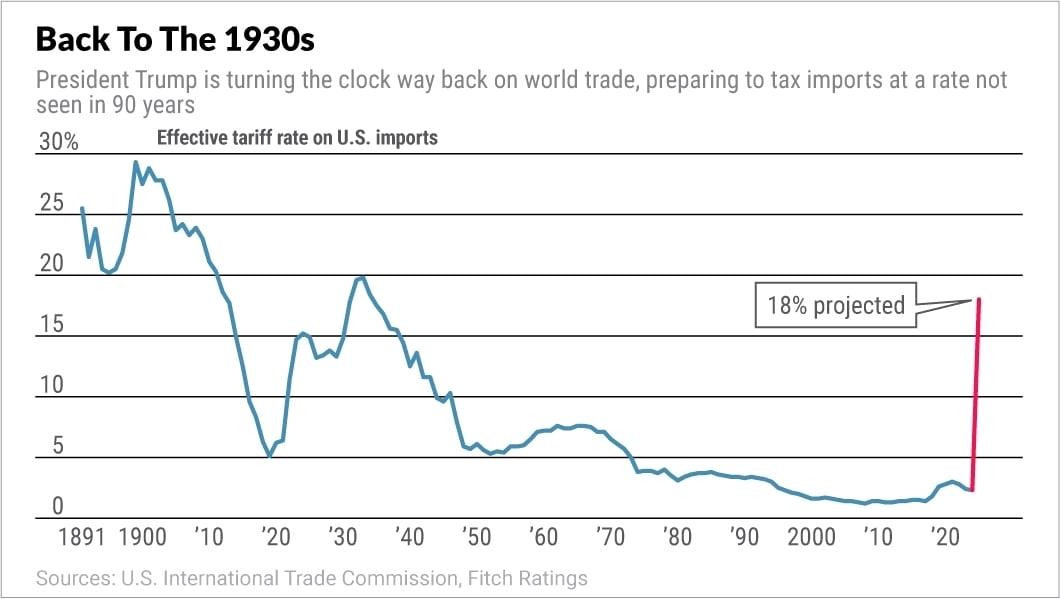
Fed’s Quagmire: Historically, tariffs act like supply shocks — think oil embargoes. The Fed can’t easily cut rates if inflation rebounds, nor hike without crushing growth. Powell’s Friday speech will be scrutinized for clues, but options are bleak. As former Treasury Secretary Larry Summers warns, “This is a textbook policy failure.”
3. ASEAN: Collateral Damage in the U.S.-China Tech War
Southeast Asia, once a tariff haven, is now ground zero. Vietnam (46%), Thailand (36%), and Indonesia (32%) face punitive rates that could derail their export miracles. Malaysia’s semiconductor sector, which supplies U.S. tech giants, now confronts 24% tariffs unless it diversifies buyers.
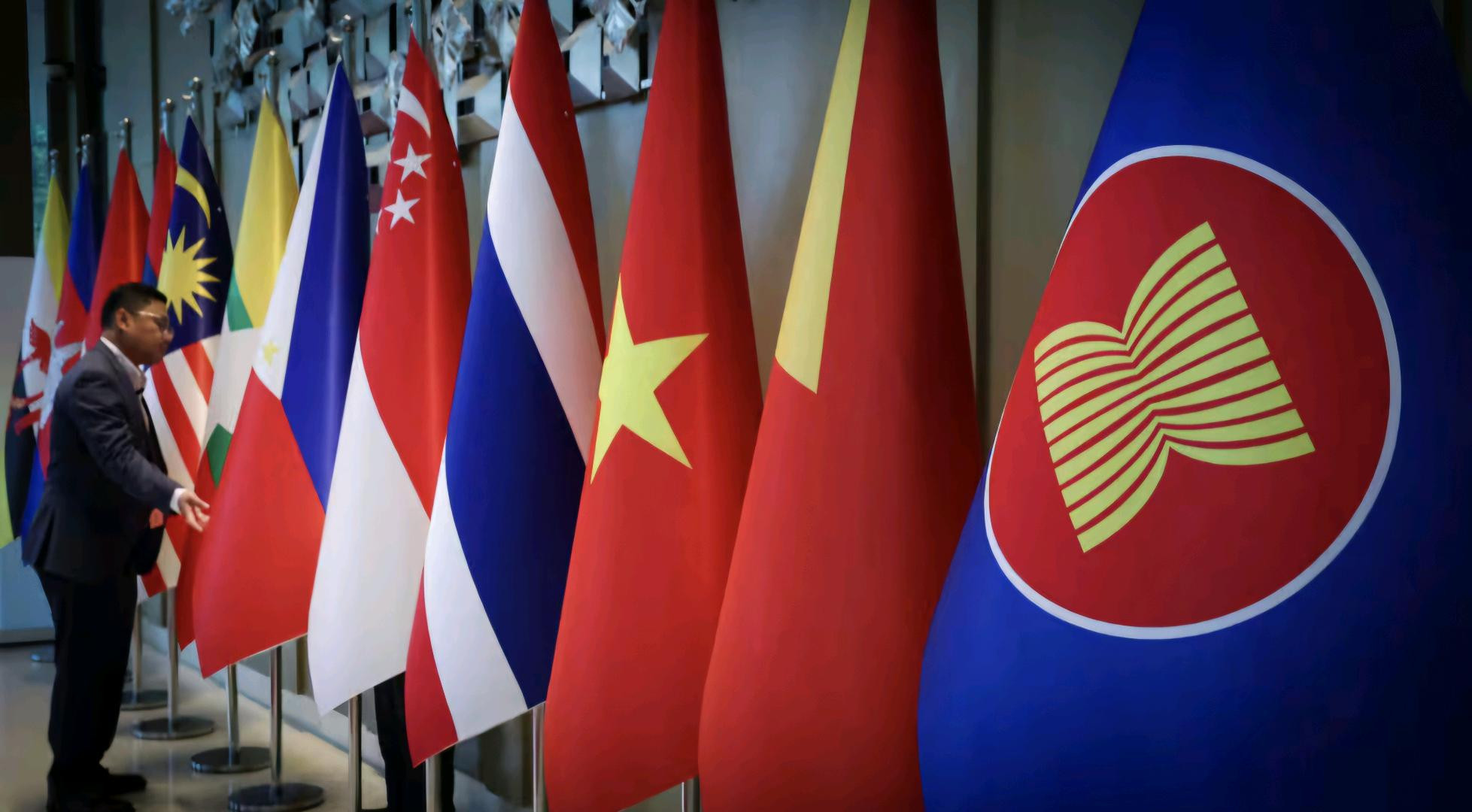
The Great Unwinding: Companies like Intel and Apple, which built factories in Vietnam to bypass China tariffs, face a brutal reckoning. “Moving to ASEAN was a hedge,” said Ruchir Desai of Asia Frontier Capital. “Now that hedge is imploding.”
4. China’s Calculus: Double Down or Detente?
Beijing’s response will shape the conflict’s trajectory. With a 54% effective tariff, China’s exports to the U.S. could plummet, worsening its property crisis and local debt woes. Yet retaliation risks alienating Europe and ASEAN, who are also tariff targets.
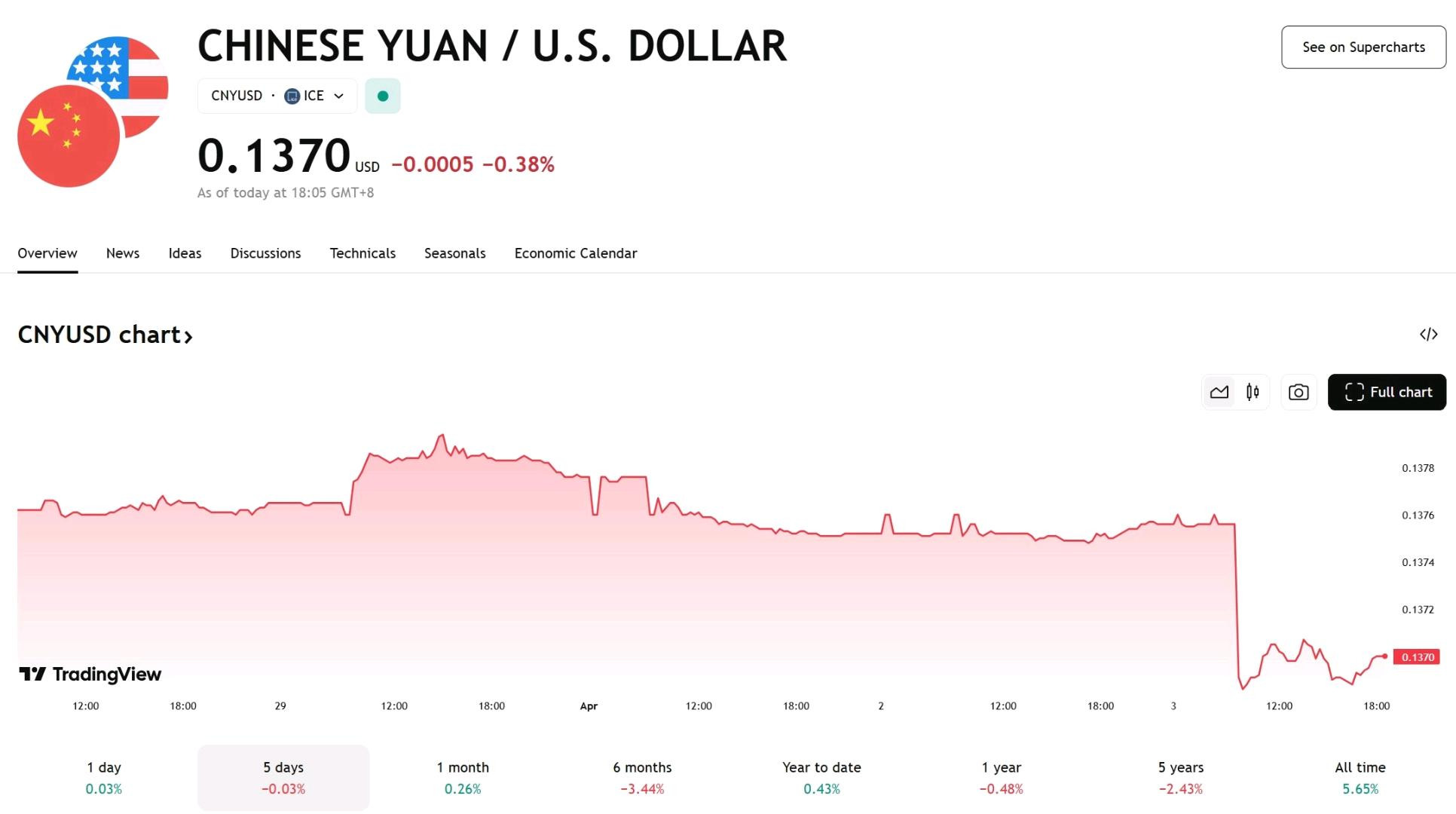
Wildcard: China might accelerate yuan devaluation (CNH already hit 7.3/USD post-announcement) or dump U.S. Treasuries, but both moves carry blowback. Alternatively, it could offer concessions on tech subsidies or market access to split the U.S.-EU front.
5. The Innovation Cold War
Exemptions for semiconductors and pharmaceuticals reveal a focus on securing tech supremacy. By shielding these sectors, the U.S. aims to starve China’s AI and biotech ambitions of critical inputs. Meanwhile, 25% auto tariffs disrupt Europe’s EV transition, favoring Tesla and legacy Detroit automakers.
Chip Wars Escalate: With SMIC and Huawei already under sanctions, tariffs on non-exempt tech goods (e.g., circuit boards) could further Balkanize supply chains. “The tech decoupling is now irreversible,” said a TSMC executive anonymously.
6. Political Risks: Trump’s High-Wire Act
Trump’s gamble hinges on tariffs delivering visible wins — factory jobs, lower deficits — before November. But with consumer confidence at recessionary levels and the S&P 500 down 10% from January highs, the timing is perilous.
Democrats’ Dilemma: While Biden’s team condemns the tariffs as “reckless,” they’re boxed in by union support for protectionism. A 2024 repeat of 2018’s midterm backlash (when Republicans lost 40 House seats) is possible.
7. The Global South’s Reckoning
Emerging markets beyond ASEAN are also vulnerable. India’s 26% tariff threatens its solar panel and textile exports, while Brazil’s 10% rate could destabilize Mercosur trade talks. Meanwhile, non-aligned nations like Saudi Arabia and Turkiye may exploit the chaos to demand concessions on oil prices or NATO expansion.
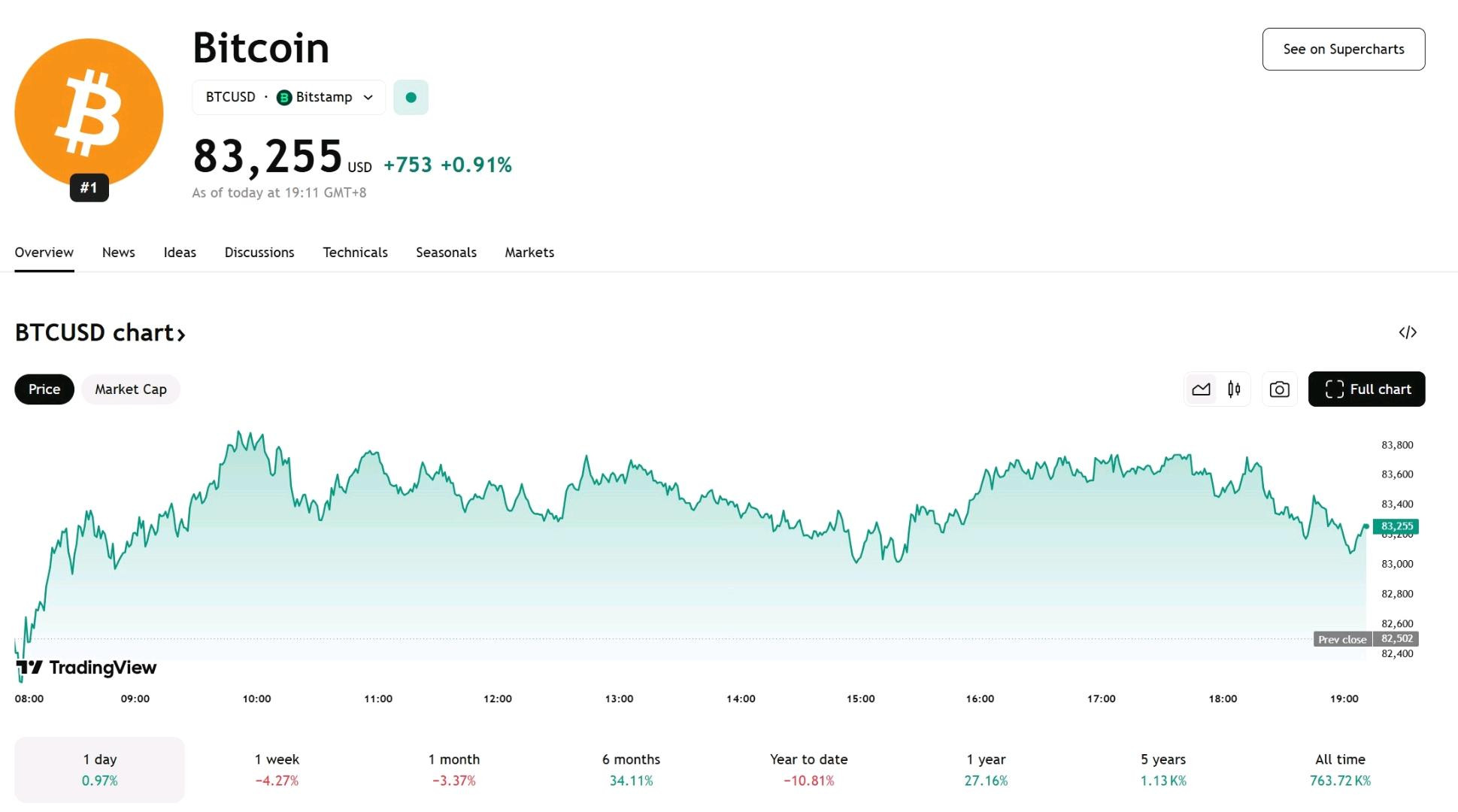
BRICS Opportunity: China and Russia are likely to push their de-dollarization agenda, promoting alternatives like the yuan or digital currencies. $BTC ’s 5% intraday surge hints at crypto’s role as a geopolitical hedge.
The Long Game
Trump’s tariffs aren’t just about trade balances — they’re a weapon to fracture multilateralism and cement U.S. dominance. Yet the strategy risks accelerating the very decline it seeks to prevent. As supply chains relocalize, inflation becomes entrenched, and rivals like China deepen ties with the Global South, the U.S. may find itself isolated in a fragmented world. The coming months will test whether economic nationalism can coexist with global stability — or if it’s a one-way ticket to turmoil.
This content is provided for informational or educational purposes only and does not constitute investment advice.