
America’s Economic Crossroads: Stagflation Fears and Dollar Turmoil Loom as Tariffs Rattle Markets

The global financial landscape is bracing for turbulence as Trump-era tariffs resurface with a vengeance, threatening to derail U.S. economic stability and ignite a currency crisis. What initially appeared as another chapter in trade policy brinkmanship has morphed into a complex dilemma: Could aggressive protectionism simultaneously stifle growth, reignite inflation, and destabilize the dollar’s global dominance? Analysts warn that the ripple effects of these tariffs—some exceeding 50%—are creating a perfect storm where economic stagnation collides with runaway prices, while faith in America’s financial safe-haven status begins to crack.
Stagflation 2.0: Growth Stalls, Inflation Roars Back
Wall Street economists have scrambled to reassess their forecasts after the Trump administration unveiled sweeping tariffs on global trading partners. The consensus is grim: New import levies could slash GDP growth, push unemployment higher, and undo years of progress in taming post-pandemic inflation. Nomura predicts U.S. GDP will grow just 0.6% by 2025 under the new tariffs, while core inflation—a key Fed metric—could surge to 4.7%. Barclays offers an even darker outlook, forecasting a 0.1% GDP contraction and unemployment uptick by year-end.
The Fed’s preferred inflation gauge, the core PCE index, had cooled to 2.8% in February from its 2022 peak of 5.6%. But analysts now warn of a second wave. "If these tariffs hold, core PCE could rebound to 4-5%," said 22V Research’s Peter Williams. UBS economist Jonathan Pingle echoed this, noting tariffs pose "substantial downside risks" to expansion, with two consecutive quarters of negative growth likely.
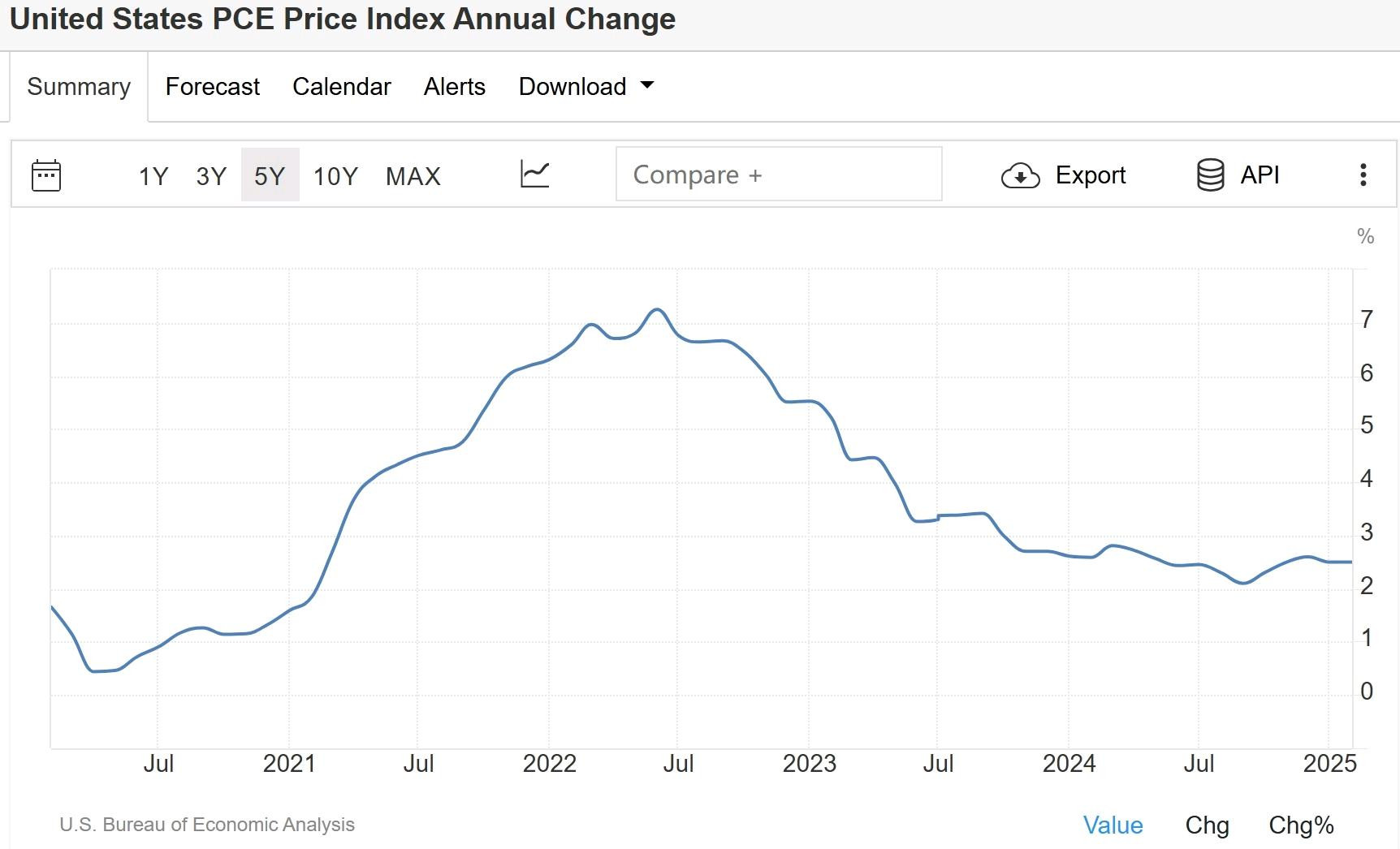
This sets the stage for a policy nightmare. Tariffs act as a double-edged sword: They dampen economic activity (fueling calls for rate cuts) while exacerbating inflation (forcing the Fed to hold rates high). The result? A resurgence of "stagflation," a term not widely heard since the 1970s.
The Fed’s Impossible Choice: Cut Rates or Fight Inflation?
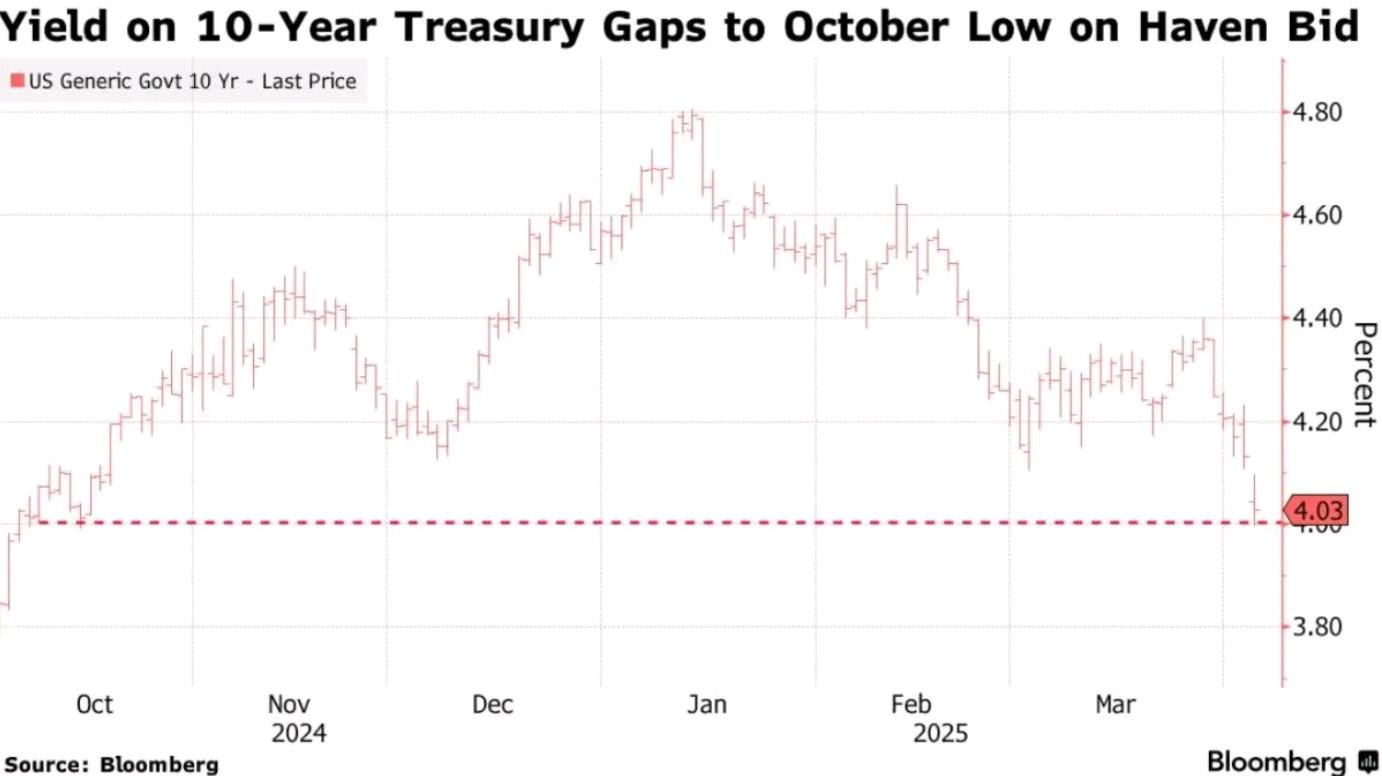
Investors and analysts are locked in a heated debate over the Fed’s next move. Futures markets still bet on multiple 2024 rate cuts, pricing in a 30% chance of a May reduction and over 50% odds for later meetings. Bond markets reflect this optimism, with 10-year Treasury yields briefly dipping below 4% as traders doubled down on dovish bets.
Yet the divide among institutions is stark. UBS Wealth Management urges aggressive action, forecasting up to four cuts. Morgan Stanley, however, scrapped its June rate-cut projection entirely, arguing the Fed cannot ignore inflationary pressures. "The Fed will struggle to ease policy quickly amid this shock," said chief economist Michael Gapen. Evercore ISI’s Krishna Guha captured the uncertainty: "No cuts, two to three cuts, or five-plus cuts in a recession—all scenarios are plausible now."
The central bank’s delayed response mirrors past missteps. UBS’s Pingle likened the situation to 2022, when the Fed lagged behind inflation curves. "They’ll move slowly at first," he cautioned, "only acting decisively once economic damage becomes undeniable."
Dollar in the Danger Zone: A Looming Crisis of Confidence
While stagflation fears dominate headlines, a quieter crisis brews beneath the surface: the dollar’s weakening grip as the world’s reserve currency. Deutsche Bank’s George Saravelos sounded alarms even before the tariff announcement, noting cracks in the dollar’s traditional role as a safe haven. Post-policy, the dollar index plunged 2% to 101.62—a signal, he argues, of deeper structural risks.
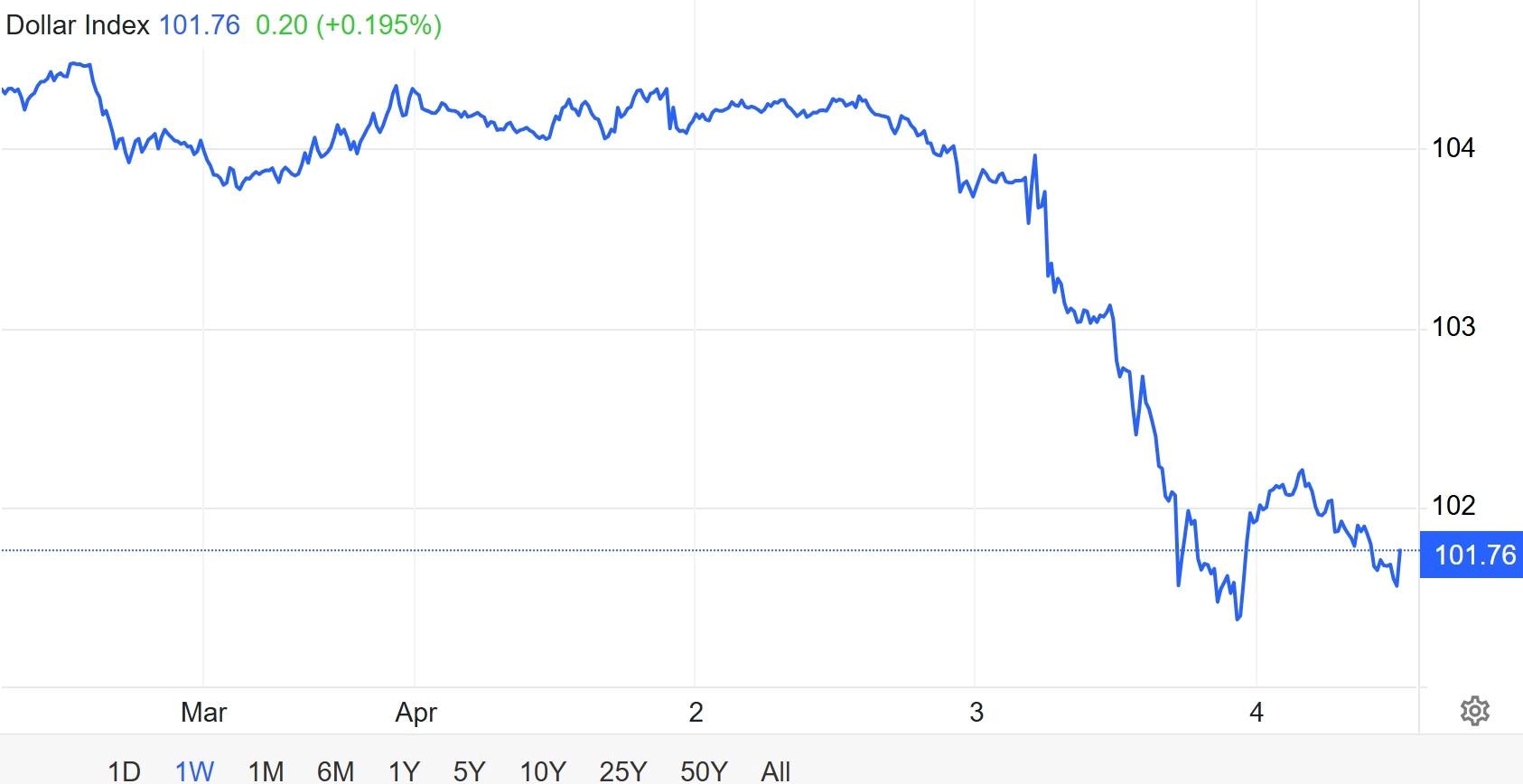
"Investors are losing faith in the dollar’s stability," Saravelos warned. European losses on U.S. assets now exceed those during the 2022-2023 crises, eroding the currency’s appeal. The danger lies in a self-fulfilling capital flight: If the dollar slides further alongside falling equities and rising Treasury term premiums, it could trigger a destabilizing exodus of foreign investments.
America’s chronic current account deficit—which relies on steady capital inflows—leaves it uniquely vulnerable. "A weaker dollar, sinking stocks, and higher bond yields would signal accelerating de-risking from U.S. markets," Saravelos noted. For central banks like the ECB, a tumbling dollar poses fresh headaches, threatening deflationary shocks and unwanted euro strength.
A Global Tipping Point
The market’s verdict is clear: Tariffs have no winners. "International investors will view U.S. assets through a radically different lens," warned Premier Miton’s Neil Birrell. "The U.S. itself may emerge as the biggest casualty of its own protectionism."
As stagflation risks collide with dollar fragility, policymakers face unprecedented challenges. For the Fed, balancing growth and inflation has rarely been trickier. For global investors, the playbook of recent decades—betting on America’s economic resilience and dollar supremacy—no longer applies.
What comes next hinges on whether tariffs evolve from bargaining chips to permanent fixtures. One thing is certain: The rules of engagement for markets, currencies, and trade are being rewritten in real time—and the world is watching nervously.
This content is provided for informational or educational purposes only and does not constitute investment advice.