
Fed Stays on Guard as Tariffs Threaten Inflation Comeback

Federal Reserve Chair Jerome Powell is taking a cautious and calculated stance as the U.S. economy navigates a turbulent landscape marked by higher-than-expected tariffs, lingering inflationary pressures, and mounting policy uncertainties. Speaking on Friday, Powell reiterated the Fed’s unwavering commitment to its dual mandate—maximum employment and stable prices—while signaling that the central bank is in no rush to alter its monetary policy course amid a foggy economic outlook.
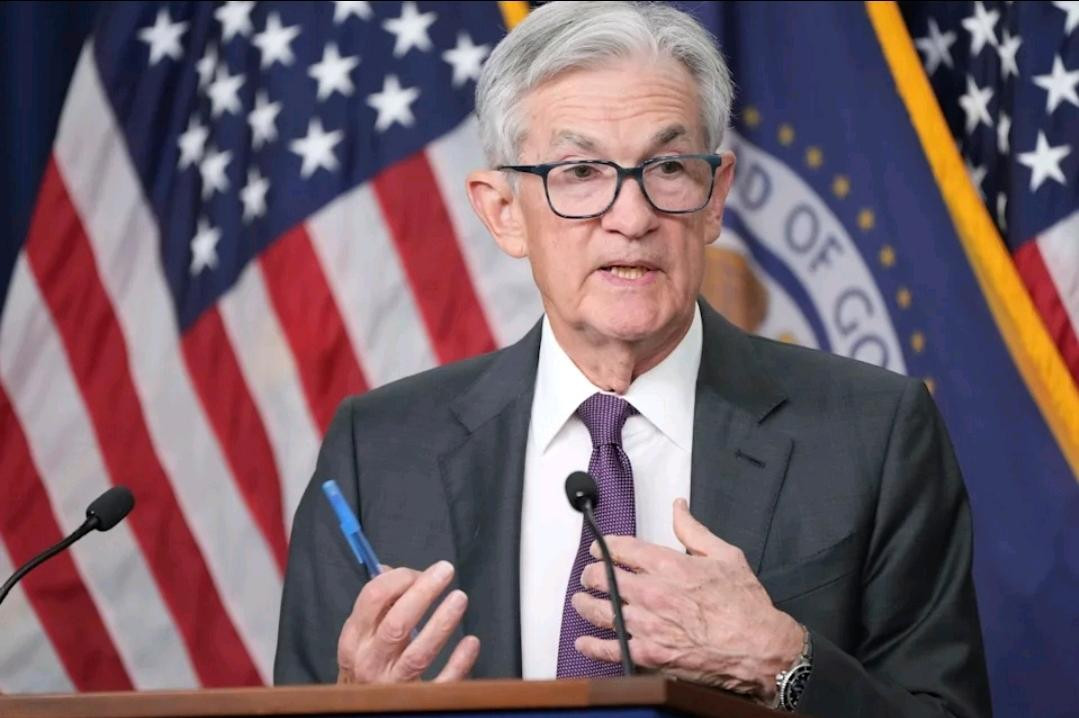
Powell’s message was crystal clear: until there is more clarity around the full scope and impact of the latest policy changes, especially those related to trade, the Fed is holding its ground.
A Strong Economy with Cracks Beneath the Surface
Despite global headwinds and domestic uncertainties, Powell painted a picture of an economy that remains fundamentally healthy. Growth is holding steady, the labor market is resilient, and inflation—while still above the Fed’s 2% target—has eased significantly from its pandemic-era highs.
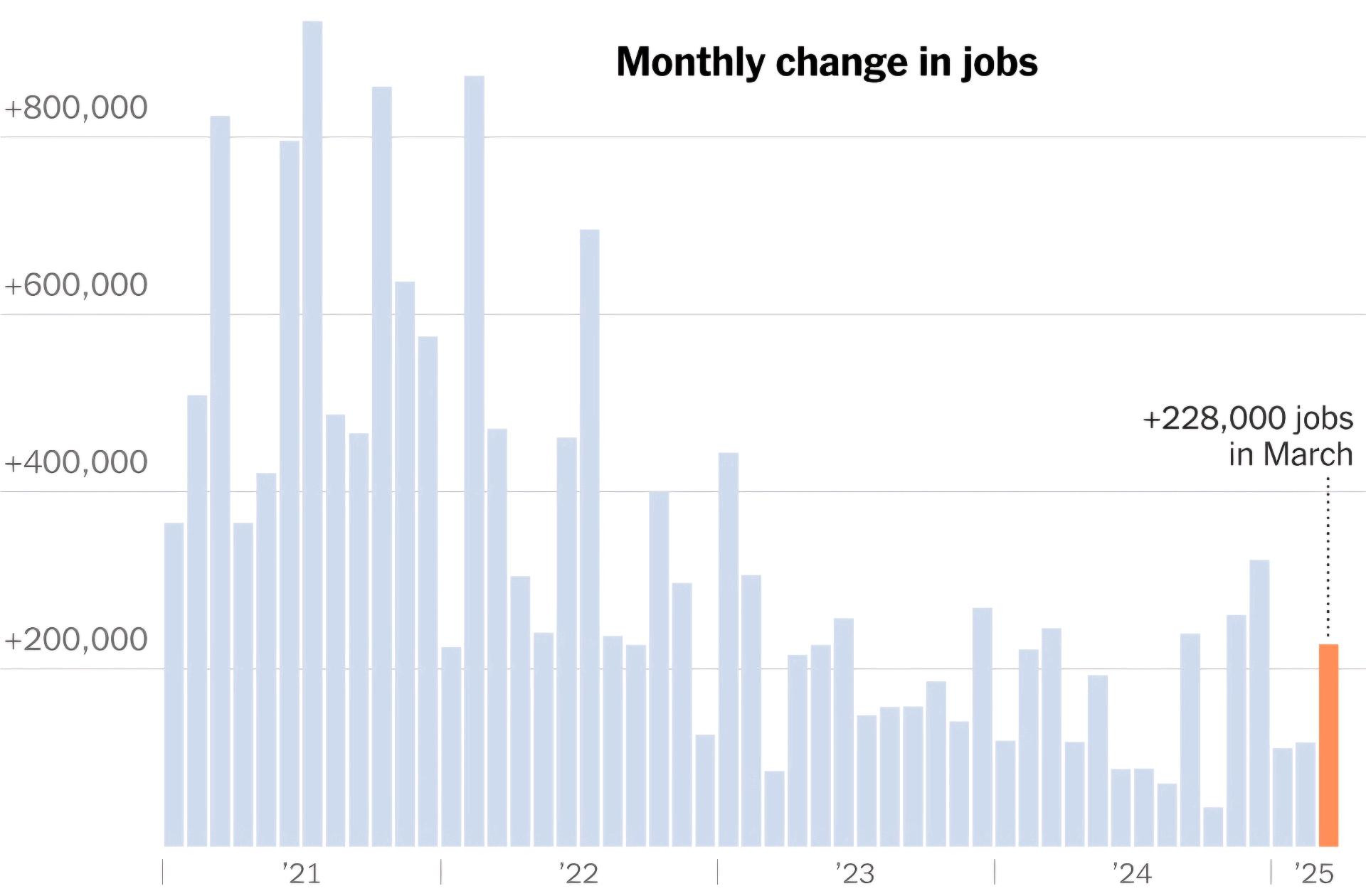
March’s jobs report showed the unemployment rate at 4.2%, with average monthly job gains of 150,000 in the first quarter. Layoff rates are low, and job creation remains robust enough to sustain employment levels without overheating the economy. Powell emphasized that the labor market is “broadly balanced” and is not currently a major driver of inflation.
Inflation, meanwhile, has slowed but remains sticky. The February core personal consumption expenditures (PCE) price index rose 2.8% year-over-year, down from peak levels but still uncomfortably above target. Short-term inflation expectations have nudged higher, partly driven by fears over the knock-on effects of elevated tariffs. However, Powell noted that long-term expectations remain anchored, which is crucial for avoiding a self-fulfilling inflation spiral.
Tariffs in the Spotlight
The elephant in the room throughout Powell’s address was the impact of trade policy—particularly tariffs. With the new administration pushing ahead with aggressive tariff hikes, the Fed finds itself in a tough position: trying to forecast the economic fallout of policy decisions it doesn’t control.
Powell acknowledged that assessing the economic effects of the new tariff regime is “extremely difficult” without knowing key details such as which goods are affected, how long the tariffs will stay in place, and what retaliatory measures might follow from U.S. trade partners. What is known, however, is concerning: the level of tariffs is now higher than almost any forecaster had anticipated, and the potential inflationary consequences could be greater than previously expected.
“It is now clear that the magnitude of the tariff increases will exceed earlier projections,” Powell said, adding that the economic hit could include both elevated inflation and slower growth. While the Fed still sees the inflationary effects as potentially temporary, there’s a growing risk that these shocks could morph into more persistent price pressures.
Policy on Pause, But Not Asleep
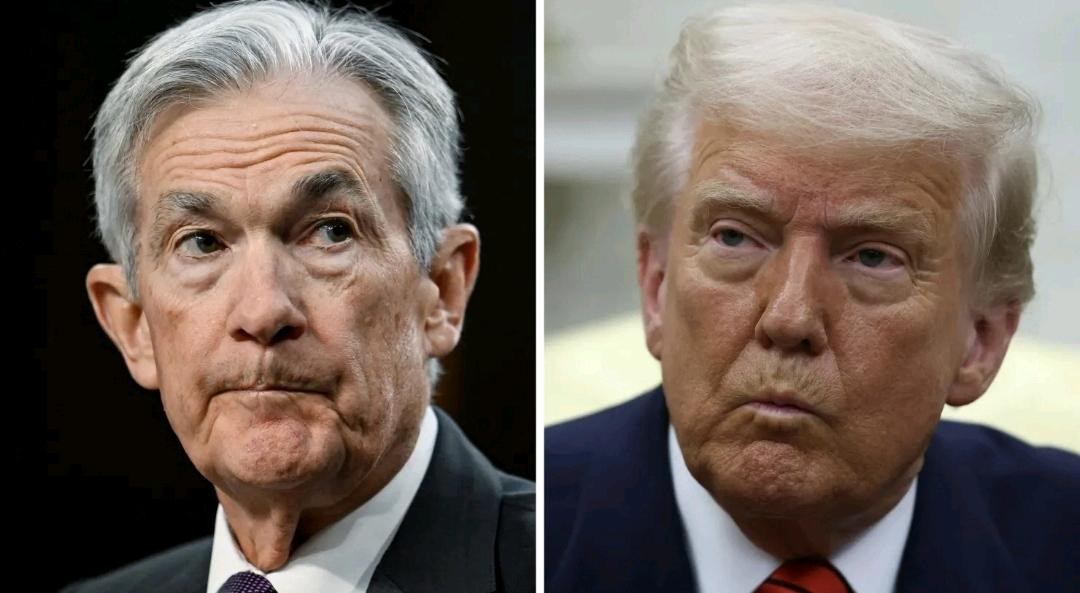
Despite growing calls—from some quarters, including President Donald Trump—for an immediate rate cut, Powell made it clear that the Fed isn’t budging just yet. “We’re in a strong position to wait,” he said, stressing that the central bank will not act hastily in the face of uncertainty. Trump recently called this moment the “perfect time to cut rates,” criticizing Powell for being too slow to respond. But Powell is taking a long view, warning against premature decisions that could undermine the Fed’s credibility and its long-term goals.
The Fed is still projecting two rate cuts in 2025, a forecast based on a scenario where the conflicting forces of slower growth and higher inflation essentially cancel each other out. Powell emphasized that this outlook is conditional and will be adjusted as more data comes in. For now, though, the emphasis is on staying flexible and letting the numbers guide the path forward.
“Until we have greater clarity on how trade and fiscal policies will unfold, and their broader impact on the economy, it is too early to declare a definitive path for monetary policy,” Powell said.
Eyes on the Horizon
Looking ahead, Powell suggested that some of today’s uncertainty may lift over the next year as the economic effects of recent policy changes become more transparent. “As the impacts of the Trump administration’s policies become clearer, we expect to gain a better understanding of the likely economic trajectory,” he noted.
Still, Powell made it clear that vigilance is key. The Fed will continue to monitor data closely, particularly inflation trends, employment dynamics, and financial conditions. Its top priority remains preventing a temporary price shock from turning into entrenched inflation—and ensuring that expectations among consumers and businesses remain stable.
Final Word
At a time when the U.S. economy stands at a crossroads, Powell’s message is one of patience, prudence, and preparedness. While external pressures such as tariffs and policy shifts may cloud the outlook, the Fed is not letting panic set the course. Instead, it’s watching, waiting, and ready to act—but only when the path becomes clear.
In today’s high-stakes environment, staying still might just be the smartest move.
This content is provided for informational or educational purposes only and does not constitute investment advice.