
As Trump Raises Tariffs, the World Strikes Back—and the Real Game Begins

On April 2nd, Trump made a bold announcement from the White House Rose Garden: imposing reciprocal tariffs on over 60 countries with which the U.S. has a trade deficit. This move isn’t just about adjusting tariffs—it’s part of a bigger plan to reshape global trade and establish a new, more unilateral economic order.
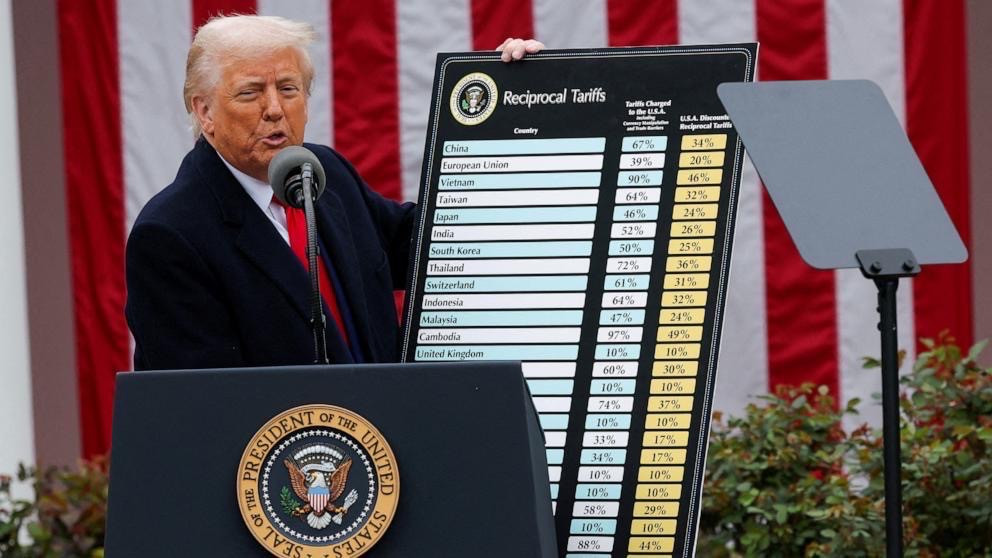
The market reacted swiftly. On April 3rd, U.S. stocks plunged sharply: the Nasdaq dropped 5.97%, the S&P 500 fell 4.84%, and the Dow Jones dropped nearly 1,700 points—its largest single-day drop in five years. But the panic isn’t just about the new tariffs; it’s about the unpredictability this creates for the global economy.
A Long-Term Strategy, Not Just Tariffs
Trump’s tariffs seem to be aimed at fixing trade imbalances, but digging deeper, it’s clear this is a multi-layered strategy with three overarching goals:
• Rebuilding global supply chains, pulling more production back to the U.S.;
• Weakening the negotiating power of other countries to shift global trade dynamics in the U.S.’s favor;
• Creating uncertainty in the global economy to ultimately strengthen U.S. dominance in global markets.
Tariffs are simply one tool in this broader strategy. The real objective is to disrupt the existing global order and pave the way for a new U.S.-centric global framework.
Countries Respond Differently: A Game of Leverage
Countries have responded in various ways to Trump’s tariffs. Their reactions depend largely on their economic strength and ability to negotiate from a position of power. Let’s break it down:
1. Countries That Want to Avoid Conflict
Countries like Argentina, Vietnam, Israel, Australia, and South Korea are walking a fine line. Their economies depend heavily on the U.S., so they’ve quickly announced either the removal of all tariffs or signaled they won’t retaliate. Their stance is clear: “Let’s not escalate this conflict unnecessarily.”
For these nations, the key is avoiding major disruptions and maintaining their access to the U.S. market.
2. Countries Looking for Negotiation Leverage
Countries like the UK, Canada, India, Japan, and Mexico are stronger players. They aren’t afraid to respond to U.S. tariffs but know that blow-for-blow retaliation isn’t the best strategy. Instead, they are retaliating selectively, often with limited countermeasures, while signaling their willingness to negotiate:
• The UK has published a list of retaliatory tariffs but emphasized they seek talks to resolve the issue.
• India plans to reduce tariffs soon, showing its desire to work out a deal.
• Canada is pushing for zero tariffs in future deals, aiming to strike a fair compromise.
These countries are looking to secure favorable terms in future negotiations, without escalating the situation into an all-out trade war.
3. Countries Ready to Fight Back
Countries like China and the European Union are in a much stronger position to push back. China has announced a 34% tariff on U.S. goods, which surprised the market. Similarly, the EU plans its own countermeasures. Germany called the U.S. move “unacceptable,” and France has already locked in retaliatory tariffs.
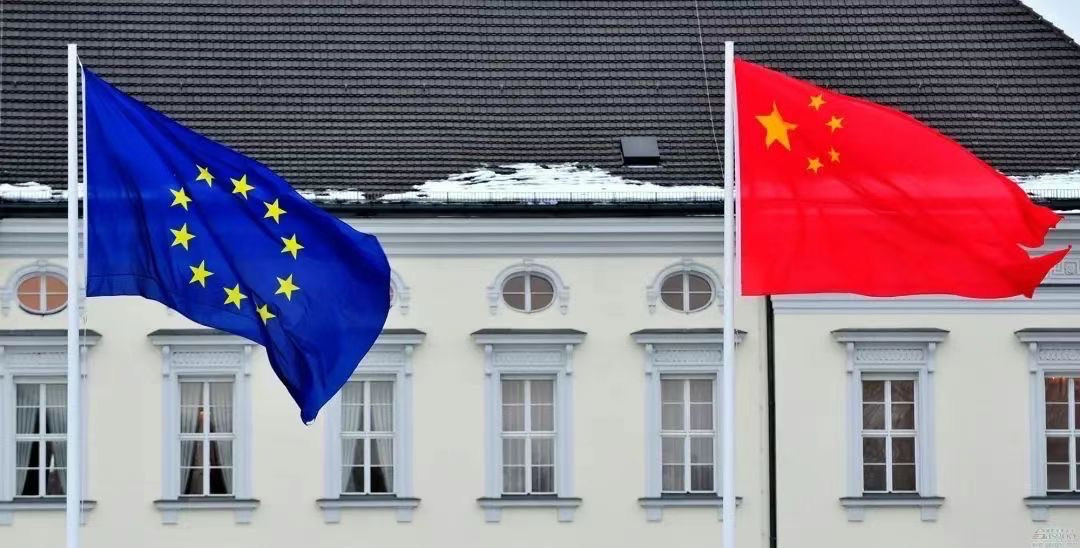
These nations are using tariffs strategically to secure negotiation leverage. They understand that taking a hard stance is important to avoid weakening their bargaining power in future talks. This is not just about retaliation—it’s about positioning themselves for a better deal when discussions resume.
The Uncertainty Beyond Tariffs
The real reason markets are panicking isn’t simply the tariffs—it’s the uncertainty they introduce. The global economy, which was once driven by stable trade rules and agreements, is now in flux. The rules-based system that governed trade for decades is slowly being replaced by a more power-driven, unpredictable approach.
Even small changes in trade policy can create massive ripple effects. Countries are now being forced to choose sides or adopt a more neutral stance to maintain their economic interests, but this creates a domino effect of uncertainty, making it harder for businesses to plan ahead.
Conclusion: The End of Old Rules, The Rise of New Strategies
Trump’s tariff strategy is more than an economic shift—it’s a redesign of how global trade operates. The old system, based on stable rules and predictable behavior, is being replaced by a new world order defined by economic power, unpredictability, and strategic maneuvering.
For investors, this means navigating volatility and uncertainty will become the norm. The key takeaway is that this isn’t just about tariffs—it’s about global power dynamics. As we move forward, expect more disruptions, more power plays, and ultimately, a new economic framework that reflects the growing influence of the U.S.
As the situation unfolds, stay tuned—this is just the beginning of a much larger economic game.