
Global Trade Braces for Shockwaves as Trump Tariffs Meet Europe’s Unprecedented Counterstrike

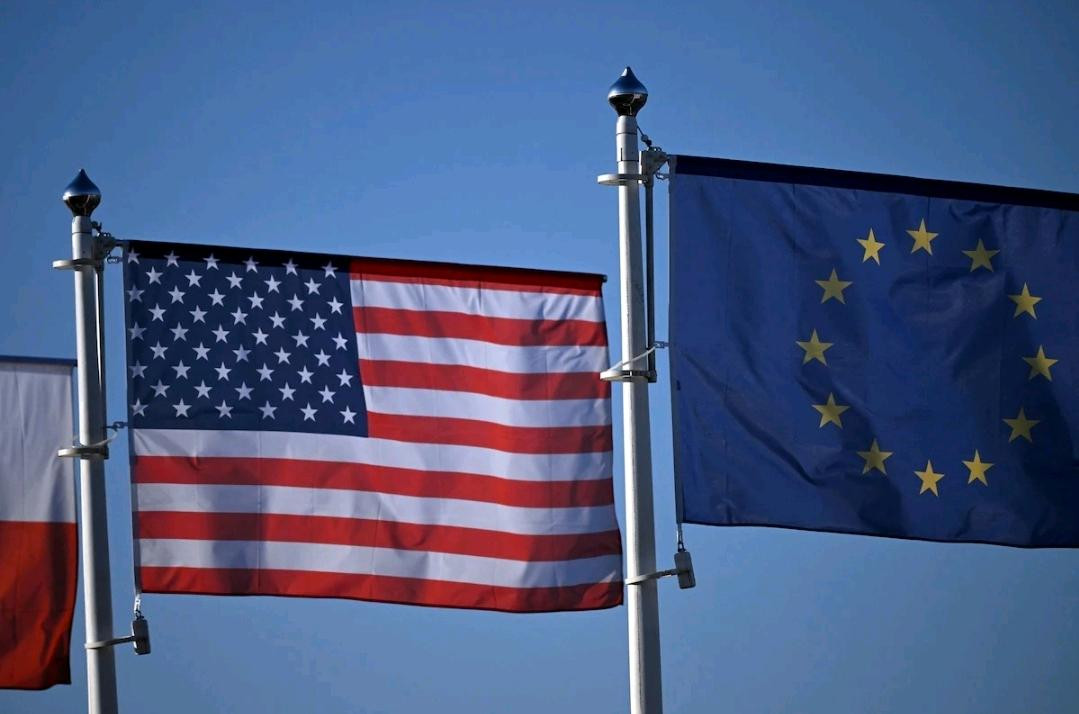
The global trade landscape faces a tectonic shift as the Trump administration escalates its tariff offensive, triggering a historic response from the European Union. What began as targeted trade skirmishes has erupted into a full-scale economic confrontation, testing international alliances and rewriting the rules of global commerce.
Trump’s Tariff Onslaught: A Three-Stage Escalation
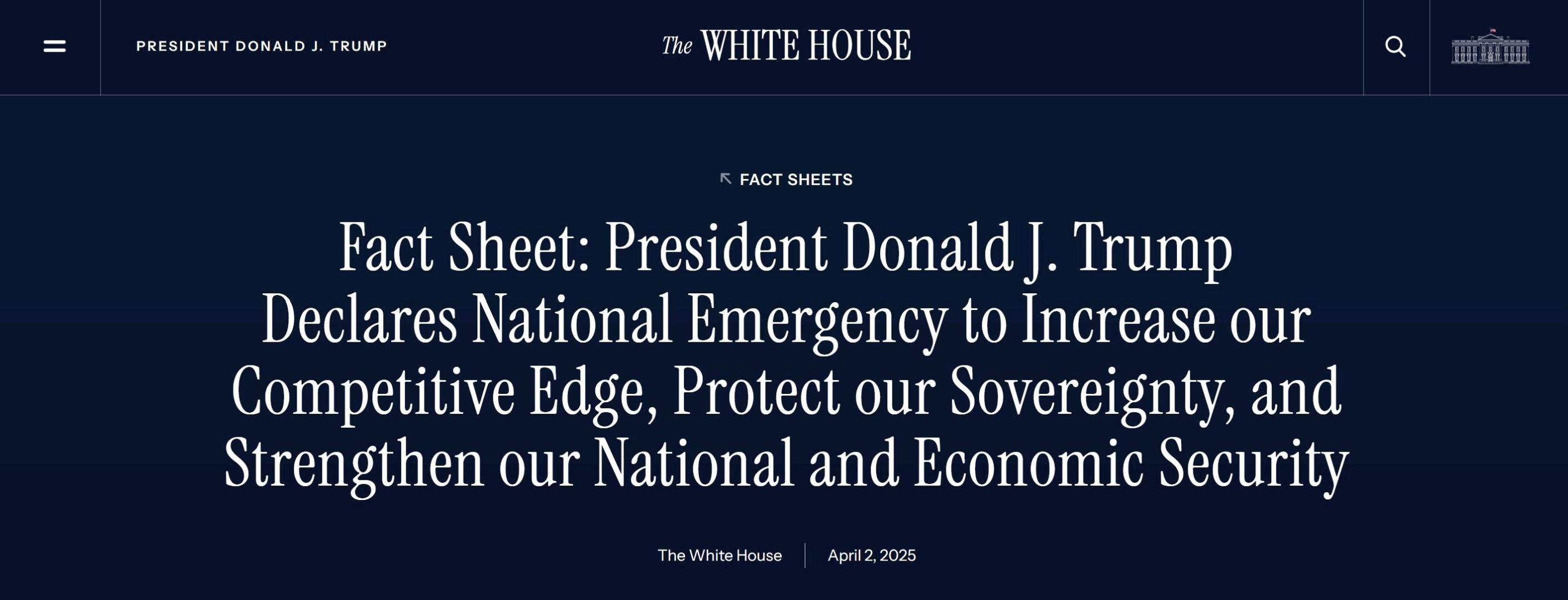
The U.S. unleashed its most aggressive tariff campaign in decades on April 2, imposing a 10% baseline tariff on all trading partners while targeting specific nations with punitive rates—34% on China, 46% on Vietnam, and 26% on India. This move, justified under the International Emergency Economic Powers Act (IEEPA), bypassed Congressional approval and shattered market expectations. The administration framed it as a tool to force “fair reciprocity,” demanding allies align with U.S. economic and national security interests for tariff relief.
Phase 1: The Opening Salvo (February–March 2024)
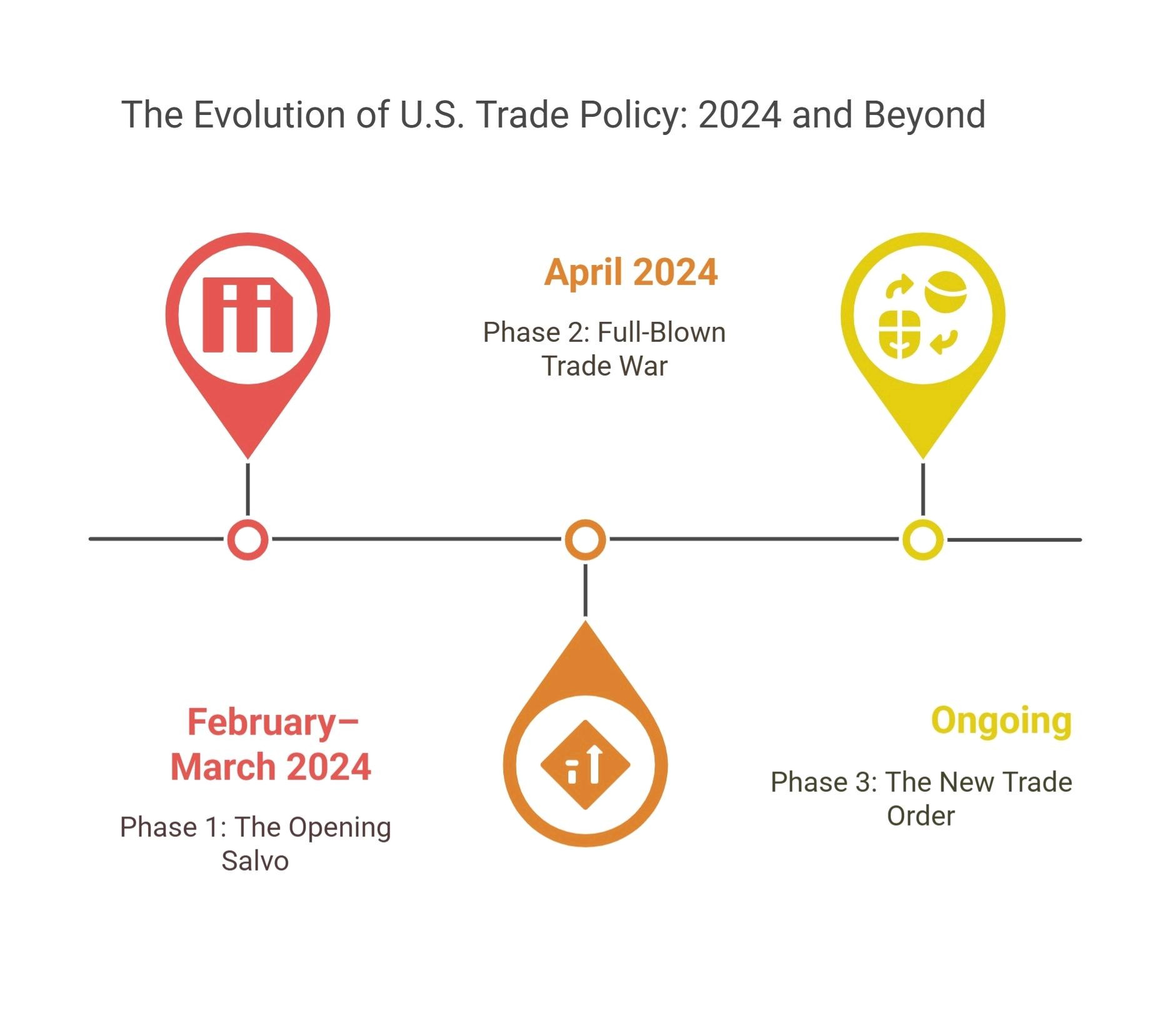
The Trump administration first targeted strategic rivals and neighbors. China faced an immediate 20% across-the-board tariff hike, while Mexico and Canada saw 25% duties on non-USMCA compliant goods. Steel, aluminum, and auto parts—deemed critical to national security—bore the brunt, with rates soaring to 26.8% and 28.4%, respectively.
Phase 2: Full-Blown Trade War (April 2024)
April’s “equalizing tariffs” marked a dramatic escalation. Beyond the universal 10% levy, high-deficit nations faced steeper penalties. China’s average tariff rocketed to 73.3%, while Vietnam and Thailand saw rates hit 48.2% and 38.2%. Crucially, this breached WTO “most-favored-nation” principles, signaling a rejection of multilateral frameworks.
Phase 3: The New Trade Order (Ongoing)
The administration now pivots to bilateral deals, offering tariff reductions for compliance. Nations must either slash trade barriers or align geopolitically with Washington. This stage could dismantle WTO norms entirely, replacing them with a patchwork of U.S.-centric agreements.
Europe’s “Trade Rocket Launcher” Readies Fire
As U.S. tariffs batter €360 billion in EU exports, Brussels is preparing an unprecedented counterstrike: deploying its newly minted Anti-Coercion Instrument (ACI). Dubbed the “trade rocket launcher,” the ACI allows retaliatory measures far beyond traditional tariffs. France, Germany, and Spain advocate targeting America’s economic crown jewels—tech services, financial sectors, and intellectual property rights.
“You must strike where it hurts most—services,” argued former EU trade chief Karl Falkenberg. Proposals include blocking U.S. software updates, revoking patent protections, and restricting Wall Street’s access to European markets.
Italy Emerges as Wildcard
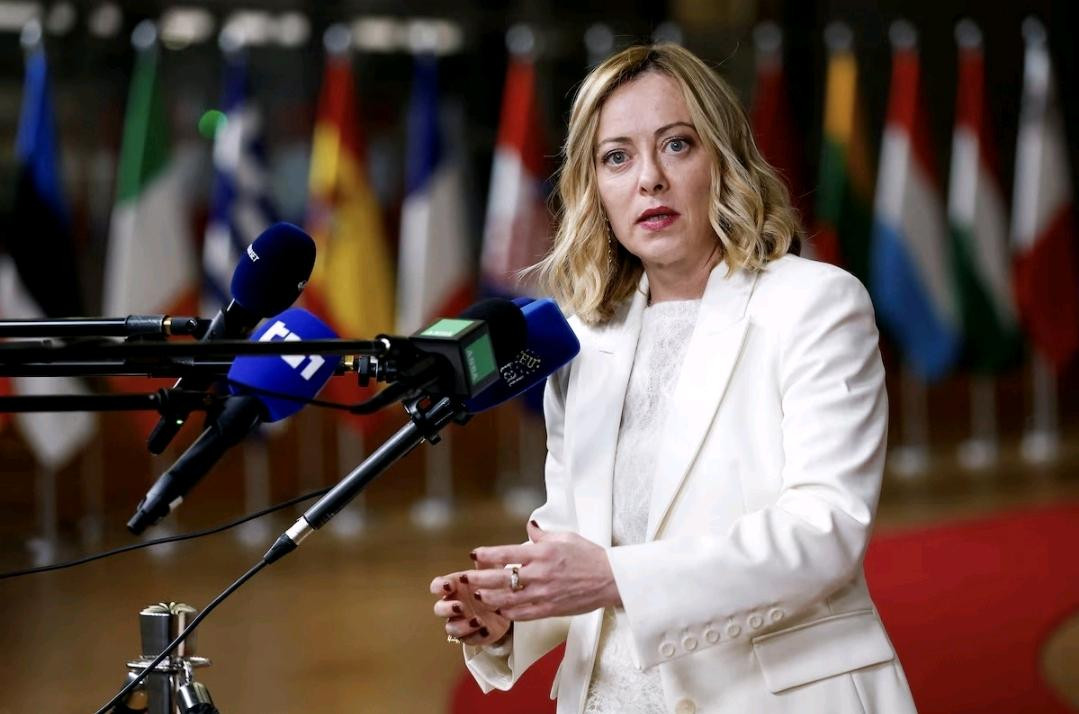
The plan faces fierce resistance from Italy, whose Prime Minister Giorgia Meloni warns against “doubling down on tariffs.” With the U.S. as Italy’s second-largest export market, Meloni urges diplomacy over escalation, even suggesting EU reforms to reduce internal regulatory burdens. Her stance threatens to derail the ACI, which requires majority support but can be blocked by a “weighted minority” of nations.
Rome isn’t alone. Hungary, Greece, and Ireland also hesitate, fearing economic blowback. As one EU diplomat warned, “This is about protecting Europe—we all must endure some pain to pressure Washington.”
A Fragmented Future
The collateral damage is mounting. U.S. import costs have skyrocketed, with average tariffs jumping from 2.2% to 20%. China’s manufacturing sectors face existential strain under 50-70% duties, while Vietnam’s export-driven economy reels from redirected Chinese trade flows.
For businesses, the rules of global trade are being rewritten overnight. Supply chains forged over decades now face abrupt rerouting. As the Peterson Institute notes, U.S.-China tariffs alone have already cost consumers $51 billion annually—a figure set to balloon under Trump’s latest measures.
The Stakes: More Than Economics
This clash transcends trade balances. At its core lies a battle over geopolitical influence. By demanding “alignment on national security,” Washington seeks to cement alliances against China while fracturing EU unity. Europe’s response—whether fragmented or united—could determine the West’s economic cohesion in an era of renewed great-power rivalry.
As the tariff war enters uncharted territory, one truth emerges: the global trading system built post-1945 is crumbling. What replaces it—a U.S.-dominated network of bilateral deals or a fractured, adversarial landscape—will reshape economies for generations.
The world holds its breath.
This content is provided for informational or educational purposes only and does not constitute investment advice.