
Trade Wars, Market Chaos, and the Fed’s Dilemma: Is the U.S. Economy Headed for a Perfect Storm?

A dramatic selloff gripped global markets last week as investors scrambled for safety, abandoning everything from stocks to traditional havens like gold and U.S. Treasuries. The panic, triggered by escalating trade tensions and fears of economic stagnation, has left Wall Street questioning whether liquidity risks are bubbling beneath the surface—and whether the Federal Reserve can steer the economy away from disaster.
Liquidity Fears Emerge Amid Market Meltdown
Friday’s trading session saw nearly every asset class plunge except the U.S. dollar, a rare scenario signaling potential liquidity stress. The VIX volatility index, often dubbed the "fear gauge," surged to its highest level since the 2020 pandemic crash, hinting at forced liquidations or margin calls in equity markets. However, analysts at China International Capital Corporation (CICC) noted that critical indicators in credit markets, interbank lending rates, and offshore dollar liquidity remain stable—for now. "If stress spreads to these areas, the Fed would have no choice but to intervene," the report stated. "But with chaos confined to stocks, policymakers might stay sidelined."
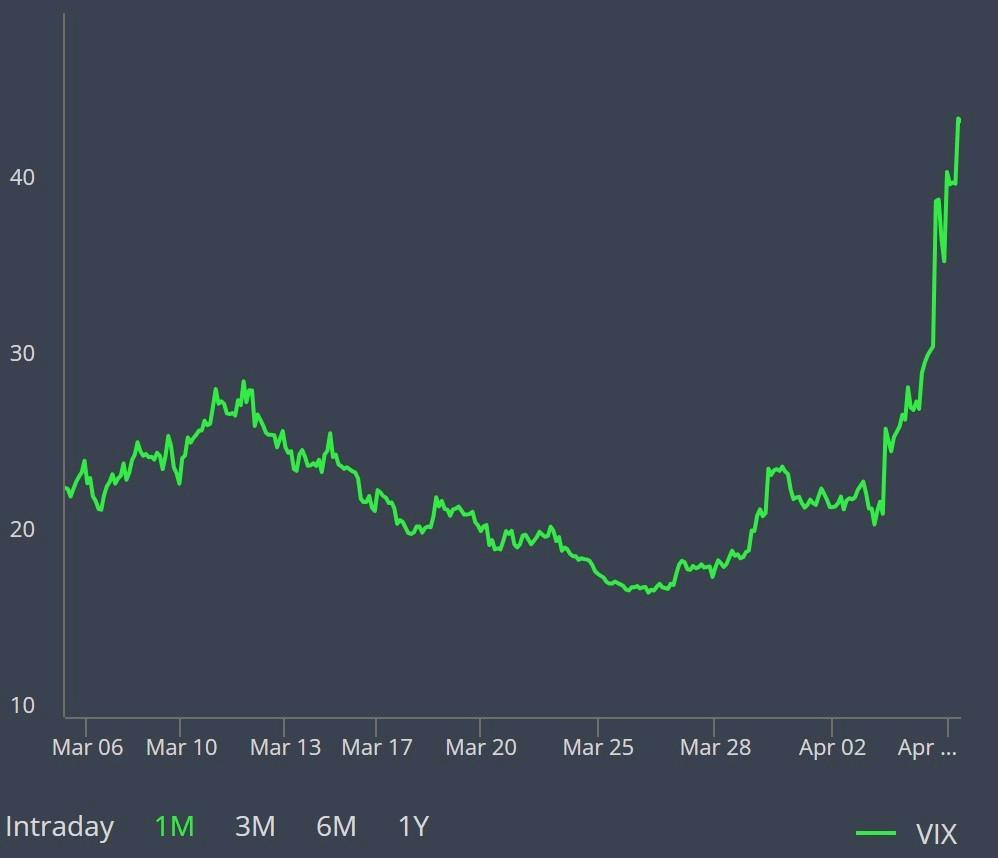
This raises a critical question: Is this a fleeting panic or the precursor to systemic risks? While equity investors bear the immediate pain, the absence of broader financial system strain suggests markets are still absorbing shocks rather than collapsing.
JPMorgan’s Recession Warning: Tariffs Ignite "Stagflation" Threat
The storm’s catalyst lies in Washington. Morgan Stanley delivered a stark diagnosis: President Trump’s sweeping global tariffs, announced Wednesday, will push the U.S. into recession this year. The bank slashed its 2024 GDP growth forecast to -0.3% (from 1.3%), predicting unemployment will rise to 5.3% as hiring freezes spread.
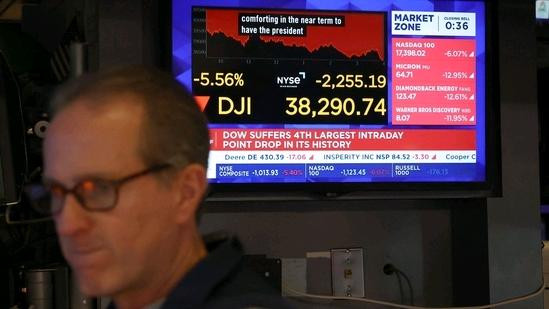
"The tariffs will force a historic macroeconomic adjustment," warned UBS economist Jonathan Pingle, projecting a 20% drop in U.S. imports—a retreat to 1980s-era trade levels. The fallout is already evident: The S&P 500 has erased $5.4 trillion in two days, hitting an 11-month low.
But the graver risk, according to JPMorgan, is stagflation—a toxic mix of stagnant growth and persistent inflation. The bank expects core inflation to climb to 4.4% by year-end even as the economy contracts, creating a policy nightmare for the Fed. "Substantial labor market weakening will ultimately compel rate cuts," said JPMorgan’s Michael Feroli, forecasting six consecutive rate reductions starting in June, slashing rates from 4.25%-4.5% to 2.75%-3% by January 2025.
Trump’s Defiance vs. Market Realities
Amid the turmoil, President Trump doubled down on his trade agenda. "My policies will NEVER change," he declared on social media, celebrating a stronger-than-expected March jobs report showing 228,000 new positions. "Investors will get RICHER than ever!"
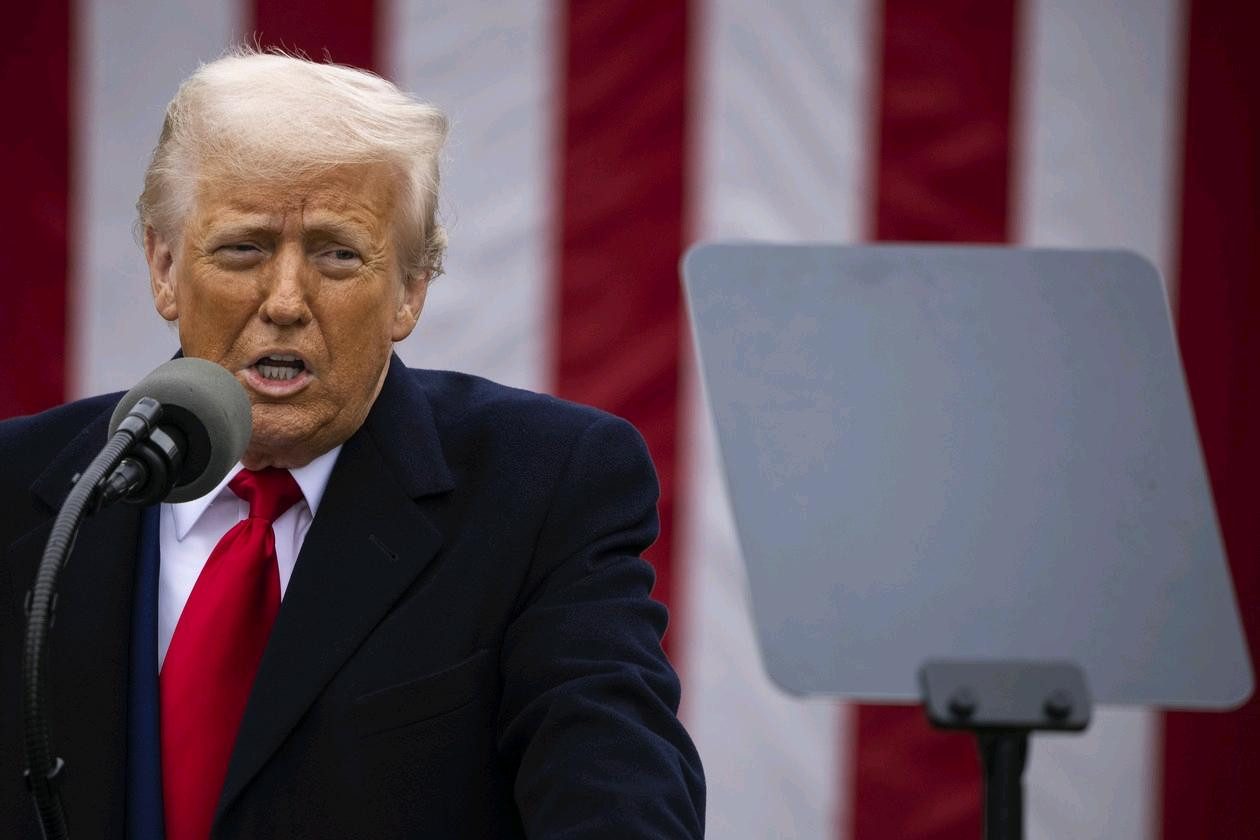
Yet the optimism clashes with reality. China’s retaliatory 34% tariff on all U.S. goods sent oil prices cratering to four-year lows and global stocks into a tailspin. Meanwhile, Trump’s own TikTok video reshared Friday—claiming he’s "intentionally roiling markets to pressure the Fed"—added fuel to speculation about political interference in monetary policy.
The Fed’s Impossible Choice
The central bank now faces a lose-lose scenario. While futures traders bet on a full percentage point of rate cuts this year, Chair Jerome Powell signaled caution Friday: "We don’t need to be in a hurry." His remarks followed a jobs report showing resilient hiring but rising unemployment (4.2%, up from 4.0%).
Analysts argue the Fed’s hands may soon be tied. "If stagflation materializes, policymakers must choose between fighting inflation or rescuing growth," noted Feroli. "Weak wages could tip the scales toward stimulus, but credibility risks remain."
A Global Economy on Edge
Wall Street isn’t alone in sounding alarms. Barclays predicts a 2025 U.S. recession, Citi cut its 2024 growth outlook to 0.1%, and UBS warned of "violent" market adjustments. Investors now confront a landscape where trade wars, political brinkmanship, and policy uncertainty converge—a recipe for volatility unseen since the pandemic.
As Trump’s tariffs reshape supply chains and inflation lingers, the world’s largest economy stands at a crossroads. Will the Fed’s potential rate cuts soften the blow, or will markets face a prolonged storm? For now, cash remains king—but the rules of this game are changing by the hour.
This content is provided for informational or educational purposes only and does not constitute investment advice.