
Stagflation Nightmare Looms as Fed Balances Trump Tariffs Against Market Panic

The U.S. economy stands at a perilous crossroads as Federal Reserve Chair Jerome Powell resists pressure to deploy emergency rate cuts amid escalating trade wars, while markets revolt by pricing in five Fed rate reductions this year. Goldman Sachs now warns of a 45% chance of recession within 12 months—a 10-point spike driven by what analysts describe as "the most disruptive trade policies in modern history."
Recession Alarm Bells Ring Louder
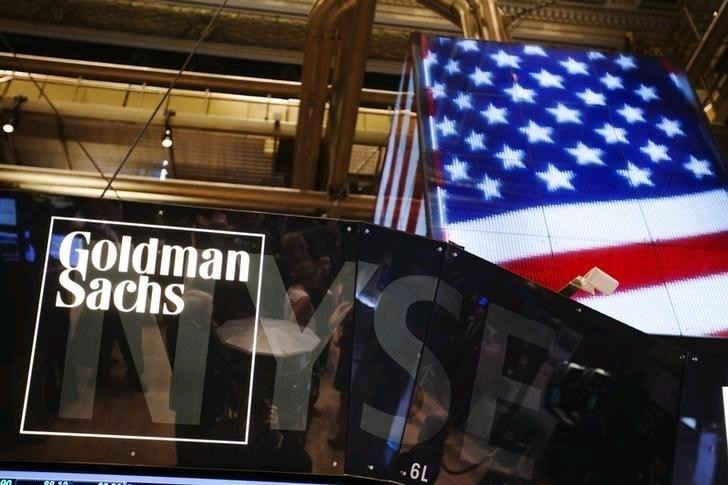
Goldman Sachs has sounded its loudest warning yet, slashing its 2025 GDP growth forecast to 0.5% while dramatically upgrading recession odds. "This isn't ordinary turbulence—it's a policy-driven storm," warns chief economist Jan Hatzius. The bank's models suggest Trump's proposed tariffs could rocket average U.S. import duties from 2.5% to 25%, potentially triggering a 20% effective tariff rate that would "make recession unavoidable." Even under its baseline scenario, Goldman brings forward its Fed rate cut forecast to June, anticipating three consecutive reductions followed by an aggressive 200-basis-point easing cycle if contraction hits.
Market Rebellion Challenges Fed Resolve
Traders have declared open revolt against Powell's cautious stance, with overnight swaps now pricing 125 basis points of cuts by December—equivalent to five quarter-point moves. The two-year Treasury yield cratered to 2022 lows as JPMorgan strategists predict uninterrupted rate reductions at every Fed meeting through January 2026. "This is extreme macro uncertainty on steroids," says PIMCO CIO Daniel Ivascyn, noting the unprecedented collision of entrenched inflation and fresh stagflation risks from tariffs. JPMorgan's Bruce Kasman warns the Fed may have no choice but to slash rates to 3% by early 2025, labeling current trade policies "recession-grade disruption."
Powell’s High-Wire Act
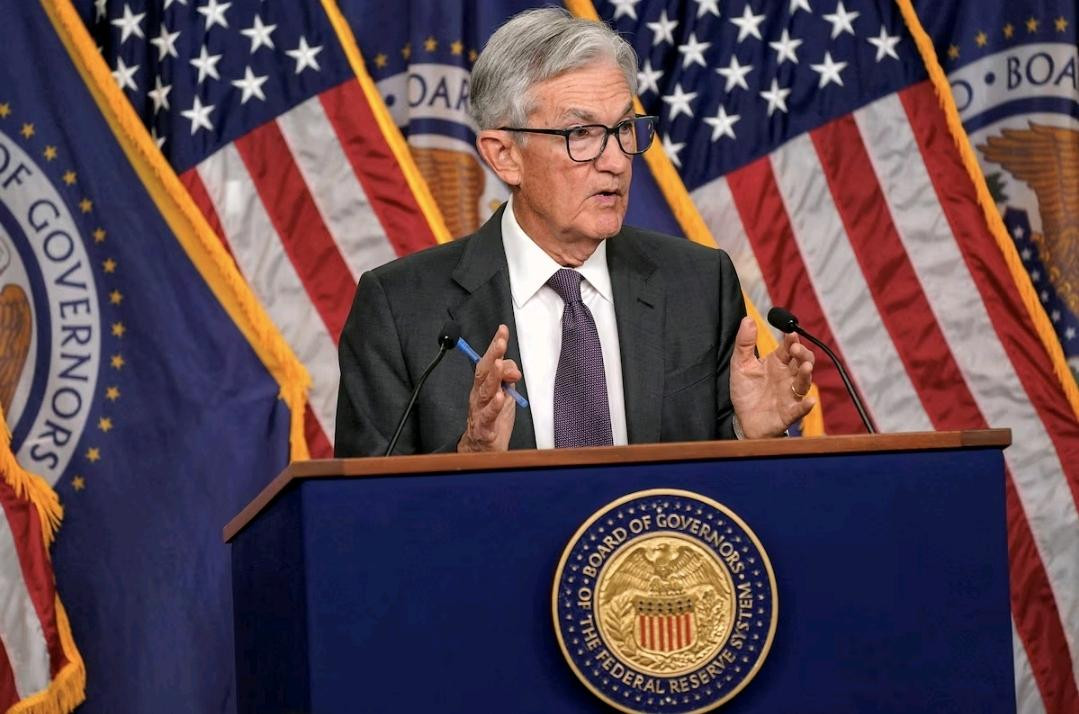
The Fed chair finds himself trapped between Scylla and Charybdis—resisting the "Fed put" that markets demand while navigating Trump's tariff bombshell. "We’re not like the 1970s," Powell insists, downplaying comparisons to stagflation’s heyday. Yet his toolbox looks increasingly inadequate as analysts calculate tariffs could add 1+ percentage points to inflation within a year, blowing past the Fed’s 2% target. Former Fed Vice Chair Alan Blinder observes Powell’s primary mission now is "killing hopes for swift, deep cuts" despite Wall Street’s addiction to central bank bailouts—a dependency dating to the 1987 "Greenspan put."
Trump’s Economic Gambit
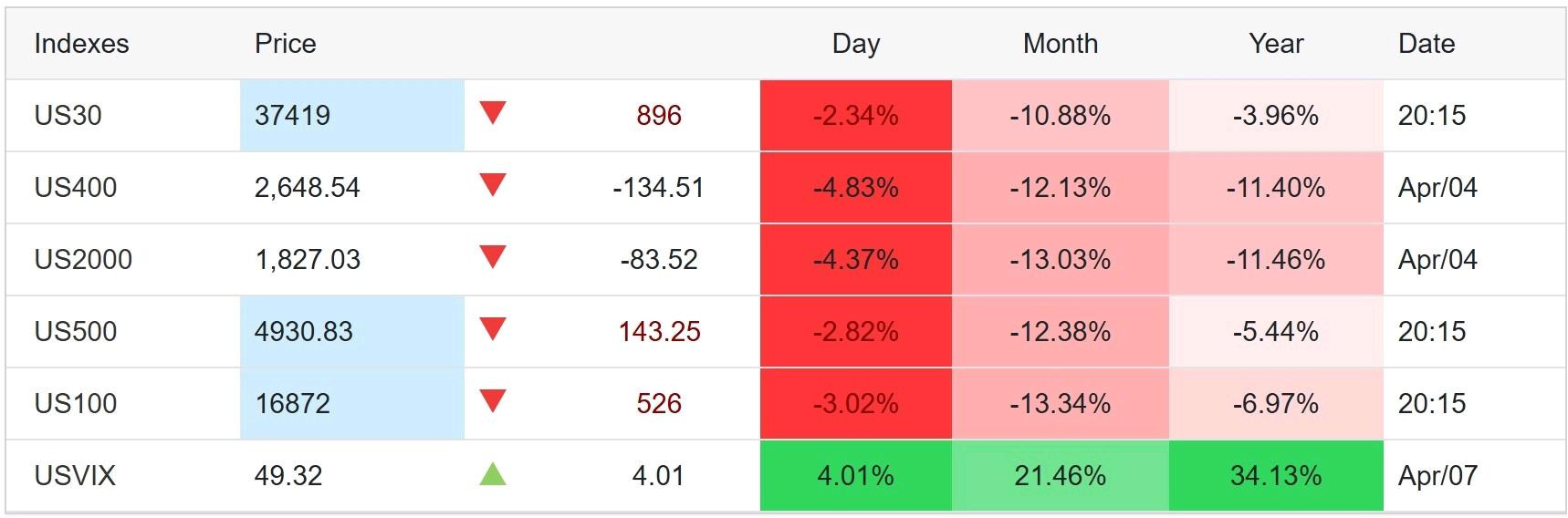
The White House remains defiant as equity markets hemorrhage $5 trillion in two days. "Forget the markets—we hold all the cards," Trump declared aboard Air Force One, dismissing inflation concerns while demanding rate cuts. Economists counter that his tariff blitz creates lose-lose dynamics: immediate consumer price spikes followed by demand destruction. BBH strategist Elias Haddad notes the irony: "This is a self-inflicted crisis. Why would the Fed rescue markets from political decisions?"
The Stagflation Equation
Here’s the nightmare math keeping policymakers awake:
• +10% Tariff Shock: Import costs could jump 10x overnight
• +1% Inflation: Consumer prices face sustained upward pressure
• -0.5% GDP: Growth forecasts halved as business investment freezes
• = Policy Paralysis: Rate cuts fuel inflation; rate hikes accelerate downturn
As Powell pleads for patience—"The right approach now is watchful waiting"—the clock ticks toward an April 9 tariff implementation date that could redefine America’s economic trajectory. With neither Washington nor Wall Street backing down, the Fed’s next move may determine whether 2024 becomes remembered as the year of controlled cooling…or the return of 1970s-style economic chaos.
This content is provided for informational or educational purposes only and does not constitute investment advice.