
Beyond Tariffs: The Bigger Move by the U.S. That Could Reshape Global Markets

Lately, everyone’s been talking about Trump’s new tariff push. But in my view, something far more consequential is quietly unfolding in Washington—something that could trigger a fresh wave of volatility across global financial markets in the coming months.
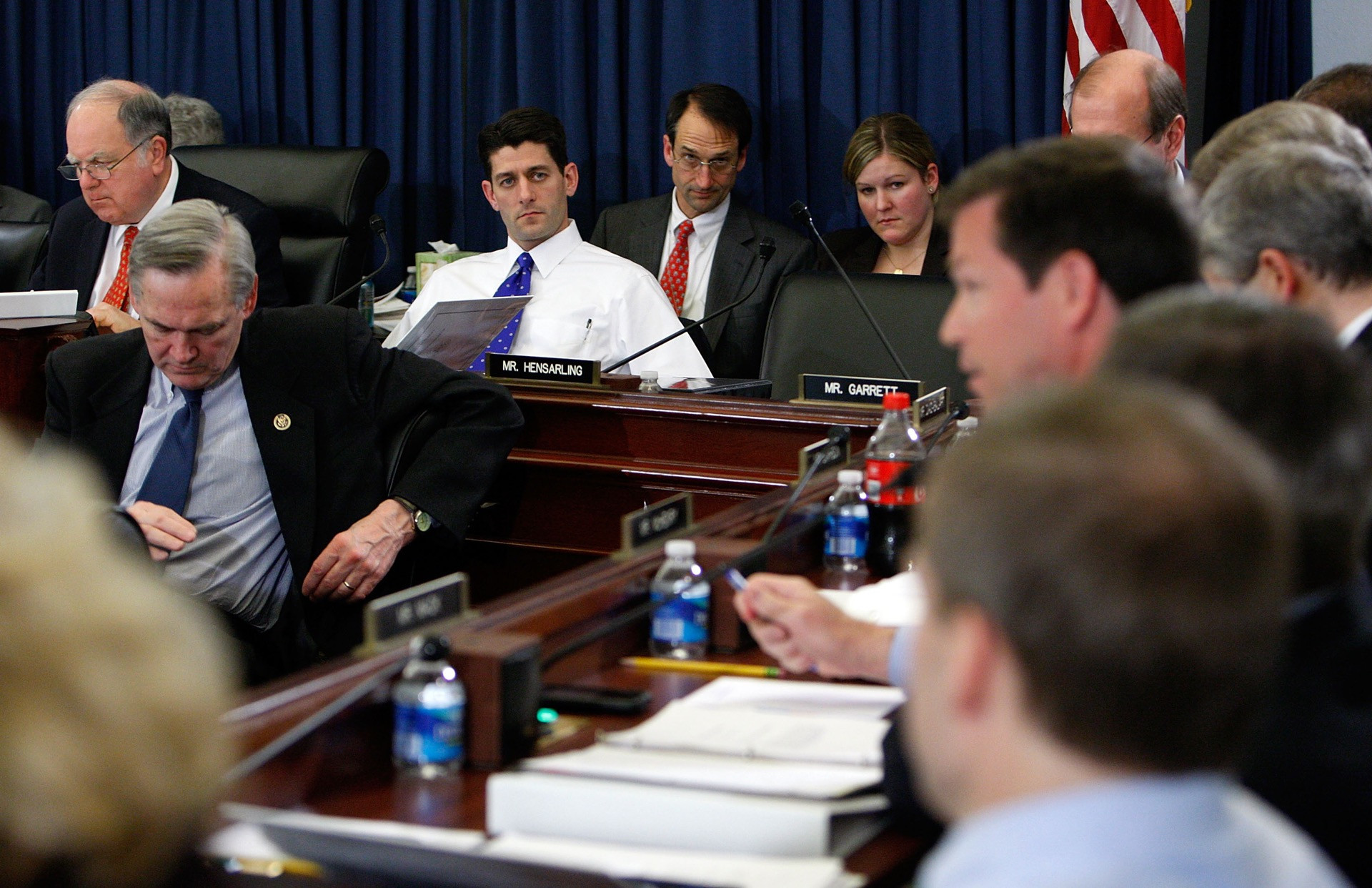
The U.S. Senate has just passed a budget reconciliation resolution, which essentially opens the door to massive tax cuts and a significant increase in the debt ceiling.
Here’s what this means in plain terms:
• Up to $5 trillion in tax cuts are now back on the table.
• The debt ceiling could rise by another $5 trillion, paving the way for a surge in U.S. Treasury issuance.
• This could spark structural risks in bond markets, with ripple effects across equities, currencies, and interest rates.
Let me break it down further.
Why Is This Round of Tax Cuts So Massive?
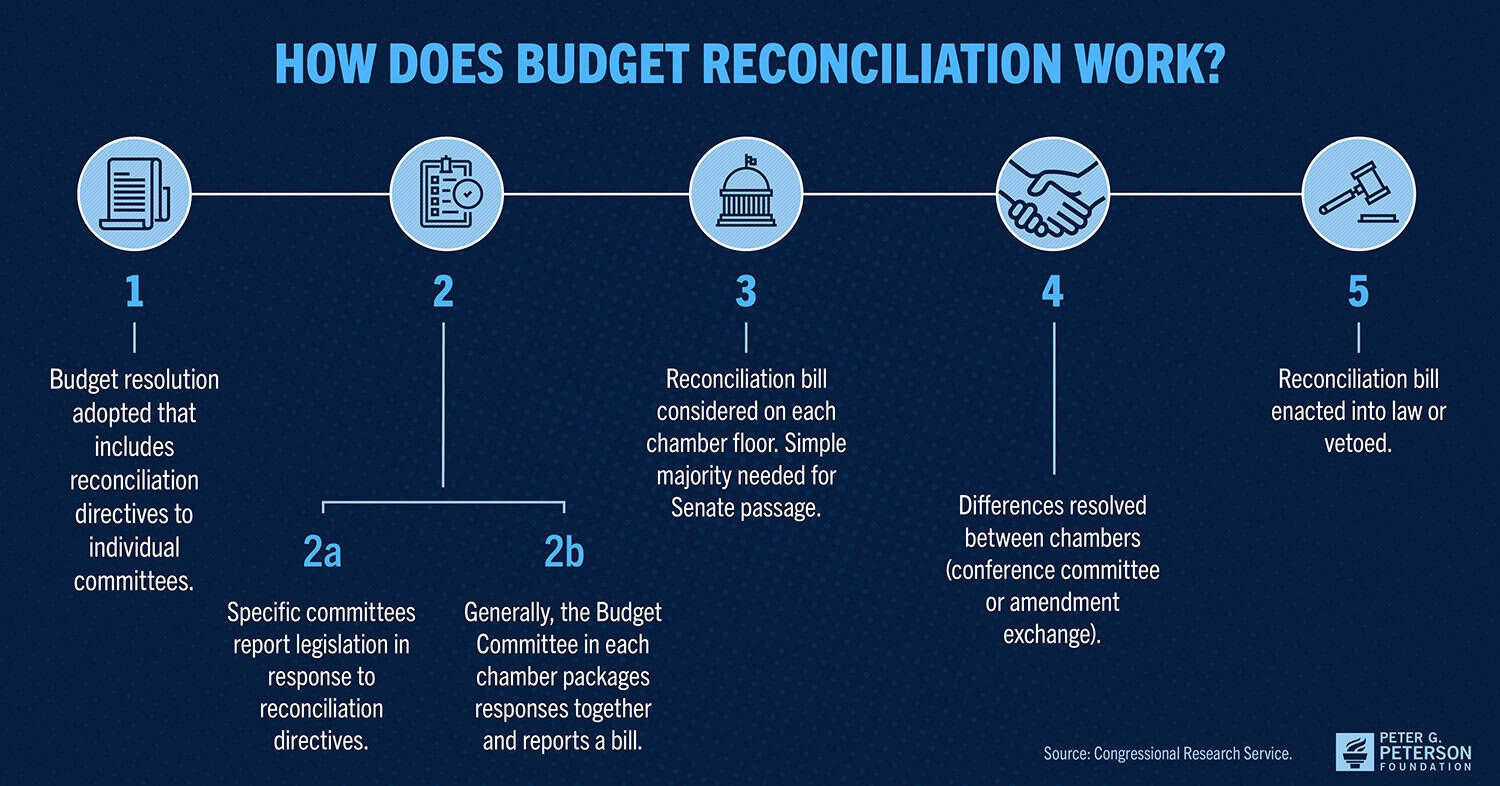
What’s really important here is that this budget reconciliation process allows Republicans to bypass Democrats and push through major fiscal changes with a simple majority. It may sound technical, but the political implications are huge—it clears the legislative path for Trump-era tax cuts, military spending increases, and new border funding.
According to the Senate plan:
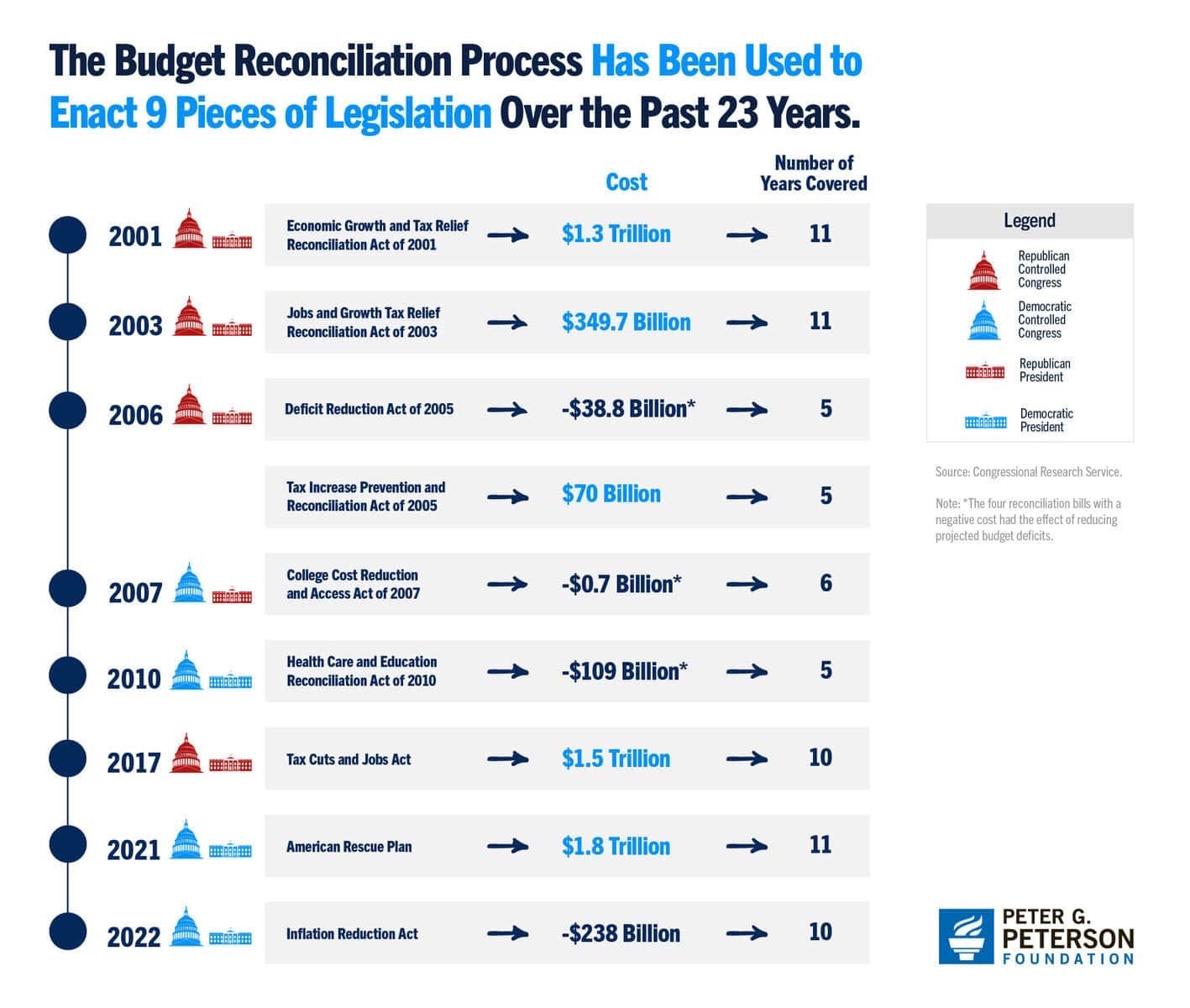
• The 2017 Trump tax cuts (set to expire this year) would be extended.
• An additional $1.5 trillion in new tax cuts would be added.
• The total tax cut package could reach $5 trillion.
• Simultaneously, the debt ceiling would be raised by $5 trillion to avoid default.
The House version is slightly different:
• It supports $4.5 trillion in tax cuts.
• It demands more aggressive spending cuts, particularly in Medicaid.
• It aims to reduce $1.5 trillion in federal outlays, including cuts to health care and energy programs.
The two chambers still need to reconcile their versions, but the key takeaway is clear: we’re looking at a huge dose of fiscal stimulus, coupled with a ballooning federal debt load.
Can the Bond Market Absorb This Much Debt?
Here’s the problem: even if Trump’s tariff policies bring in new revenue, Deutsche Bank estimates that tariffs could only raise around $300–500 billion per year, which is barely a fifth of the current fiscal gap.
The U.S. is already running a $2 trillion budget deficit in 2024—around 7% of GDP. To plug that hole, the government will have no choice but to issue more Treasuries.
But what happens when Treasury supply surges? Can the market really absorb that much?
Deutsche Bank estimates that under different fiscal scenarios, 10-year U.S. Treasury yields could diverge by as much as 60 basis points (0.6%). That’s a big deal—it would impact everything from mortgage rates to corporate financing costs and global asset valuations.
If tax cuts are too aggressive and spending isn’t curtailed, the pressure on Treasury markets will mount. Yields could spike. And that spells trouble for risk assets everywhere.
Structural Risk: The Hidden Leverage in Treasury Basis Trades
There’s also a much less visible, but potentially more dangerous risk: the massive buildup of leveraged “basis trades” in the Treasury market.
This is a strategy mostly used by hedge funds: they borrow money in repo markets to buy cash Treasuries, and simultaneously short Treasury futures. The goal? Arbitrage the small pricing gap between the two.
It’s a highly-leveraged, low-margin trade that depends on stable interest rates and deep market liquidity.
But once the debt ceiling is lifted, the Treasury Department could suddenly issue a flood of new bonds to make up for lost time. That kind of supply shock could lead to sharp price swings in the bond market.
If those swings exceed model assumptions, leveraged positions could face forced liquidations—margin calls—which might trigger a broader wave of market instability.
We’ve seen this movie before. In late 2019 and again in March 2020, bond market dislocations linked to these very trades played a major role in financial stress.
So this isn’t just about issuing more debt. It’s about the fragile structure underpinning today’s U.S. Treasury market.
What If the “Mar-a-Lago Accord” Becomes Reality?
That brings me to a term I’ve been hearing more often lately: the so-called “Mar-a-Lago Accord.”
It’s not a formal policy, but rather a nickname for a potential unconventional fiscal rescue plan, rumored to be under quiet discussion among top policymakers.
If the U.S. faces an unsustainable debt burden and markets begin to crack, Washington might resort to drastic measures such as:
• Turning some Treasury bonds into ultra-long or even zero-coupon debt, kicking repayments far into the future.
• Reviving Quantitative Easing (QE) to let the Fed directly buy Treasuries and suppress rates.
• Launching Yield Curve Control (YCC) to cap long-term yields.
• In extreme cases, even restructuring or extending certain Treasury obligations.
The term “Mar-a-Lago” comes from Trump’s private estate, hinting that such moves might bypass traditional congressional debate and be orchestrated behind closed doors.
If this kind of financial engineering becomes reality, it would mark the next phase of debt financialization—one that could rewrite the rules for global markets.
Final Thoughts
To me, this budget plan isn’t just about tariffs versus stimulus. It raises much deeper questions:
• How will the U.S. fund such massive tax cuts?
• Can the Treasury market absorb the coming supply shock?
• How will global investors reprice risk and interest rates in this new environment?
Tariffs are a tactical move. But the real game is in how America handles its deficits and debt. That’s where the next big shift may come from—and the board is only just being set.