
Gold Shines Through Market Uncertainty as Reserves Climb and Fundamentals Hold Firm

In the current economic landscape, gold continues to prove its worth as a safe haven despite short-term price fluctuations. Recent market movements—a $200 dip from a peak of $3,201 per ounce following U.S. tariff measures—have raised questions, but industry leaders maintain that these corrections are within normal parameters. Coupled with central banks’ persistent accumulation of gold and modest gains in foreign exchange reserves, the broader picture underscores gold’s enduring strength as an investment amid global uncertainty. Below, we break down the key factors driving this resilient narrative.
Market Resilience Amid Price Volatility
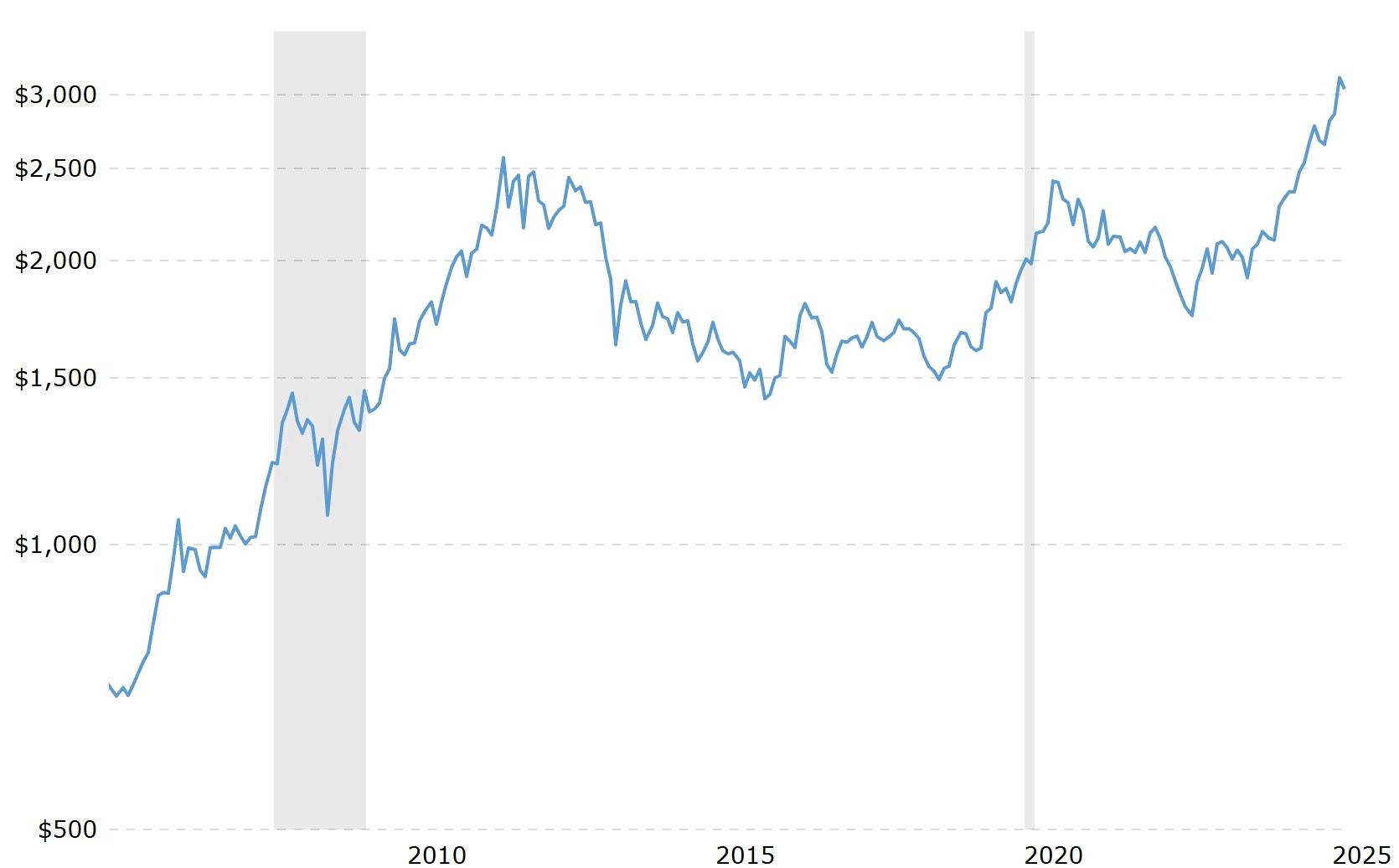
The recent $200 pullback in gold’s price, following the introduction of reciprocal tariffs by the U.S., has not signaled panic selling, according to experts. Sachin Jain, CEO for the India region of the World Gold Council, stressed that the decline is merely a market correction—not a dramatic downturn caused by fear. Jain explained that a price drop of $100–$200 does not reflect a fundamental shift; rather, it is part of the expected volatility in a market driven by geopolitical risks and investor caution. This perspective is further supported by the impressive performance of gold, which has surged more than 20% in 2025 and climbed approximately 40% over the past year. These gains highlight the asset’s attractiveness as a hedge against uncertainty and inflation.
Central Banks Bolster Gold Holdings
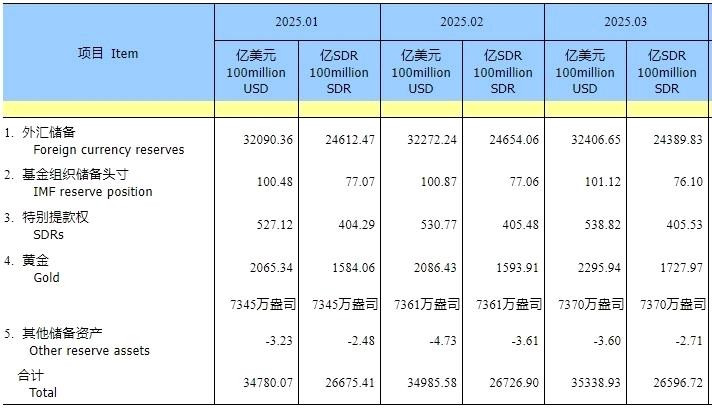
Central banks are playing a pivotal role in reinforcing gold’s position as a strategic reserve asset. In China, the central bank has increased its gold holdings for five consecutive months, with the reserves reaching 73.70 million ounces by the end of March, up slightly from 73.61 million ounces in February. This continued accumulation is not aimed at controlling costs but is a deliberate move to optimize the international reserve structure amid global economic instability. Analysts suggest that such proactive measures by central banks signal a long-term commitment to gold as a safeguard against geopolitical and economic shocks. With many countries following suit, central banks’ confidence in gold further underlines its role as a critical component of diversified reserves.
Steady Growth in Foreign Exchange Reserves
Alongside the strategic gold buying, China’s foreign exchange reserves have also shown steady growth. As of the end of March, the reserves stood at $32,407 billion—an increase of $134 billion from the previous month, representing a modest 0.42% growth. This increase is partly attributable to a 3.2% decline in the U.S. dollar index, which fell to 104.2, and the overall appreciation of non-dollar currencies. The rise in reserves reflects a broader economic confidence, demonstrating that even in times of global volatility, the underlying financial framework remains robust. This financial stability provides further support to gold’s appeal, as investors and policymakers alike look for reliable hedges in uncertain times.
Investor Sentiment and Market Dynamics
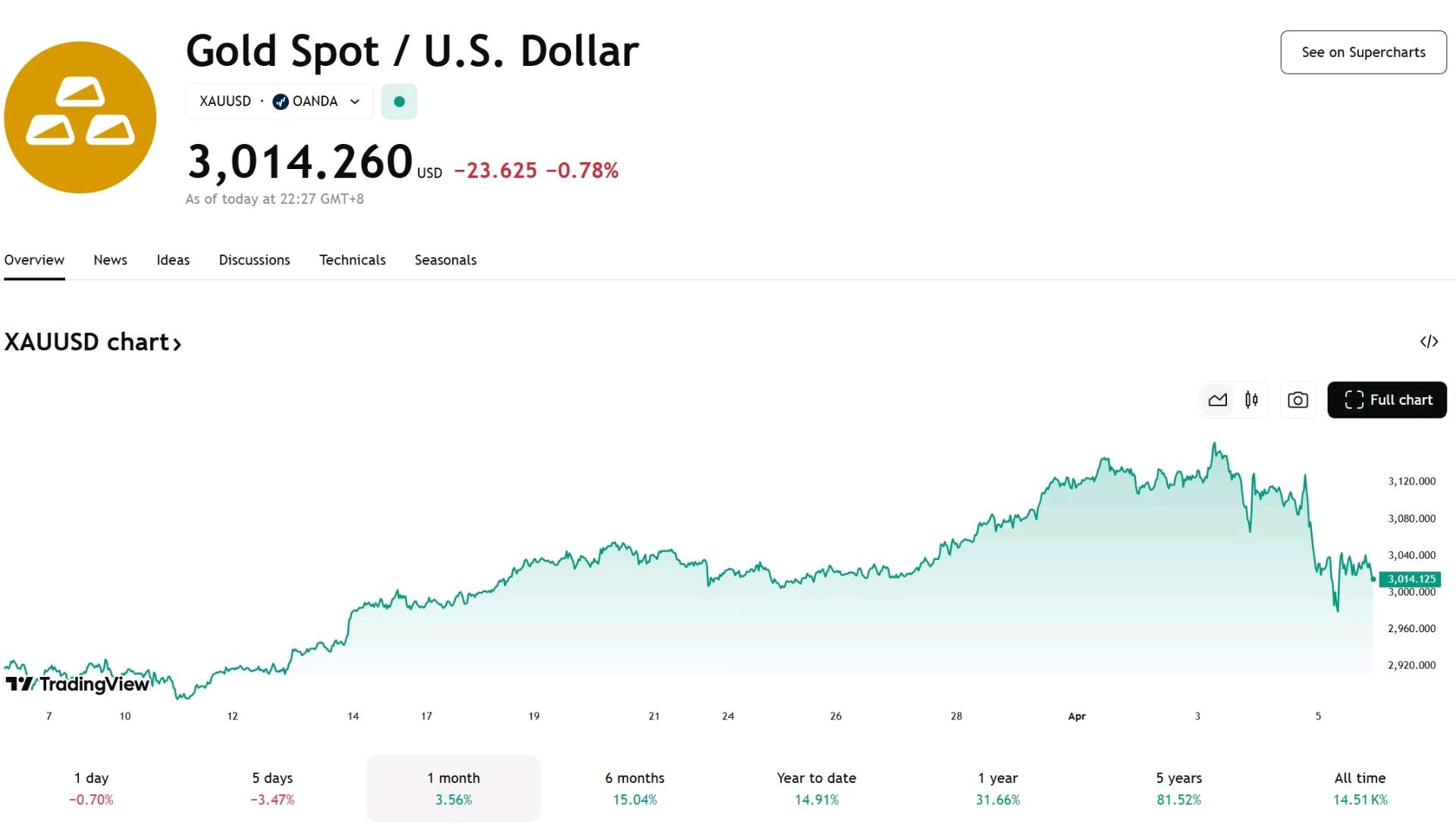
Recent price movements in gold—such as the brief surge past $3,000 per ounce followed by consolidation around 3,040—reflect the prevailing market anxiety amid economic and geopolitical uncertainties. Analysts have noted that these fluctuations are indicative of a broader sentiment where investors remain cautious but are not driven to panic sell. Instead, the volatility underscores a market in which risk is continually reassessed in light of events like the U.S. tariff policies and the possibility of “stagflation” in major economies. While short-term price corrections may occur, the convergence of factors such as rising central bank purchases, continued geopolitical tensions, and inflationary concerns contributes to a supportive environment for gold’s long-term growth.
Key Drivers and Future Outlook
Several factors converge to ensure that gold’s fundamentals remain robust. First, the ongoing uncertainty surrounding U.S. tariff policies and the resulting trade tensions are likely to sustain demand for safe-haven assets. The persistent geopolitical risks further boost gold’s reputation as an effective hedge against economic instability. Second, inflationary pressures provide a compelling case for gold’s role as an anti-inflationary asset, reinforcing its status in investors’ portfolios. Third, the strategic moves by central banks—evidenced by their continued accumulation of gold—offer a strong vote of confidence in gold’s long-term potential. Lastly, the interplay between a weakening U.S. dollar and appreciating foreign currencies creates an environment that favors gold, both as a store of value and a hedge against currency depreciation.
Conclusion: A Safe Harbor in Stormy Seas
Ultimately, while gold may experience temporary corrections amid market volatility, its long-term prospects remain promising. The recent $200 price dip, when viewed in context, does not indicate a fundamental breakdown but rather a normal market response to shifting economic policies and global uncertainties. With central banks reinforcing their reserves and foreign exchange reserves showing modest yet steady growth, gold’s status as a reliable store of value is unequivocal. Investors seeking to navigate the turbulent waters of today’s economic climate would do well to consider gold not just for its immediate hedging benefits, but also for its enduring role in a diversified, long-term portfolio. In a world where uncertainty is the only constant, gold continues to shine as a beacon of stability and strategic value.
This content is provided for informational or educational purposes only and does not constitute investment advice.