
Charlie Munger: How to Build an Investment Empire Using Reverse Thinking

1. Avoiding All Common Modes of Failure
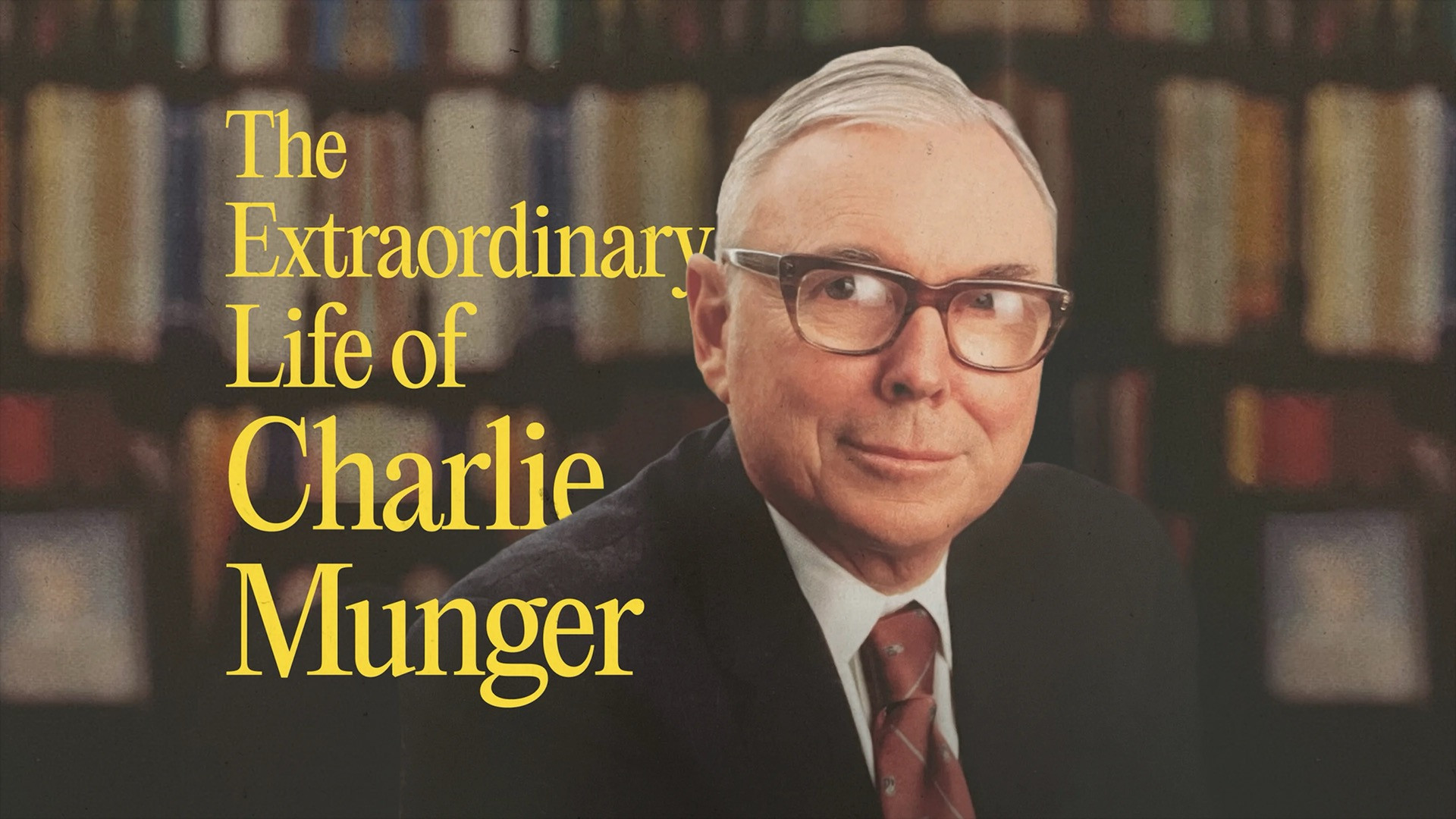
Charlie Munger, the legendary investor and vice chairman of Berkshire Hathaway, built his success on caution, discipline, and a pragmatic approach to life and business. He rejected extravagance, lived modestly, avoided popular but high-risk investments like cryptocurrencies, and urged businesses to focus on what works.
His influence shaped both Berkshire Hathaway and Costco, where he consistently advocated for long-term thinking. Munger's life was a masterclass in avoiding mistakes, resisting excess, and maintaining rationality—principles that continue to guide investors and businesses worldwide even after his passing.
Munger passed away in 2023 at the age of 99. Before his death, he debunked the notion that vast wealth comes from a secret formula. In an interview with CNBC's Becky Quick just weeks before his passing, he bluntly dismissed this idea.
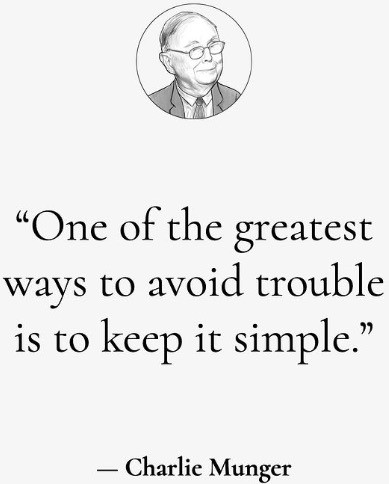
"I don't know any secrets," Munger said. Instead, he adhered to a simple philosophy: "I've avoided all the standard ways of failing because my system in life is to avoid all standard ways of failing."
Munger's life philosophy was built on caution. "If you tell me the wrong way to play poker, I avoid it; if you tell me the wrong way to do other things, I avoid it," he explained. Munger's strategy was clear: stay away from reckless decisions and unnecessary risks.
2. A Life of Frugality and Focus
Unlike many billionaires, Munger never indulged in a luxurious lifestyle. He lived in the same modest house for 70 years, refusing to follow trends and build mansions. He once commented on housing: "In almost all cases, [luxury homes] make people less happy rather than more happy."
Munger's financial discipline extended beyond his personal life. He was highly critical of reckless behavior in finance, particularly cryptocurrencies. Munger said, "Sometimes I call it crypto 'crap,' and sometimes I call it crypto 'sewage.' It's ridiculous that anybody would buy this stuff." In a February 2023 interview with CNBC, he described digital currencies as "absolutely crazy, stupid gambling."
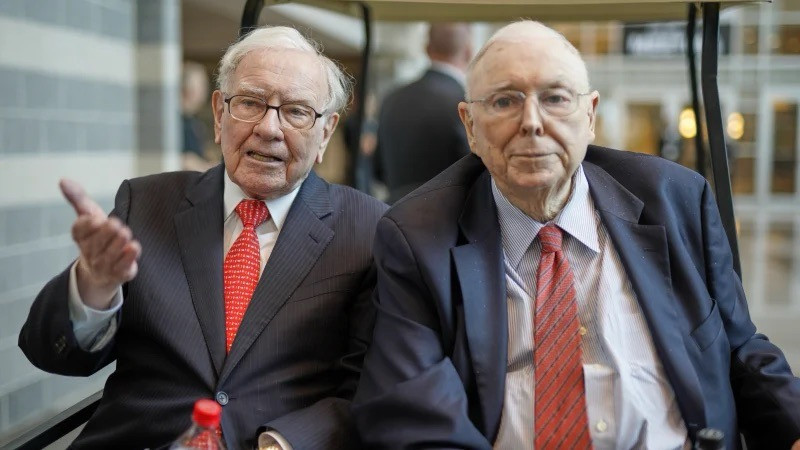
His skepticism of wasteful spending also influenced his view on corporate expenses. When his long-time business partner Warren Buffett defended purchasing a $6.7 million corporate jet for Berkshire Hathaway, Munger was unimpressed. Buffett later wrote, "His idea of traveling in style was an air-conditioned bus, and then only if it was on sale."
Munger's stance on reckless decision-making remained firm. "Avoid crazy at all costs. Crazy is way more common than you think," he warned, "It's very easy to slide into crazy. So you've got to avoid it, over and over and over again."
3. Shaping Berkshire Hathaway, Guiding Costco
For over 60 years, Munger played a crucial role in transforming Berkshire Hathaway from a failing textile mill into a multinational conglomerate. His sharp mind and disciplined approach shaped the company's long-term investment strategy. He opposed impulsive decisions and urged businesses to focus on what works rather than chasing trends.
His influence extended to other businesses, most notably Costco, where he served on the board for over 25 years.
At Costco, Munger's advice was consistent: "Stick to our core business, values, and principles."
Hamilton E. "Tony" James, the company's chairman, recalled how Munger could cut through complex corporate matters with clear logic. In an interview with Chief Executive magazine, he said, "Understanding the current state of affairs for a company as large and pressured as Costco can be a complex and messy task, but not for Charlie. He was like a compass, always able to cut through the fog and find the right path."
Munger believed that drastic changes were unnecessary. "The right thing to do over the long term is what we've been doing, so don't get confused," he often reminded the board. James admitted that disagreeing with him was "a dangerous thing to do."
Munger was not just an advisor but also a loyal Costco customer. He described himself as a "total addict" of the company and declared, "I'm never going to sell a share." As of November 2022, he owned over 187,000 Costco shares.
Costco's adherence to Munger's philosophy is exemplified in its pricing strategy. Since 1985, the company has consistently refused to raise the price of its famous $1.50 hot dog and soda combo. When then-CEO Craig Jelinek suggested increasing the price, co-founder Jim Sinegal immediately vetoed the idea, reportedly saying, "If you raise the price of the hot dog, I will kill you. Figure it out."
4. The Legacy of Rational Thinking
Munger's legacy is built on rationality, self-discipline, and resistance to excessive temptation. He rejected speculation, stayed away from wasteful spending, and advised businesses to stick to what works. His wisdom continues to influence Berkshire Hathaway, Costco, and investors worldwide.
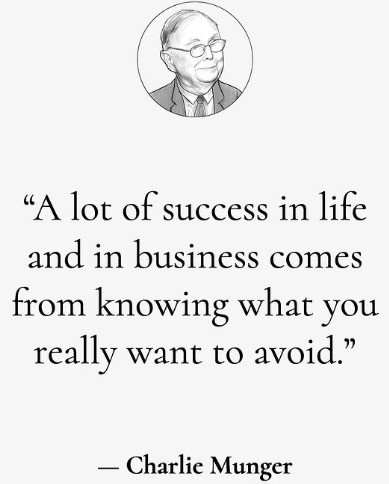
For those who aspire to follow in his footsteps, his advice remains relevant today: maintain caution, adhere to discipline, and always avoid falling into "craziness."
Munger's approach to investing and business was characterized by a focus on long-term value creation rather than short-term gains. He emphasized the importance of continuous learning, critical thinking, and the ability to recognize and avoid common pitfalls in decision-making.
His legacy serves as a reminder that success in investing and business often comes not from finding secret formulas or taking excessive risks, but from consistently applying sound principles, avoiding common mistakes, and maintaining a rational perspective in the face of market volatility and temptation.
For future generations of investors and business leaders, Munger's life and teachings offer a valuable roadmap: prioritize wisdom over trends, value substance over style, and always strive to make decisions based on careful analysis rather than emotion or popular opinion. His emphasis on avoiding "standard ways of failing" remains a powerful guiding principle for those seeking long-term success in any field.