
The Buffett and Berkshire Story: How He Won the Tariff War

Shearing sheep
April 8, 2025
GoGPT Summarizes Articles
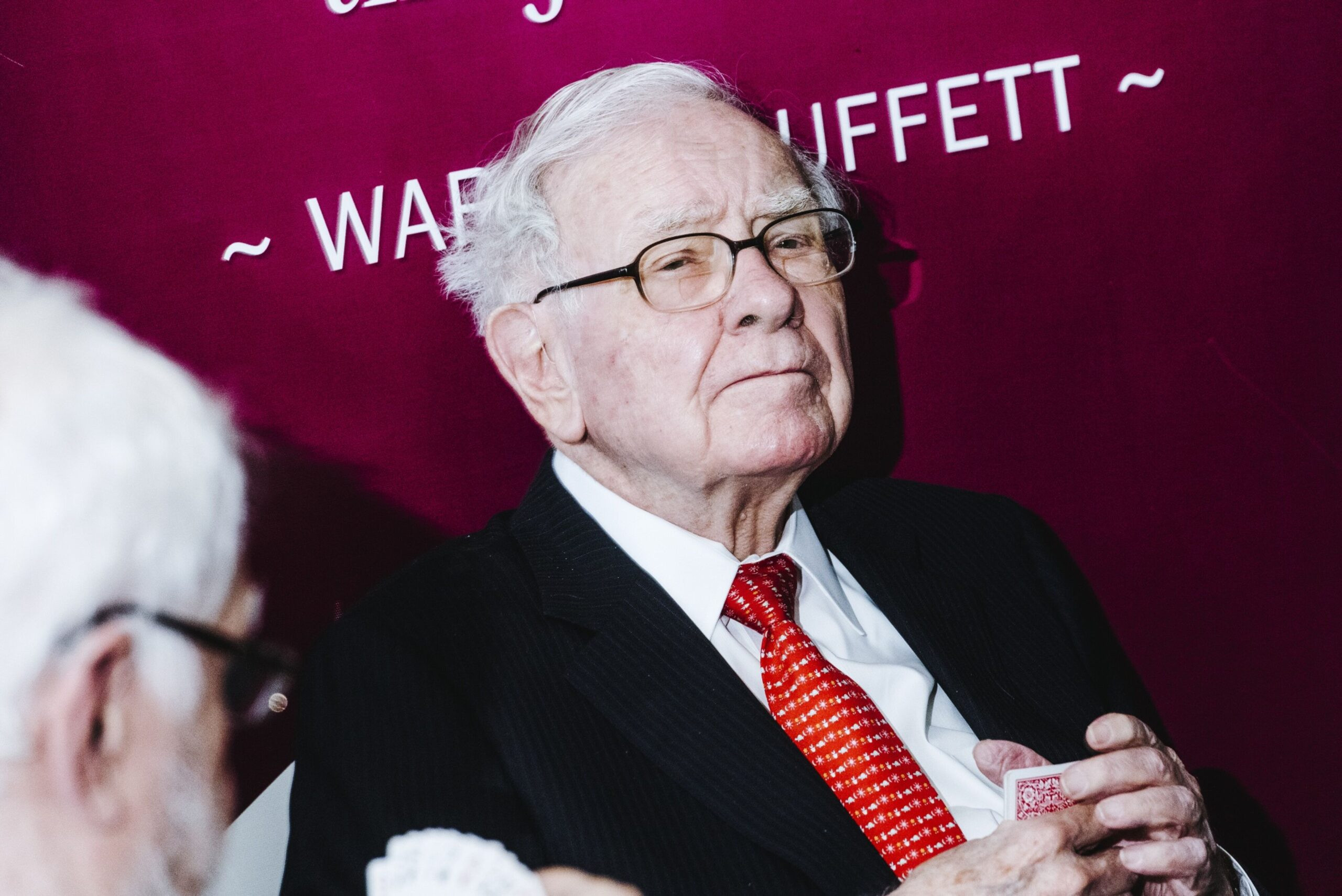
When the crowd zigged, Buffett zagged. Again.
While retail investors flooded the US stock market last year, pushing equities to record highs, Warren Buffett quietly pulled back, selling off his positions and patiently waiting. His ability to think several steps ahead is unmatched. For Buffett, patience isn't just a virtue; it's a powerful weapon.
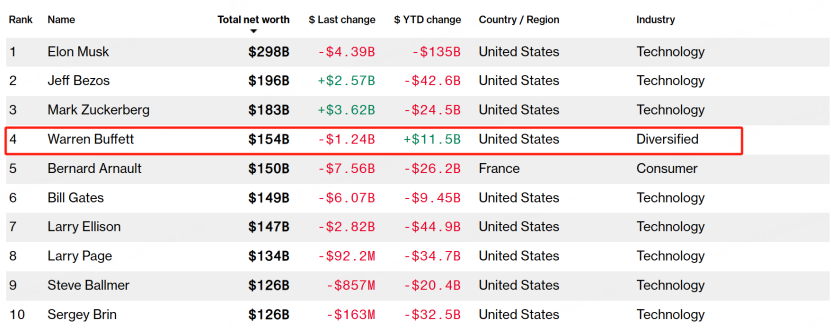
By April, it became clear: While others might outperform Buffett during a bull run, when the tide turns, he comes out on top. As tech giants’ stock prices pulled back and continued to fall due to the tariff war, Berkshire Hathaway still managed to rise by over 8% in 2024, with the last quarter seeing a 17% increase, outperforming both the Nasdaq and S&P 500, which dropped more than 10% and 4%, respectively. As of Monday's close, Buffett’s personal net worth was $154 billion—up $11.5 billion this year alone, placing him 4th on the global billionaire list. He’s one of the very few among the top 20 who saw wealth growth in 2024.
Learning Buffett's patience is easier said than done. His investment decisions almost seem instinctive. Having spoken at length about the implications of tariffs during Trump’s campaign, Buffett understood the situation deeply, allowing him to make preemptive moves.
As early as the second half of 2024, Buffett started adjusting Berkshire’s portfolio, adopting a cautious and defensive approach. Berkshire sold off over $134 billion in stocks, reducing the value of its tradable stocks from $354 billion at the start of the year to $272 billion by year-end. This included significant reductions in holdings in Apple, Bank of America, Citigroup, Capital One, and Latin American fintech company Nu Holdings.
These sell-offs rapidly accumulated cash. By December 31, 2024, Berkshire held a record $334.2 billion in cash and equivalents, nearly doubling the $167.6 billion it held at the end of 2023. This cash reserve surpassed the foreign exchange reserves of the top 20 economies globally.
As the Federal Reserve raised interest rates and US bond yields rose, Berkshire increased its holdings of US Treasury bonds to earn higher interest income. Buffett himself admitted, "Because of the increase in US Treasury yields, we have significantly increased our holdings of these short-term securities, and the investment income has predictably increased significantly." When market opportunities were scarce, Berkshire shifted idle funds into safer, liquid assets.
Unlike in previous years, Berkshire refrained from stock buybacks and major acquisitions in 2024.
These tactical shifts allowed Buffett to reduce risk exposure while strengthening Berkshire’s financial position. Toward the end of 2024, many investors began realizing Buffett was preparing for potential economic storms by consolidating positions and stockpiling cash.
Buffett’s moves were not haphazard but grounded in his calm analysis of the macroeconomic environment. At the end of 2024 and into 2025, with stock prices still high and economic uncertainty looming, Buffett expressed a cautious outlook, showcasing his foresight.
In the past two years, the US stock market surged, with the S&P 500 rising by over 20% annually, and investor sentiment remained overwhelmingly optimistic. But 94-year-old Buffett remained calm. In his shareholder letter, he explained that, in the current market, "there are few investment opportunities we consider attractive," adding that Berkshire would only invest heavily when it found high-quality stocks at a good value. Otherwise, he preferred holding cash over making reckless investments.
With major shifts in US politics and policy, including Trump’s aggressive trade stance, market uncertainties increased. Buffett, always alert to policy changes, quickly assessed the implications of tariffs. In a rare March 2025 interview, he commented on tariffs, stating they "are, in a way, a form of war."
Buffett further explained during a CBS interview: "In the long run, tariffs are just taxes on goods. The 'tooth fairy' won’t pay for them!" He pointed to the economic principle of "then what?" suggesting that tariffs would ultimately lead to higher inflation, hurting consumer spending. This analysis showed Buffett had long anticipated the potential damage tariffs could do to corporate profits and economic growth.
Even in defensive mode, Buffett never lost confidence in quality companies. In 2024, while he reduced exposure to tech and bank stocks, he increased his holdings in overseas assets, especially Japan’s five major trading companies, which he saw as possessing long-term value.
These moves highlight Buffett’s selective defense—cutting exposure to overheated sectors while doubling down on companies with solid fundamentals.
By analyzing Buffett’s recent actions and comments, it’s clear he had early insights into macroeconomic uncertainties, responding with a pragmatic and cautious strategy. Looking back, we can better appreciate his sharp understanding of macroeconomics and decision-making prudence. It takes immense courage and judgment to withdraw early from a market fueled by greed. Buffett’s sell-offs in 2024 weren’t about missing out on a bull market; they were about avoiding imminent risks.
As one commentator observed regarding the Trump tariff chaos, "The stock market crash only underscores Buffett’s extraordinary wisdom." His ability to stay calm and think ahead keeps him steps ahead of everyone else.
Warren Buffett's strategy in navigating market volatility has once again paid off, showing the power of patience and foresight. What do you think? Is patience the key to surviving a volatile market, or are there other strategies that could have been more effective this year? #smartmoney #warrenbuffett
#Follow the Money: Where Are the Market Giants Investing#smartmoney#warrenbuffett