
Global Trade Tensions Explode as Allies Clash Over Trump's Tariff Onslaught

The world is bracing for a full-blown trade war as the U.S. and its closest allies hurtle toward retaliatory tariffs, with the European Union preparing to strike back this week and Japan offering a $44 billion energy deal to shield its economy. The escalating conflict, driven by President Trump’s aggressive “America First” tariffs, threatens to destabilize global markets, strain diplomatic ties, and reshape supply chains from Tokyo to Brussels.
EU Readies Historic Counterpunch
The European Union is poised to escalate tensions dramatically by voting Wednesday on a two-phase retaliation plan targeting $28 billion in U.S. goods. If approved, the first wave of tariffs—on American motorcycles, jeans, bourbon, and peanut butter—would take effect April 15, followed by broader measures in May hitting agriculture, machinery, and consumer products. The move comes despite EU Trade Commissioner Valdis Dombrovskis’ insistence that Brussels “remains open to talks” but “won’t wait indefinitely” for Washington to de-escalate.
Behind the scenes, however, European leaders appear divided. German Economy Minister Robert Habeck floated deploying the EU’s “anti-coercion tool”—a nuclear option allowing sanctions against U.S. tech giants—while Polish officials urged giving Washington “time to reconsider” amid plunging U.S. stock markets. The EU’s delicate balancing act reflects both its economic vulnerability (25% of its steel exports go to America) and political resolve. “We will retaliate if needed, but we’d rather negotiate,” European Commission President Ursula von der Leyen stated, revealing that Brussels has secretly proposed a zero-tariff industrial goods pact to Washington.
Japan Bets Big on LNG Diplomacy
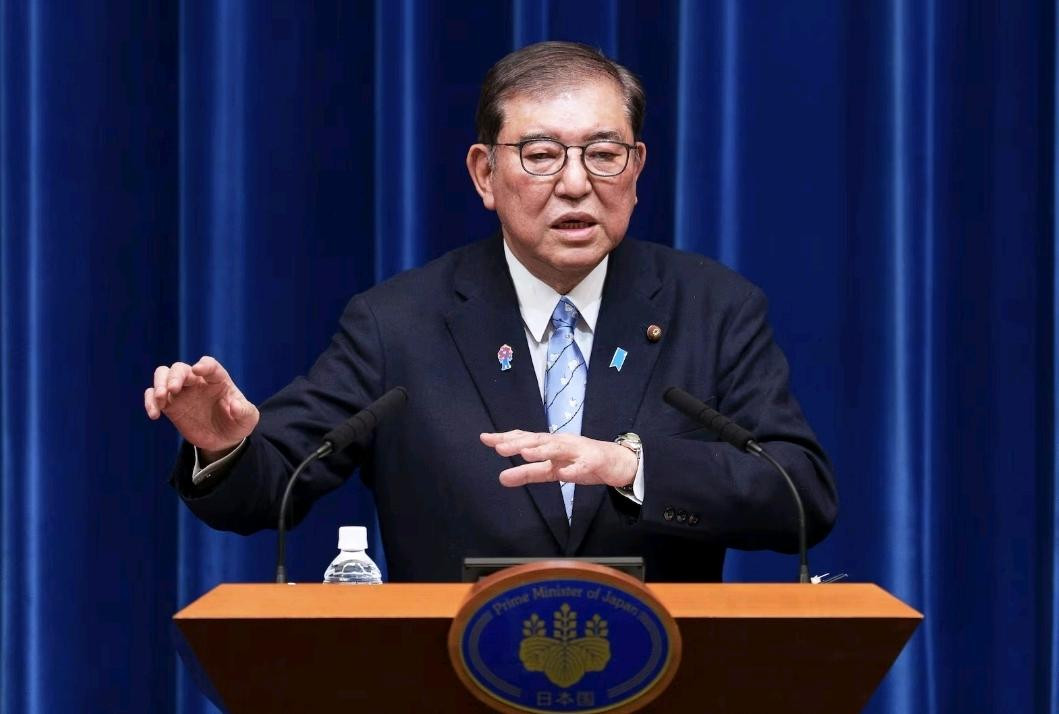
Meanwhile, Japan is attempting to sidestep Trump’s 24% “reciprocal tariffs” by dangling a massive carrot: a $44 billion investment in Alaska’s stalled liquefied natural gas (LNG) megaproject. Prime Minister Yoshihiro Sekimura confirmed Monday that Tokyo will bundle the deal into broader trade talks, framing it as critical to securing tariff relief. The move aligns with Trump’s long-standing push to revive the 1,300-km pipeline project, which has languished due to cost concerns.
The gambit highlights Japan’s acute exposure—the U.S. is its largest export market, absorbing 18.5% of Japanese goods. Already, ripple effects are emerging: Nissan halted U.S. sales of Mexican-made SUVs, Nintendo delayed Switch 2 pre-orders, and whiskey shortages loom as distillers like Suntory consider redirecting exports. “Piecemeal negotiations won’t work,” Sekimura warned, signaling Tokyo’s readiness to play hardball.
70 Nations Queue for Tariff Talks
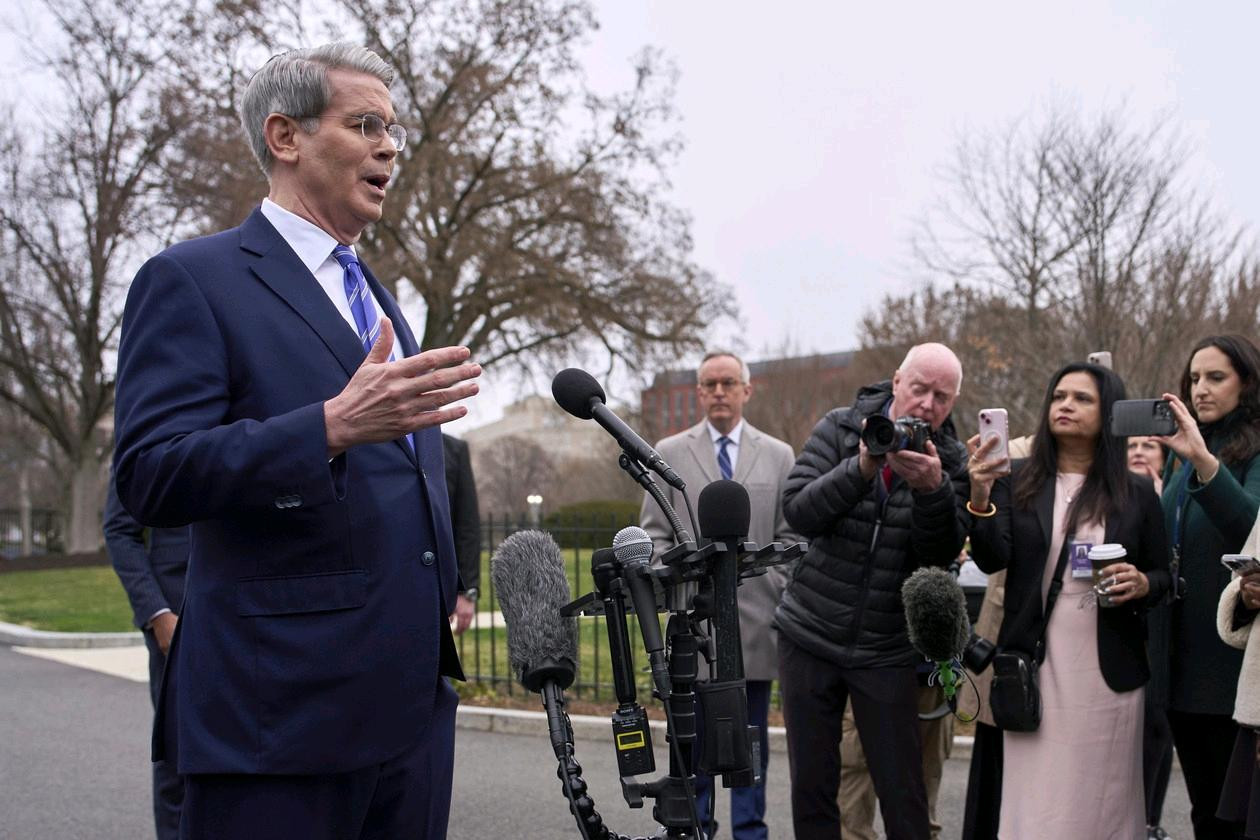
Amid the chaos, U.S. Treasury Secretary Bessent revealed that 70 countries have requested tariff negotiations, with Trump personally leading discussions. Sutton hinted that nations avoiding retaliation—like Japan’s LNG overture—could jump the queue. “Good deals are achievable with serious proposals,” he said, though details remain scarce.
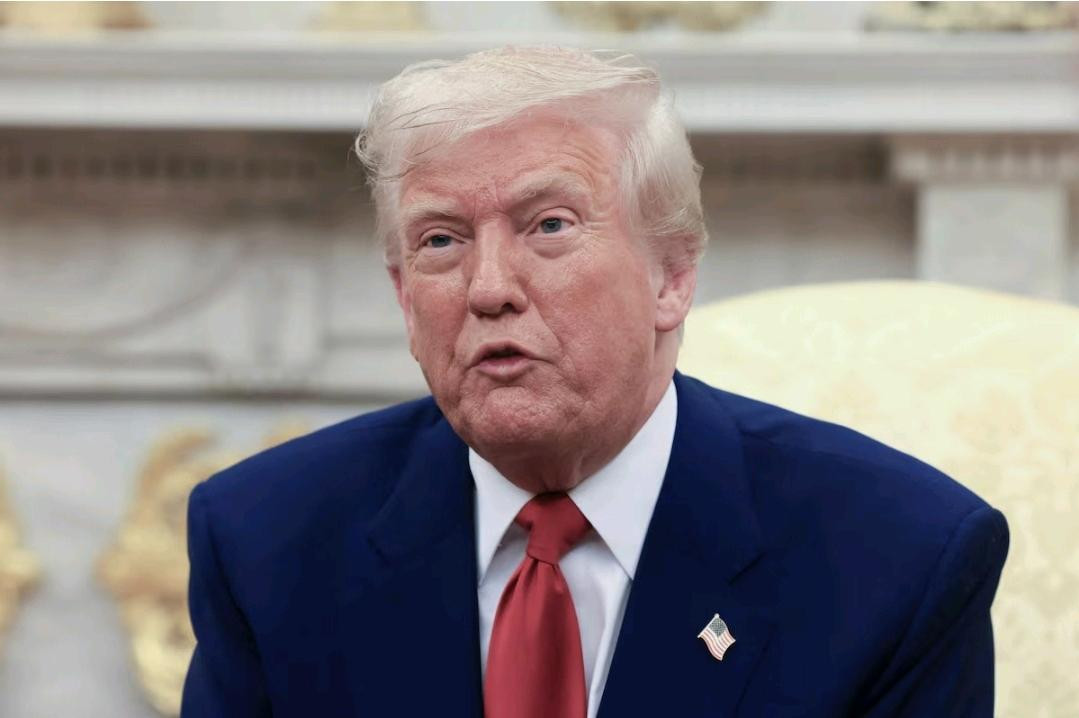
The administration’s tariff matrix, set to activate fully by April 9, imposes a 10% baseline rate plus “reciprocal” surcharges targeting trade deficits. Allies face staggering rates: 20% for the EU, 24% for Japan, 25% for South Korea. Even Australia and Saudi Arabia get 10%, while Vietnam faces 46%. Trump doubled down Monday, vowing to make Europe “pay us billions annually” unless it buys more U.S. cars and farm goods. “They’ve stolen our wealth for decades,” he declared.
Market Meltdown Looms
Financial markets are flashing warning signs. U.S. equities have shed $5 trillion since tariffs were announced, while the yen surged as investors fled to safety. Analysts warn the EU’s retaliation—which could hit 80% of U.S. agricultural exports to Europe—might trigger food inflation. More alarming are contingency plans by companies like BMW and Pfizer to hike prices or shift production.
Yet Trump remains defiant. “Sometimes you need medicine to fix problems,” he said as futures dipped. With the EU’s countermeasures days away and Japan’s high-stakes energy play unfolding, the world faces a pivotal week. As von der Leyen put it: “We’ll talk, but we’ll also act.” The question now is whether economic brinkmanship spirals into irreversible damage—or forces a truce at the 11th hour.