
Singapore PM’s Tariff Remarks: Understanding the Market Impact

In a recent speech, Singapore’s Prime Minister, Wong Chok Tiong, highlighted the uncertainty over whether Singapore will enter a recession. He noted that global tariff shocks would significantly affect economic growth, and the government might revise its 2025 growth forecast downward. Slower growth means fewer jobs, smaller wage increases, and even potential business relocations back to the U.S.
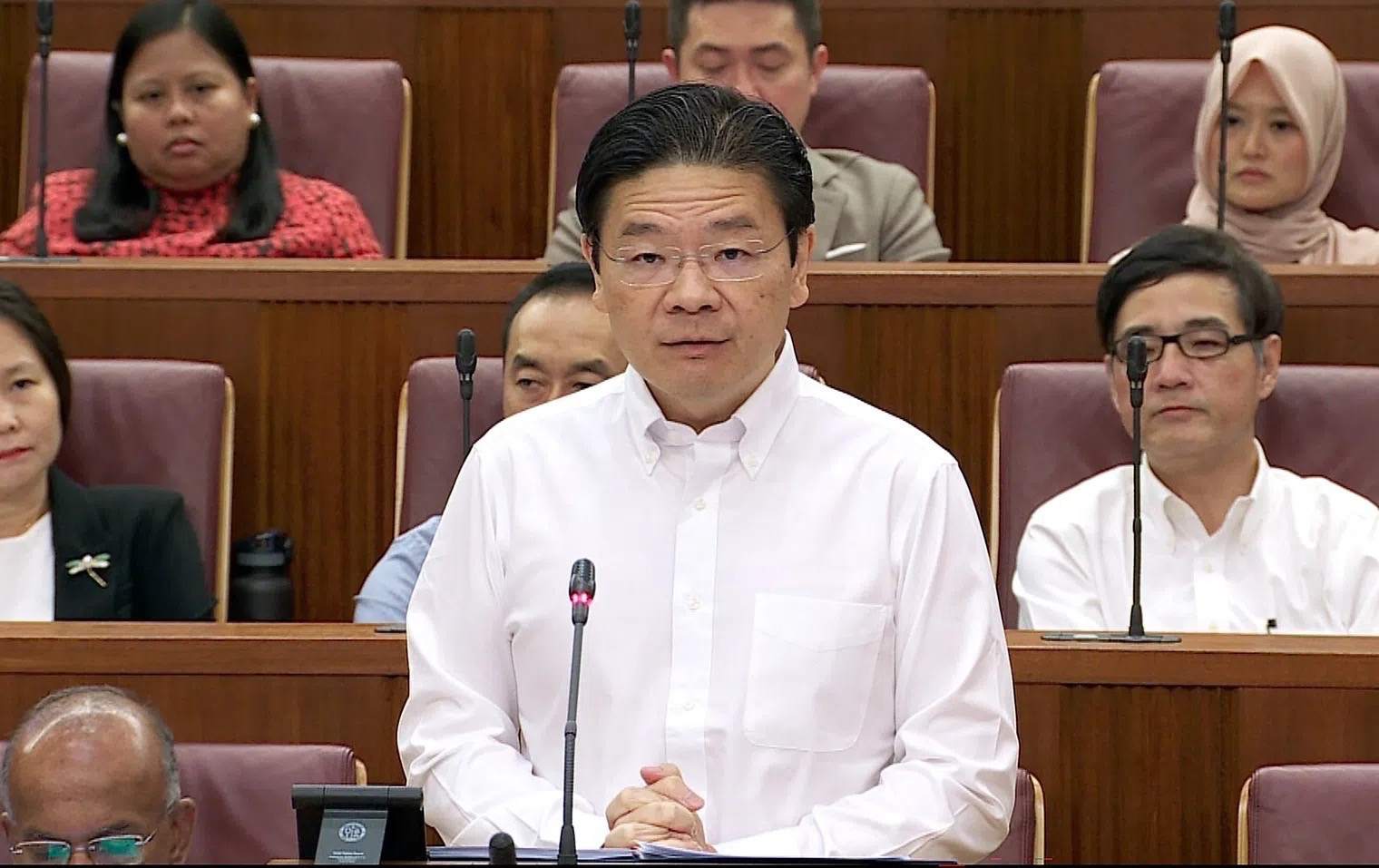
Trump’s tariffs have triggered retaliatory actions, with Singapore facing a 10% import tariff despite running a trade deficit with the U.S. PM Wong expressed disappointment, as it undermines the longstanding friendly relationship between the two nations.
Government’s Response: Support for Businesses and Workers
PM Wong announced the formation of a task force, led by Deputy PM Gan Kim Yong, to help businesses and workers cope with tariff-related uncertainty. While economic pressures are mounting, the government believes Singapore’s strong fiscal management can help weather the storm.
Industries like manufacturing, wholesale trade, and financial services—reliant on exports—will likely be most affected. As global growth slows, Singapore’s outward-looking economy faces increasing pressure.
The Far-Reaching Impact and How to Respond
For individual investors, these tariffs will likely create widespread effects, especially for export-driven economies like Singapore. We can expect higher business costs, reduced consumer confidence, and potential job losses as companies adjust their strategies.
Investors should closely monitor risk factors, such as industry selection. Manufacturing and high-tech companies, dependent on external markets, might face more strain. Also, diversifying investments geographically can help mitigate risks.
While the government’s support measures are positive, companies must remain agile in the face of global uncertainties. Multinational companies may need to rethink their strategies amid shifting tariff policies.
Final Thoughts: Managing Risks in Uncertain Times
With global trade uncertainties, Singapore’s economy will likely face a rough patch. As investors, we need to stay informed and adjust our strategies, particularly by diversifying industries and geographies. Flexibility and caution will be key in navigating these uncertain times.