
Tariffs Are Just the Start, Uncertainty Is the Real Tax

Former White House economic advisor Jason Furman recently pointed out a pretty sobering fact. Even if Trump tones down those aggressive tariff hikes, the U.S. economy is likely to be stuck with historically high tariffs. And there's this lingering "stealth tax" of uncertainty hanging around.
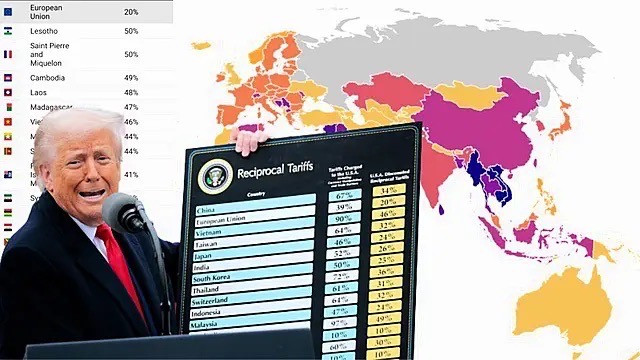
Let's talk numbers. Since February, the average U.S. tariffs have gone through the roof, jumping from 2.5% all the way to 24%. That made America the world's most protectionist major economy almost overnight. It even surpassed Iran's 12% and Venezuela's 14%. I mean, that's quite a leap. Furman predicts that Trump might eventually get the tariffs down to 12 - 15%, but that's still way above the pre - 2024 levels. Sure, the markets might think it's a "win" and cheer, but the damage has already been done. Higher consumer prices, supply chain chaos, and companies putting their investment plans on hold.
Here's what I think most people miss. Uncertainty is like a hidden tax. As Furman said, businesses now have to deal with a president who can change tariffs by double - digits in just a few months. We haven't seen this kind of volatility in 50 years. This unpredictability forces companies to prepare for multiple situations. They're moving money away from growth projects and into risk management. I've seen this before. When policy is like a game of roulette, productivity growth slows down. Resources get shifted to defensive moves like stockpiling inventory or finding new suppliers.
Now, Wall Street is holding onto the hope of a big tariff truce. But that's just wishful thinking. Even in the best - case scenario, Trump's ego - driven negotiation style will probably keep high tariffs on strategic sectors like steel and certain targeted countries. The result? We're moving towards less efficient domestic production. Consumers end up paying more for lower - quality goods, and high - value export jobs start to disappear. It's a real blow to economic vitality.
From my perspective, investors are underestimating three important things.
- First, there's inflation stickiness. The tariff - driven increase in input costs is spreading to the services sectors, like construction and logistics. And once prices go up in these areas, they rarely come back down.
- Second, corporate caution. The CEOs are delaying CAPEX approvals until there's more clarity. This is creating a headwind for earnings.
- Third, geopolitical contagion. Just look at the EU; they recently fast - tracked their own retaliatory measures.
So, what should we watch? Avoid industrial metals like aluminum and steel. As global trade lanes break up, they face oversupply risks. For industrials, be selective. Companies in infrastructure sectors with less than 20% international exposure could benefit from the trend of bringing production back home. And for treasuries, consider overweighting them. The Fed will have a hard time cutting rates because of tariff - induced inflation, but the flow of money to safe - haven assets might be strong.
In trade wars, certainty is the first thing to go. And the markets always end up footing the bill.