
Global Trade War Ignites as EU Strikes Back and Markets Reel from Trump's Tariff Onslaught

The global economic order is teetering on edge as the European Union launches retaliatory tariffs targeting $21 billion in U.S. goods, escalating a trade war that has sent markets into freefall and forced central banks to recalibrate crisis plans. The EU’s 25% tariffs—set to take effect April 15—mark the most aggressive counterpunch yet to President Trump’s sweeping import levies, which triggered a “Black Wednesday” collapse in Asian and European stocks and intensified fears of a prolonged global recession.
EU Retaliates: “No Choice But to Defend Ourselves”
In a historic vote Tuesday, EU member states approved tariffs targeting U.S. steel, machinery, and agricultural exports, retaliating against Trump’s 84% levies on Chinese goods and threats against allies. “U.S. measures are economically senseless and legally indefensible,” the European Commission declared, warning the conflict could “destabilize the global economy.” The phased counterstrike allows Brussels to pause tariffs if Washington negotiates, but EU trade chief Valdis Dombrovskis bluntly stated: “We will not be bullied into surrendering our standards.”
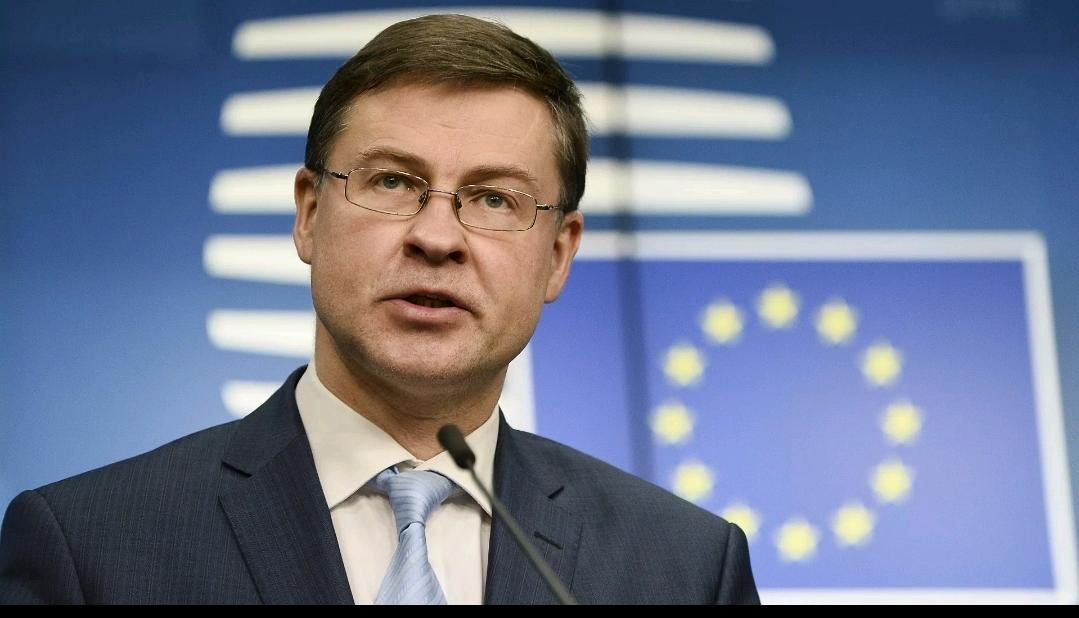
The move came hours after Trump mocked foreign leaders during a GOP fundraiser, claiming they were “begging” for deals. “They’re kissing my ass,” he jeered, impersonating supplicant negotiators. His remarks followed Japan and South Korea dispatching emergency trade delegations to Washington, while Italy’s Prime Minister Giorgia Meloni prepared for tense White House talks next week.
Trump’s “Nuclear Option”: Beyond Tariffs to Regulatory Warfare
Behind the bluster, Trump’s team is pushing an audacious agenda far beyond traditional trade disputes. Trade adviser Peter Navarro outlined demands targeting “non-tariff barriers”—from EU bans on hormone-treated beef to South Korean auto emissions rules and Japan’s currency policies. “This isn’t about soybeans; it’s about rewriting global rules,” said Mats Persson, a former UK trade advisor. “If Trump gets his way, he’ll dismantle decades of regulatory frameworks.”
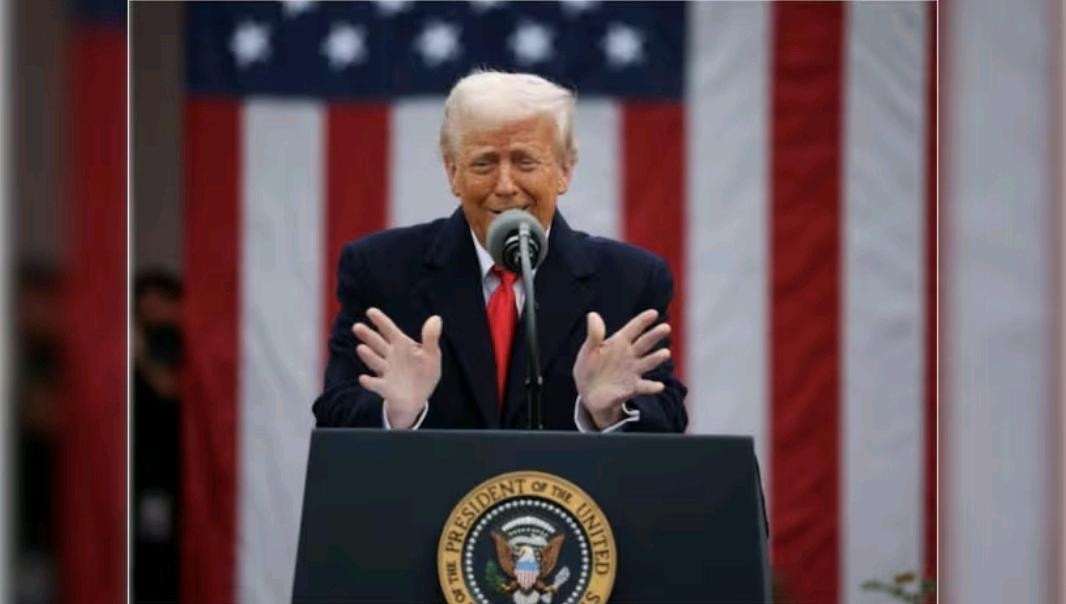
The strategy faces fierce resistance. South Korea’s trade minister, arriving in Washington Tuesday, vowed to protect agricultural safeguards despite Trump’s demand to lift bans on U.S. beef. EU officials flatly rejected renegotiating food safety or digital regulations, offering only increased LNG purchases as a “sweetener.” Meanwhile, India braces for battles over chemical standards, while Australia and the UK defend bans on American pork treated with ractopamine—a feed additive banned in 160 nations.
Markets Implode as “Tariff Dominoes” Fall
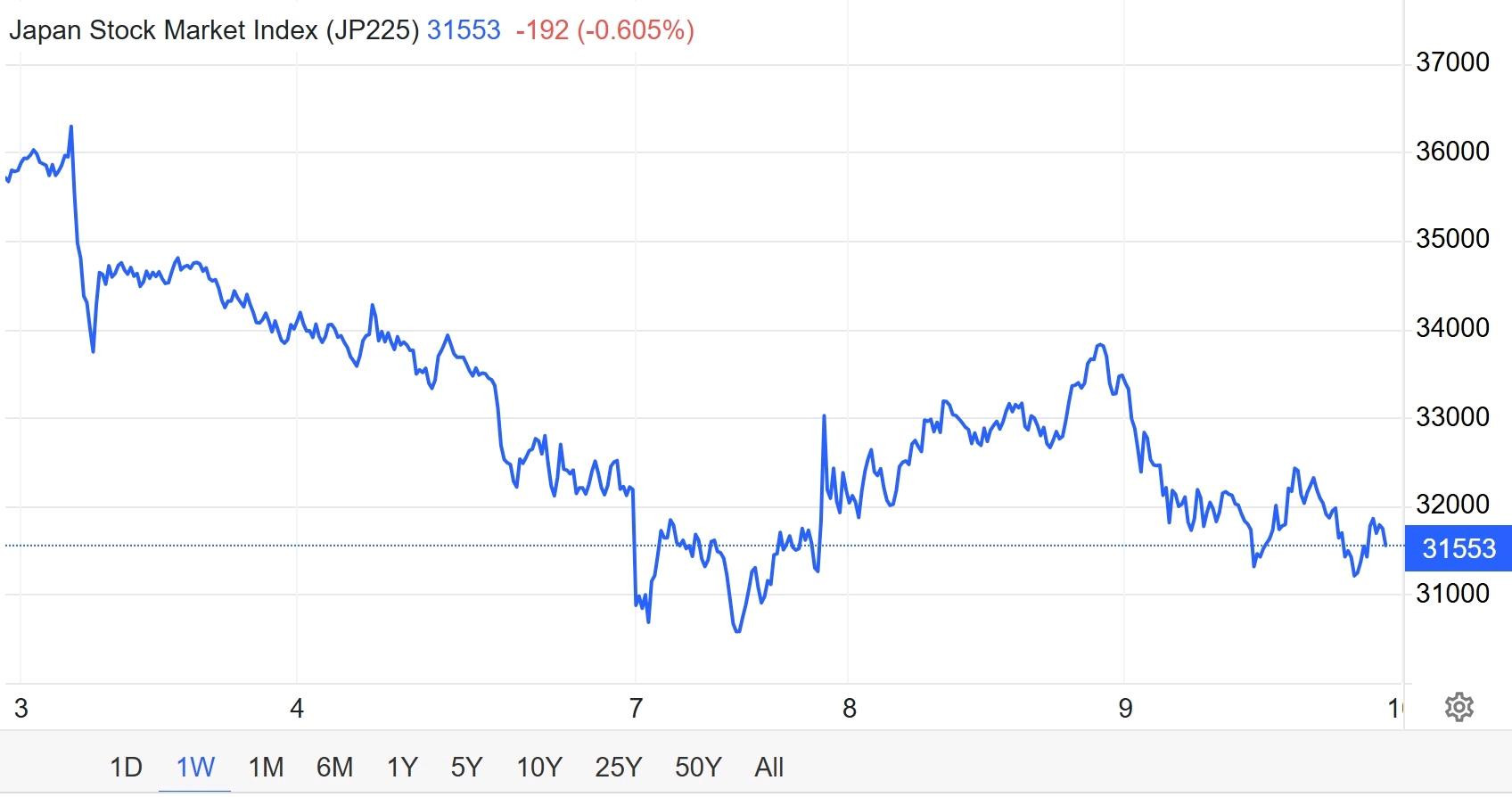
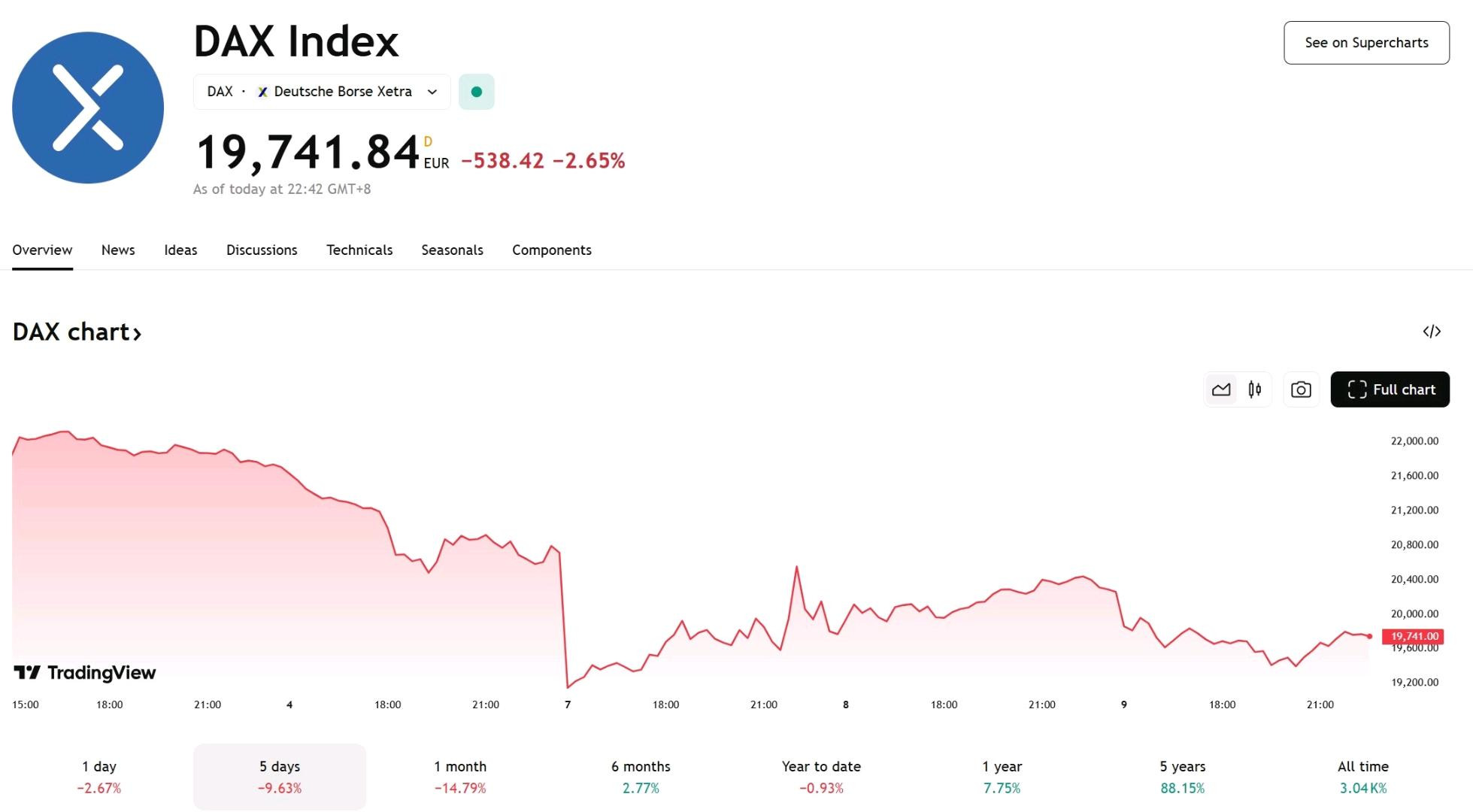
The human cost of the trade war crystallized Wednesday: Japan’s Nikkei plunged 5%, Germany’s DAX sank 4%, and U.S. Treasury yields spiked as investors fled risk. BlackRock fixed-income chief Mike Cudzil warned of a “quarter-long capital flight from U.S. assets,” while Trump’s aides reportedly scrambled to contain political fallout as lawmakers fielded irate voter calls.
“This isn’t just about economics—it’s about credibility,” said Chatham House’s Creon Butler. “By weaponizing trade, Trump has turned allies into adversaries willing to weaponize their holdings of U.S. debt.” Fears grew that China or Japan might dump Treasuries, though Tokyo denied the tactic.
Central Banks Under Siege
Caught in the crossfire, the Bank of Japan signaled a potential pause in rate hikes amid tariff chaos. Governor Kazuo Ueda acknowledged “acute uncertainty” from U.S. policies, hinting policymakers may delay further moves beyond April’s 0.5% rate until Trump’s impact clarifies. Economists warn tariffs could slash Japan’s GDP by 0.6% by 2026—a gut punch to its fragile recovery.
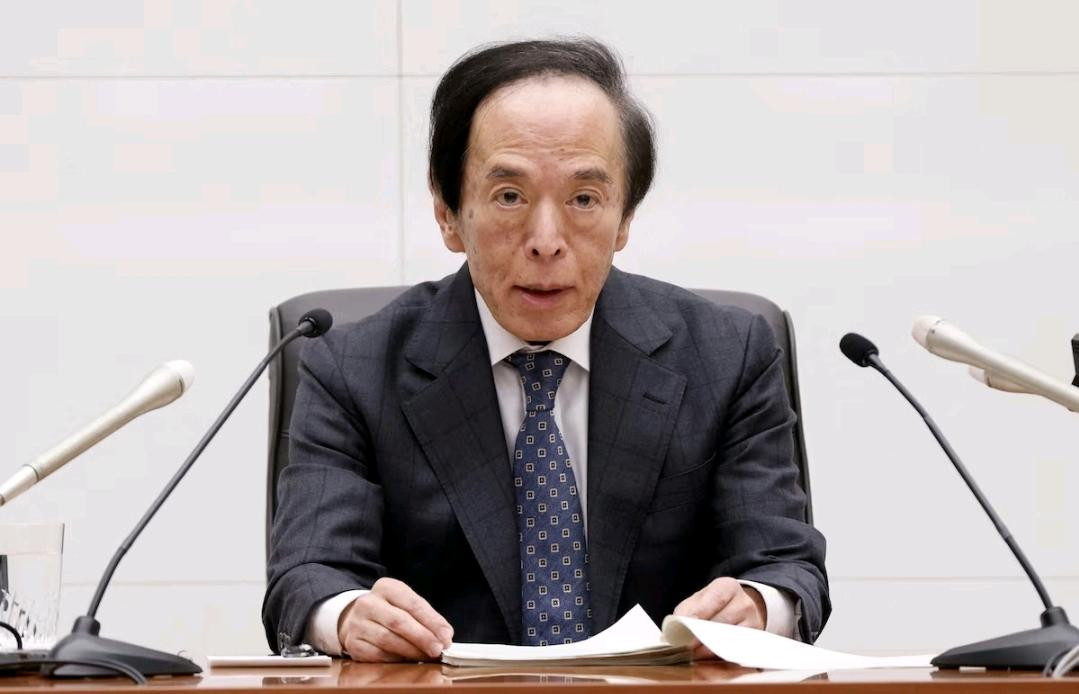
The BOJ’s dilemma mirrors a global theme: central banks must now battle inflation and trade-driven recessions. “We’re flying blind,” said Astris Advisory’s Neil Newman. “Do you hike to counter tariff-driven inflation or cut to save growth? There’s no playbook.”
The “Art of the Flop”: Trump’s High-Stakes Gamble
Behind closed doors, Trump’s team is fracturing. Advisors reportedly warned plunging markets threaten his reelection bid, prompting the president to muzzle Commerce Secretary Gina Raimondo after her comments exacerbated selloffs. Meanwhile, allies like Sen. Ted Cruz (R-TX) openly fretted: “There’s a war between angels and demons on Trump’s shoulders. Let’s pray he picks wisely.”
Yet Trump remains defiant, threatening new tariffs on pharmaceuticals—a move analysts say could spike U.S. drug prices 20%. “They’ll come crawling back,” he declared, betting America’s consumer market outweighs global outrage.
A World on the Brink
As the EU prepares its next tariff wave and Asian nations weigh retaliatory strikes, the question isn’t whether the global system survives—but how much collateral damage it will sustain. “This isn’t 2008,” warned Larry McDonald of The Bear Traps Report. “When your creditors are your enemies, there’s no bailout.” For now, businesses and central
banks cling to one grim truth: In Trump’s trade war, everyone loses—but some will lose faster, and far worse.
This content is provided for informational or educational purposes only and does not constitute investment advice.