
10 Key Investment Lessons from Ray Dalio's Mentor, Hilda Ochoa-Brillembourg

Daniel Value Investing
April 10, 2025
GoGPT Summarizes Articles
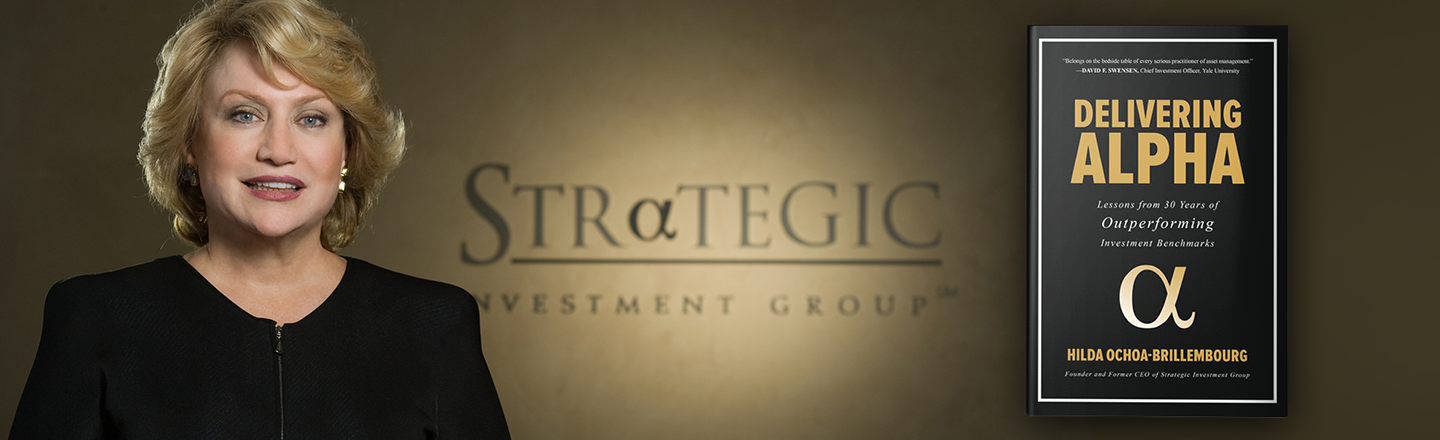
In the world of investing, the journey often teaches us as much as the theory itself. Hilda Ochoa-Brillembourg, one of the founders of Strategic Investment Group, has spent over 30 years navigating the ups and downs of the market, and her wisdom has shaped some of the brightest minds in finance, including Ray Dalio. Dalio himself has lauded her as one of the greatest investors of the last three decades.
Ochoa-Brillembourg’s experience has culminated in 10 key investment lessons, which, though seemingly simple, strike at the heart of many investors’ pain points when the market’s volatility kicks in. Here’s a breakdown of the most insightful principles from her book Delivering Alpha: Lessons from 30 Years of Outperforming Investment Benchmarks—principles that every investor, whether beginner or expert, should pay attention to:
1. Price Is Not the Same as Value
A crucial lesson Ochoa-Brillembourg emphasizes is the distinction between price and value. The price of an asset in the market doesn’t always reflect its true value to a specific investor. Investors often overlook how an asset aligns with their overall portfolio needs. This highlights a key point: while the market may set a price, the value to each individual investor may differ significantly. As Ochoa-Brillembourg puts it, "Many investors know the price of everything but the value of nothing." Understanding this discrepancy is vital for making informed investment decisions, as market inefficiencies can often present valuable opportunities for long-term investors.
2. Focus on the Price
While understanding value is important, Ochoa-Brillembourg stresses the importance of focusing on the price at which you buy an asset. If you pay too much for an asset, no matter how strong its underlying fundamentals, you may never fully recover your investment. The key here is understanding when an asset’s price has deviated too far from its historical fair value. "If you pay a reasonable price, time will allow your investment to appreciate," she notes. Conversely, paying too high a price can trap you in a "value trap," where an asset's price remains low for much longer than anticipated.
3. Don't Bet Everything on One Bet
Even with compelling evidence supporting a particular investment, Ochoa-Brillembourg warns against putting all your chips on one bet. She points out that small probability events, like extreme market crashes, can have devastating consequences if not properly managed. Risk management, in this case, isn’t about avoiding risk altogether but about ensuring your portfolio is prepared for worst-case scenarios. By diversifying your portfolio and managing liquidity, you can weather such events without jeopardizing your long-term investment strategy.
4. Pitfalls Are Inevitable
As much as diversification helps reduce risk, no portfolio is immune from mistakes. Ochoa-Brillembourg suggests that investors should accept "potholes" along the way. However, these setbacks should be minor and shouldn't derail your long-term strategy. Diversifying your portfolio ensures that one bad investment doesn’t destroy your entire portfolio. Over the decades, this principle has helped her manage risk more effectively than focusing on minimizing losses from every small failure.
5. Fraud Is Inevitable
Fraud may be less common in markets like the U.S., but Ochoa-Brillembourg recognizes that it can never be completely eliminated. Protecting yourself against fraud requires due diligence and risk diversification. Keeping a watchful eye on potential red flags and understanding the risks involved in each asset class helps minimize the impact of fraud.
6. Manage Volatility
One of the most underappreciated aspects of investing is the power of volatility. Ochoa-Brillembourg points out that the impact of annual volatility grows exponentially over time, and many investors underestimate its effect on their portfolios. Properly managing volatility is key to long-term success. It’s about balancing the expected return against the risk, adjusting your portfolio’s exposure to market swings accordingly.
7. Adversity Is a Gift
While losses can be painful, Ochoa-Brillembourg believes that adversity offers valuable lessons. In fact, it often presents opportunities to re-evaluate and adjust your strategy. Many top investors fail to recover from losses because they deviate from their initial investment beliefs when faced with setbacks. The ability to bounce back is what separates successful investors from the rest. By rebalancing your portfolio and staying disciplined, you can recover from losses and eventually outperform the market.
8. Ordinary People May Struggle to Beat the Market, But Experts Can
For most retail investors, beating the market is a tough challenge. Ochoa-Brillembourg suggests that passive management is often the best choice for inexperienced investors. However, for experts, active management can deliver superior returns, especially in niche or fragmented markets where inefficiencies exist. Here, an experienced investor can leverage their skills and knowledge to take advantage of opportunities that the broader market overlooks.
9. Alpha Hides in the Details
To generate excess returns (or "alpha"), it’s crucial to focus on the details. For example, a portfolio manager might miss out on opportunities if they’re holding too much cash or not fully utilizing their capital. The ability to "weed out" inefficiencies within your portfolio — such as excessive cash reserves or poor risk management — can unlock alpha that might otherwise remain hidden.
10. Beware of Bad Apples
The final lesson Ochoa-Brillembourg shares is about the importance of governance. Poor governance decisions can damage a portfolio more than poor management. A lack of stability in decision-making—like frequently changing portfolio managers or continually making knee-jerk reactions to short-term performance—can severely affect a portfolio’s long-term growth. Strong governance structures are critical for ensuring that the investment strategy remains aligned with long-term goals and does not get derailed by short-term market fluctuations.
Takeaway for Investors
Hilda Ochoa-Brillembourg’s investment philosophy is not about following every trend or maximizing returns at all costs. Rather, it’s about understanding the fundamental principles of risk management, diversification, and patience. By following these 10 key lessons, investors can build a resilient portfolio that’s positioned to thrive in the long run, even when market conditions are volatile.
Whether you're a seasoned investor or just starting out, these lessons are timeless. So, what’s your take? Have you learned any valuable investment lessons over the years?
#Private Market: Unlocking Potential#privatemarket#valueinvesting