
The post-dollar era is approaching? How should we respond?

Magical Investor
April 10, 2025
GoGPT Summarizes Articles
The impact of this tariff is not limited to the stock markets of various countries but also involves the entire foreign exchange system.
And I believe that the post-dollar era is approaching, and each of us should prepare in advance.
And I believe that the post-dollar era is approaching, and each of us should prepare in advance.
The Era of Dollar Hegemony
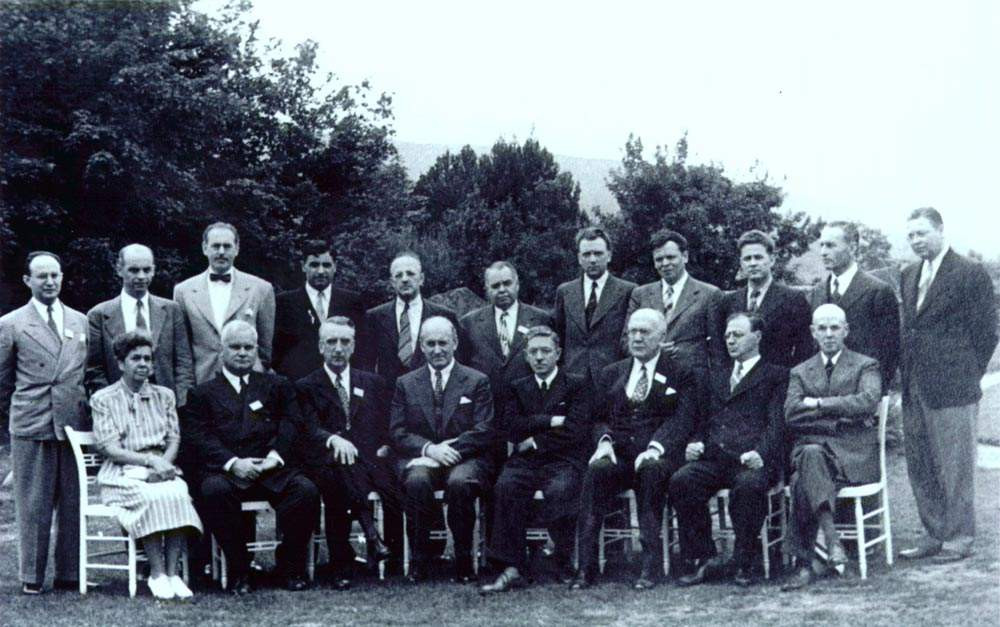
In July 1944, 44 countries reached an agreement at the Bretton Woods Conference in the United States, establishing a fixed exchange rate between the US dollar and gold ($35 per ounce), and other currencies were pegged to the US dollar, thus the Bretton Woods system was established.
On December 27, 1944, the International Monetary Fund and the World Bank were establish ed. An international monetary system centered around the US dollar was thus established. The US dollar replaced the British pound as the world currency and has continued to this day.
On August 15, 1971, US President Nixon announced the closure of the "gold window", terminating the fixed exchange of the US dollar for gold ($35 per ounce), marking the failure of the core mechanism of the Bretton Woods system.
And In 1973, major countries fully shifted to a floating exchange rate system, and the system completely collapsed.
And In 1973, major countries fully shifted to a floating exchange rate system, and the system completely collapsed.
At this time, the US dollar encountered its first problem as a world currency: the Triffin Dilemma. The essence of this dilemma is that the US dollar needs to meet both the global liquidity demand and the requirement for currency stability, resulting in a trade-off between the credibility of the US dollar and its gold reserves.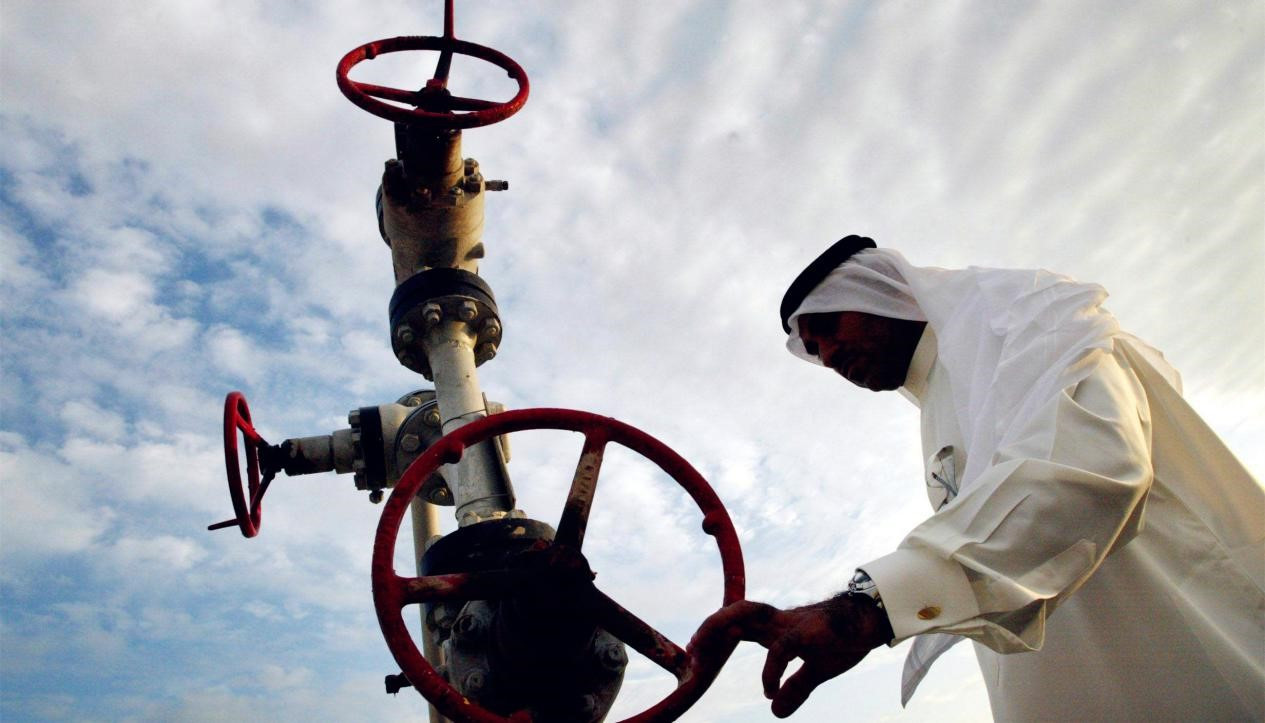
As the world economic hegemon at that time, the US dollar made its first new attempt as a global currency: the petrodollar. In 1974, the United States reached the "Petrodollar Agreement" with Saudi Arabia.
The US dollar was tied to oil. Saudi Arabia and other OPEC countries promised to price and settle oil exports in US dollars, and other countries needed to reserve US dollars to purchase oil. Oil-exporting countries invested their US dollar revenues in US Treasury bonds and the financial market to support the liquidity of the US dollar.
Through oil, a necessary commodity for global industrial consumption, the US dollar's global currency status was solidified.
The United States exported US dollars globally through trade deficits, and countries made the US dollar flow back to the United States by purchasing US bonds, US stocks, and other assets.
The United States exported US dollars globally through trade deficits, and countries made the US dollar flow back to the United States by purchasing US bonds, US stocks, and other assets.
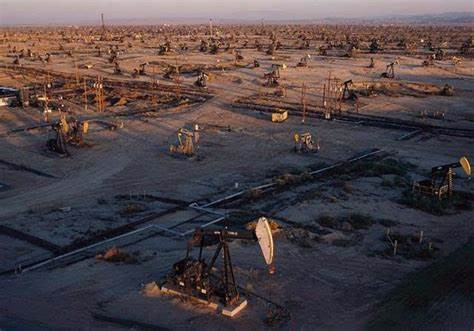
However, the petrodollar system was not stable. With the impact of the shale oil revolution, the United States changed from an oil-importing country to a net oil-exporting country, weakening the pricing power of OPEC, and the logic of the US dollar-oil tie was weakened.
But due to the rigid development of oil trade globally, the US dollar, as the world's pricing currency, has penetrated into all aspects of global settlement. Even without the support of oil, the US dollar still relies on the endorsement of the overall strength of the United States.
That is, the global dependence on the United States' technology, market, and financial system exceeds the dependence on oil. At this time, the anchor of the US dollar has gradually shifted to national credit.
The status of the world currency has brought cheap goods and high incomes to the United States. It reaps high-quality global assets through the dollar cycle. However, once the national credit of the United States collapses, it means the default of the US dollar on a global scale.
Due to the huge and hard-to-reverse interest on US Treasury bonds, it is not difficult to understand the actions of the Trump administration after taking office.
The problem of world trade today is almost the same as the collapse of the Bretton Woods system back then. The collapse of the Bretton Woods system was because the market no longer believed that the United States could provide enough gold to exchange for US dollars. And the problem of world trade today is that the "gold" has been replaced by "US Treasury bonds", and people no longer believe that the United States can repay the national debt as promised.
We all know that US Treasury bonds are the anchor for issuing US dollars.
After the 2008 financial crisis, the quantitative easing (QE) of the Federal Reserve led to the over-issuance of the US dollar. The scale of US Treasury bonds soared from $5.6 trillion in 2000 to $27 trillion in 2020. By January 2025, it had increased to $36.22 trillion, reaching an all-time high. Obviously, the US finance is unable to pay the interest on such a large-scale national debt.
Economists and politicians often talk about this fact without scruple. Everyone knows that the United States may not be able to repay the national debt, or even the interest, but everyone turns a blind eye to this problem.
In a sense, Trump is actually very great. He has made up his mind to break with the past. The United States has been overly dependent on printing money to develop the economy, and the world has been overly dependent on the US dollar. It is time for them to decouple. But decoupling does not mean that world trade will disappear. On the contrary, this is the beginning of a new connection. And in the newly connected world, there will no longer be dollar hegemony, which is a good thing for both the world and the United States.
I have always been surprised about the US Treasury bonds. Because I think everyone should know that US Treasury bonds have become a huge bubble.
Every year, the United States issues new bonds to repay old ones. The interest cost of the outstanding debt is fixed. If the interest rate remains relatively high for a long time, it means that the borrowing cost for the US government to issue new bonds to repay old ones will be very high. Just this year, the amount of US Treasury bonds to be replaced is about $9.2 trillion.
Just do a simple calculation: before Trump announced the tariff increase, the yield on US Treasury bonds was about 3.9% and was still declining. After the tariff increase, it is currently 4.445%. The difference is 0.65%. The increased interest on $36 trillion in national debt is $234 billion. Trump's efforts are not enough to offset the soaring interest on US Treasury bonds.
How to Face the Post-dollar Era
Then, how should we face the post-dollar era?
Each of us needs to re-examine our investment and asset allocation strategies.
Reduce the over-concentrated allocation of US dollar assets and increase the proportion of investment in precious metals such as gold and silver.
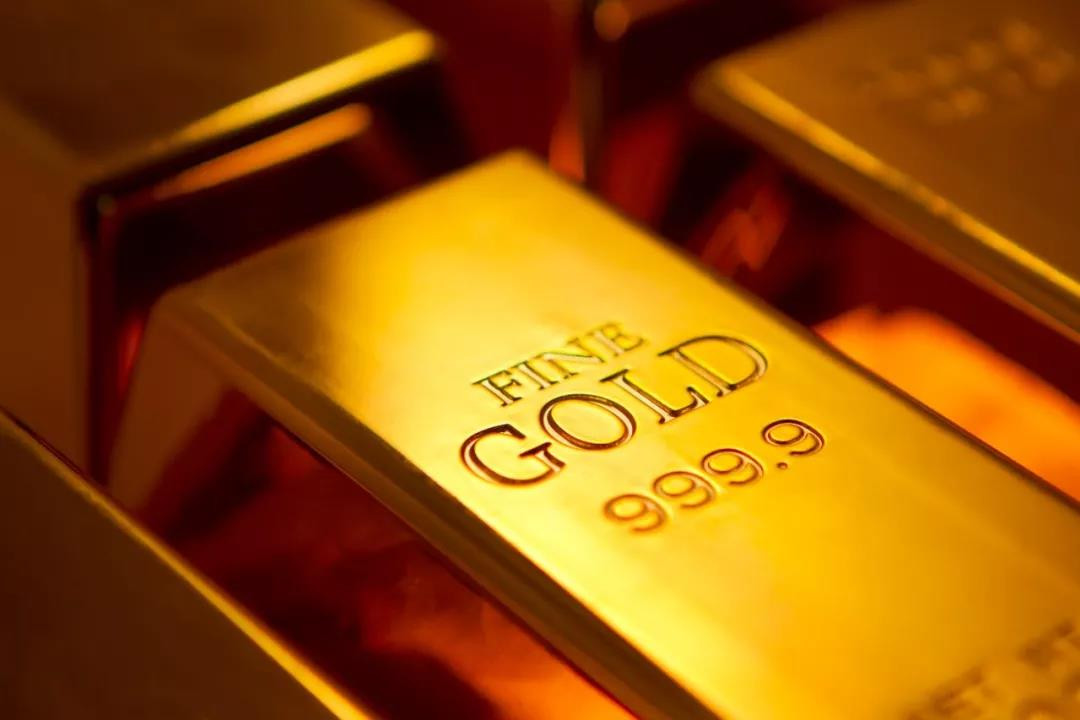
As a traditional safe-haven asset, gold can often play a role in preserving and increasing value during periods of global economic and monetary system instability.
As a traditional safe-haven asset, gold can often play a role in preserving and increasing value during periods of global economic and monetary system instability.
In addition, we can also pay attention to high-quality assets in emerging market countries, such as the stocks and bonds of some developing countries with strong economic growth and stable policies.
With the formation of a multi-polar economic pattern in the post-dollar era, emerging market countries will welcome more development opportunities, and their assets are also expected to obtain higher returns.
In asset allocation, more attention should be paid to physical assets. Physical assets can ensure the basic needs of life during economic fluctuations, and their value may also rise steadily with the development of the global economy.
At the same time, currencies such as the euro and the Chinese yuan, which are also widely used globally, may also have investment opportunities.
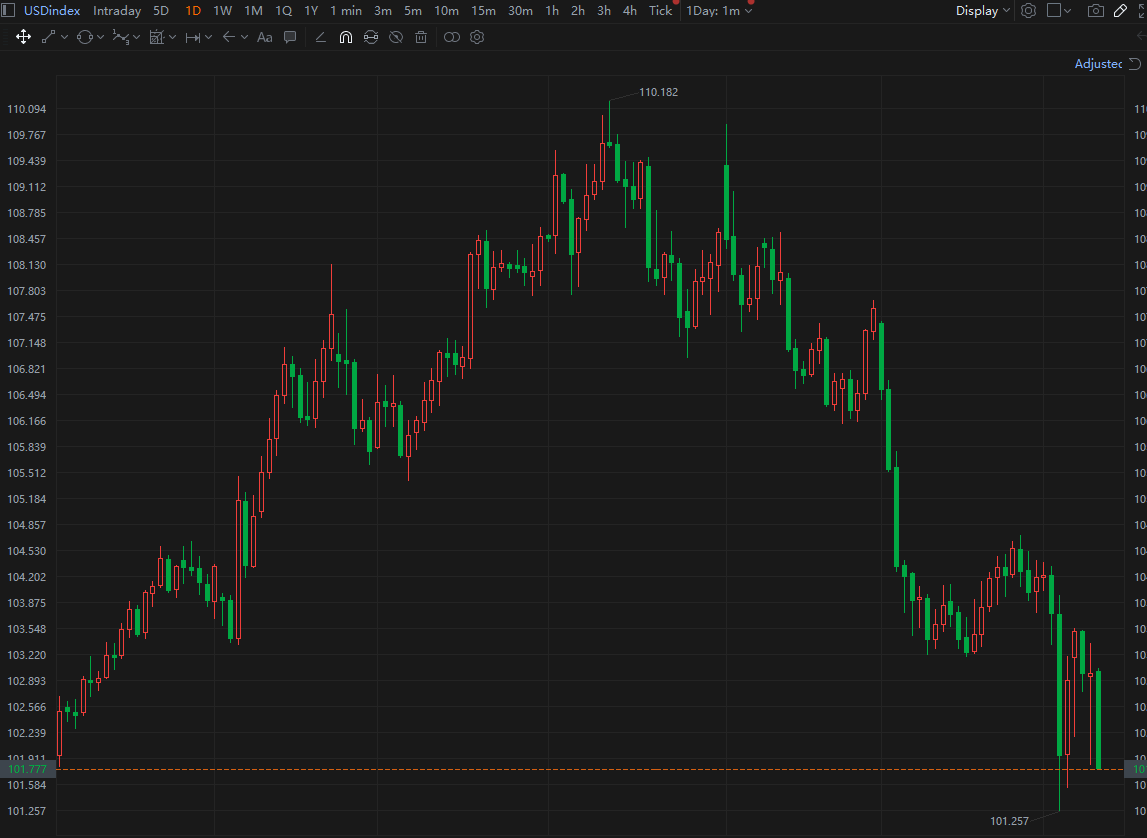
The US dollar index does not seem to be high at present. As countries reduce their dependence on the US dollar system, it may enter a long-term downward channel.
#Forex & Commodities Pulse: Tracking Global Prices