
US Inflation Cools Temporarily as Trade War Clouds Gather

The latest US inflation data offers a brief reprieve before looming tariffs threaten to reignite price pressures. The March Consumer Price Index (CPI), released Thursday, showed headline inflation rising 0.1% month-over-month—the smallest increase in eight months—while core inflation climbed 0.3%. Annual headline inflation eased to 2.5% from 2.8%, with core inflation dipping to 3.0%. But economists warn this moderation could be short-lived as trade policies begin reshaping the inflation landscape.

Key Drivers of March’s Slowdown
Energy costs, particularly gasoline, drove much of the slowdown, falling 2.5% in March. Food prices also showed tentative signs of cooling, with egg prices stabilizing after avian flu-related spikes earlier this year. Analysts at Morgan Stanley noted that declining wholesale egg prices and reduced disease outbreaks could further ease food inflation—at least until new tariffs disrupt supply chains.
Services inflation, a persistent concern for policymakers, continued its gradual decline. Airfares and hotel rates softened amid weaker consumer demand, while wage growth stagnation limited price hikes in healthcare and insurance sectors. BNP Paribas highlighted subdued consumer confidence as a factor dampening services spending, though cautioned that this trend might not hold if trade uncertainties persist.
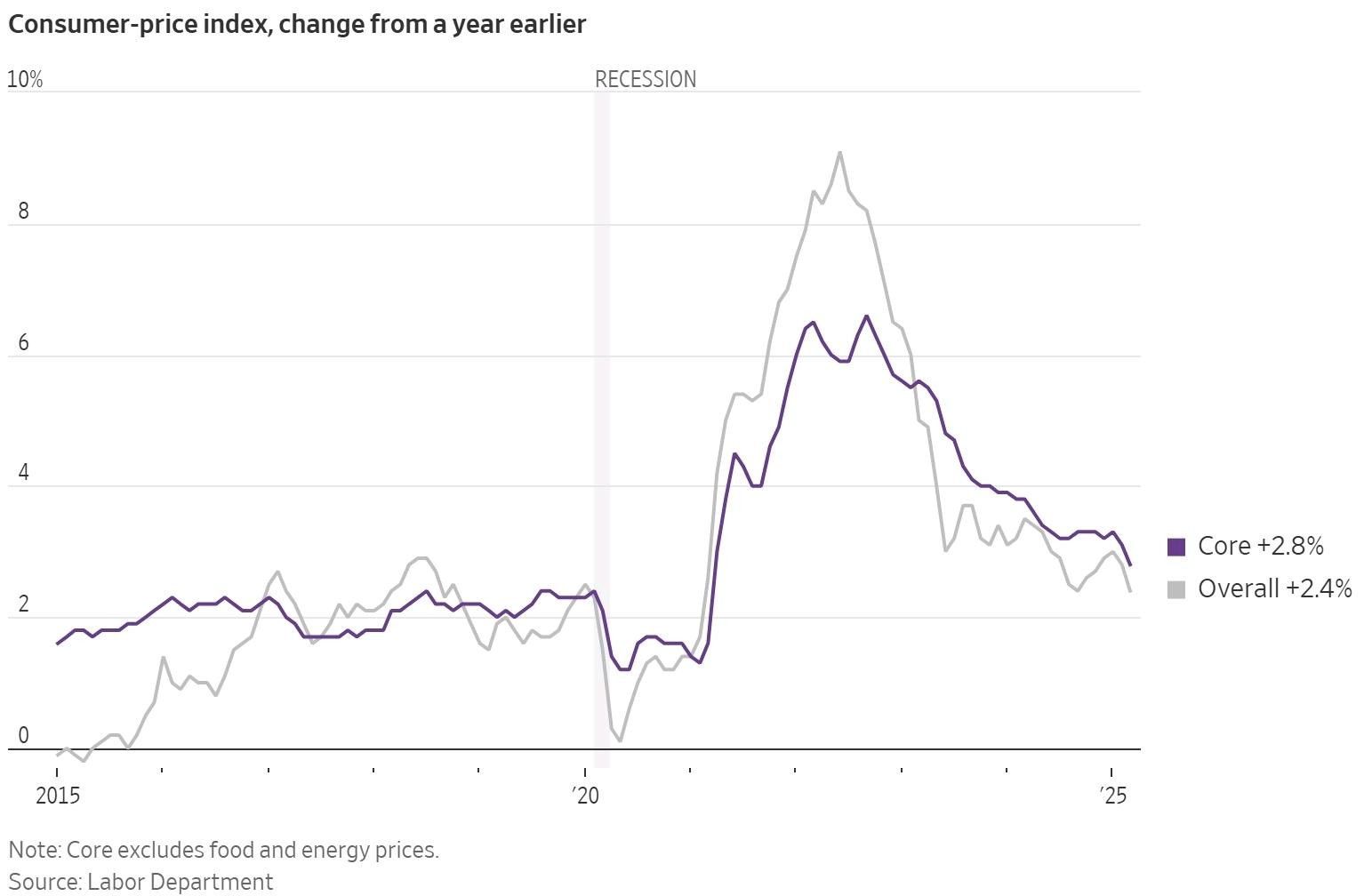
The Tariff Time Bomb
Despite the White House’s 90-day pause on new tariffs this week, existing levies imposed since February are already influencing prices. Apparel, furniture, and electronics—categories heavily reliant on Chinese imports—saw accelerated price growth in March. Deutsche Bank estimates clothing costs rose 0.5% due to tariffs, while UBS warned of six consecutive months of goods inflation ahead as import costs ripple through supply chains.
Historical patterns suggest the full impact of tariffs will emerge gradually. UBS economist Alan Detmeister pointed to the 2018-2019 trade war, where consumer price effects peaked four to six months after tariff implementation. “April’s CPI data in May will reveal whether we’re seeing the first wave of tariff-driven inflation,” he stated.
Federal Reserve’s Tightrope Walk
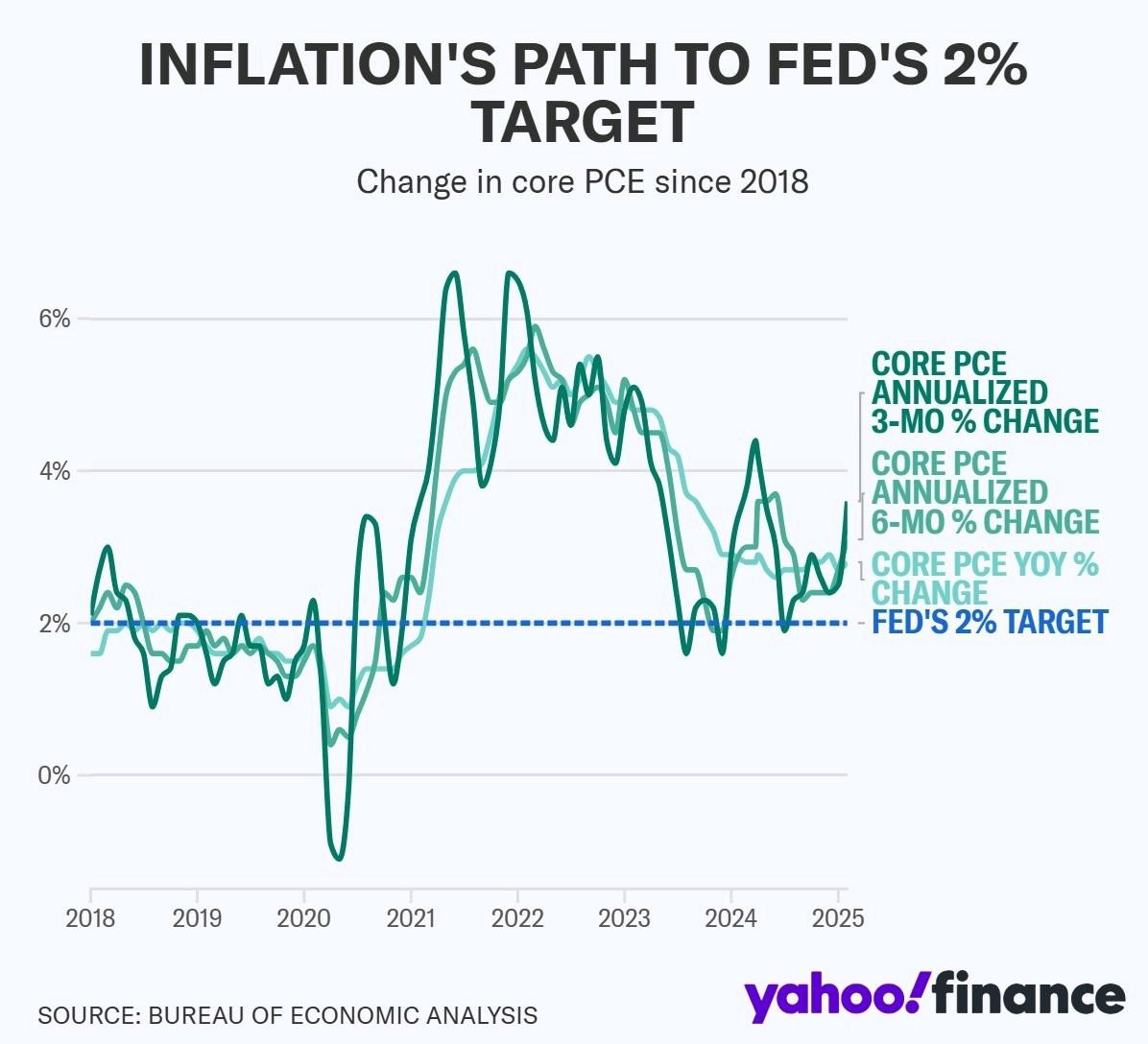
The inflation cooldown initially fueled speculation about potential Federal Reserve rate cuts. Citi analysts argued that a softer core CPI reading could justify a May cut to address growth risks. However, Fed Chair Jerome Powell has repeatedly emphasized prioritizing inflation containment over preemptive easing, particularly with trade-related price risks mounting.
Minutes from the Fed’s March meeting revealed policymakers’ growing unease over stagflationary pressures—slowing growth paired with stubborn inflation. Some officials warned of “difficult trade-offs” if tariffs push prices higher while economic activity weakens. Goldman Sachs trader Joseph Briggs noted, “The Fed’s tolerance for inflation surprises has shrunk now that recession fears have eased.”
Gold Shines Amid Uncertainty
Gold prices surged 1% ahead of the CPI release, breaching $2,130 per ounce as investors sought refuge from trade tensions and geopolitical risks. The metal has gained over 18% this year, buoyed by central bank purchases, ETF inflows, and its dual appeal as an inflation hedge and safe asset.
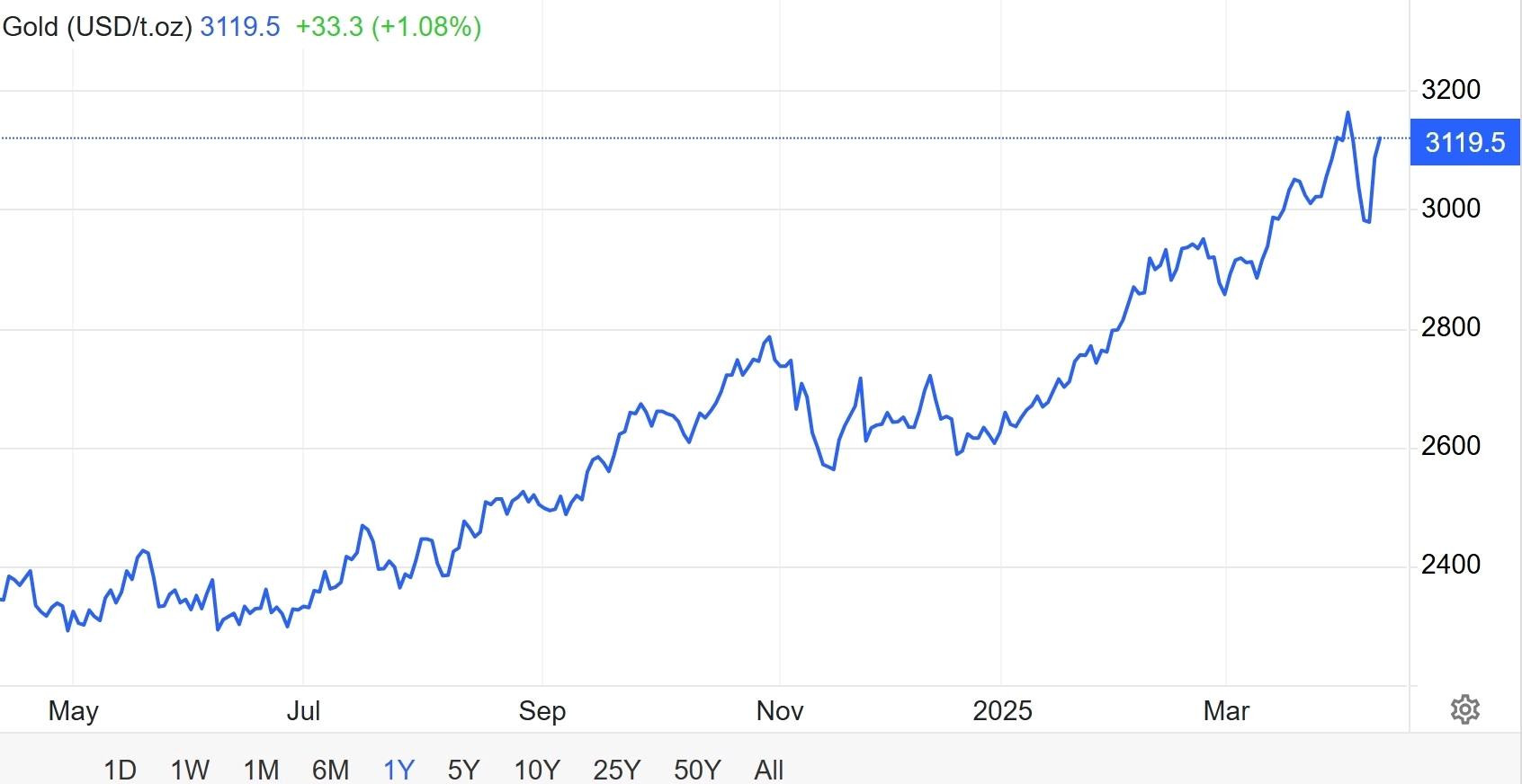
Technical analysts flagged bullish momentum, with prices breaking above key resistance levels. Marex’s Edward Meir projected a rally toward 2,200 by June if inflation concerns intensify alongside sluggish growth. However, hotter−than−expected CPI data could test support near 2,000, underscoring gold’s sensitivity to shifting rate expectations.
Looking Ahead
Friday’s Michigan Consumer Sentiment Index will provide further clues about inflation expectations and spending intentions. Yet the true litmus test arrives in mid-May with April’s CPI report, which will show whether tariffs have started materially altering inflation trajectories.
For now, the economy balances on a knife’s edge: cooling services prices offset by gathering goods inflation, temporary energy relief countered by persistent trade risks. As Pantheon Macroeconomics warned, “March’s data may mark the calm before the storm—a storm largely made in Washington.” The Fed’s next move hinges on which force prevails.
This content is provided for informational or educational purposes only and does not constitute investment advice.