
Tariff Twist Shakes Markets and Sparks Insider Trading Accusations

In a stunning policy reversal, President Trump abruptly halted steep tariffs on over 75 countries for 90 days, igniting a massive rally on Wall Street. This unexpected pivot not only rescued a wobbling bond market but also raised serious questions about internal decision-making and potential insider trading. Here’s a closer look at the key developments behind the dramatic change, along with the controversies unfolding on Capitol Hill and Wall Street.
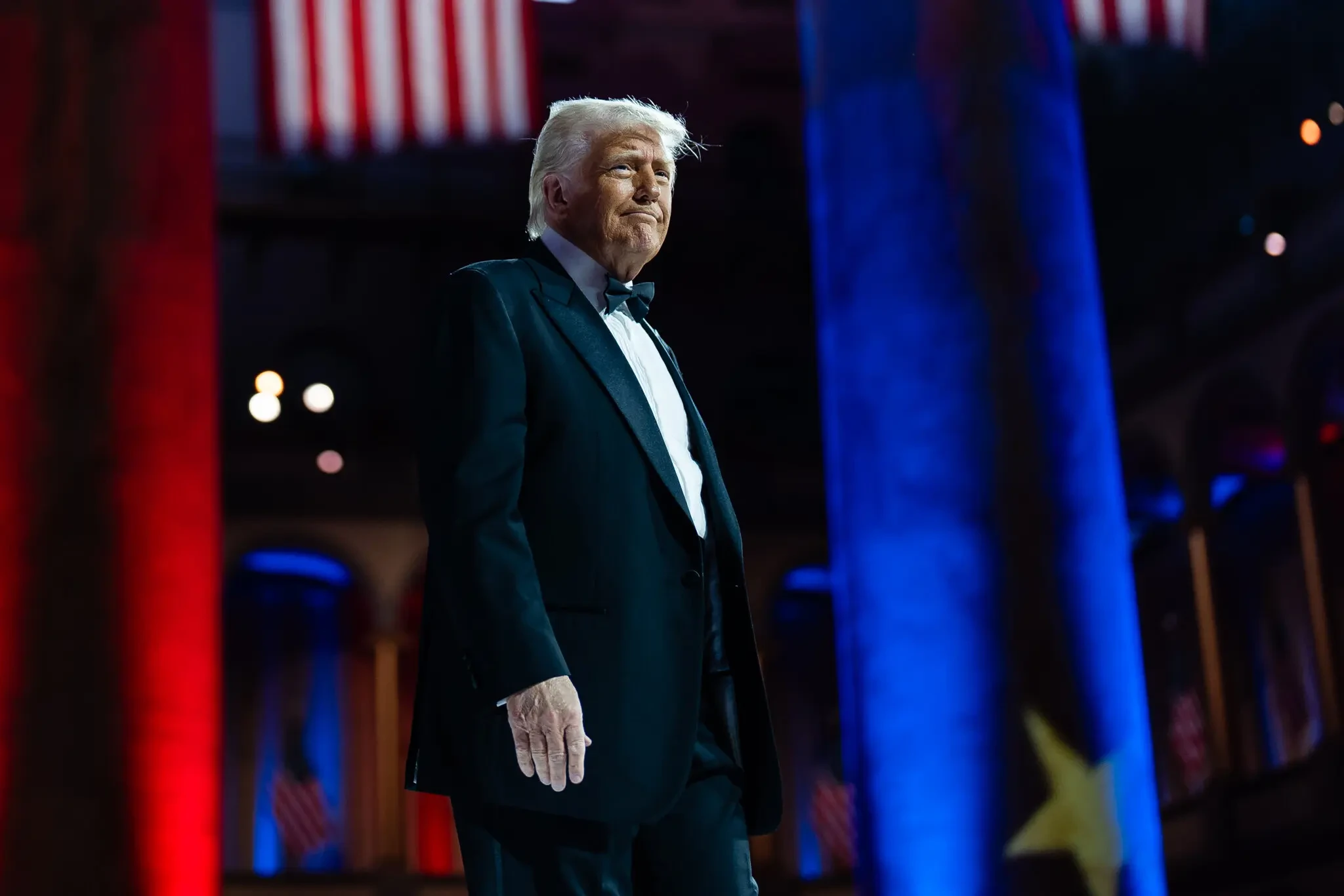
Sudden Policy Shift Sparks Market Rally
Late on Wednesday, in a move that stunned markets worldwide, President Trump abruptly abandoned his planned aggressive tariff actions. Instead of imposing high tariffs that had fueled extreme volatility just 13 hours earlier, he ordered a temporary pause. Under the new arrangement, “reciprocal tariffs” on more than 75 trading partners are reduced to 10% for 90 days while negotiations are underway.
The reaction was immediate and dramatic. Major U.S. stock indexes surged—the Nasdaq recorded its largest one-day gain since 2001, while both the S&P 500 and Dow Jones saw similarly impressive rebounds. Not only stocks but also commodities such as gold and crude oil enjoyed notable gains, as investors welcomed the newfound stability after a period of uncertainty.
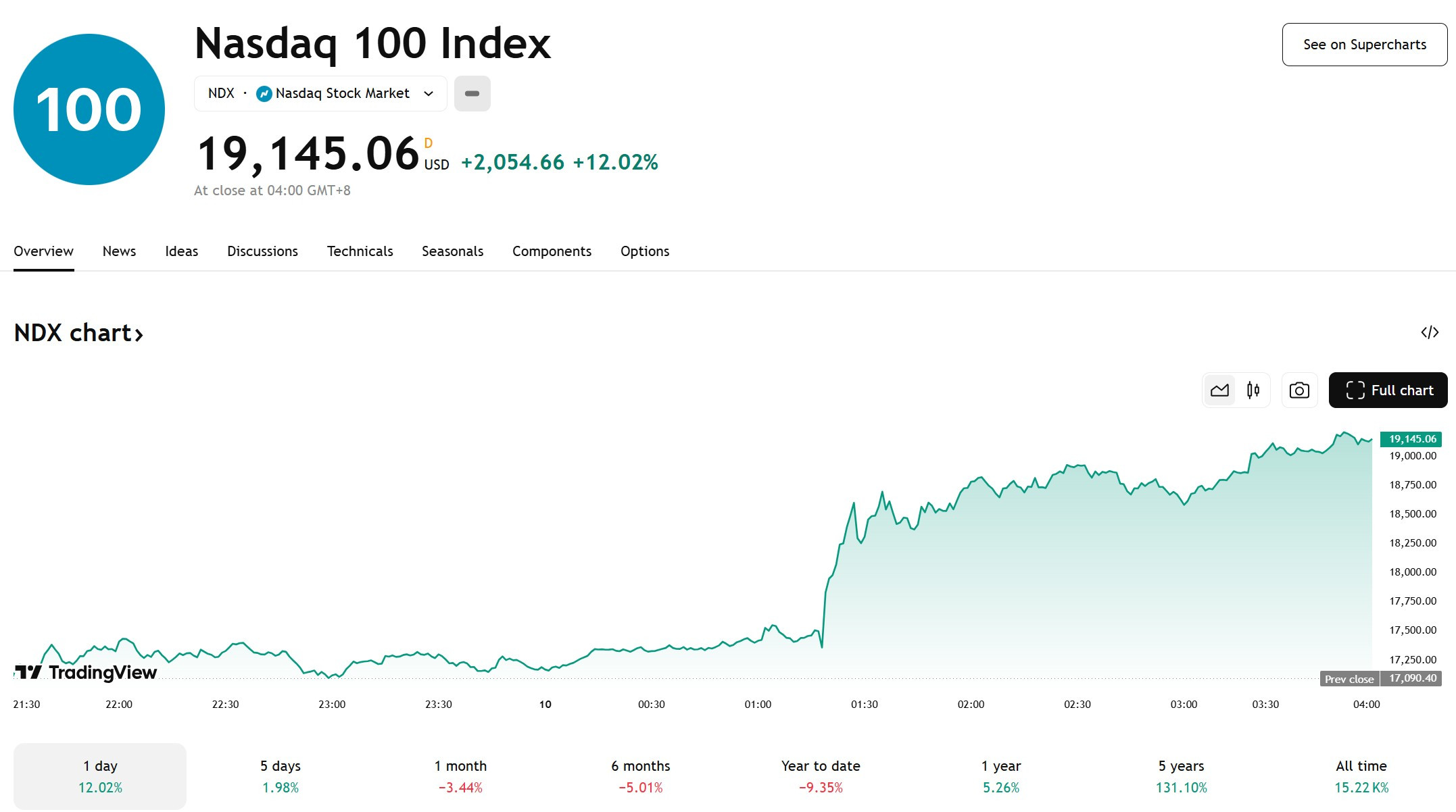
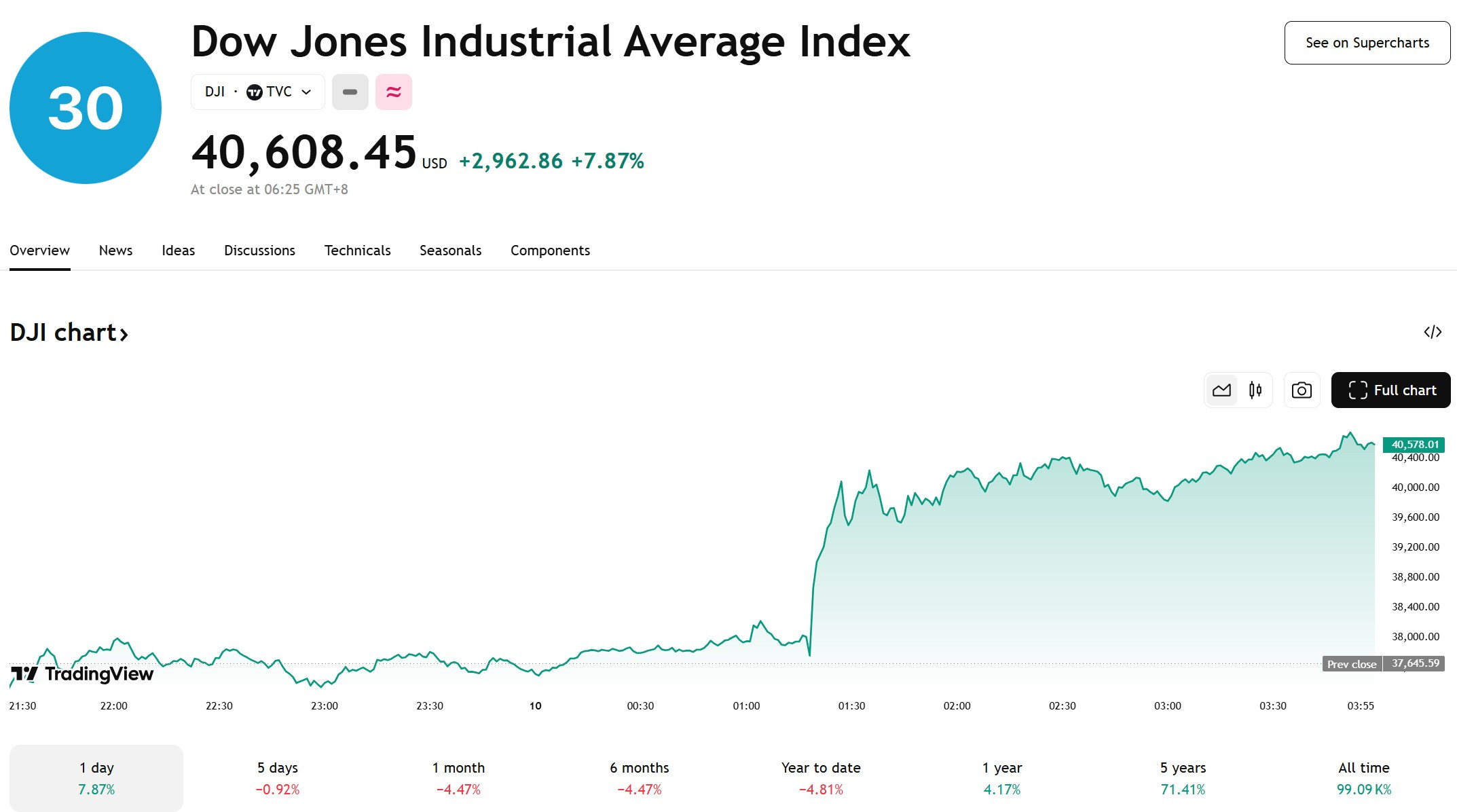
The announcement was made on President Trump’s social media platform, leaving many within his own administration scrambling for information. The U.S. Trade Representative, caught off guard during a congressional hearing, could only reveal that he had learned about the decision moments before being questioned. This lack of internal communication sent shockwaves across policy circles and financial markets alike.
Inside the White House: The Power Behind the Pivot
One of the more intriguing aspects of this saga is the mystery surrounding the internal discussions that led to the policy reversal. Reports indicate that only a couple of key officials—the Treasury Secretary Scott Bessent and the Commerce Secretary Howard Lutnick—appeared to have been in the loop before the decision was publicized.
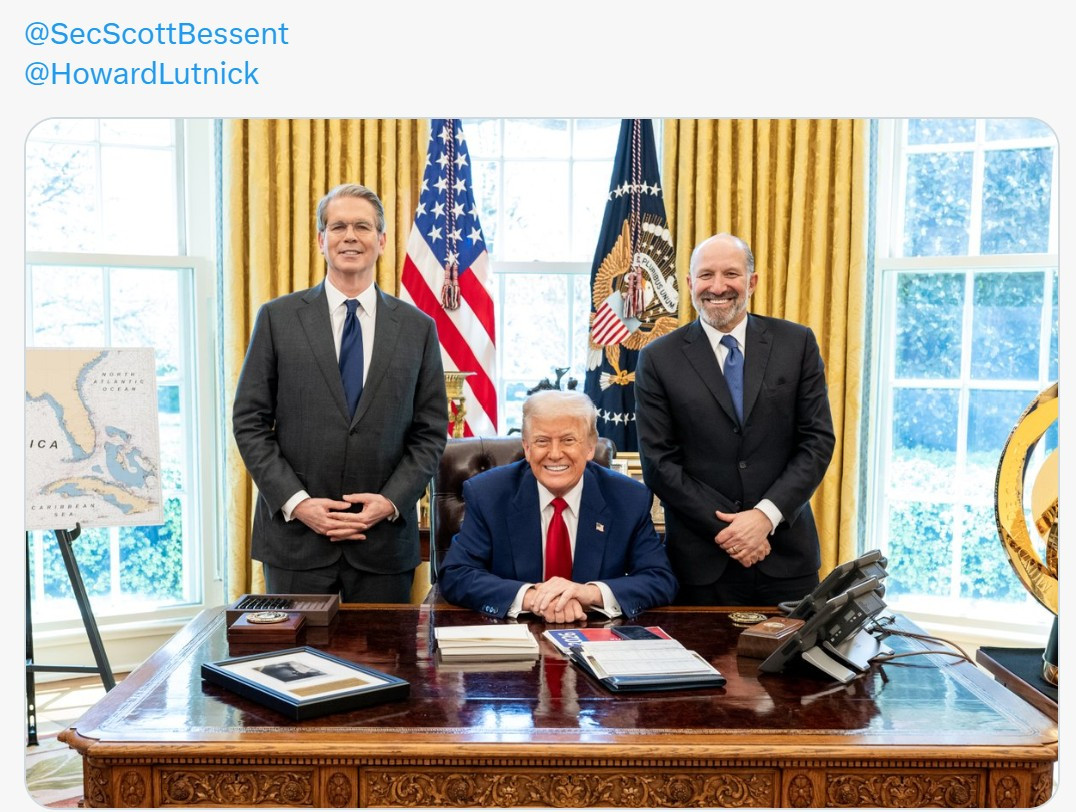
Photos from the White House show President Trump seated alongside these two officials as he made his announcement, suggesting their close involvement. Despite Trump’s insistence that his decision was influenced by alarming bond market movements, insiders suggest that the Treasury played a crucial role. Rising U.S. Treasury yields, which spiked to levels not seen in recent times, were believed to be severely undermining investor confidence.
High-ranking government sources revealed that officials had warned the President about the risks of an escalating bond selloff. Even though some in the administration tried to downplay the bond market’s influence by calling the move part of a broader strategic plan, the rapid shift in financial markets hints that pressure from within—particularly from the Treasury—was a decisive factor.
Bond Market Turmoil: Crisis Averted or Postponed?
In recent days, U.S. Treasury yields had surged dramatically, with the 10-year yield briefly topping 4.5%. This unprecedented bond market volatility caused anxiety among investors and policymakers. The drastic rise in yields was widely viewed as a warning sign of a potential liquidity crisis, and some analysts argue that the decision to pause the tariffs was aimed at calming the market.
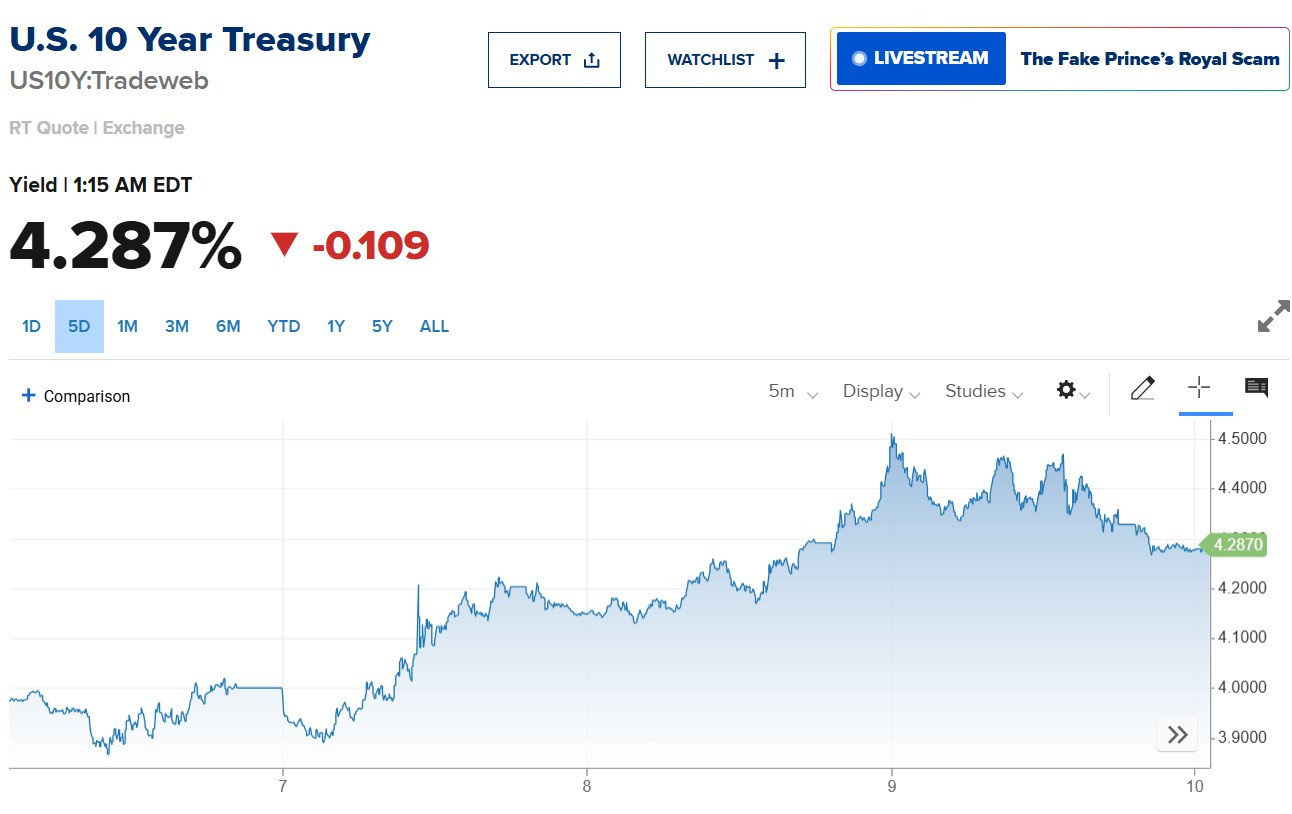
Even as stocks rallied on the news of the pause, uncertainty persists. Financial experts caution that the 90-day tariff freeze, while initially soothing, could simply delay further market turmoil. For many companies, the temporary suspension adds another layer of unpredictability, complicating strategic planning in an environment where trade policies seem to shift overnight.
Allegations of Insider Trading Raise Eyebrows
Amid the policy pivot, a separate controversy has emerged regarding suspicious trading activity that many believe points to insider knowledge. In the hours leading up to the announcement, unusually large option trades were detected in key indices and in stocks connected to the President’s business interests.
Reports indicate that traders amassed significant positions in near-expiry call options on instruments such as the SPDR S&P 500 ETF, Nasdaq-tracking securities, and shares of Trump Media & Technology Group. One notable trade reportedly turned a modest investment into a gain exceeding 2,000 percent in just an hour, a return so extraordinary that it has fueled allegations of market manipulation.
Market watchers claim that the timing and size of these trades could not be dismissed as mere coincidence. They suggest that certain market players might have been privy to the impending policy reversal well before it became public knowledge, thereby profiting handsomely at the expense of ordinary investors.
Public Endorsement and Market Manipulation Concerns
Not content to rest on the policy change alone, President Trump took to his social media platform to encourage Americans to invest. He declared the nation “stronger than ever” and urged investors to “buy stocks” immediately. His public call came on the heels of the tariff pause, sparking a surge in markets that saw indices and individual stocks alike post significant gains.
Critics argue that this isn’t merely a case of optimistic messaging; it smacks of market manipulation. Some retail investors have taken to online forums to voice concerns that Trump’s statements, coupled with the timing of the tariff decision, appear to be an orchestrated effort to bolster financial markets—and possibly his own financial interests. His direct involvement and ownership stakes in a media and technology company have only intensified these suspicions.
Supporters, however, maintain that the President’s tweets are nothing more than expressions of confidence meant to restore market calm in turbulent times. Despite these defenses, the convergence of a high-profile policy reversal, explosive market gains, and anomalous trading activity continues to provoke strong debate over ethical boundaries in the use of political power for economic ends.
Looking Ahead
The 90-day tariff freeze, combined with a swift call to action for investors, has undeniably brought immediate relief to volatile markets. Yet, the incident exposes deep fissures within the administration and raises significant questions about decision-making protocols and the potential for abuse of insider information.
As the temporary pause unfolds, investors and policymakers alike remain on alert for any signs that aggressive tariff measures might return. Meanwhile, investigations into the suspicious trading activity are likely to intensify, with questions about transparency and fairness in high-stakes market transactions demanding clear answers.
This episode stands as a vivid reminder of the intricate and sometimes perilous interplay between political decisions and financial market dynamics—a reminder that in today’s rapidly changing global landscape, clarity and accountability have never been more critical.
This content is provided for informational or educational purposes only and does not constitute investment advice.