
Is a Financial Storm Brewing? Why the Fed Is on High Alert

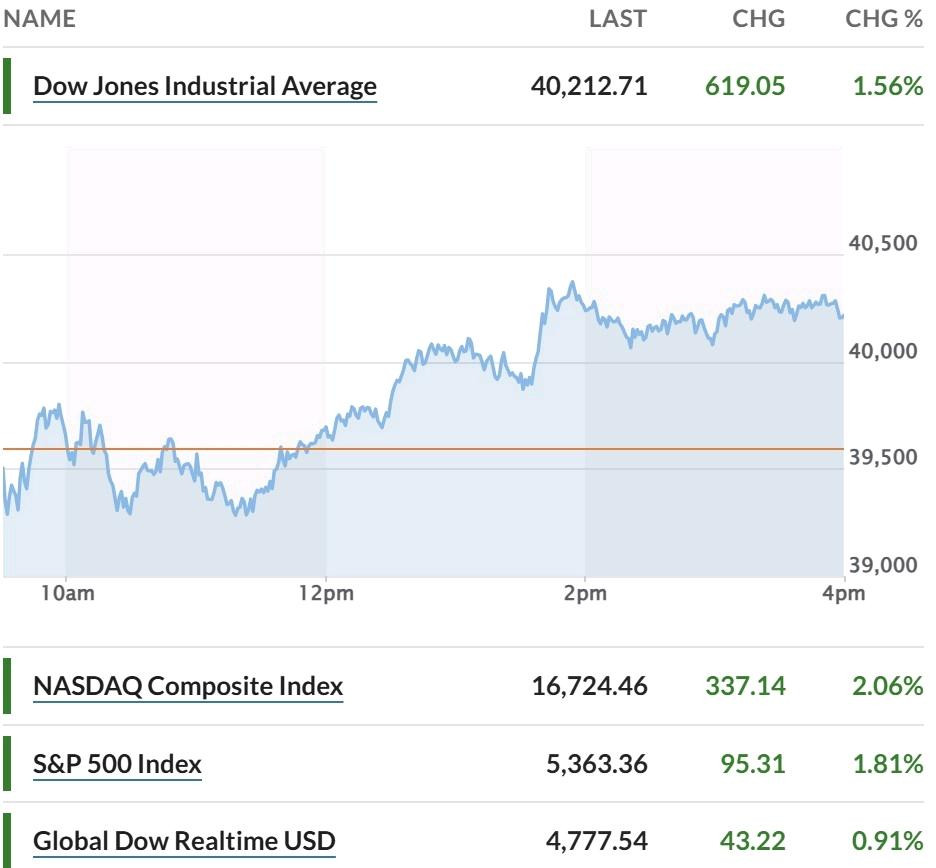
In the midst of escalating tariff tensions and growing economic uncertainty, key financial leaders are signaling that the U.S. may be on the brink of significant market instability. High-profile Fed officials have warned that, should disturbances worsen, the central bank stands ready to step in and stabilize the situation. Yet, with inflation forecasts higher and liquidity in the U.S. Treasury market deteriorating at alarming rates, investors are increasingly worried about what lies ahead.
The current environment reflects a confluence of pressures—from disruptive tariff policies to volatile bond market conditions—that collectively paint a picture of heightened risk across U.S. financial assets. In this article, we break down the challenges facing the market and the steps anticipated from top policymakers.
Will the Fed Step In Before It’s Too Late?
Swift Action on Liquidity Concerns
Boston Fed President Susan Collins has been unequivocal in her message: if market conditions deteriorate, the Federal Reserve is “absolutely” prepared to utilize its extensive toolkit to restore stability. Collins stressed that while current operations appear orderly and systemic liquidity issues have yet to emerge, the central bank is ready to act if conditions turn dire. Reflecting on historical precedents, she noted that similar interventions were carried out during past crises, such as the tumultuous days of the 2008 financial crisis and the 2020 pandemic-triggered market stress.

This readiness is intended as a preventive measure—a signal to market participants that the Fed is keeping a close eye on evolving conditions. Collins highlighted that the traditional core rate policy is not the only instrument available and that the institution has several permanent mechanisms designed to support market operations. Her message is clear: in a volatile market driven by unpredictable trade policies, the Fed stands prepared to intervene to prevent disorder.
Are We Headed for Stagflation?
Economic Projections Under Tariff Pressure
Echoing similar concerns, New York Fed President John Williams issued a stark warning regarding the economic fallout from recent tariff escalations. Williams predicted that aggressive tariff measures could push the inflation rate to around 4%, significantly above the Fed’s 2% target, while also dragging economic growth well below expected levels—potentially under 1% for the year. His forecast also raised the specter of rising unemployment, with figures possibly edging toward 4.5% to 5%, a marked increase from current levels.
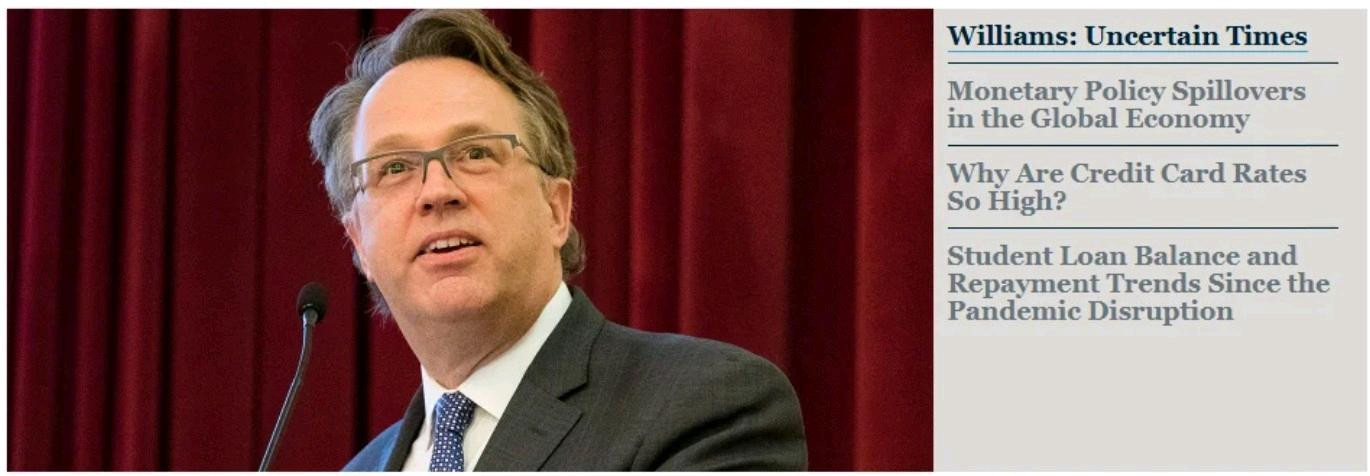
Williams’ comments are particularly disconcerting because they directly challenge earlier, more optimistic projections. During the Fed’s March meeting, forecasts had been set at a 2.7% inflation rate alongside modest growth of 1.7%. The contrast between these figures and Williams’ more pessimistic outlook underscores the economic strain imposed by recent policy shifts. Furthermore, declining consumer and business confidence—evident from recent survey data—suggests that market participants are bracing for tougher economic times ahead.
Market Sentiment and Consumer Confidence
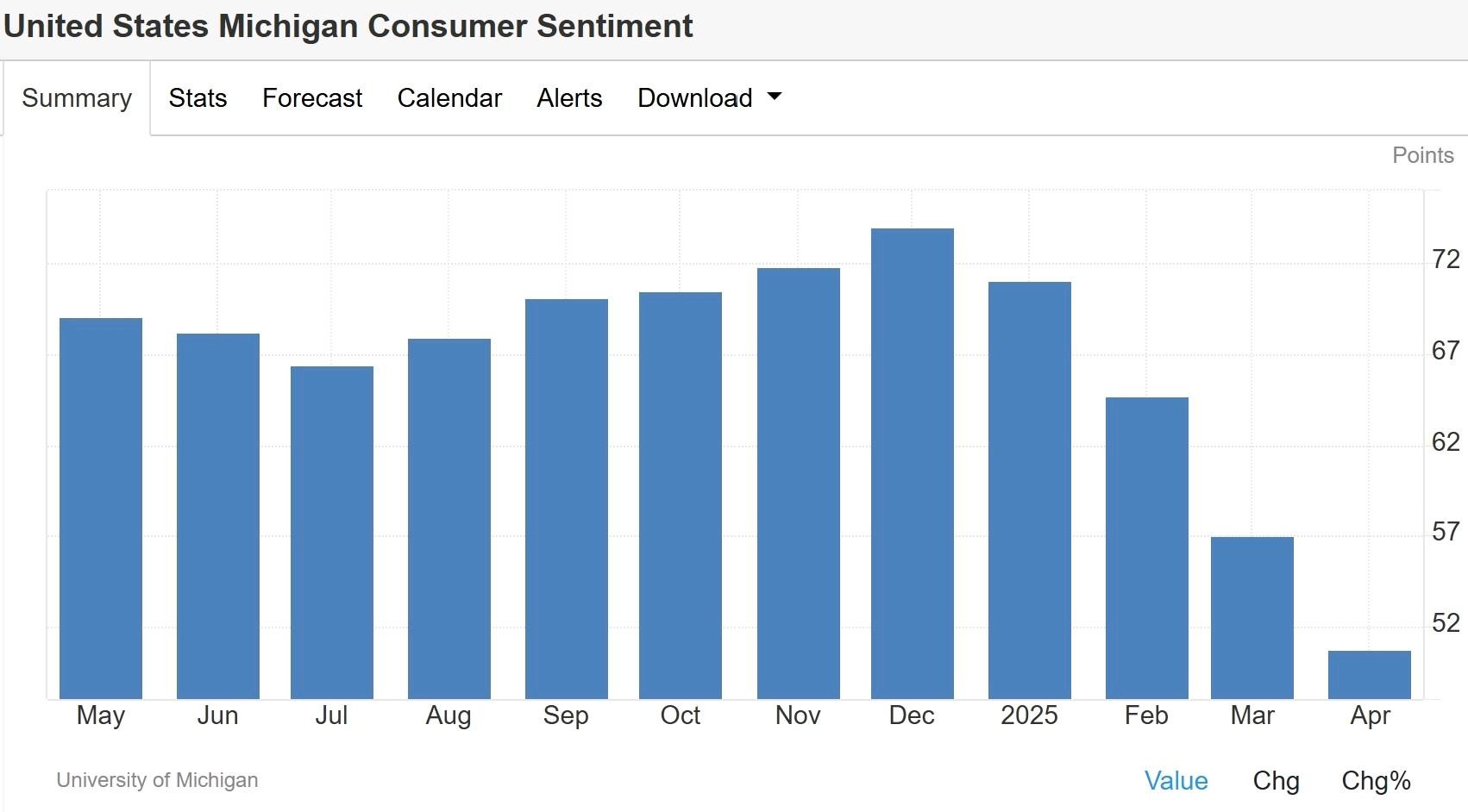
Recent reports reinforce these warnings. For instance, consumer sentiment indicators, such as those published by the University of Michigan, have reached multi-decade lows, with expectations for future inflation now peaking at historically high levels. This erosion in consumer and business confidence suggests that the economic headwinds associated with raised tariffs are beginning to manifest in real-time market expectations—a trend that could further complicate the Fed’s policy decisions.
Liquidity Crisis in the U.S. Bond Market
Market Depth Shrinks Dramatically
Beyond the warnings of rising inflation and unemployment lies another critical concern: the dramatic deterioration of liquidity in the U.S. Treasury market. Analysts have observed that the market’s depth—that is, its ability to absorb large trades without significant price changes—has plummeted. This collapse in liquidity is particularly alarming given that even modest trades could now trigger outsized movements in yields. Such conditions are a stark departure from the days when this market, valued at nearly $30 trillion, could absorb massive transactions with little disruption.
Investment banks and asset managers alike have noted that the trading environment for Treasuries has never been more fragile. Observers have reported an almost 80% reduction in normal market depth, implying that the natural buyers for these bonds are rapidly disappearing. In such a scenario, any small imbalance in supply and demand may lead to extreme volatility.
What’s the Real Message Behind Soaring Volatility?
Volatility Indicators and Market Reactions
Supporting these observations, key market volatility measures for U.S. Treasuries have reached levels not seen since late 2023. For example, the benchmark 30-year Treasury has seen its bid-ask spreads widen to unprecedented levels—a clear signal that the market is grappling with significant uncertainties. As yield fluctuations grow more pronounced, investors fear that the current instability could quickly snowball, triggering broader disruptions across financial markets.
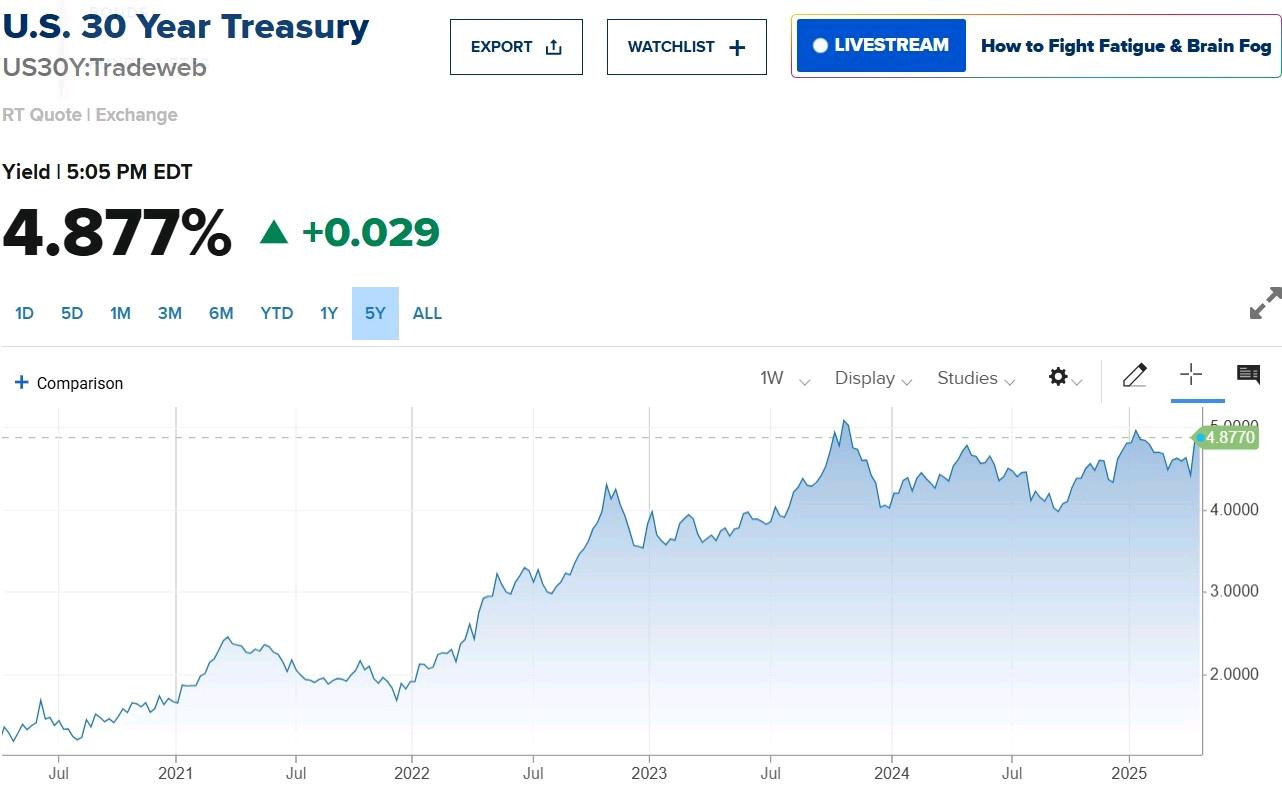
Foreign investors, who hold a significant share of U.S. debt, have become increasingly jittery. Their retreat from U.S. assets has contributed to a weakening U.S. dollar, which is already under pressure as investors seek refuge in alternative currencies. The synchronous downturn of equities, bonds, and the dollar underscores a deeper crisis of confidence that could compel additional intervention by the Fed.
Is the Global Investment Community Losing Faith?
Investor Exodus and Global Ramifications
The unfolding crisis in the U.S. Treasury market isn’t an isolated phenomenon. It reflects broader apprehensions regarding American assets at a time of tightening economic conditions. For instance, major financial institutions have reported that the instability induced by repeated tariff escalations is compelling investors to flee U.S. markets in favor of safer alternatives. This mass exit not only destabilizes the debt markets but could also lead to rising borrowing costs, further exacerbating domestic economic challenges.
Analysts caution that unless decisive corrective measures are taken, the current environment could trigger a cascade of negative effects. The potential for a sharp increase in yields means higher rates for everything from mortgages to business loans, ultimately squeezing consumers and stifling economic growth. The correlation between declining confidence in U.S. Treasury securities and the weakening dollar is especially concerning, given that the dollar has long been considered a cornerstone of global financial stability.
Could We See a Major Policy Overhaul?
Potential Policy Shifts and Financial Market Intervention
In light of these risks, several experts, including the CEO of a leading international bank, have argued that the Fed’s eventual intervention may be inevitable. However, there is a pervasive skepticism about whether the current policy measures—rooted largely in controlling short-term rates—are sufficient to restore confidence in longer-term markets. Some market watchers have suggested that more systemic changes, potentially including regulatory reforms in the banking sector, might be required to avert a full-scale financial crisis.
Moreover, these developments have prompted calls for a comprehensive review of the U.S. fiscal policy, especially given the growing concerns about the sustainability of current budget deficits. As domestic and international pressures mount, policymakers must weigh the benefits of immediate intervention against the long-term risks of igniting further market instability.
Conclusion
In summary, the confluence of aggressive tariff policies, elevated inflation forecasts, and a rapidly deteriorating U.S. bond market forms a precarious landscape for American financial stability. With top Fed officials on high alert and prepared to deploy emergency measures, the coming months will likely be critical. Investors and policymakers alike now face the challenge of navigating an environment where even minor perturbations in market conditions could have amplified effects. As the Fed signals readiness to act, market participants must remain vigilant and agile in the face of unprecedented volatility—a stark reminder that in today’s interconnected global economy, confidence is indeed hard to regain once lost.
This content is provided for informational or educational purposes only and does not constitute investment advice