
Why Is Buffett Doubling Down on Japan Now? Inside His Boldest Move Yet

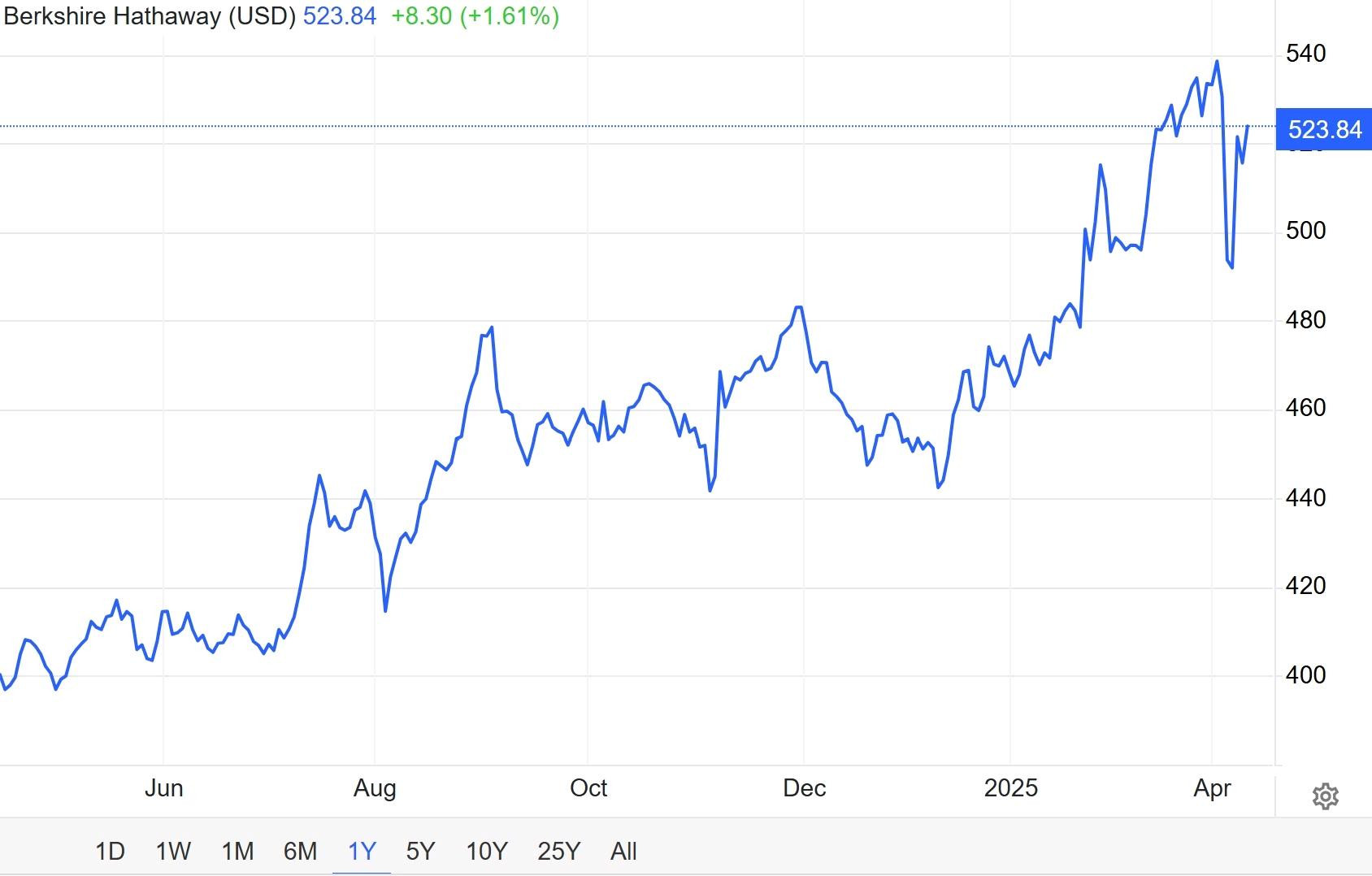
Berkshire Hathaway, led by legendary investor Warren Buffett, has taken a striking step in its ongoing Japan strategy. On April 11, the company issued a JPY90 billion bond with plans to use the proceeds to deepen its stake in Japanese equities. This carefully structured debt, divided into six segments with maturities ranging from three to 30 years, signals a decisive move amid the backdrop of global market uncertainty and volatility.

The move comes at a time when market turbulence has put pressure on investors worldwide. Despite several Japanese companies scrapping their planned bond issuances due to heightened market risks and rising financing costs, Berkshire Hathaway pressed on with its transaction. While this is the smallest yen transaction for Buffett’s company since its entry into the Japanese market in 2019, it holds significant implications for the future of its investments there.

Opportunity or Risk? Buffett’s Timing Raises Eyebrows
Buffett has long been a proponent of capitalizing on market downturns. With the decline in stock prices—even among Japan’s leading trading houses—the bond issuance is widely viewed as a tactical measure to accumulate additional shares when valuations dip. Earlier in March, Berkshire Hathaway already increased its holdings in Japan’s five major trading companies, bumping up their stakes by more than 1 percentage point each, with current positions ranging from 8.5% to 9.8%. This initiative builds on Buffett’s 2020 move on his 90th birthday, when Berkshire disclosed acquisitions exceeding 5% ownership in each of the five trading houses.
Industry experts see this issuance as a precursor to further investments. Given the upward trend in valuation gaps among Japan’s top trading companies, analysts suggest that Buffett’s “buy when others are fearful” approach could be the tipping point for more aggressive equity purchases in the future. The appeal of these trading houses lies in their operational models, which resonate with Berkshire Hathaway’s own emphasis on savvy capital allocation, prudent management, and shareholder-friendly practices. These companies maintain robust policies for increasing dividends, repurchasing shares, and keeping executive compensation in check, which further underscores Buffett’s confidence in their long-term performance.
Why Now? Buffett’s Contrarian Move Amid Global Shocks
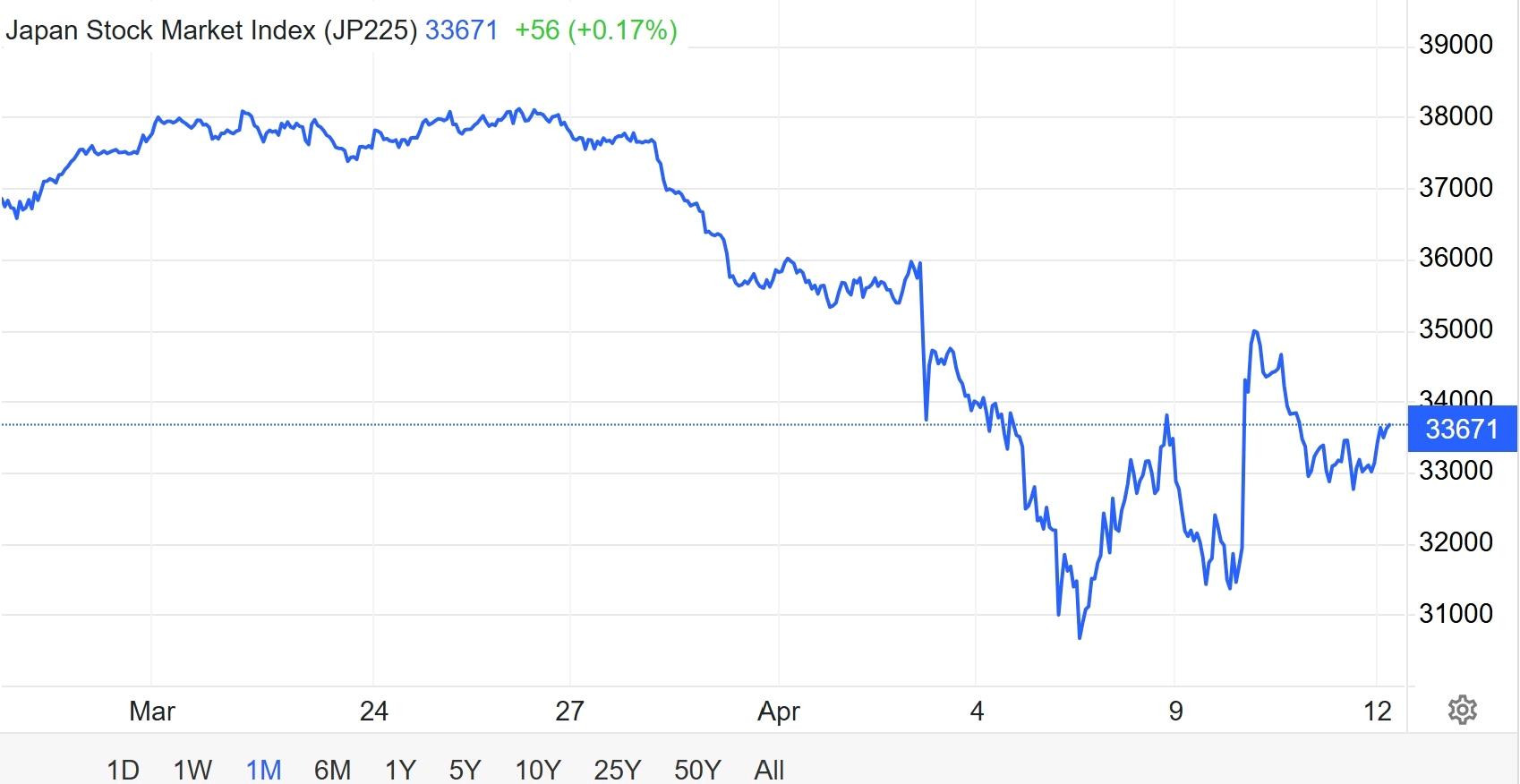
The timing of the bond issuance is notable given the broader context of global market disarray. The aggressive tariff policies championed by U.S. President Donald Trump have stirred significant volatility, leading to sweeping hikes in financing costs and a drying up of long-term debt supplies. This instability has not spared major indices; both $NI25 and the Tokyo Stock Exchange Index experienced declines exceeding 10% as investors braced for potential impacts from escalating trade tensions.
The bond offering itself drew attention due to its elevated yield spread. For instance, the three-year bond segment carried a premium of 70 basis points—a marked increase from the 49 basis points seen in Berkshire’s last issuance in October. Shunsuke Oshida, head of credit research at Manulife Investment Management Japan, noted that even under conditions allowing for the highest possible market premium, investors might still be waiting for clearer signals of market stabilization before ramping up their exposure.
Debt or Dividend: Can Buffett Make the Math Work?
Buffett’s approach to financing this deal further underscores the strategic advantages of accessing Japanese markets via yen-based transactions. Since the funds are raised in the local currency, they shield the investment from the effects of exchange rate fluctuations—a critical consideration in times of global economic stress. Indeed, Buffett anticipates that by 2025, dividends from his Japanese investments could reach approximately USD812 million, while the interest cost on the yen debt is expected to be a modest USD135 million. This favorable spread highlights an attractive risk-reward balance that bodes well for long-term returns.
The issuance not only demonstrates Berkshire Hathaway’s robust financial position but also signals the company’s resilience amid turbulent economic conditions. At the end of 2024, the company boasted a historic cash reserve reaching USD334 billion, reinforcing its capacity to leverage market downturns as buying opportunities. Such defensive strengths, coupled with Buffett’s consistent investment philosophy, continue to earn him praise as one of the few market players whose fortunes are less tethered to the whims of political or economic shocks.
What’s Next for Buffett in Japan? The World Is Watching
In a period marked by uncertainty and shifting market dynamics, Buffett’s bold move in Japan stands out as a clear statement of intent. As global investors take note, all eyes remain on how Berkshire Hathaway will navigate further opportunities within Japan’s dynamic market landscape.
This content is provided for informational or educational purposes only and does not constitute investment advice.