
Has the Tariff War Ended—Did Trump Concede?
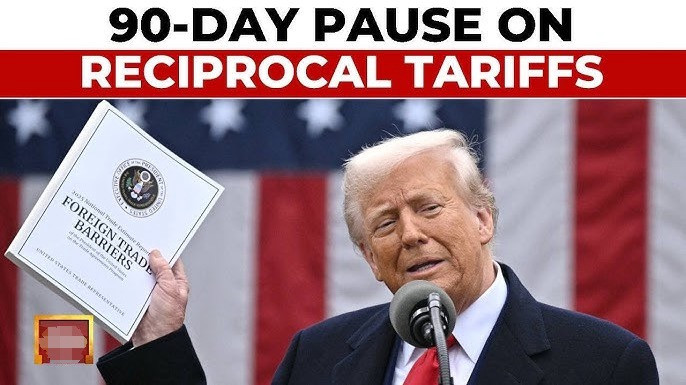
As the title suggests, if you ask me, I can say that Trump's tariff war is likely over, and maybe he has lost.
Trump thought he had the situation under control after suspending reciprocal tariffs for 90 days, but because the tariff war against China had already escalated to its peak, the result was that the US experienced a triple blow to its exchange rate, stock market, and bond market.
The stock and bond markets' decline can be understood as a sell-off of US dollar assets, considered a "dash to cash" by various players. The sharp drop in exchange rates generally means non-US players are leaving: the so-called outflow of international investment capital.
Trump needs to understand that now his attack on China has led to a near market collapse. He absolutely must not attack Fed Chairman Powell. If he really goes after Powell to the point where the market believes the Fed has lost its independence, the entire financial system will truly collapse, and it's not joke.
The current crisis is a crisis of confidence. Otherwise, the US dollar as the global reserve currency and US Treasuries as a safe haven for capital wouldn't be doubted. This is because global investors' confidence has been shaken.
So the correct approach would be to find a way to halt the reciprocal tariffs on China and start negotiations. Because when tariffs exceed 60%, trade between both sides essentially hits pause. Whether you shout 145% or increase it to 1450% later, it doesn't really matter.

For large US importers, they can rely on previously stockpiled goods, but for small and medium-sized businesses without surplus funds, the tariffs will tie up their capital and deplete their cash flow.
The current thinking is to see if a third party is needed for goods transit, the so-called "transshipment trade." White Americans are thinking of Australia and New Zealand; Asian Americans are considering Malaysia, Indonesia, Thailand, and Cambodia (of course, Vietnam is now also being watched).
However, no one knows the outcome of the next 90 days, so it's unclear which channel will have lower costs for now. Businesses are also afraid that after spending time and effort setting up these channels, things might change again if negotiations lead to a compromise and tariffs are canceled. Isn't that playing with them? Why bother spending time, effort, and money on those channels? But if they really hit pause, various business operating expenses like labor and rent still need to be paid, and families still need to eat. What to do? So they must seek emergency aid from the US Congress, right?
It's the same for China. Goods signed under FOB have gone to warehouses, but the US side doesn't dare to pick them up. If it's a general product, it can still be resold to other markets, but if it's a specific regional product, such as Thanksgiving or Christmas decorations, given the completely different customs between North America and Europe, it's not easy to transfer. So companies producing these items also need government assistance.
Trump's tariff war this time may have tried to achieve too many goals, so it's quite chaotic. For example, Navarro's proposal for the return of US manufacturing—there are currently 500,000 vacant manufacturing jobs in the US that no one wants to do. As Apple CEO Cook said, manufacturing in China is not because of cheap labor, but because the required workers must be "skilled with mass quantity."
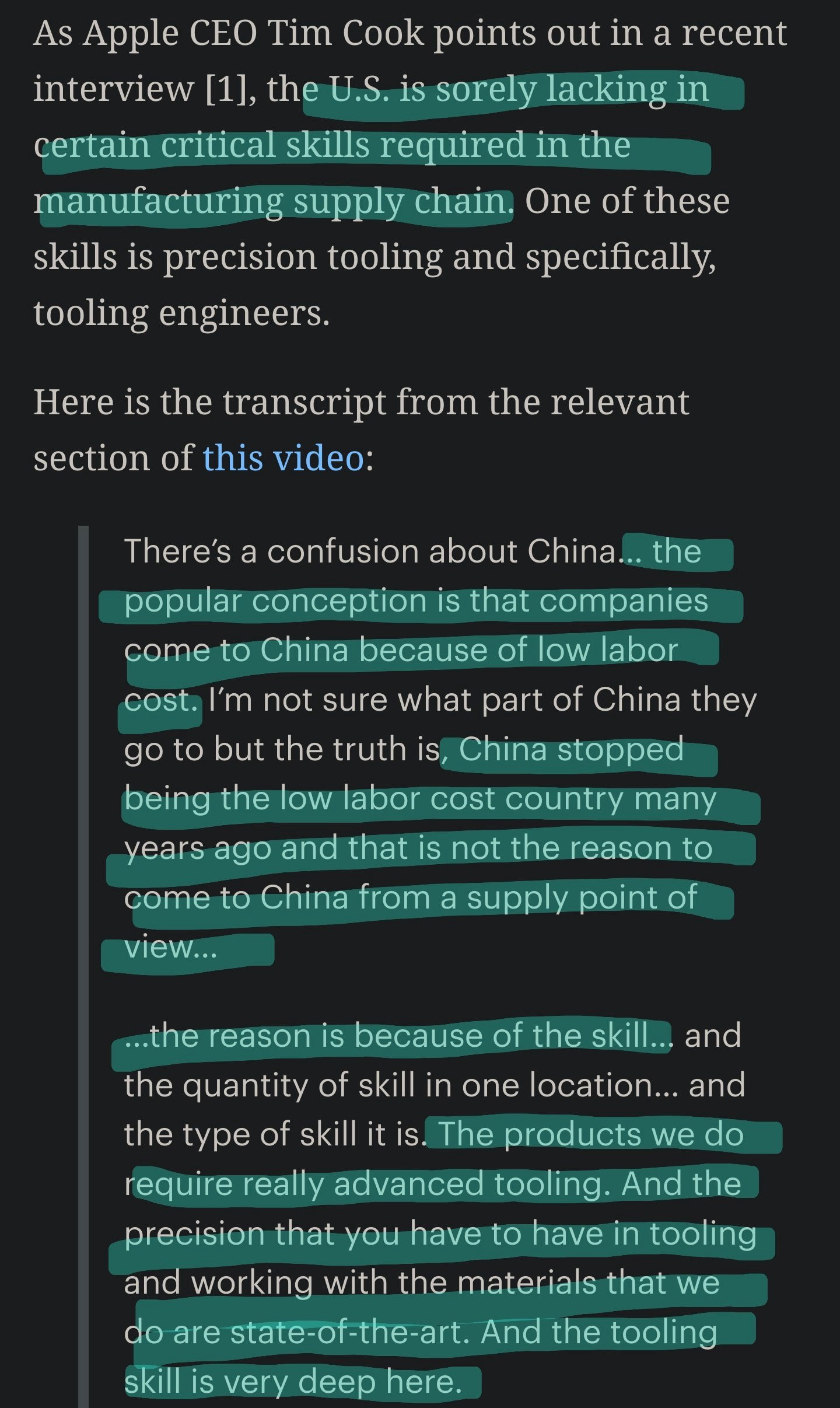
Actually, if you give Apple a China+1 strategy, and that "1" is chosen to be in the US, relying on high prices to maintain US manufacturing, it could create many job opportunities. You might ask why Apple doesn't do this - it's because there aren't that many skilled workers. TSMC's factory in Arizona is also struggling to recruit.
If Trump's team had focused on specific industries, like imposing tariffs on steel, aluminum, or automobiles, they could have achieved their goals. Now, following Miran's approach to the tariff war, they hope to kill a very fat pig, but with small lean countries like Vietnam, you can't get much meat. Currently, the fattest pigs seem to be only three, all in East Asia: Japan, South Korea, and Taiwan.
As for China and the EU, the US might break its teeth before it can bite off much meat. And those tiny countries, especially developing ones, what's there to bite? Even sharks estimate their prey's calories before attacking, otherwise the energy expended won't be replenished, right?
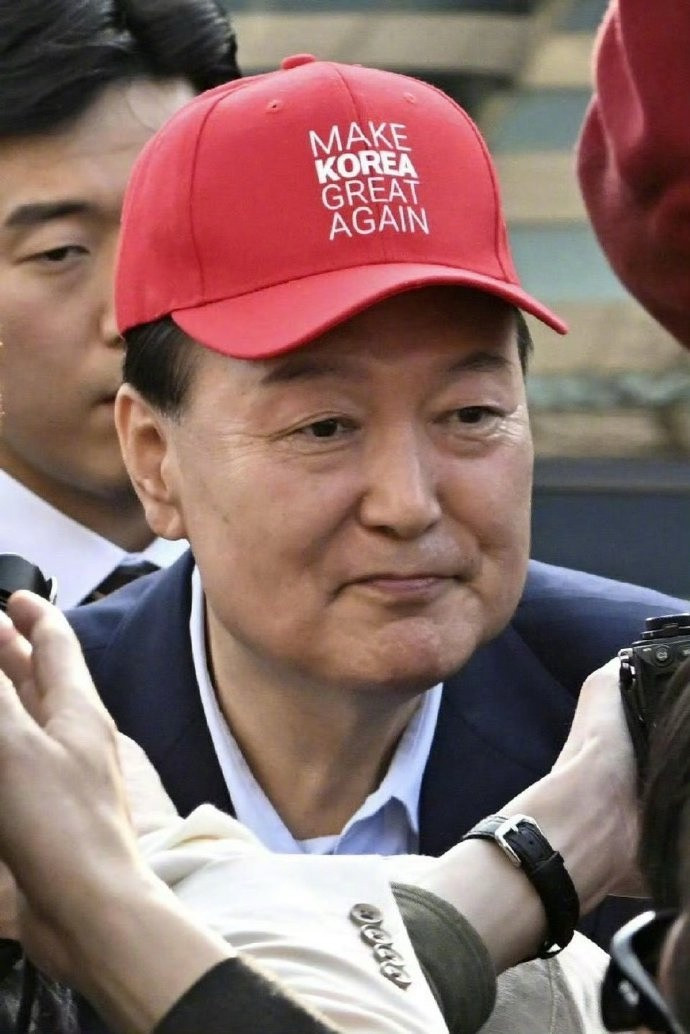
So now, the focus is probably on negotiations between the US and Japan, because Japan still has some leverage. As for South Korea, it might have been easier with Yoon Suk-yeol in office, but if Lee Jae-myung is elected, it could be more difficult. Taiwan seems to be the easiest target, especially since TSMC has made promise after promise. However, following China's retaliatory tariffs, US companies like Qualcomm still need to place orders in Taiwan to avoid the 125% tariff.
There's news online that Vietnam will intensify efforts to investigate goods from China that are disguising their origin. Take this with a grain of salt; Vietnam's attitude must be correct, otherwise they won't pass the US scrutiny. But ideals are ideals, and actual implementation is another story. After all, harmony brings wealth, everyone wants to do business, and no one wants to turn away money.
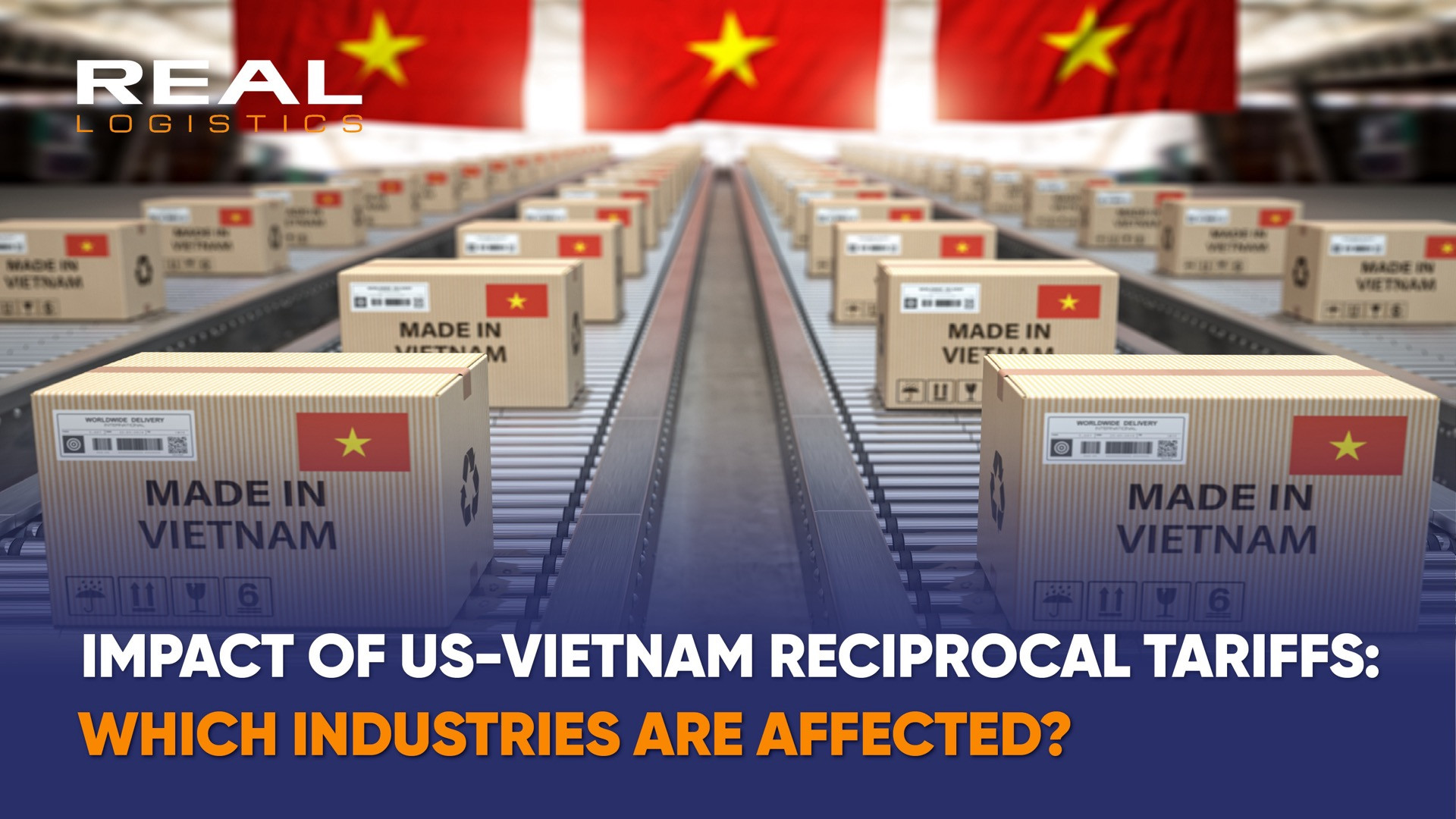
It's actually quite interesting when you think about it: half a century ago, the US dropped thousands of tons of bombs on Vietnamese soil and couldn't bring Vietnam to its knees, but now a single tariff policy immediately makes them kneel.
Tsk.