
Did US Bonds Hit Bottom After Worst Sell-off in Over 20 Years?

The US bond market has just experienced its most brutal sell-off since 2001, but according to JPMorgan's latest assessment, this nightmare may be coming to an end.
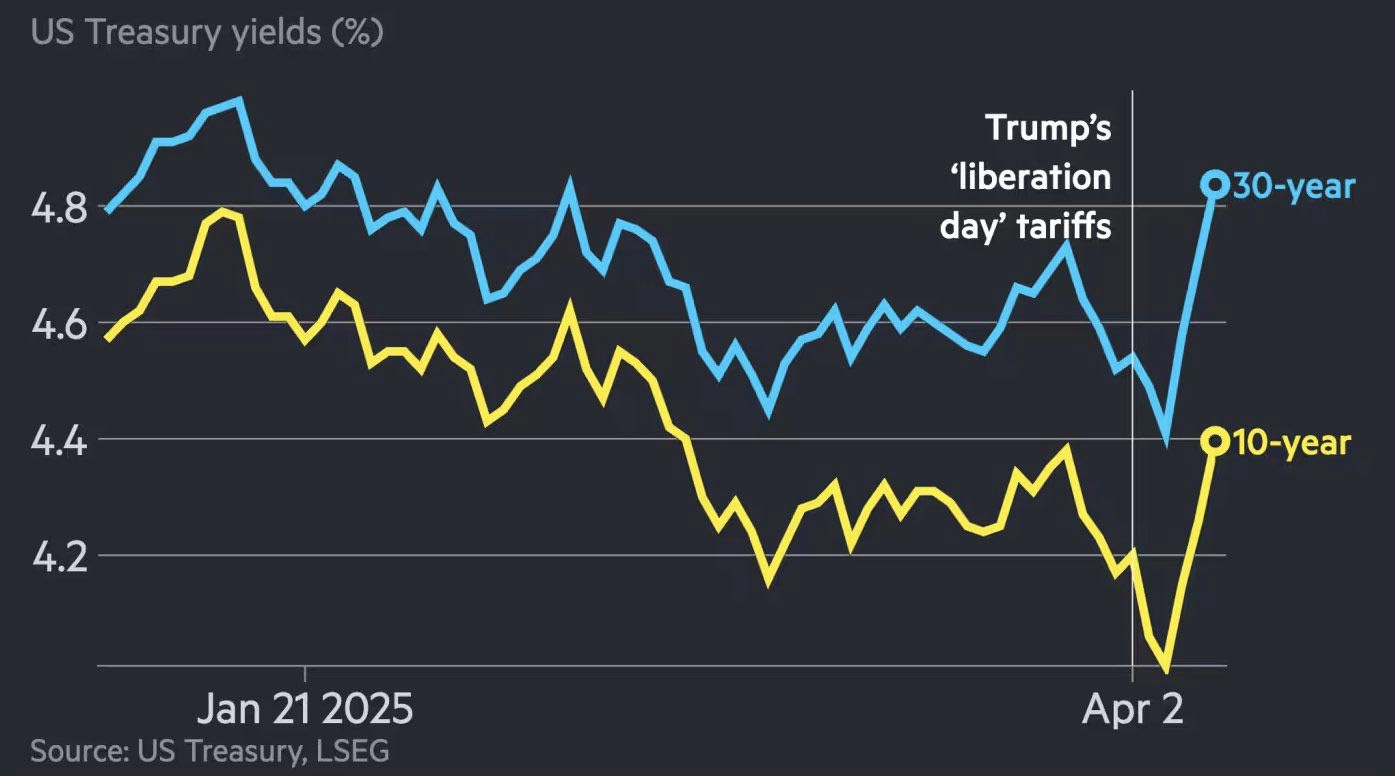
Bob Michele, JPMorgan's Global Head of Fixed Income, recently suggested that investors may be facing a crucial buy signal, given the strong purchasing intent from overseas investors and the Federal Reserve's indication of readiness to support the US bond market.
"I'm fairly confident that we're bottoming out in price and peaking in yields now. In our conversations with overseas investors, they haven't been scared into selling US Treasuries."Escalating trade tensions have exacerbated concerns about the US deficit, while tax cut policies being debated in Congress could further widen this deficit.
Last week's 2.4% sell-off in US sovereign bonds sparked speculation that some countries might reduce their US Treasury holdings. However, Michele cited Federal Reserve data showing that foreign central banks and reserve managers have recently increased their holdings of US Treasuries. He also pointed out that Boston Fed President Susan Collins recently stated that the Fed would be "absolutely ready" to help stabilize financial markets if conditions became chaotic.
Federal Reserve data shows that in the week ending April 9, tradable US Treasuries held by foreign central banks, monetary authorities, and international organizations increased by $3.6 billion, following two consecutive weeks of decline.
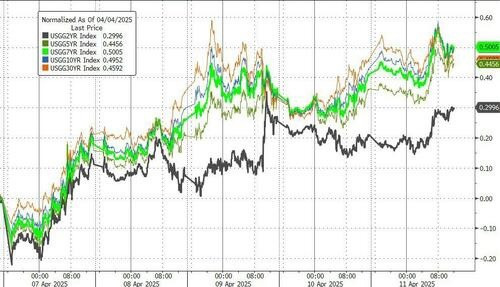
Citibank's research report on the 11th also noted that despite the sell-off in the Treasury market, futures basis did not show obvious signs of stress. The real yields of TIPS fell more than nominal rates. Between April 2 and April 9, foreign official holdings of US Treasuries even increased by $3 billion.
This suggests that this week's market turmoil is more likely due to a "buyers' strike" caused by concerns about declining demand for US Treasuries, rather than actual selling by foreign investors.
These signs indicate that despite experiencing violent fluctuations, US Treasuries remain solid, and long-term investors have begun to re-enter the market at current yield levels.