
Apple and Nvidia Breathe, But for How Long? The Trade War Roller Coaster Isn’t Over Yet

Tech Stocks Rally After Tariff Reprieve—But Don’t Celebrate Too Soon
Just when it seemed like the tech world might get a break, uncertainty came roaring back. On Friday, the U.S. Customs Office announced updated tariff exemptions for select electronic goods—including smartphones, semiconductors, and laptops—offering a moment of relief for tech giants like Apple, Nvidia, and AMD. Markets responded in kind, with stocks rebounding across the board.
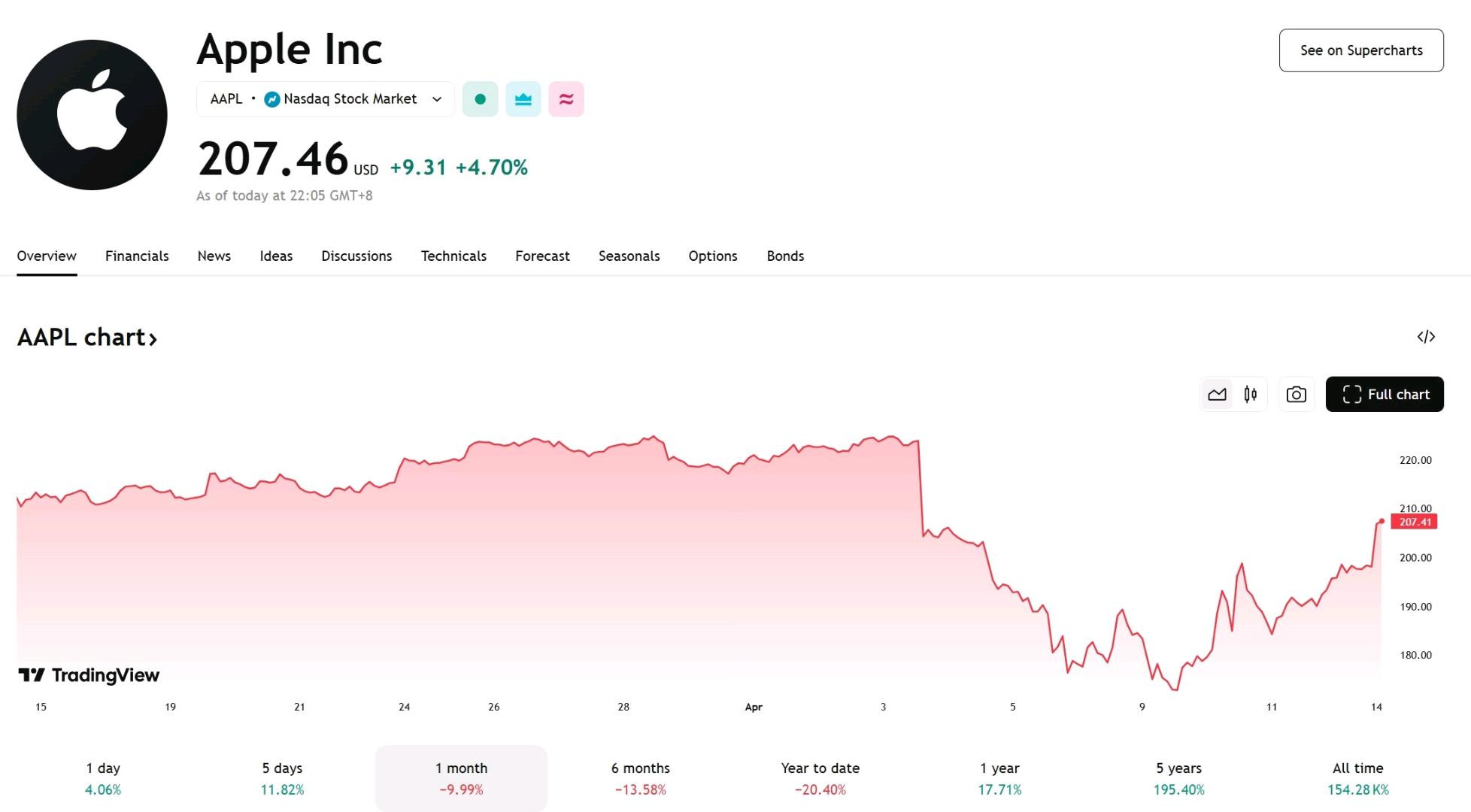
But that celebration was short-lived.
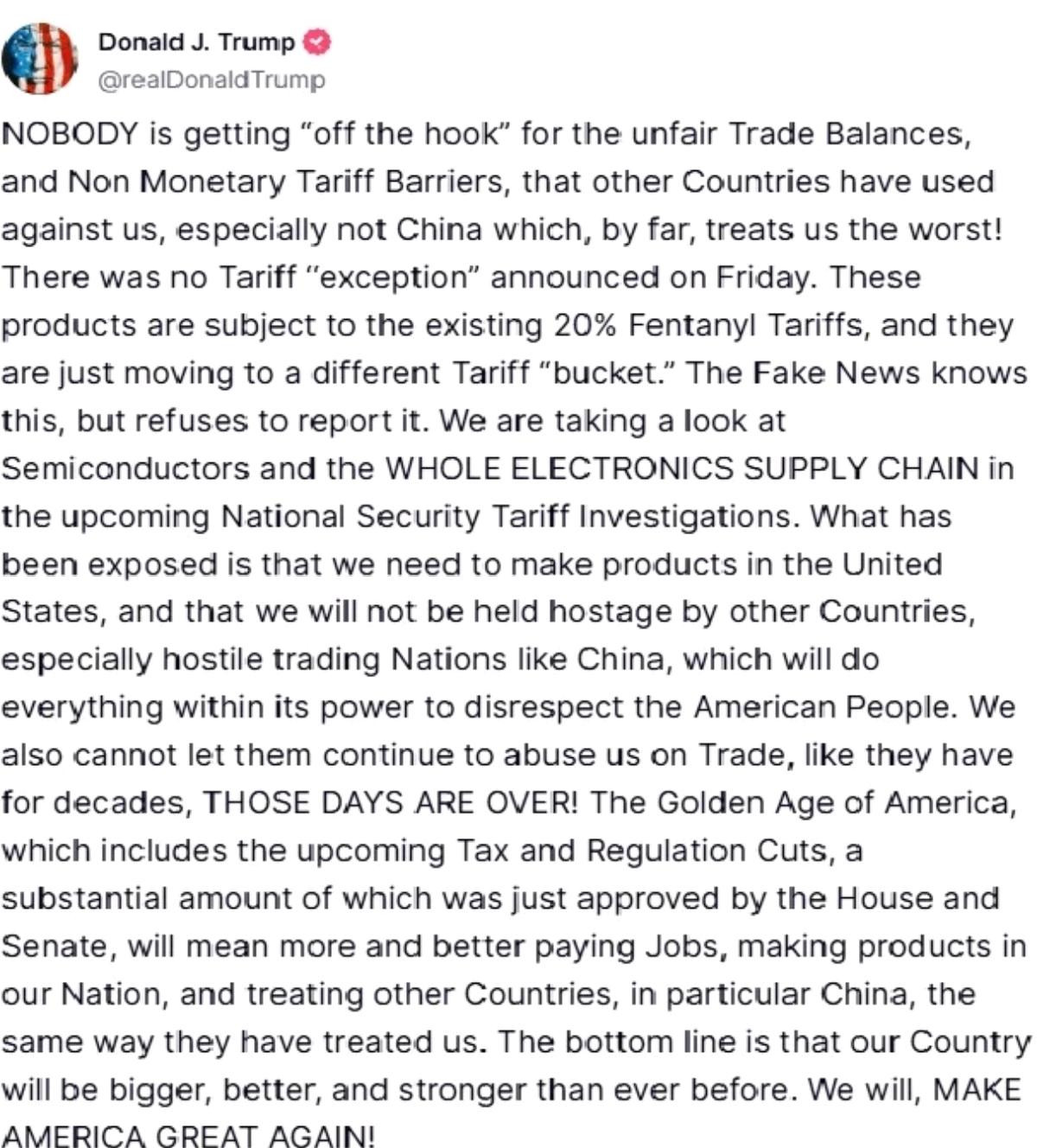
By Sunday, President Donald Trump took to social media to challenge the narrative. “There was no tariff exemption,” he insisted, calling the media’s coverage “Fake News” and clarifying that the products were merely “moved to another tariff bucket.” The next round of tariff decisions, especially on semiconductors, could drop as soon as Monday, he warned.
With policy flip-flops and political messaging outpacing official updates, companies are left scrambling to make sense of what’s real—and what’s next.
Apple Dodged a Bullet—Or Did It?
Apple has had a volatile April. Since the first tariff threats emerged in early April, Apple’s stock nosedived by 23% over just four trading days, wiping out over $770 billion in market value. Though the stock recovered slightly following the exemption news, it soon dipped again as the market realized the relief might be temporary.
The core issue? Apple’s deep reliance on China’s manufacturing ecosystem.
Tim Cook has long praised China’s vast network of skilled labor and manufacturing expertise. He once noted that while the U.S. might struggle to fill a room with mold engineers, China could fill entire stadiums. Despite Apple’s recent efforts to shift some production to India and Vietnam, replicating China’s scale and efficiency anywhere else could take decades.
Even a partial move away from China won’t come cheap. Dan Ives of Wedbush Securities estimates that relocating just 10% of Apple’s supply chain to the U.S. would require at least three years and $30 billion in investment. In the meantime, costs will likely be passed on to consumers. Analysts predict that iPhone prices could jump by 50% to 80% under full tariffs—adding as much as $500 to retail prices in the U.S.
In response, Apple has already resorted to emergency logistics. Since March, the company has airlifted more than 600 tons of iPhones—roughly 1.5 million units—from India to the U.S., aiming to dodge looming tariffs. Meanwhile, HP and Dell temporarily halted shipments to the U.S., and Nintendo delayed the launch of the Switch 2.
Semiconductor Firms Are Watching Closely
Chipmakers like Nvidia, AMD, and Qualcomm were also among the potential winners from Friday’s temporary tariff relief. A significant portion of their manufacturing happens in Taiwan and South Korea—regions that would be directly affected by expanded U.S. tariffs.
According to the Semiconductor Industry Association (SIA), 75% of global chip production occurs in East Asia. For cutting-edge chips below 10 nanometers, 100% are made in Taiwan and South Korea. A tariff on those imports wouldn’t just hurt foreign firms—it would increase costs for U.S. companies and consumers alike.
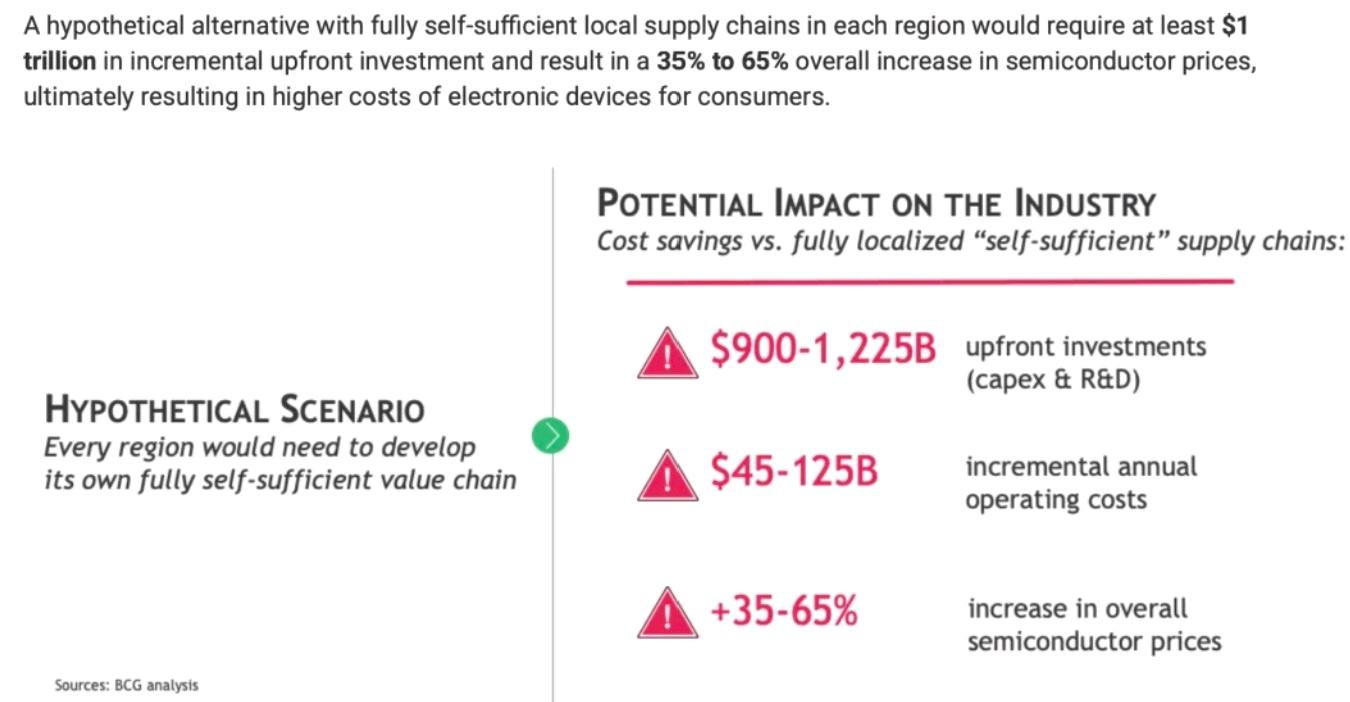
An SIA report estimates that building a fully independent semiconductor supply chain in every major region would cost over $1 trillion upfront and drive chip prices up by 35% to 65%. That inflation would ripple across the entire electronics industry.
Even Intel, which is pouring billions into new fabs in Arizona and Ohio, could be hit. If imports of manufacturing tools—like ASML’s lithography machines from the Netherlands—are taxed, U.S.-based chip expansion plans may slow down or become even more expensive.
This Could Be Just a Breather, Not the End
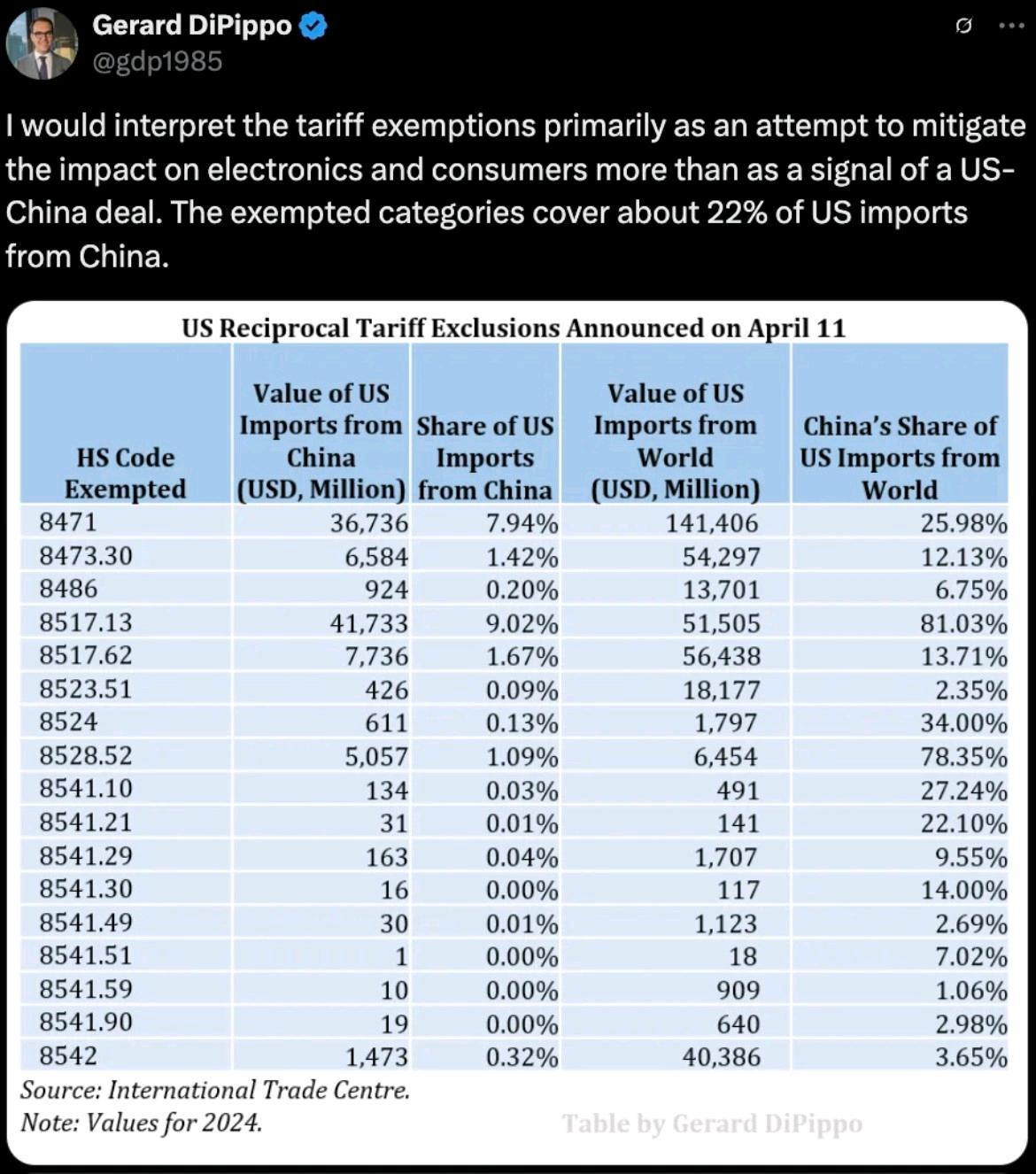
Despite the initial cheer from Wall Street, many experts caution against interpreting these tariff shifts as a sign of long-term stability. Gerard DiPippo of the RAND Corporation bluntly called the exemptions a move to ease pressure on consumers, not a truce in the trade war.
Trump’s weekend comments confirmed that interpretation. He reiterated his plan to slap “special targeted” tariffs on tech goods like phones and computers in the coming months. These wouldn’t fall under the previously proposed “reciprocal tariff” structure but would be part of a broader national security strategy targeting the semiconductor supply chain.
The Commerce Department added fuel to the fire, signaling new rounds of tariffs could come within one to two months—once again leaving U.S. businesses in limbo.
One U.S. financial executive vented on social media: “We can’t plan or invest in this environment. The policy changes every day. The real rally will come when someone gets fired for this mess.”
So What Now?
Tech companies and their global supply chains have been granted a momentary reprieve. For now, valuations have partially recovered, shipments are resuming, and consumers are spared the sticker shock of a tariff-driven price surge.
Unless the trade war truly cools down—or at least finds consistency—more disruptions lie ahead. Whether you’re running a chip plant in Taiwan, assembling laptops in Vietnam, or buying an iPhone in New York, the uncertainty isn’t over.
The industry may be catching its breath—but it’s far from safe.
This content is provided for informational or educational purposes only and does not constitute investment advice.