
Market Shifts Stir Optimism: Is Hong Kong Poised for a Comeback?

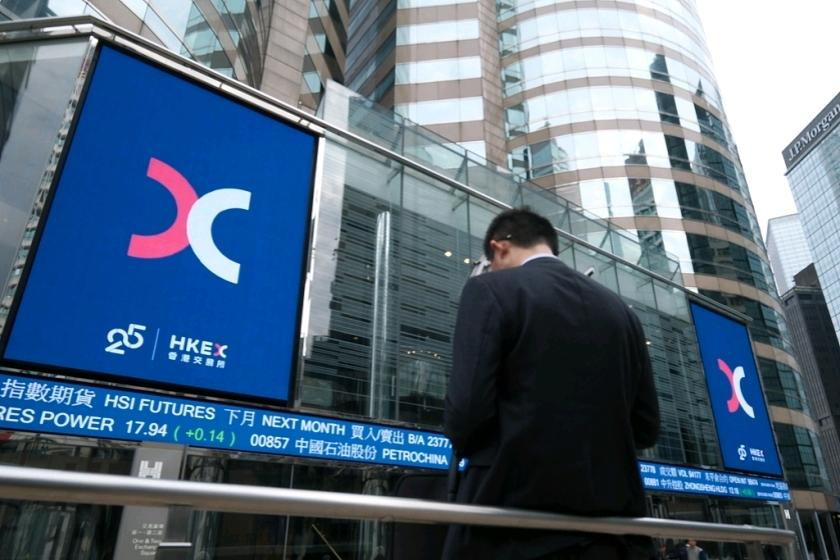
Hong Kong’s financial markets are stirring up conversation again as recent technical rebounds and policy shifts hint at a potential turnaround. The Hang Seng Index has successfully crossed its 100-day moving average—a level long seen as a bulwark against further downtrend. Coupled with proactive steps from Hong Kong’s financial authorities to entice Chinese companies back from overseas listings, these developments have investors asking: Could Hong Kong lead the next phase of market recovery?
Breaking Through Key Technical Barriers
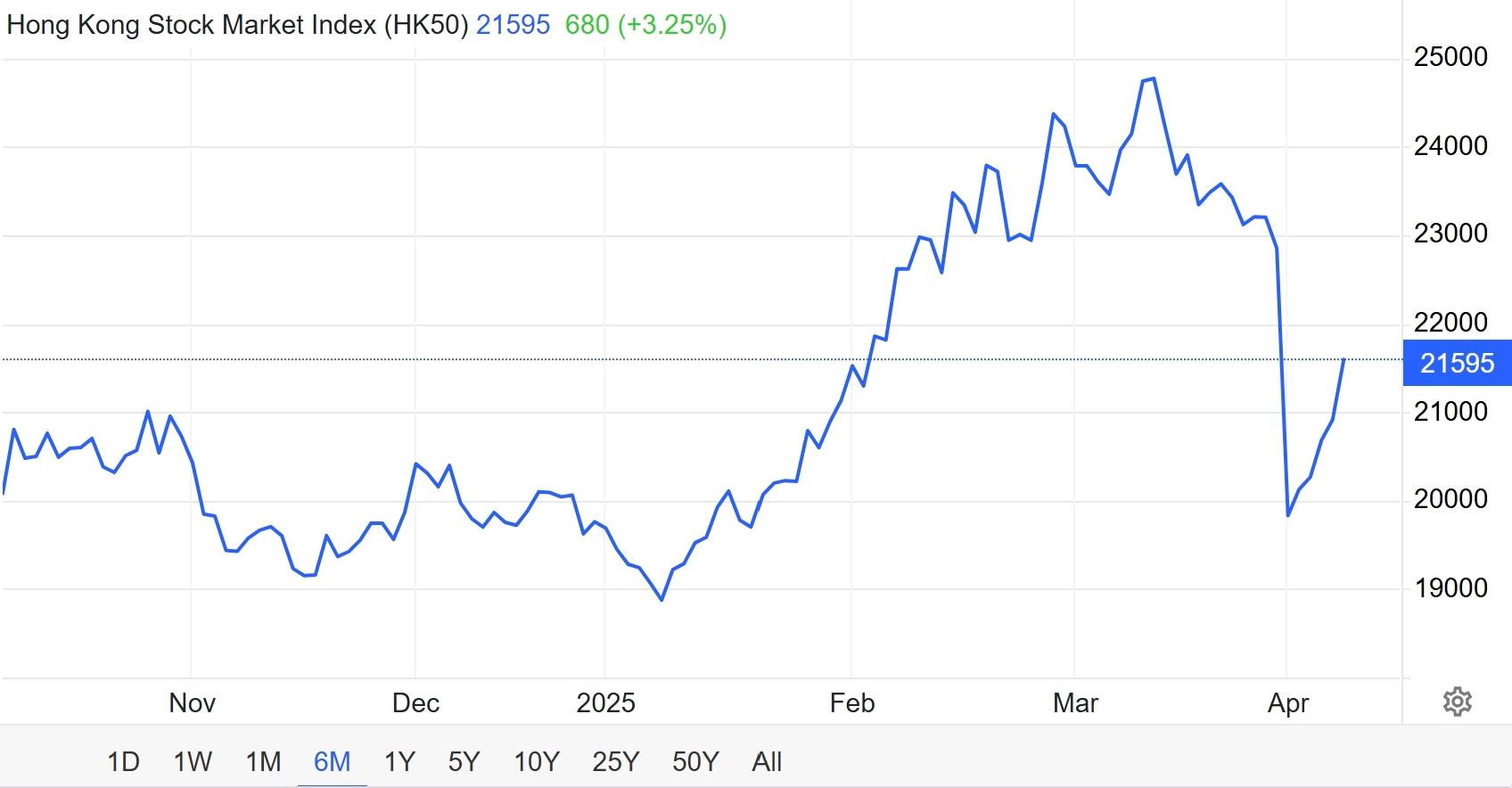
The Hang Seng Index$HSI , trading under the ticker 800000.HK, has recently surged past its 100-day moving average of 21,210 points. This technical milestone is more than just a number—it signals the first positive step toward closing a significant gap left after the steep sell-off on April 7, when prices dropped dramatically between 21,047 and 22,638 points. Although the index encountered resistance at its 10-day moving average (MA10) near 21,561 points, the overall picture, as reflected in the daily candlestick charts, remains bullish for future performance.
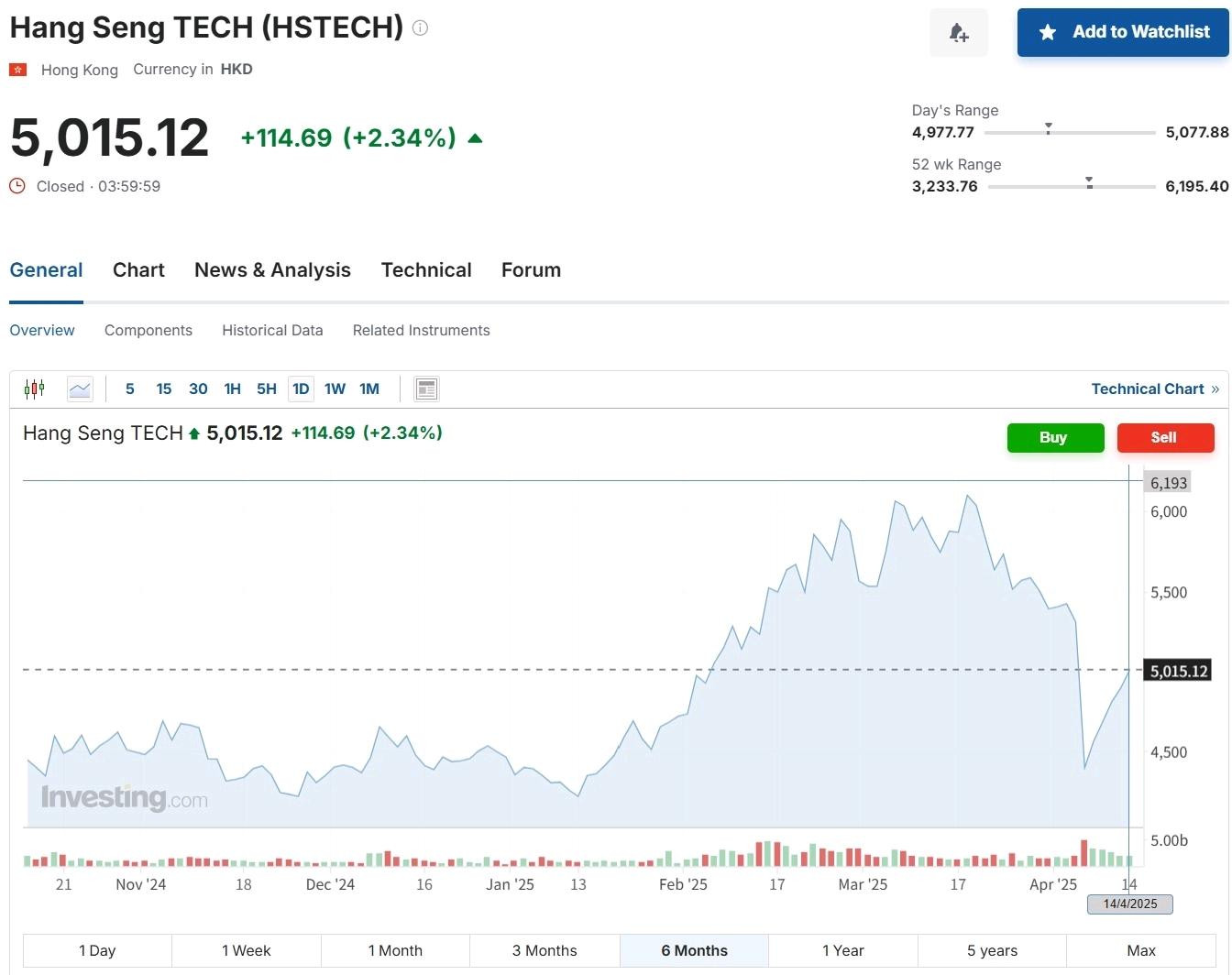
Similarly, the Hang Seng Tech Index (800700.HK) is showing parallel momentum. Its earlier break above the 10-day threshold is seen as a direct outcome of its composition, which features a higher proportion of auto and semiconductor stocks. These sectors have played a pivotal role in the market’s recent rally, indicating that structural changes in industry leadership are subtly reshaping investor sentiment.
Will Trade Tensions Ease in the Near Term?
While local indices are showing recovery signs, the global backdrop remains complex. Trade tensions, particularly between the United States and China, have recently taken a slight breather. Contributing factors include muted rhetoric from U.S. President Trump and a rise in U.S. Treasury yields, with the 10-year yield momentarily touching 4.5%. These factors are exerting pressure on the U.S. government, which now faces mounting fiscal challenges including increased bond issuance before mid-year.
Recent U.S. inflation data—specifically the March CPI and PPI figures—came in below expectations. While this could provide temporary relief to importers relying on inventory buffers, the softer consumer market also suggests that the risk of an economic slowdown is increasing. Analysts argue that with a muted “FED PUT” in sight, the Federal Reserve is unlikely to implement large-scale stimulus measures soon, leaving U.S. bond markets in a delicate balancing act. As negotiations around tariff policies continue, traders are now focused on determining whether these tensions will ease sufficiently to allow further market stabilization.
Could China's Diplomatic Moves Ease Investor Fears?
Adding another layer to the story are recent strategic shifts from the Chinese side. Notably, market chatter suggests that a large Chinese enterprise has recently purchased 2.4 million tons of soybeans from Brazil—a move that may well serve as a bargaining chip in future trade negotiations. Such proactive measures aim to reduce overall external trade risks and bring a sense of balance to the global economic landscape. As these tactics evolve, investors are watching closely to determine if they will help soften the pressure on U.S. tariffs and stabilize market sentiment.
How Are Investors Reassessing Sectorial Opportunities?
The market’s evolving landscape has led many investors to reevaluate their sector-specific exposures. Analysts advise a cautious approach—leaning on technical analysis to guide short-term trading decisions while waiting for more definitive signs of stability. At the center of this reappraisal are several industry sectors:
• Automotive Stocks: Chinese car stocks have already begun mending the gap left in early April, bolstered by a weaker Chinese currency that favors exports. With the market’s focus shifting from purely environmental messaging to more tech-centric and smart driving solutions, companies like XPeng, BYD, and Geely are in the spotlight.
• Consumer Staples and Retail: Amid domestic policy moves designed to boost internal consumption, reputable brands across both essential and discretionary segments have the potential to capture investor interest. Companies such as Anta Sports, Haidilao, Pop Mart, and Mengniu are expected to benefit from sustained consumer demand.
• Semiconductor Sector: With less exposure to U.S. capital and increasing domestic support, semiconductor stocks continue to show resilience. Market participants are advised to leverage technical indicators to time their trades in this critical sector.
• Large Tech and Biotech: Although these sectors have recently experienced volatility—largely due to concerns over Chinese companies’ listing risks—the trend seems to be reversing. Many of these firms have already dual-listed on the Hong Kong Exchange, providing an additional buffer against adverse policy changes.
Hong Kong Emerges as a Strategic Re-Listing Hub
In a striking announcement on April 13, Hong Kong’s Financial Secretary, Chan Mo-po, signaled that the city aims to become the prime destination for Chinese companies seeking to return from overseas listings. This policy thrust comes on the heels of U.S. Treasury Secretary statements hinting at potential delisting of Chinese firms from U.S. markets. With roughly 230 Chinese companies currently listed on American exchanges now valued at around US$460 billion—a stark contrast from a peak near US$1.1 trillion at the end of 2021—the urgency of finding alternative listing venues has never been clearer.

According to industry experts, many of these companies already enjoy dual listings in Hong Kong. This strategy has increased the proportion of their Hong Kong-listed shares to about 60% of total market value. Furthermore, the rising participation of southbound investors—from 5% in 2021 to between 11% and 12% today—adds another layer of stability to the Hong Kong market. Bankers and analysts alike are quick to point out that dual listing not only mitigates the impact of potential U.S. delistings but also enhances market liquidity and broadens the investor base.
What Lies Ahead for Hong Kong and Global Markets?
In the coming months, investors will need to monitor not just local technical indicators but also geopolitical signals and trade policies that could influence market trajectories. The combined effect of an improving technical outlook in Hong Kong, proactive policy measures to attract re-listed Chinese companies, and a cautiously optimistic global trade environment could pave the way for a more stabilized market.
Despite inherent uncertainties—exacerbated by unpredictable leadership styles and policy shifts—the overall sentiment tilts toward a measured recovery. Market participants are advised to remain vigilant, use technical analysis to guide their trades, and consider longer-term investments in strong sectors as the market gradually repairs previous losses.
As both technical patterns and strategic policy moves converge, the spotlight remains on Hong Kong’s potential to lead this phase of market adjustment. Will these developments help ease broader market volatility and restore investor confidence? Time will tell, but the signs are encouraging for those ready to seize the opportunities emerging on the horizon.
This content is provided for informational or educational purposes only and does not constitute investment advice.