
Why Are Asset Management Giants Betting on Safety Over Growth?

Global Uncertainty Sends Big Players into Defensive Mode
As global trade tensions escalate and policy unpredictability shakes markets, major asset managers like BlackRock, Fidelity, and Schroders are hitting the brakes on risk. Defensive assets — traditionally seen as safe havens — are rapidly gaining favor as volatility soars and macroeconomic conditions become harder to read.

These firms are reducing their exposure to riskier assets and recalibrating portfolios toward stability. With short-term market movement increasingly driven by tariff policy shifts and central banks walking a monetary tightrope, defensive positioning is becoming the strategy of choice across the board.


What’s Driving the Shift to Safety?
It’s all about volatility and policy noise. From Washington’s fluctuating tariff stances to a slew of retaliatory responses from global economies, financial markets are bracing for turbulence. Asset managers are dialing down risk tolerance and compressing their tactical investment horizons — in some cases to just three months.
BlackRock’s Investment Institute points out that uncertainty surrounding trade is already weighing heavily on equities and may continue to do so in the near term. While long-term themes like AI innovation still offer potential upside, short-term pressures are hard to ignore. The firm has downgraded its stance on U.S. equities to “neutral” and now favors short-term Treasuries.
Fidelity International echoes this sentiment, stating that markets are currently reacting more to headline risks than fundamentals. The firm anticipates a shift toward pricing in slower economic growth and perhaps even a looming recession within weeks.
Where’s the Smart Money Going?
The answer: sectors that can take a hit and keep going. Banks, utilities, and healthcare — all seen as relatively immune to trade shocks — are receiving heightened attention. Defensive industries with stable earnings and strong domestic demand are being positioned as safe ports in a storm.
BlackRock sees opportunity in stock selection, despite overall market weakness. For instance, Germany’s €1 trillion investment in defense and infrastructure has opened up specific investment channels. However, they caution that Europe’s macro picture doesn’t yet support a broad equity rally — unless, like during the pandemic, the EU pursues joint debt issuance to drive regional stimulus.
Schroders adds another layer to the strategy: focus on companies with resilient supply chains, robust long-term plans, and strong client relationships. For industries heavily exposed to tariffs, investors are advised to zero in on firms with pricing power, long backlogs, and dominant domestic market positions.
Why Are Bonds and Gold Back in Vogue?
Bond markets — particularly U.S. long-dated Treasuries — are in a strange spot. While yields are climbing, potentially making them more attractive, most managers are cautious. BlackRock maintains a low allocation to long-term Treasuries, citing concerns over sustained inflation and high U.S. fiscal deficits. Instead, they’re highlighting the value of short-duration bonds and gold as portfolio diversifiers.
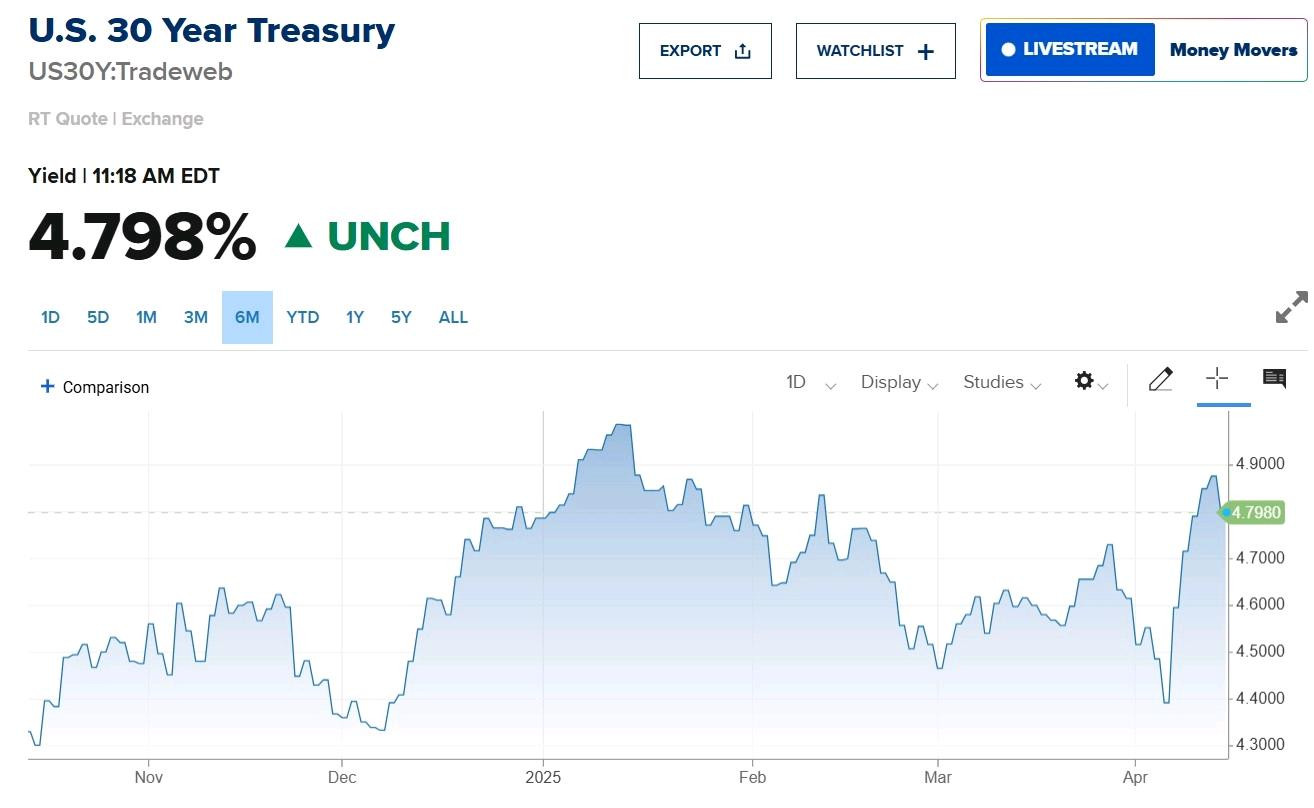
Fidelity believes bond market volatility could actually create opportunities. If yields rise too rapidly, it might trigger buying pressure that stabilizes prices and makes fixed income a more effective hedge. Over the next 90 days, they warn that political developments — especially around the U.S. administration’s trade tactics — will keep markets jittery.
Can Central Banks Calm the Waters?
All three asset managers agree on one thing: macro policy is the wild card. Interest rate decisions, inflation expectations, and fiscal responses are likely to play a bigger role than earnings reports in shaping asset performance in the coming quarters.
While many market participants are betting on the U.S. Federal Reserve cutting rates four to five times this year, BlackRock remains cautious. They believe core inflation — still well above the Fed’s 2% target — doesn’t support aggressive rate cuts just yet, especially with tariff effects still unfolding.
Schroders also highlights the ripple effects of monetary and fiscal policy. They’re urging investors to track not just central bank moves, but also possible fiscal reactions across Europe and Asia. With consumer confidence weakening in the U.S., particularly among lower-income groups, any missteps in policy could deepen the slowdown.
Is Europe the Surprise Winner?
Despite global headwinds, Europe might offer a patch of resilience. Schroders notes that higher savings rates and relatively loose fiscal and monetary policies could act as shock absorbers. If EU policymakers respond with flexibility and cohesion, the region may weather the storm better than expected.
Still, no one’s calling this a bullish market. Instead, it’s about selective strength — and the ability to sidestep the biggest hits. With geopolitical flashpoints and trade spats rewriting the rules of engagement, defense is fast becoming the best offense in today’s investment game.
This content is provided for informational or educational purposes only and does not constitute investment advice.