
Is Bessent Hinting at a U.S. Economic Recession?

U.S. Treasury Secretary Bessent, in an interview with Bloomberg, downplayed the recent bond market plunge and rejected speculation about foreign selling of U.S. Treasuries. He hinted: The U.S. Treasury's toolkit includes increasing the scale of Treasury repurchases currently conducted in the open market every other day or so, without waiting for the Federal Reserve to take action.
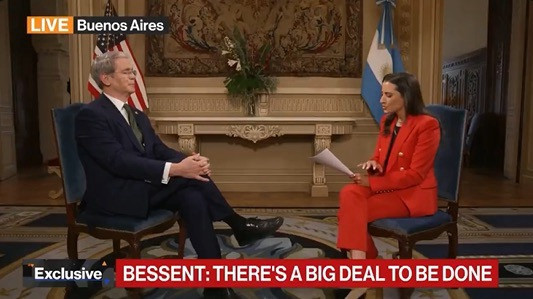
When asked if he had contingency plans if the sell-off became "more disturbing," Bessent replied: "We're a long way from taking action," but if action is needed, "we have a large toolkit we can deploy," including the Treasury's buyback program for older securities. "We could step up buybacks if we wanted to."
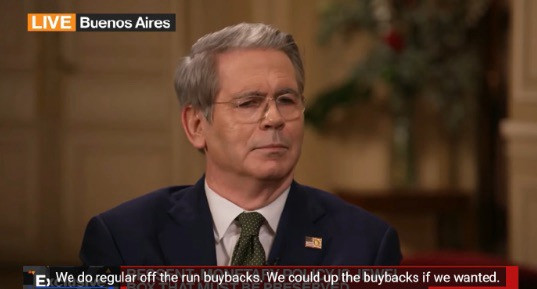
However, stability in the U.S. market is not built by covering up problems. It's built by addressing root causes.
The U.S. needs to build a narrative bridge from market panic to "reasonable intervention." If they can't do this, their actions could accelerate the de-dollarization pressures they're trying to slow.
The U.S. Treasury has no cash. Whatever they buy now, they'll have to borrow/sell later, use fiscal surpluses, or finance through new debt issuance, which is drastically different from the Federal Reserve. Or they raise gold prices, revalue at the FED, credit it to the TGA, and implement buybacks? But if the Fed doesn't cooperate (e.g., stops buying bonds or continues to shrink its balance sheet), the Treasury may face pressure from rising financing costs. Large-scale proactive Treasury buybacks must align with fiscal goals authorized by Congress—such as reducing debt stock or optimizing maturity structure. But if the Treasury finances buybacks of old debt by issuing new debt, it could increase the proportion of short-term debt or be forced to issue long-term debt at higher rates, exacerbating interest burdens. This contradicts the background of Bessent's buyback.
In any case, if the U.S. Treasury tries to forcibly shape demand for U.S. Treasuries by changing liquidity rules, using regulatory means, or attempting to forcibly reshape trust in U.S. Treasuries as collateral, it means Bessent is acknowledging U.S. economic weakness through short-term operations. Buybacks might be interpreted as the Treasury's lack of confidence in Treasury liquidity or solvency, potentially causing investor confidence to collapse and triggering selling pressure on U.S. Treasuries. At that point, we might see another triple whammy in U.S. stocks, bonds, and currency.
Strangely, MAGA investors are denying this point.
Are they using real dollars to protect the U.S. market? This seems too crazy.