
Will Powell Break the Silence or Stay the Course? Bond Market and Wall Street Brace for His Verdict

Markets on Edge as Powell Prepares for Pivotal Speech
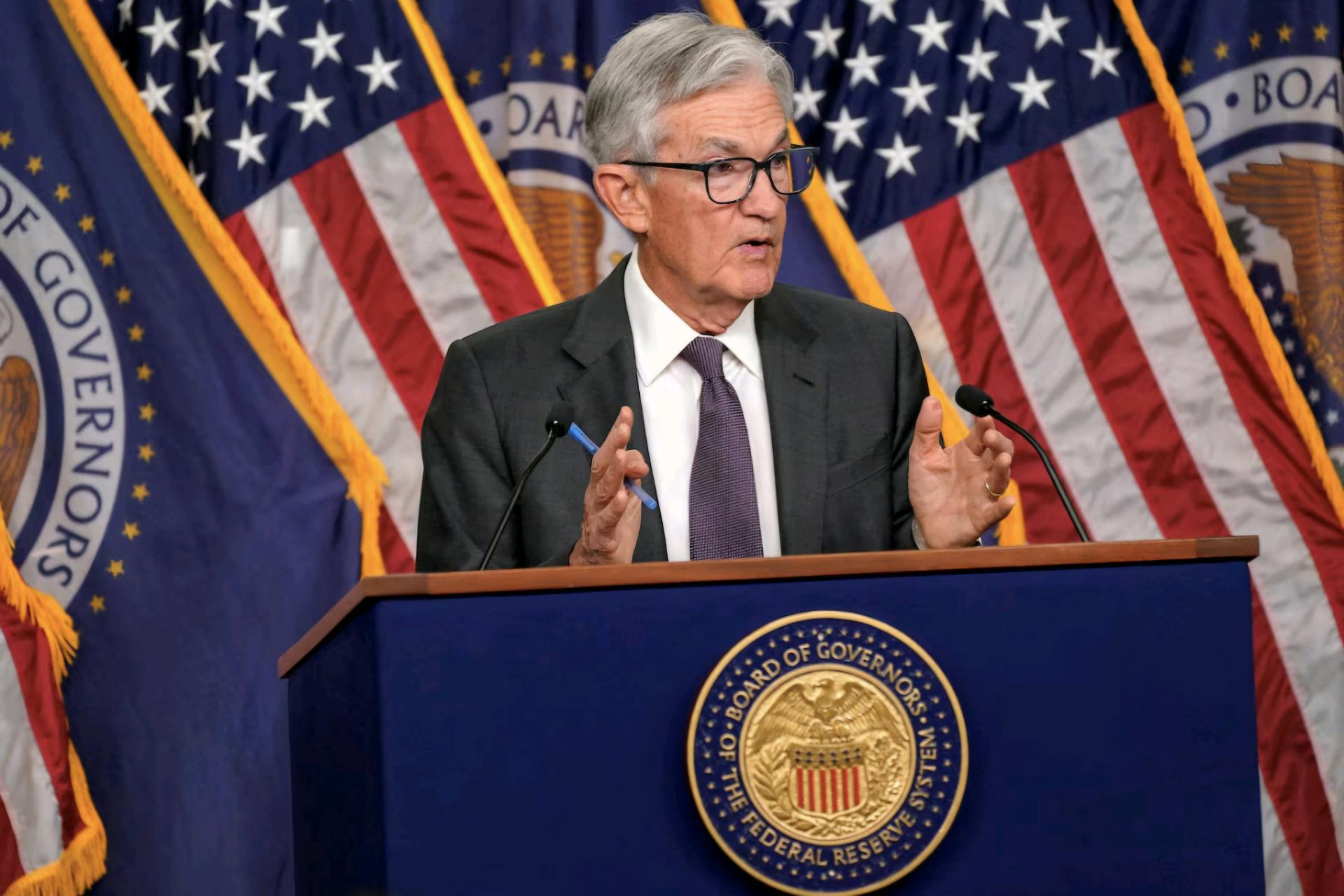
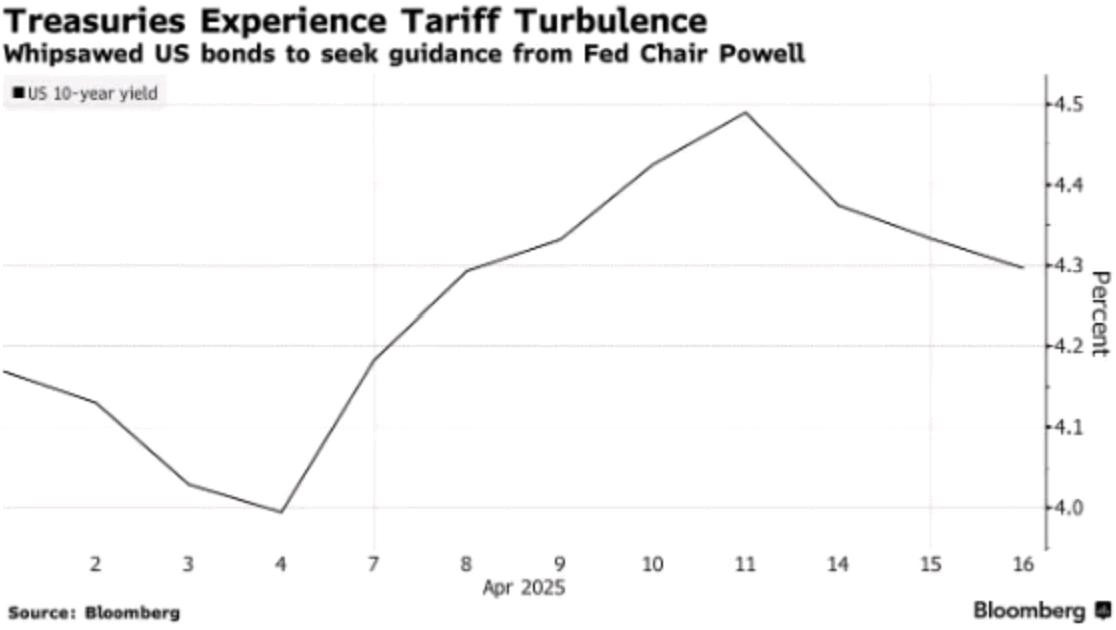
After a rare three-day rebound, U.S. Treasuries are once again on shaky ground. Traders, investors, and policymakers alike are holding their breath ahead of Federal Reserve Chair Jerome Powell’s highly anticipated speech tonight at the Economic Club of Chicago. With bond yields swinging wildly and global uncertainty surging, Powell's words could either calm the markets—or fan the flames.
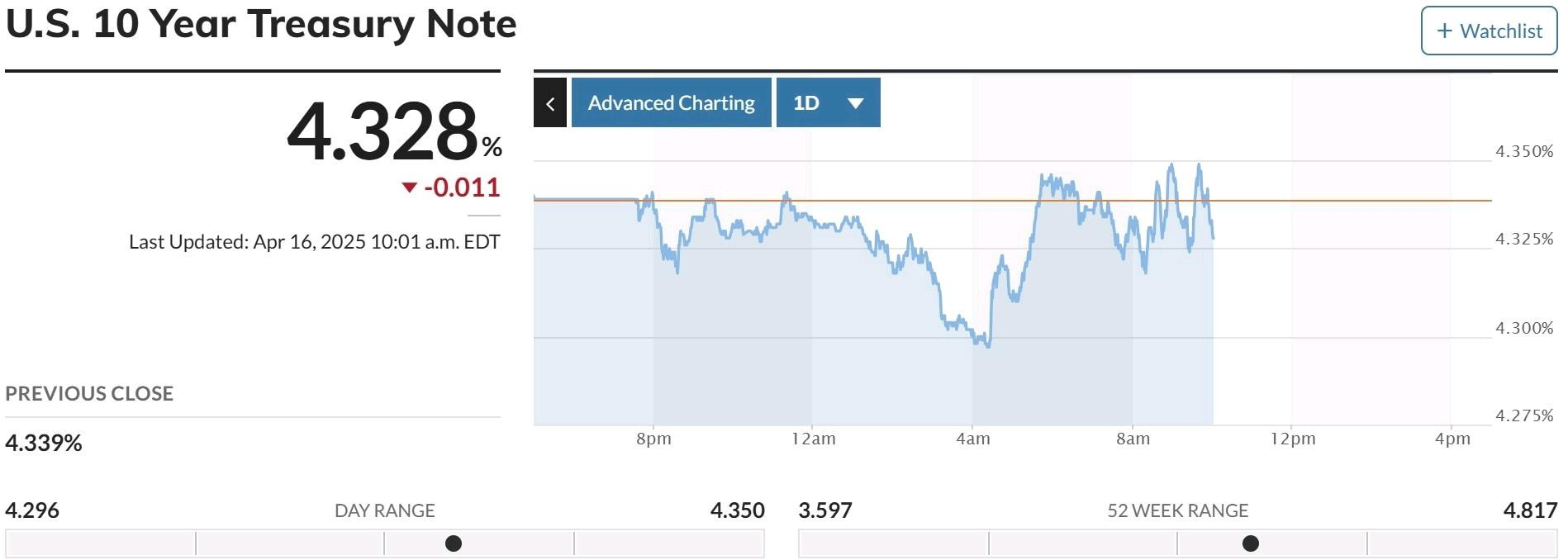
The 10-year U.S. Treasury yield hovered around 4.33% after giving up early-session losses, while the two-year yield slipped by three basis points to 3.82%. This comes after weeks of intense volatility, largely fueled by President Donald Trump’s aggressive global tariff plans, which have rocked financial markets and cast doubt over the U.S. economy’s trajectory.
Will Powell Confront Trump’s Tariff Pressure or Stick to the Script?
Tonight’s speech carries extra weight not only because of market volatility but also due to its symbolic setting—Powell will speak at the very venue where Trump, just months ago, made bold calls for higher tariffs and even hinted at replacing the Fed Chair. Though the Biden administration has granted a 90-day global tariff reprieve, anxiety over recession risk is building rapidly.
Observers are looking for Powell to address three pressing uncertainties:
• Can the Fed uphold its independence amid political heat from Trump’s trade agenda and leadership demands?
• With inflation softening but economic momentum fading, will Powell revise his rate-cut expectations?
• How is the growing divide within the Fed—between dovish and hawkish voices—shaping future policy?
So far, Powell has opted for patience. He’s said that current policies are “appropriately restrictive” and reiterated the need to wait for clearer signals before adjusting course. Still, recession concerns loom large—external models are ramping up the probability, even if the Fed hasn’t made its own official forecast.
Banking on Stability? Not Quite Yet
Adding another layer of complexity is the fragility of the U.S. Treasury market itself. On Tuesday, officials floated a potential rule change to reduce transaction costs and help prevent future liquidity freezes in the $29 trillion market. This proposal was warmly received by banks, which have been under immense pressure to absorb surging bond supply. Last week’s turmoil pushed the spread between 30-year Treasuries and similar swap instruments to a record one percentage point.
Meanwhile, the Treasury Department is set to auction $13 billion in 20-year bonds—an instrument that has struggled to find a stable buyer base since its reintroduction five years ago. Analysts will watch closely to see if strong demand reappears, as seen in previous auctions.
How Close Are We to Rate Cuts—Really?
While market chatter around rate cuts has intensified, the Fed’s official stance hasn’t shifted much. The March policy meeting left the federal funds rate in the 4.25%-4.5% range, and Powell signaled only two potential cuts in 2025. That hasn’t stopped investors from speculating about earlier moves, especially given recent soft data—including a drop in consumer confidence and slowing job growth.
The latest CME FedWatch data shows a 60.1% chance of a 25-basis-point cut in June, and an overwhelming 81.4% probability of no change in May. Deutsche Bank is among the latest major institutions to revise its outlook, now projecting a December cut and two more in Q1 2026, which would bring the terminal rate to between 3.5% and 3.75%.
Is the Fed Facing Internal Tug-of-War?
Complicating Powell’s task is the increasingly vocal stance of Fed Governor Christopher Waller, rumored to be a potential successor in 2026. Waller has taken a more aggressive view, warning that Trump’s proposed tariff resets could push the U.S. economy to the brink.
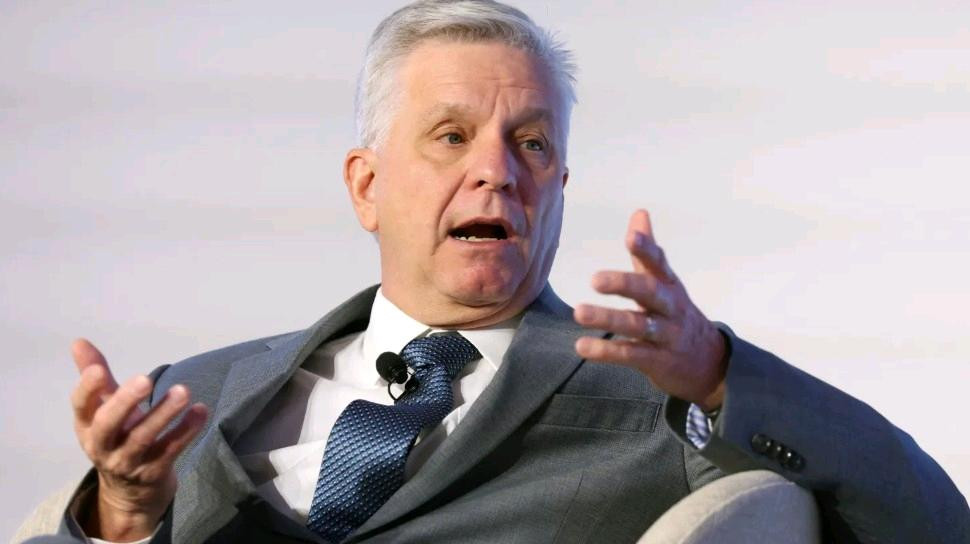
According to Waller, if tariffs are fully reimposed after the 90-day suspension, the economic fallout could be severe: growth could stall, unemployment might jump from 4.2% to 5%, and inflation could briefly spike to 5%. He insists that the Fed must be ready to react swiftly, even if inflationary effects prove temporary.
“I expect the inflation surge to be transitory,” Waller said. “But the drag on output and employment could be much more persistent. If we approach a recession, I’d support faster and deeper rate cuts than previously planned.”
His remarks align with recent data showing growing pessimism among U.S. households. A New York Fed consumer survey revealed that 44% of Americans expect unemployment to rise over the next year—the highest reading since the pandemic and a 10-point jump since Trump returned to office.
Why Are Global Bonds Rallying While Uncertainty Reigns?
Outside the U.S., global bond markets are showing strength. German 10-year yields fell by two basis points to 2.52%, while U.K. yields dropped to 4.62% after inflation data came in softer than expected. These moves reflect investor jitters over global growth and confidence that central banks may have little choice but to ease.
As Powell prepares to speak, the stakes couldn’t be higher. Markets are jittery, recession fears are mounting, and political pressure is reaching a boiling point. Whether Powell decides to hold the line or send a dovish signal could very well set the tone for the rest of 2025—and beyond.
This content is provided for informational or educational purposes only and does not constitute investment advice.