
TSMC Q1 2025 Earnings: Solid Performance But Cautious Outlook Amid Tariff Concerns

Shearing sheep
April 17, 2025
GoGPT Summarizes Articles
TSMC ($TSM) reported a strong Q1 2025, beating revenue and profit expectations, but looming tariff risks and geopolitical tensions suggest the road ahead may not be as clear-cut.
Q1 2025 Results: Beating Expectations
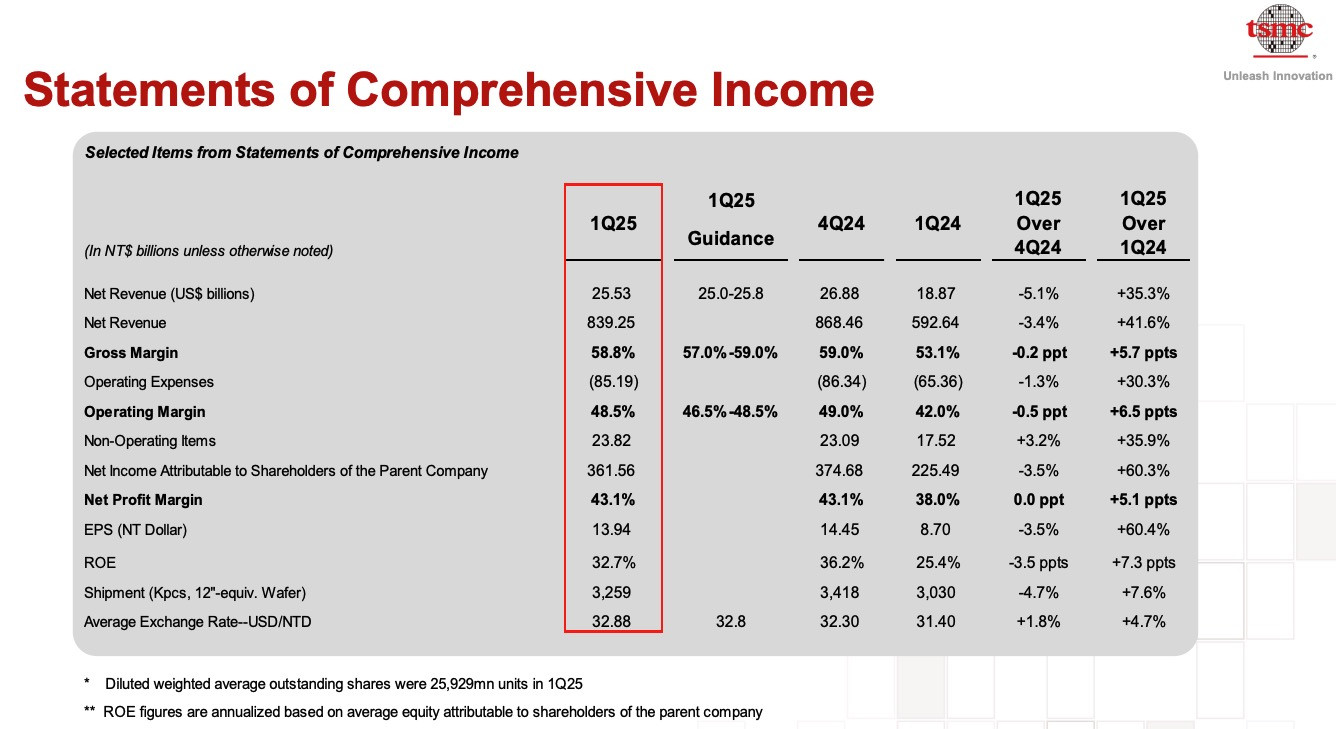
TSMC reported revenue of NT$839.25 billion for Q1 2025, representing a 42% year-on-year increase, surpassing analysts’ expectations of NT$834.3 billion. Net profit also saw an impressive jump of 60.3%, reaching NT$361.6 billion, well above the forecast of NT$346.8 billion. Operating profit stood at NT$407.08 billion, a 63% increase YoY, and also exceeded the expected NT$398.59 billion. Margins remained robust, with gross margin at 58.8% and operating margin at 48.5%.
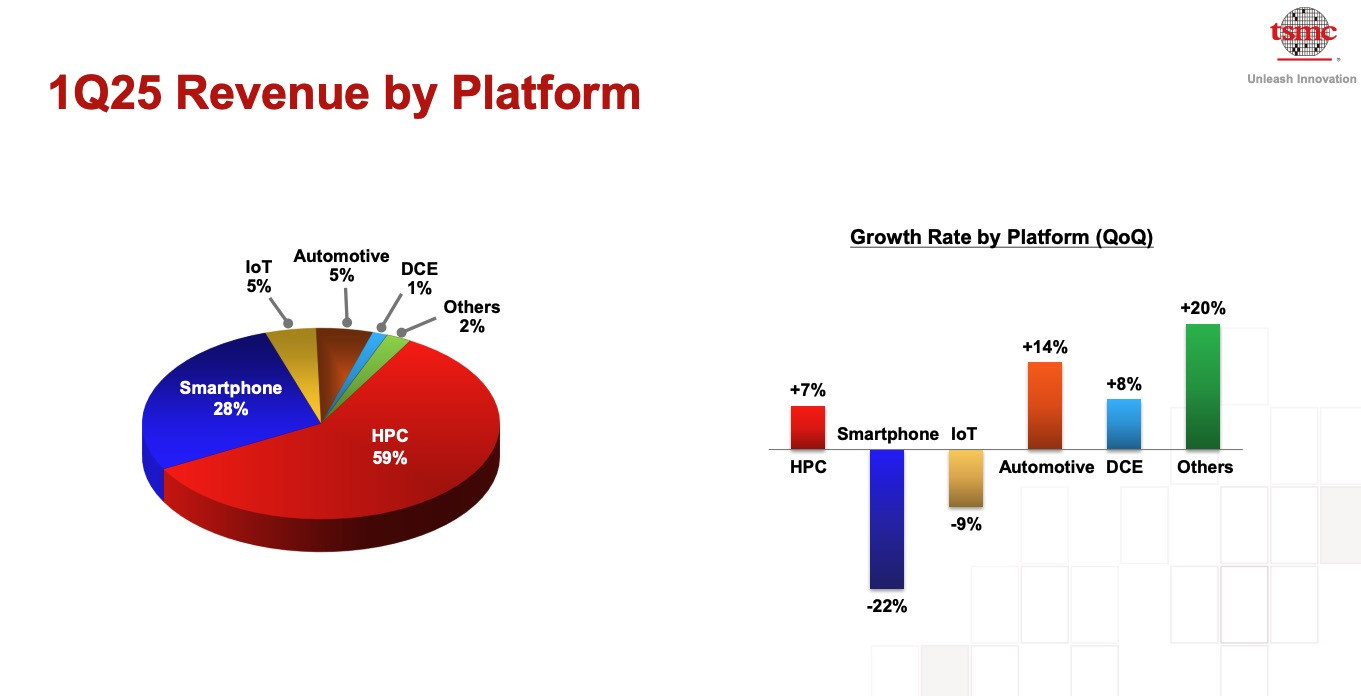
In terms of revenue breakdown, High-Performance Computing (HPC) led the charge, contributing 59% of total revenue. Smartphones followed at 28%, while IoT and Automotive made up 5% each. Despite a 22% sequential drop in HPC, smartphone revenues grew 7%, and IoT and automotive saw gains of 14% and 8%, respectively.
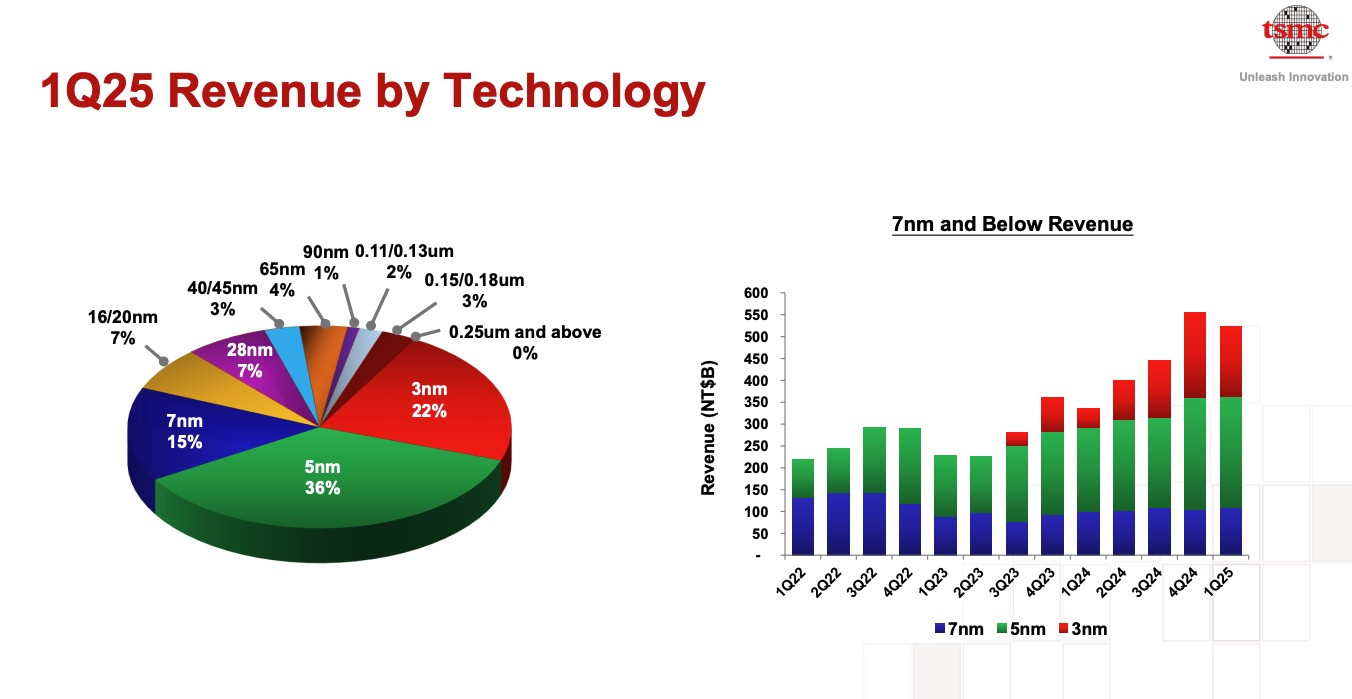
TSMC’s advanced chip processes—3nm, 5nm, and 7nm nodes—continued to drive a significant portion of its revenue, with these advanced technologies now accounting for 73% of total wafer revenue.
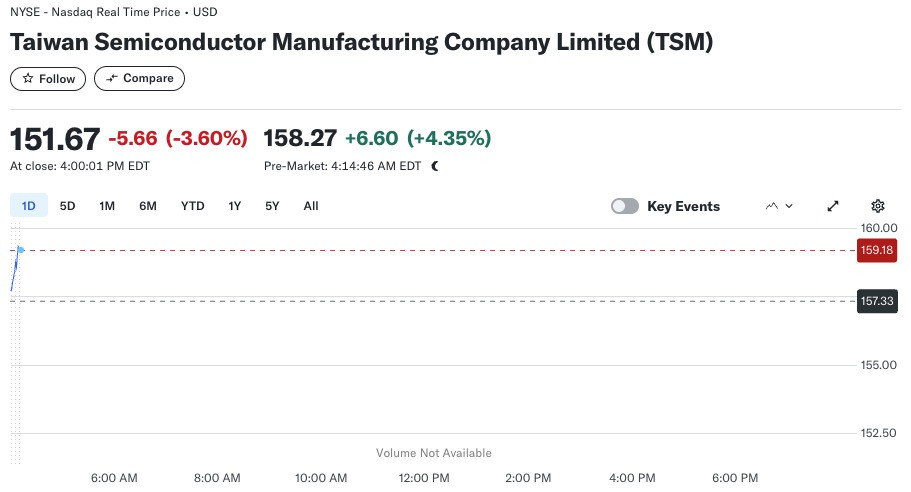
Following the announcement of these stellar results, TSMC’s stock surged over 4% in after-hours trading.
Key Growth Drivers: AI and Advanced Nodes
TSMC’s stellar performance was largely driven by the growing demand for high-performance chips, particularly those used in AI applications. The company’s 3nm process contributed 22% to wafer revenue, while 5nm contributed 36%, underscoring the increasing importance of advanced manufacturing processes in fueling TSMC’s growth. As AI continues to soar, TSMC is positioning itself as a critical player in the supply chain for next-generation chips, essential for sectors like AI, autonomous vehicles, and cutting-edge smartphones.
Challenges Ahead: Tariffs and Geopolitical Tensions
While the numbers look impressive, TSMC's path forward isn't without significant risks. The U.S.-China trade tensions and the ongoing tariff policies are a growing concern, particularly as they could disrupt the semiconductor supply chain. The tariffs on Chinese goods, especially those affecting chip production, could lead to increased production costs, potentially making customers more cautious in their buying decisions. This uncertainty is reflected in analysts' cautious outlook for the second half of 2025.
TSMC’s U.S. expansion plans are especially noteworthy in this context. The company has increased its U.S. capital expenditure to $165 billion, aiming to secure a stronger presence in the U.S. amid geopolitical risks. This is a strategic move, but it also opens the company up to potential regulatory hurdles and uncertainty tied to future trade policies. For now, TSMC is maintaining its 2025 capital expenditure guidance at NT$380 billion to NT$420 billion, a strong commitment that will keep the company well-positioned, but only if the geopolitical environment stabilizes.
Q2 2025: Optimistic Outlook, But Watch Out for Tariffs
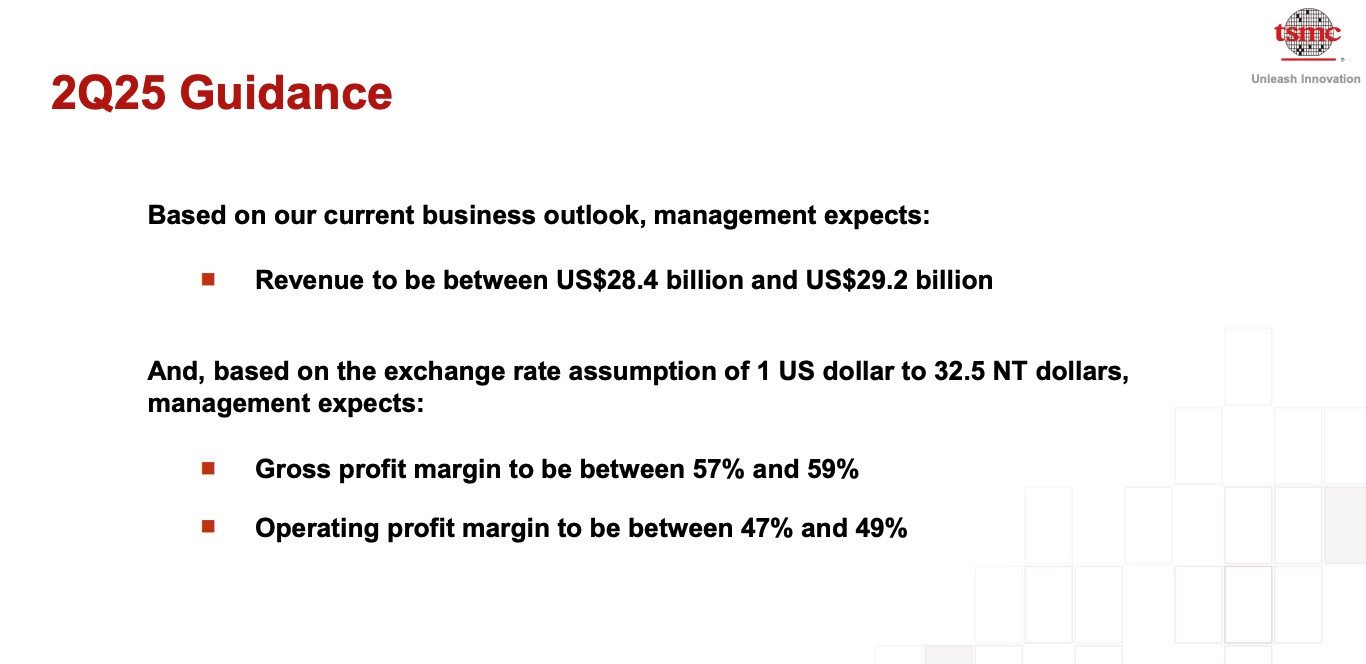
Looking ahead to Q2 2025, TSMC remains optimistic. It has forecasted sales between $28.4 billion and $29.2 billion, well above the market's estimate of $27.16 billion. The company expects its operating margin to remain strong at 47% to 49%, with gross margins in the 57% to 59% range. However, despite this optimism, TSMC is cautious about the impact of tariffs on profit margins, particularly with its international wafer fabs.
In Q2, TSMC is focusing on ramping up production of its next-generation 2nm chips, which are expected to enter mass production later in 2025. Around 30% of TSMC’s 2nm capacity will be dedicated to its Arizona plant, signaling a strong commitment to meeting growing demand, particularly from U.S. customers like Apple. The company's focus on CoWoS (Chip-on-Wafer-on-Substrate) is also set to intensify, as it aims to balance supply and demand in this critical segment by 2026.
Furthermore, while demand for chips, especially for AI and advanced processes, remains robust, there are concerns about the sustainability of this growth. Analysts are beginning to question whether large customers, such as Microsoft and Meta (major buyers of Nvidia chips produced by TSMC), will continue to purchase at the same pace in 2025. This, coupled with recent reports from ASML, has added a layer of caution about the semiconductor sector's outlook.
Final Thoughts
In summary, TSMC's Q1 results highlight the company’s strength in capitalizing on AI and advanced node technology, positioning itself as a key player in the semiconductor space. However, the looming threat of tariffs and the unpredictable global geopolitical landscape add significant uncertainty to the company's growth trajectory. Investors should be mindful of these risks, even as TSMC remains a major player in the semiconductor industry.
While I’m optimistic about TSMC’s long-term prospects—especially with its push into 2nm production and continued AI dominance—the road ahead may not be as smooth as it appears. Tariffs and changing customer demand patterns could throw a wrench into what is currently a very bullish outlook. The next few quarters will be crucial in determining whether TSMC can navigate these headwinds while maintaining its impressive growth.
As always, keeping an eye on how TSMC adapts to these challenges will be key. For now, the company remains strong, but it’s wise to stay cautious. #semiconductor #tsmc
#Your Top Q1 Earnings Pick Amid Trump Tariff Uncertainty#$Taiwan Semiconductor Manufacturing Company Ltd.(TSM)#semiconductor#tsmc