
Traders on Edge as Fed Holds Fire and Tariffs Threaten

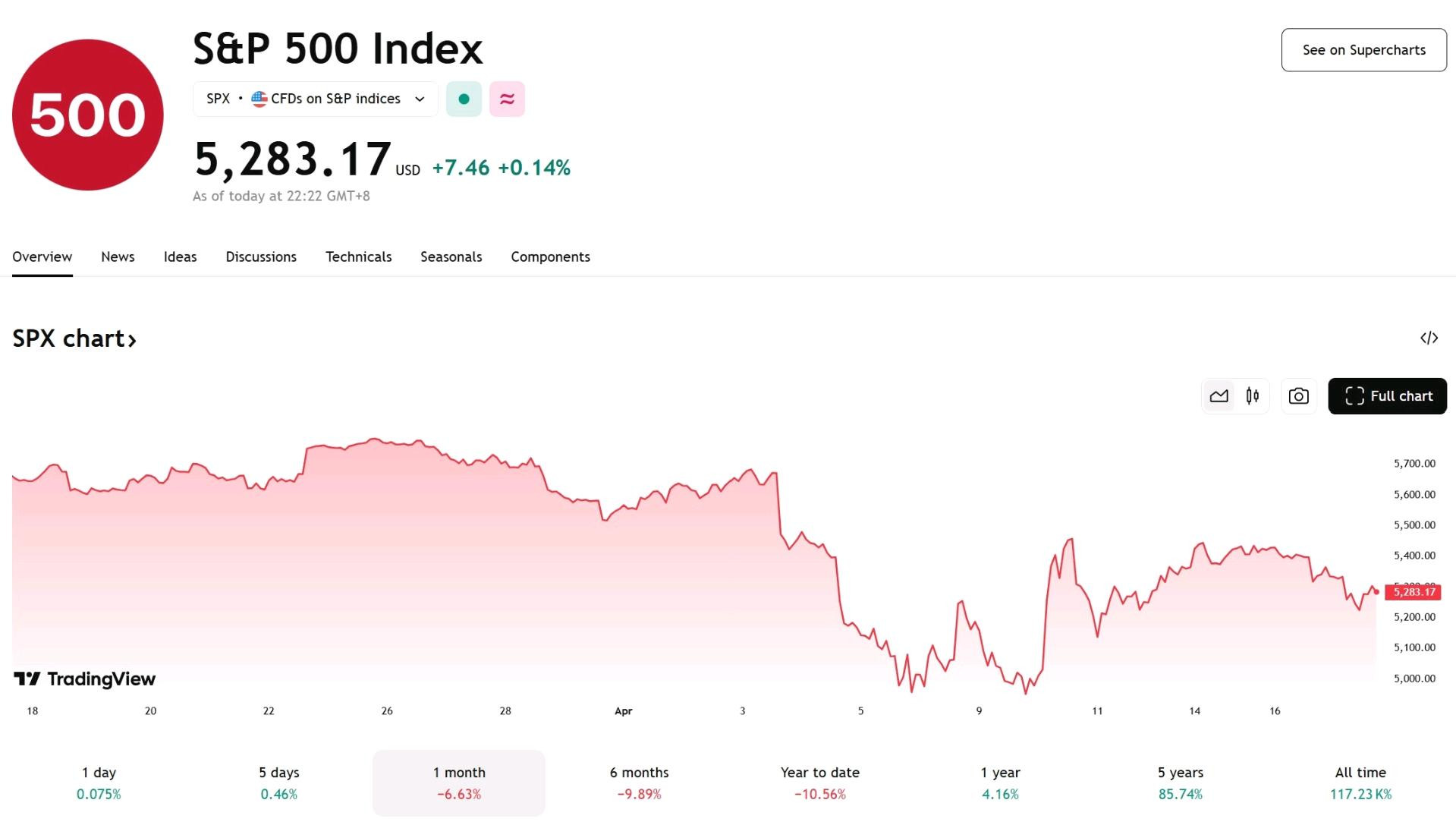
U.S. equity markets slid sharply midweek, with $SPX plunging 2.24% on Wednesday, as Federal Reserve Chair Jerome Powell steered a decidedly hawkish course. By refusing to hint at imminent rate cuts—despite plunging trading volumes and stretched positioning—Powell may have hit the market at its most vulnerable moment. With Easter week prompting light activity, total share turnover across U.S. exchanges fell to 15.7 billion shares, a steep drop from last week’s 30 billion and below the year to date daily average of 16.4 billion. In other words, retailers and institutions alike have largely retreated, wary of fresh headlines and a looming tariff storm.
Powell’s Patience: What’s the Message?
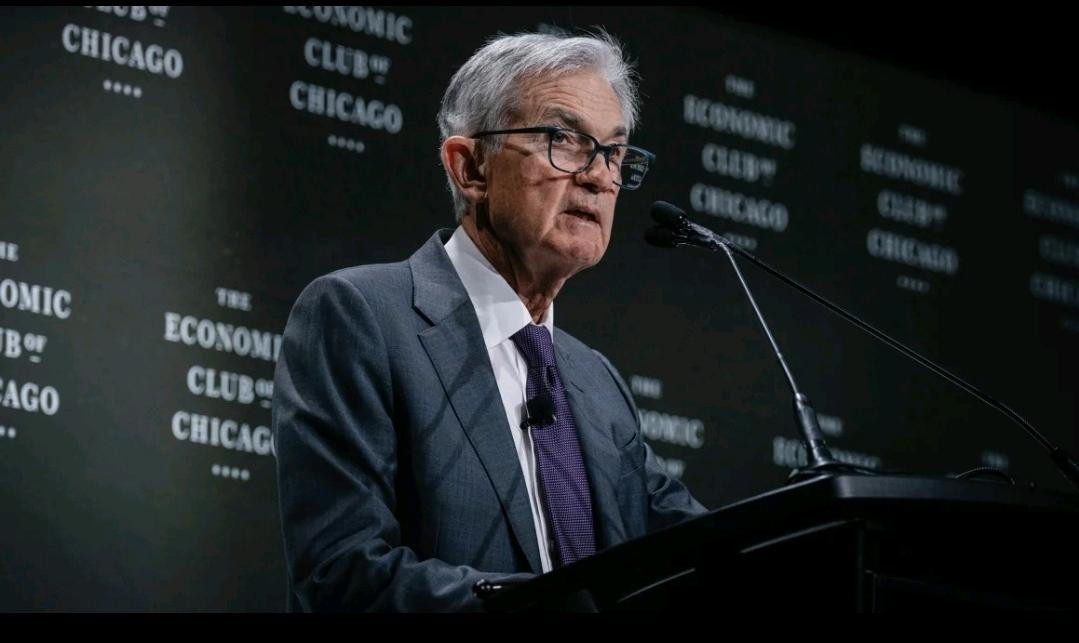
Speaking Wednesday, Powell made clear the Fed intends to “wait for clearer data” before altering its policy stance, underscoring two potential triggers for a shift: a marked slowdown in the labor market or unmistakable signs of easing inflation. Goldman Sachs trader Will Marshall observed that this passive posture effectively raises the bar for cuts, requiring either unambiguous policy clarity or undeniable evidence of weakness in the jobs market. Critics on financial blogs noted the irony: just eight months ago, Powell surprised markets with a 50 basis point cut ahead of the presidential election, when forward inflation swaps and financial conditions were far looser. Now, with the same election cycle nearing, the Fed’s incentives have apparently pivoted from stimulus to caution.
Why Are Traders Running for Cover?
Liquidity is evaporating. Goldman’s Mike Washington pointed out that on Wednesday, trading volume in the S&P 500 was 38% below its ten day average, while top of book liquidity—a gauge of how easily large orders can be executed—shrunk to just US $2.94 million. Such conditions amplify every headline, as even modest flows can swing prices violently when few counterparties stand ready. Defensive sectors and large-cap names like Amazon and Meta have shown little resilience, counterintuitively failing to attract the typical safe haven rotation as worries over consumer spending and tariffs intensify.
How Big Is the Options Expiry Wall?
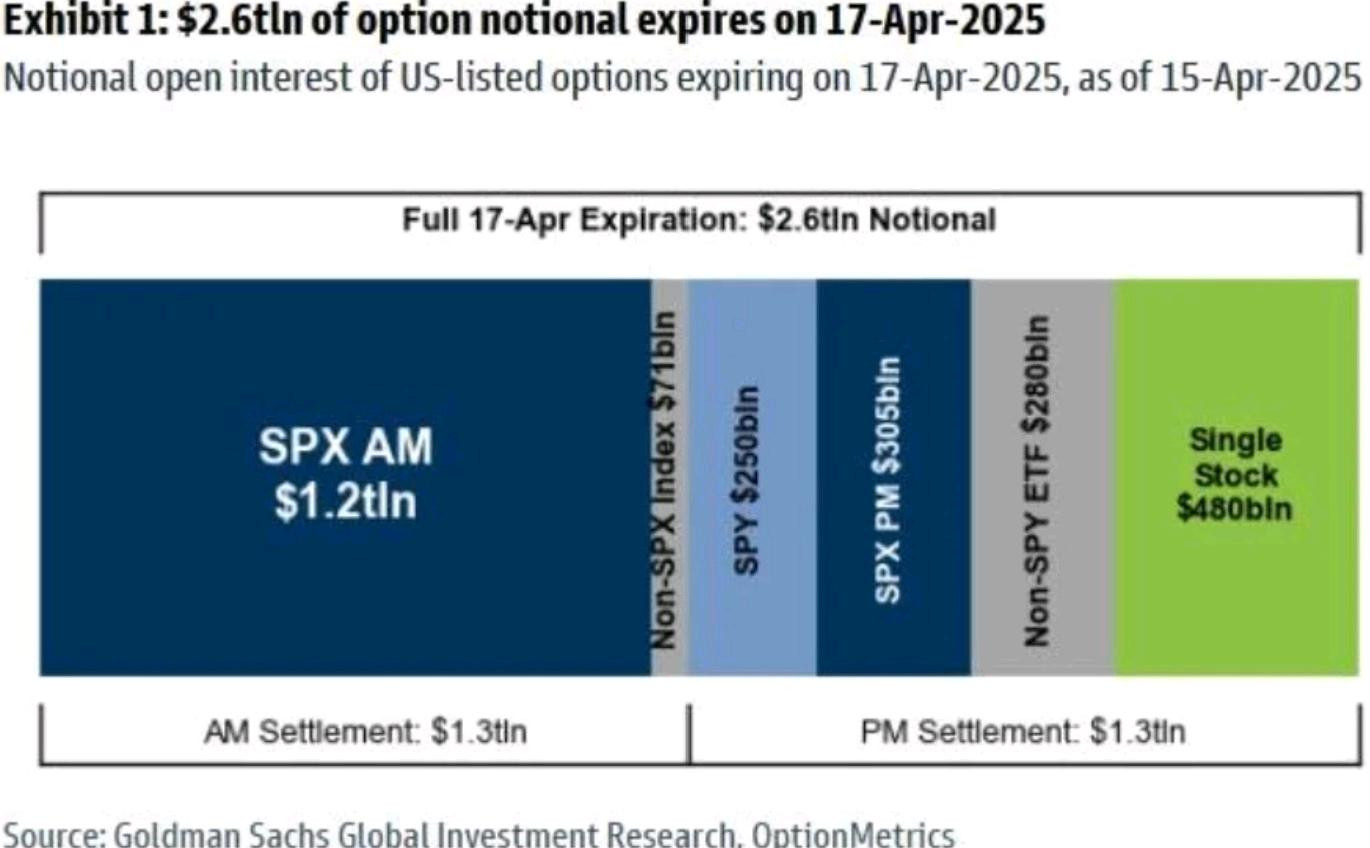
Adding to the pressure, Thursday marks the expiration of more than US $2.6 trillion in notional options—nearly half in index products (US $1.2 trillion in SPX alone) and US $480 billion in single-stock options. That sum equates to 4.7% of the Russell 3000’s market capitalization. Historically, such “quadruple witching” events can magnify volatility, as delta hedging desks scramble to rebalance positions. Goldman notes an uptick in put activity ahead of expiry, signaling that traders are seeking protection against further declines. Yet zero day to expiry options retain a balanced mix of calls and puts, suggesting retail investors remain undeterred—or perhaps oblivious—to the shifting sands.
Schmid’s Warning: Patience on Tariffs
Following Powell’s remarks, Kansas City Fed President Jeff Schmid echoed the need for caution, emphasizing the complexity of assessing President Trump’s revived tariff threats. While agricultural sectors fret over potential levies, a recent drop in energy prices may provide a partial offset to inflationary pressures. “We must be patient to see how these dynamics play out,” Schmid told viewers in a webcast with Dallas Fed President Lorie Logan. Such patience reflects a broader Fed consensus: weigh the full economic fallout before changing course, even as markets clamor for clarity.
Dual Mandate in a Dual-Edged World
Both Powell and Schmid highlighted the Fed’s “dual mandate” of price stability and maximum employment—and the possibility that those goals could conflict under renewed trade frictions. Powell warned that higher tariffs might stoke inflation even as they slow growth and raise unemployment, forcing the Fed to prioritize one objective over the other. Schmid added that, despite unprecedented political pressures, the central bank’s independence remains “our firewall”—albeit one increasingly tested by partisan pressures.
Are Rate Cuts Still on the Table?
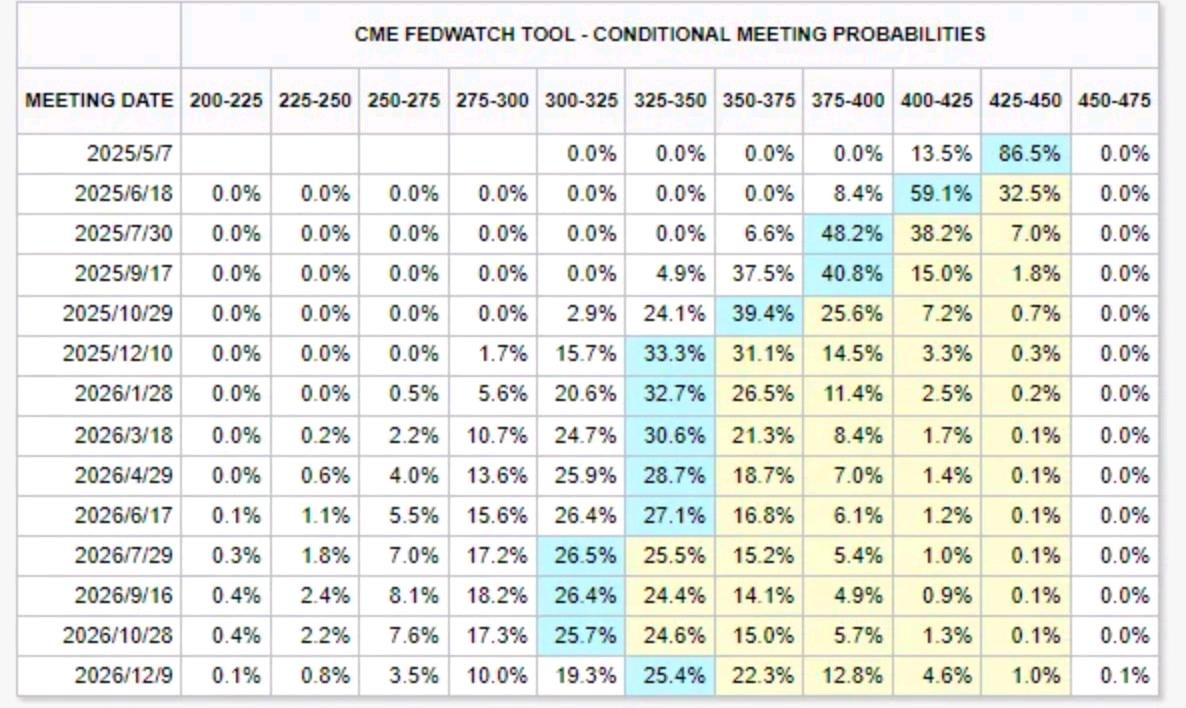
Investors, by contrast, expect the Fed to pivot soon. According to the CME FedWatch Tool, the market has largely priced in a rate cut at the June FOMC meeting, with as many as three to four 25 basis point cuts anticipated this year. But if the Fed holds its ground through the spring—watching data for tariff fallout, inflation’s trajectory, and employment resilience—those expectations may be deferred or pared back, creating fresh volatility in bond and stock markets.
Bottom Line: Navigate with Caution
As thin holiday trading meets a massive options expiry and renewed tariff angst, U.S. markets face a precarious cocktail of low liquidity and high uncertainty. The Fed’s decision to “wait and see” has amplified traders’ nerves, not soothed them. Whether energy price relief can counterbalance looming import levies, or if re stocking before tariffs will merely pull demand forward, remains unclear. For now, investors should brace for bumpier trading ahead, guard against headline driven swings, and resist chasing the dips until the Fed and the White House reveal their next moves.
This content is provided for informational or educational purposes only and does not constitute investment advice.