
Will Fed Independence Become the Next Casualty?

Could Political Pressure Upend Fed Independence?
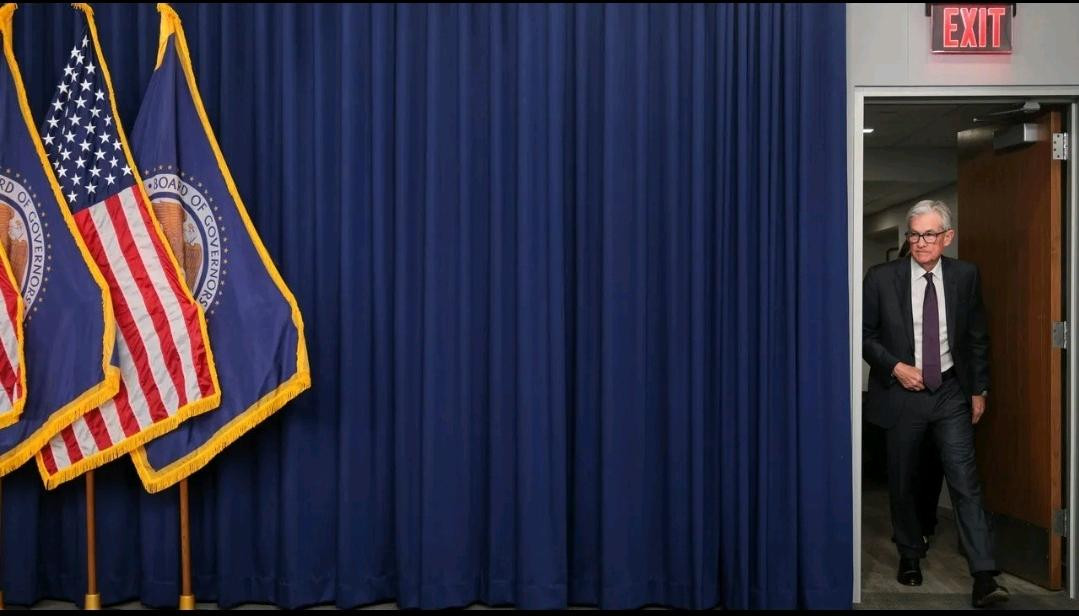
In a stunning escalation, President Donald Trump’s repeated threats to remove Federal Reserve Chair Jerome Powell have injected fresh volatility into financial markets. Trump insists that unless Powell slashes interest rates “right away,” he’ll be shown the door—an ultimatum that, if enforced, would shatter the long-standing firewall shielding the Fed from political meddling. Market watchers warn that the key hinge will be a U.S. Supreme Court ruling expected in May on the “Trump v. Wilcox” case, which could redefine presidential authority to dismiss leaders of independent agencies. If the Court broadens the president’s removal power, the Fed’s decision making could become vulnerable to political whims—undermining confidence in the dollar and triggering a scramble for traditional safe havens like gold.
Goldman’s Stark Warning
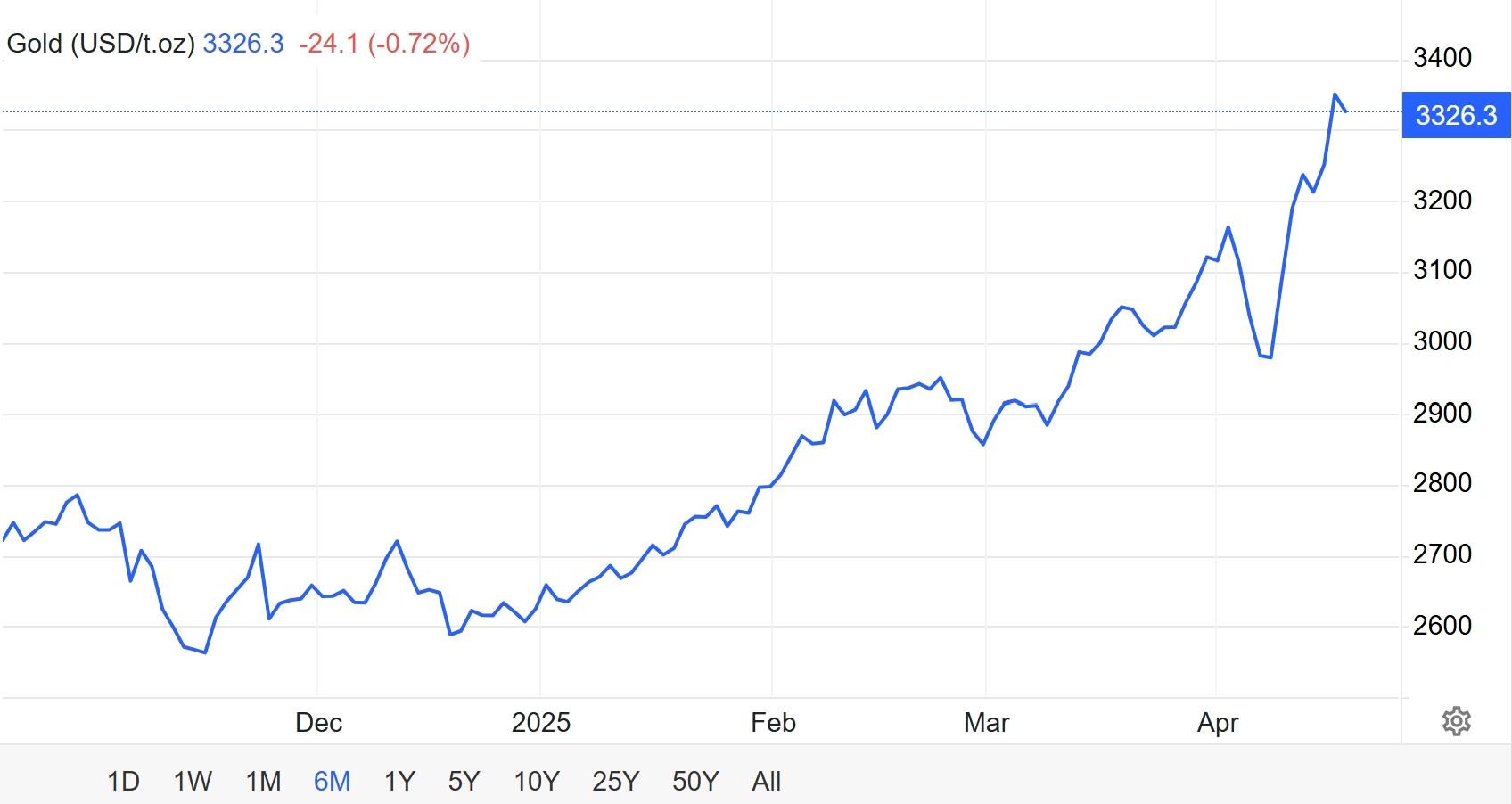
Goldman Sachs has painted an extreme scenario: a “submissive Fed” that yields to political pressure would ignore inflationary signals and embark on aggressive rate cuts. Under such conditions, real interest rates would collapse, the dollar would depreciate sharply, and gold demand would surge. In their stress-test, Goldman analysts estimate gold prices could hit an eye watering $4,500 per ounce by year end—a level previously unthinkable for a modern bullion market. History shows that once a central bank loses its autonomy, faith in fiat currency erodes rapidly, prompting investors to flock to bullion. Even if the extremes aren’t realized, any hint of political interference could spark significant market tremors.
What’s at Stake in the Supreme Court Ruling?
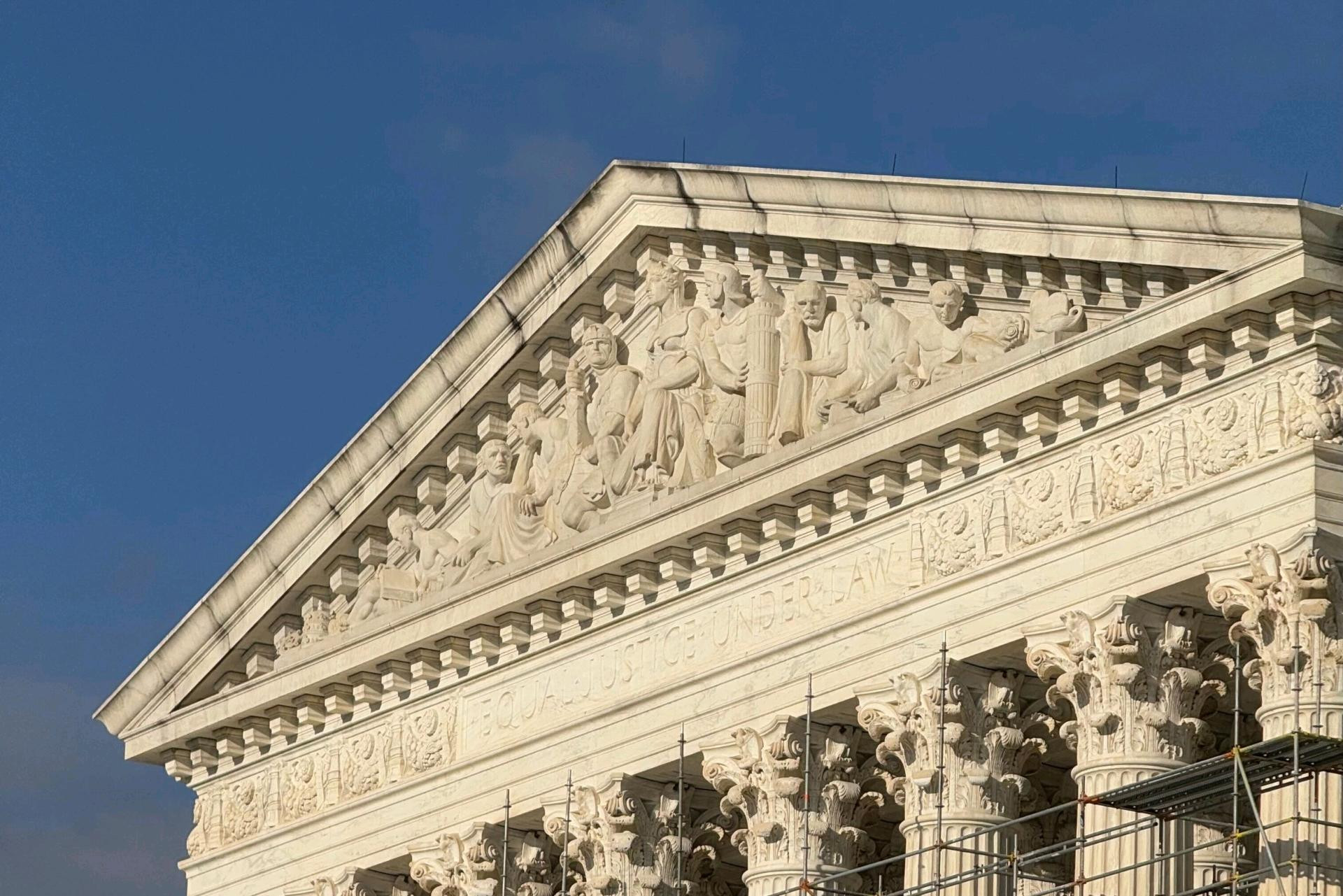
At the heart of the legal drama is the question of whether a president may dismiss Federal Reserve governors at will. Federal statutes currently grant board members 14 year terms and the chair a four year term, removable only “for cause” such as malfeasance. But the Trump administration’s emergency petition in the Wilcox case seeks to extend presidential removal rights to officials of so called independent agencies, including the Fed. Evercore ISI’s Krishna Guha warns that a ruling in Trump’s favor would set a precedent, eroding the legal safeguards designed to keep monetary policy insulated from political cycles. During his recent address at the Chicago Economic Club, Powell acknowledged monitoring the case closely, even if he doubts its direct applicability to the Fed.
Political Fallout and Bipartisan Alarm
The prospect of firing a Fed chair has drawn stark warnings from across the political spectrum. Treasury Secretary Janet Yellen reportedly cautioned White House aides that dismissing Powell could trigger a “financial meltdown.” Meanwhile, Senator Elizabeth Warren—traditionally a critic of Powell’s rate decisions—has joined the chorus, declaring that such an act would “crash our markets.” Schwab’s chief fixed income strategist Kathy Jones adds that even the threat of removal could precipitate a sell off in U.S. Treasuries and a slide in the dollar—risks typically confined to emerging market economies when central bank independence is compromised. Bond yields could spike as investors demand premiums for political risk, while the dollar, long a bedrock of global finance, would face downward pressure.
Nomura’s Take on Trade and Market Risks
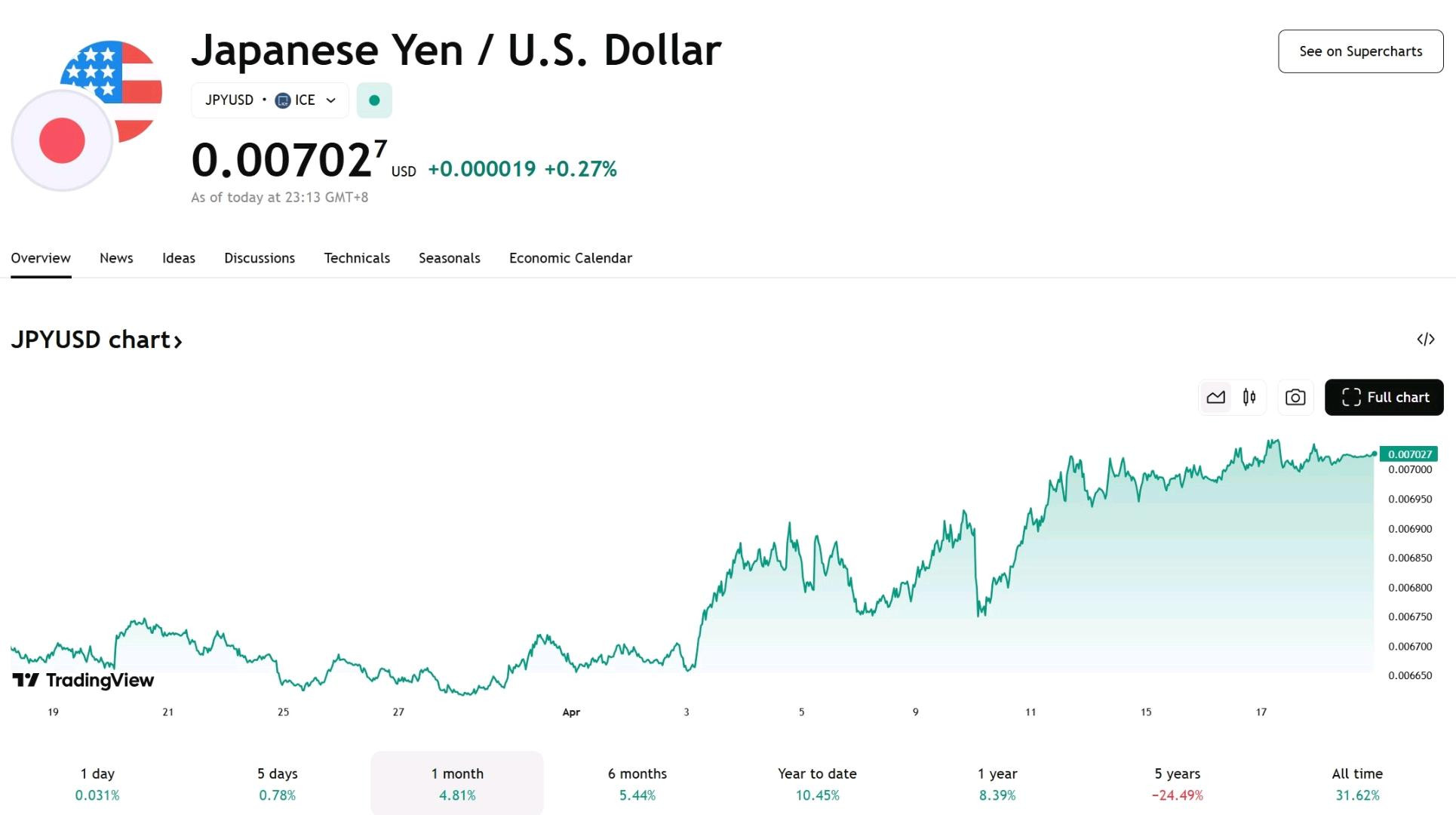
Adding another layer of concern, Nomura Securities highlights how Trump’s “clearly frayed patience” with Powell coincides with critical 90 day tariff suspension deadlines. Instead of bolstering his negotiating hand, the relentless attacks may encourage trading partners to slow walk compromises until the deadline looms, raising the odds of missteps. Nomura strategist Naka Matsuzawa argues that Japan, seen as more amenable to concessions, may agree to boost infrastructure spending or hold more U.S. Treasuries—but firms resisting yen appreciation could push back. Any faltering in trade talks, coupled with blow torch Fed rhetoric, risks amplifying market volatility across equities, bonds, and currencies.
What Could Go Wrong Next?
If May’s Supreme Court decision aligns with Trump’s ambitions, the pathway to politicized Federal Reserve policy becomes frighteningly clear. Investors may pre emptively hedge against disrupted rate setting by accelerating allocations to gold ETFs and physical bullion. Equities could face choppy waters as rate cut expectations clash with inflation fears. Treasury markets, already jittery, might endure whipsaw movements as yields recalibrate to newfound political risk. In the worst case Goldman scenario, a collapse in dollar confidence ignites a global rush to hard assets.
Eyes on May—and Beyond
With the Supreme Court poised to decide, every Fed statement and every Trump tweet will be dissected for clues about the future of central bank governance. If the decision curtails Powell’s tenure without “cause,” the precedent will embolden future administrations to treat the Fed as another tool of fiscal policy—eroding a bedrock principle of modern macroeconomics. For now, markets brace for a collision between constitutional law and monetary autonomy, aware that the outcome could redefine the contours of U.S. financial stability for decades to come.
This content is provided for informational or educational purposes only and does not constitute investment advice.