
Nvidia's AI Chip Ban: How Washington's China Crackdown Backfired

$150 Billion Wiped Out in Tech Selloff
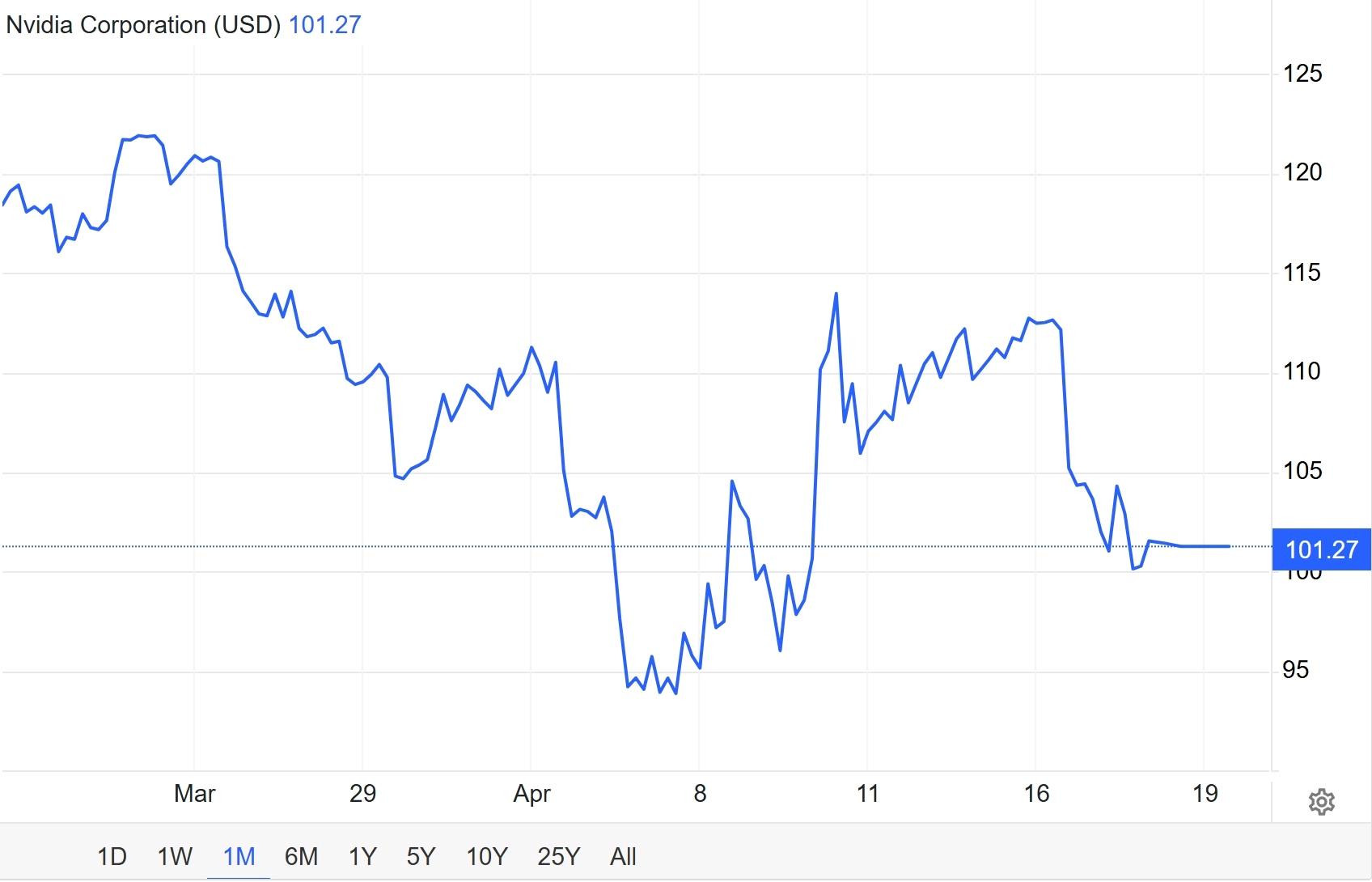
The U.S. government's surprise ban on $NVDA 's H20 AI chip exports to China has triggered a global market earthquake, vaporizing $148 billion from $NVDA 's valuation in a single day. Just weeks after reports suggested Donald Trump would spare the China-specific chip from restrictions, regulators quietly added it to the export blacklist - catching investors and tech executives completely off guard.
This isn't just about $NVDA . $AMD and $INTC now face similar restrictions, collectively threatening over $20 billion in annual China revenue. But the real shockwave? China's AI sector just proved it can innovate with weaker chips - and Washington's heavy-handed response may accelerate Beijing's tech independence.
Why America Freaked Out About a "Crippled" Chip?
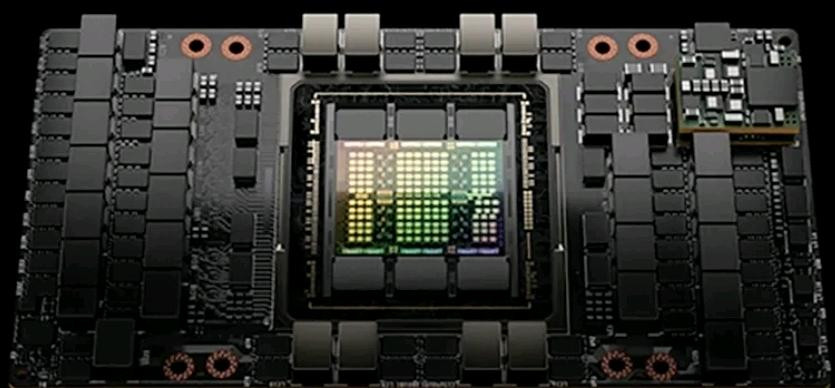
The H20 wasn't supposed to be controversial. Designed in 2023 as a deliberately weakened alternative to $NVDA 's H100 (with just 3% of its processing power), it complied with earlier export rules. Yet three factors made it Washington's new target:
1. Profit Machine - Despite its limitations, $NVDA sold $16 billion worth to Chinese clients in Q1 2024 alone, often at premium prices
2. CUDA Lock-In - The chip's compatibility with $NVDA 's software ecosystem made it irresistible for AI developers
3. The DeepSeek Shock - When Chinese researchers used H20 predecessors to build competitive AI models at 60% lower cost, it shattered the myth that China needed cutting-edge Western chips
"DeepSeek proved America's entire containment strategy could be outsmarted," notes tech analyst Klon Kitchen.
Domino Effect: AMD, Intel Get Dragged In
Within 48 hours of $NVDA 's announcement:
- $AMD revealed its China-specific MI308 chip now requires licenses (China = 24% of sales)
- $INTC warned its Gaudi AI processors exceed new bandwidth limits
- Congress launched an unprecedented probe into $NVDA 's Asian clients, demanding details on every bulk buyer since 2020
The coordinated crackdown reflects Washington's panic. "We're done letting companies profit while empowering our adversaries," Commerce Secretary Howard Lutnick declared in March.
The $60 Billion Question: Will China Retaliate?
Market reactions tell the story:
- $NVDA shares down 30% from January peaks
- Asian chipmakers like TSMC saw $42 billion in selloffs
- Analysts predict 10% revenue hit for $NVDA
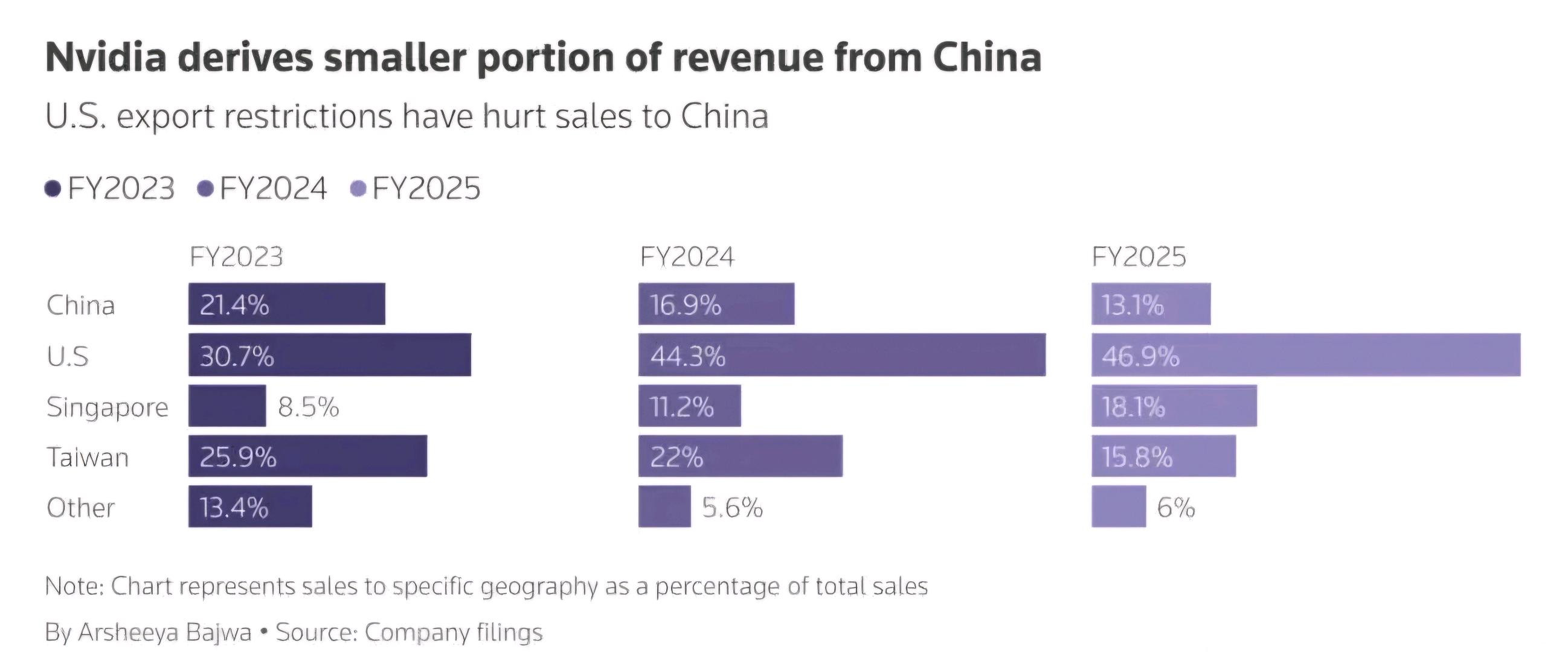
But the bigger risk? China's semiconductor industry is gaining ground. Huawei's Ascend 910B already controls 15% of China's AI chip market. As Wedbush's Matt Bryson warns: "Every restriction speeds up China's push to replace Western chips entirely."
Silicon Cold War Escalates
This ban reveals the fatal flaw in America's tech blockade: brute-force restrictions can't stop innovation. While Washington scrambles to close loopholes, China is turning to domestic alternatives - and winning clients globally.
The real casualty may be U.S. tech dominance itself. As Nvidia faces its worst crisis in years, one truth becomes clear: In the AI arms race, overreach could be America's biggest vulnerability.
This content is provided for informational or educational purposes only and does not constitute investment advice.