
Is Trump’s Trade War Backfiring on His Own Party?

A New Low: Has Trump’s Economic Gamble Lost the Public’s Trust?
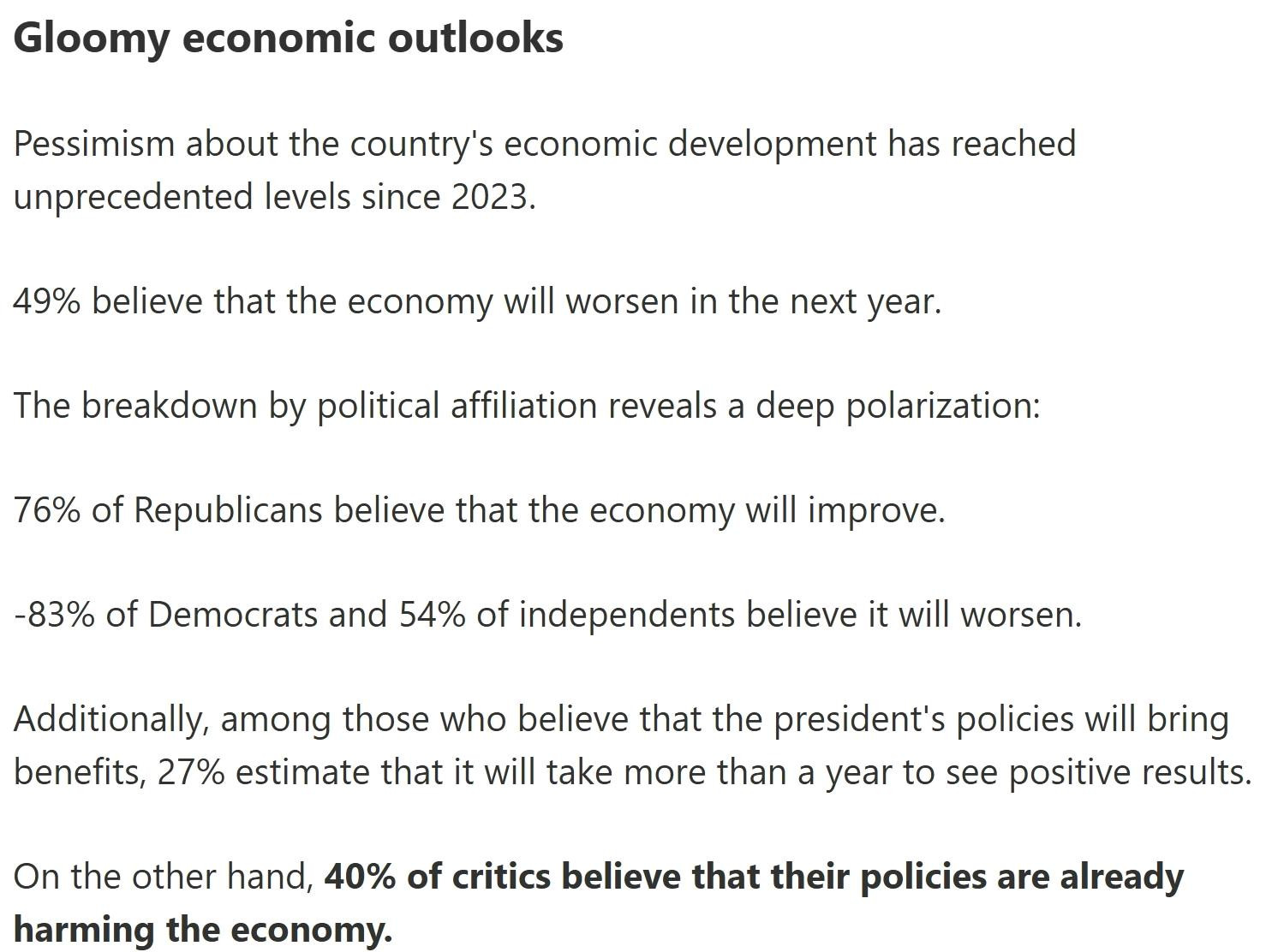
President Donald Trump’s handling of the U.S. economy is facing the harshest backlash of his political career. A new CNBC nationwide survey reveals that only 43% of Americans approve of Trump’s economic policies, while 55% disapprove—marking a record low in his economic approval ratings. Even more troubling for the president, 49% of respondents believe the economy will worsen over the next year.
This wave of dissatisfaction stems largely from Trump’s aggressive tariff strategy, which critics say is doing more harm than good. The fallout is no longer just political rhetoric—it’s impacting real industries, from semiconductors to automobiles. As Trump positions himself for a political comeback, the economic storm he helped unleash may be turning against him and his Republican allies.
Is the Tariff Storm Sinking Key U.S. Industries?
Trump’s “tariff storm,” once touted as a power move to protect American interests, is now being blamed for destabilizing crucial sectors of the economy. The U.S. semiconductor industry is taking a particularly hard hit. According to estimates discussed in recent meetings between semiconductor executives, the SEMI industry group, and Washington officials, Trump’s latest round of tariffs could cost America’s top three chip equipment makers—Applied Materials, Lam Research, and KLA—over $1 billion annually.
Chip design giants like $NVDA and $AMD are also bracing for serious financial damage. $NVDA has already reported potential losses of $5.5 billion due to export restrictions tied to Trump-era policies. $AMD , facing similar constraints on its AI products, warned of an $800 million financial impact.
And it’s not just chips. The ripple effects of Trump’s trade policies are hitting American roads as well. Major automakers like Ford and General Motors have begun raising prices, citing increased costs from import tariffs on parts and vehicles. Ford warned its U.S. vehicle prices could rise as early as this summer, while Buick—GM’s popular but mostly imported brand—faces a survival crisis as higher prices threaten its market share.
Are Republicans Secretly Hoping the Courts Will Step In?
Behind closed doors, many Republicans are growing increasingly uneasy. Publicly, they may stay quiet—but privately, several GOP lawmakers are reportedly hoping the Supreme Court will step in and put an end to Trump’s tariff war.
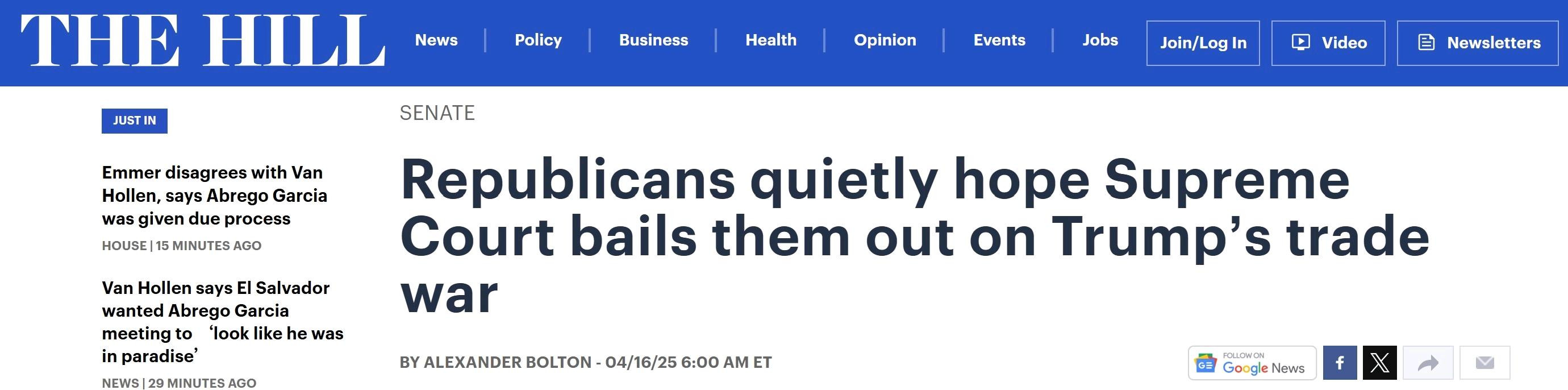
As reported by *The Hill*, multiple Republican strategists admit that tariffs are becoming a political liability. Former Senate GOP aide Brian Darling bluntly stated, “The longer this goes on, the worse it gets for our side.” A number of GOP senators now view the tariffs as not just economically damaging but politically explosive—especially with midterm elections looming in 2026.
Even Trump loyalists are beginning to distance themselves. Texas Senator Ted Cruz has described tariffs as a “hidden tax on millions of American consumers,” and Wisconsin’s Ron Johnson went even further, calling them a “blunt instrument that hurts us more than it helps.”
Could the Tariff Rift Tear the GOP Apart?
The internal GOP battle over tariffs is intensifying. Seven Republican senators are currently backing legislation that would require congressional approval for all new tariffs, effectively stripping the president of his unilateral trade authority. Their argument? The power to tax—through tariffs or otherwise—should remain with Congress, as the Constitution intends.
Nebraska Congressman Don Bacon criticized Trump’s policy as a “historic surrender of congressional power,” while Senators Rand Paul and even former Vice President Mike Pence have voiced opposition to continuing the tariff war unchecked. Paul emphasized the toll these policies are taking on American families, warning that “everyday citizens are footing the bill.”
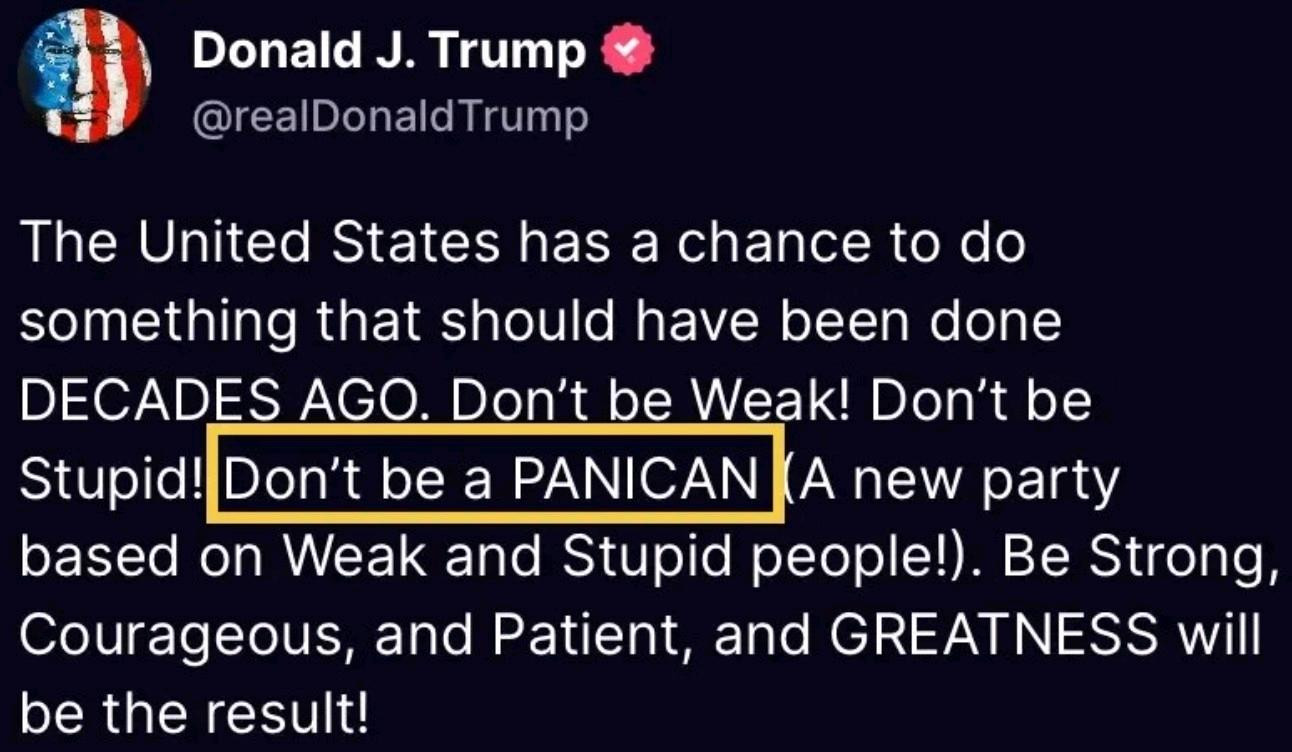
Trump, predictably, isn’t taking this internal dissent lightly. On social media, he coined the term “PANICAN”—a mashup of “panic” and “Republican”—to mock GOP critics of his economic strategy, portraying them as weak and foolish.
Will Tariffs Cost the GOP the Next Election?
With inflation still biting and trade tensions rising, some Republicans fear that history could repeat itself. Senator Thom Tillis of North Carolina pointed to the 1982 midterms, when Ronald Reagan’s GOP lost 26 House seats amid a sluggish economy and rising taxes. The parallels are eerie: high inflation, economic uncertainty, and a party divided over how to respond.
Analysts warn that if Trump’s tariff policies remain in place by early next year, the economic indicators could further decline—dragging GOP approval ratings down with them. Tillis himself warned, “If we’re still arguing about tariffs in February, we’re in serious trouble.”
With 2026 on the horizon, and economic indicators flashing warning signs, Republicans are facing a painful dilemma: stand by Trump and risk electoral disaster, or break ranks and attempt to chart a new economic course.
Final Word: Is Trump’s Economic Legacy in Jeopardy?
Trump built his political brand on promises of economic revitalization. But now, as his policies come under fire from both voters and his own party, that legacy is being tested. From high-tech manufacturing to the everyday cost of a new car, Americans are starting to feel the pressure.
With approval ratings sinking and party unity fracturing, the question isn’t just whether Trump’s trade war was a good idea—it’s whether it might cost him and the GOP their future.
This content is provided for informational or educational purposes only and does not constitute investment advice.