
Gold Soars to New Heights: Is the Dollar's Dominance on the Brink?

Shearing sheep
April 21, 2025
GoGPT Summarizes Articles
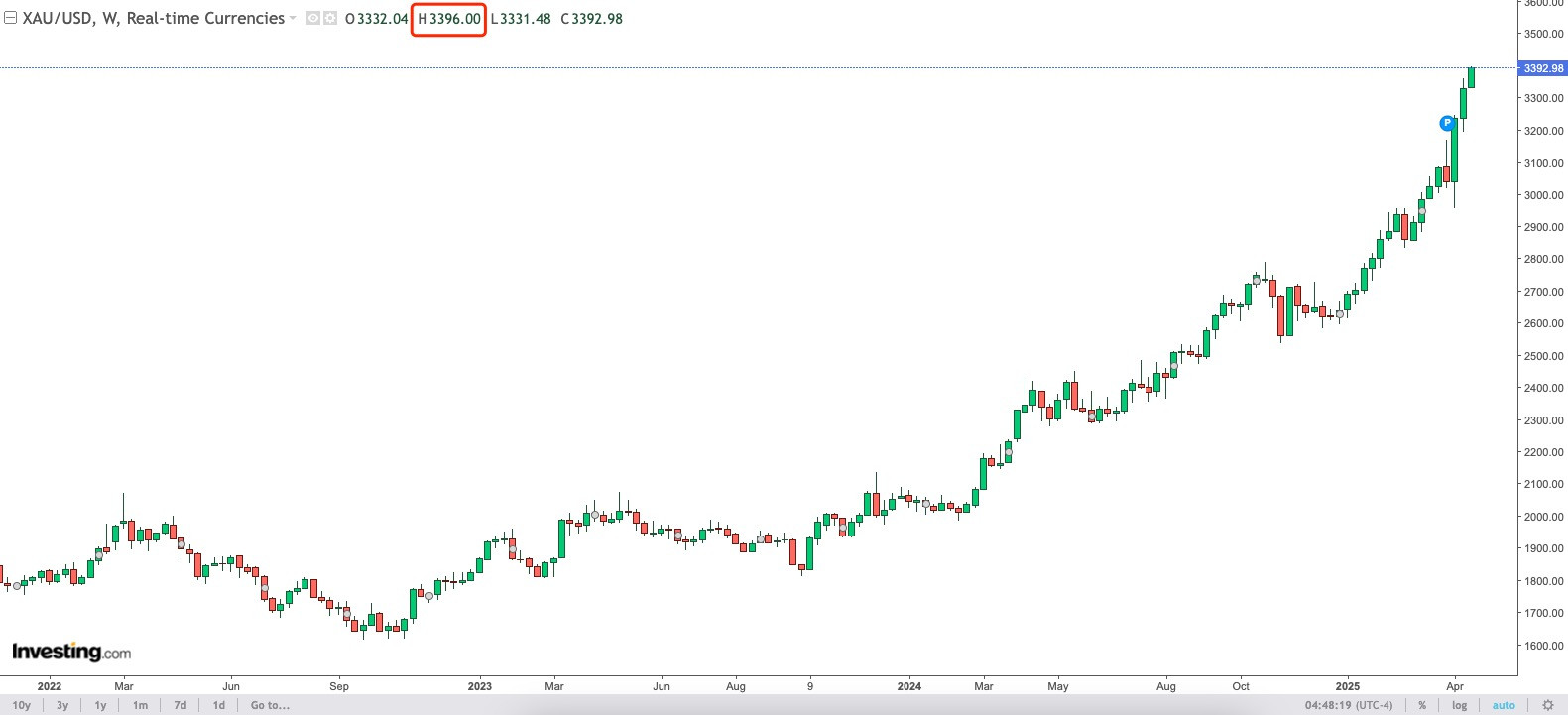
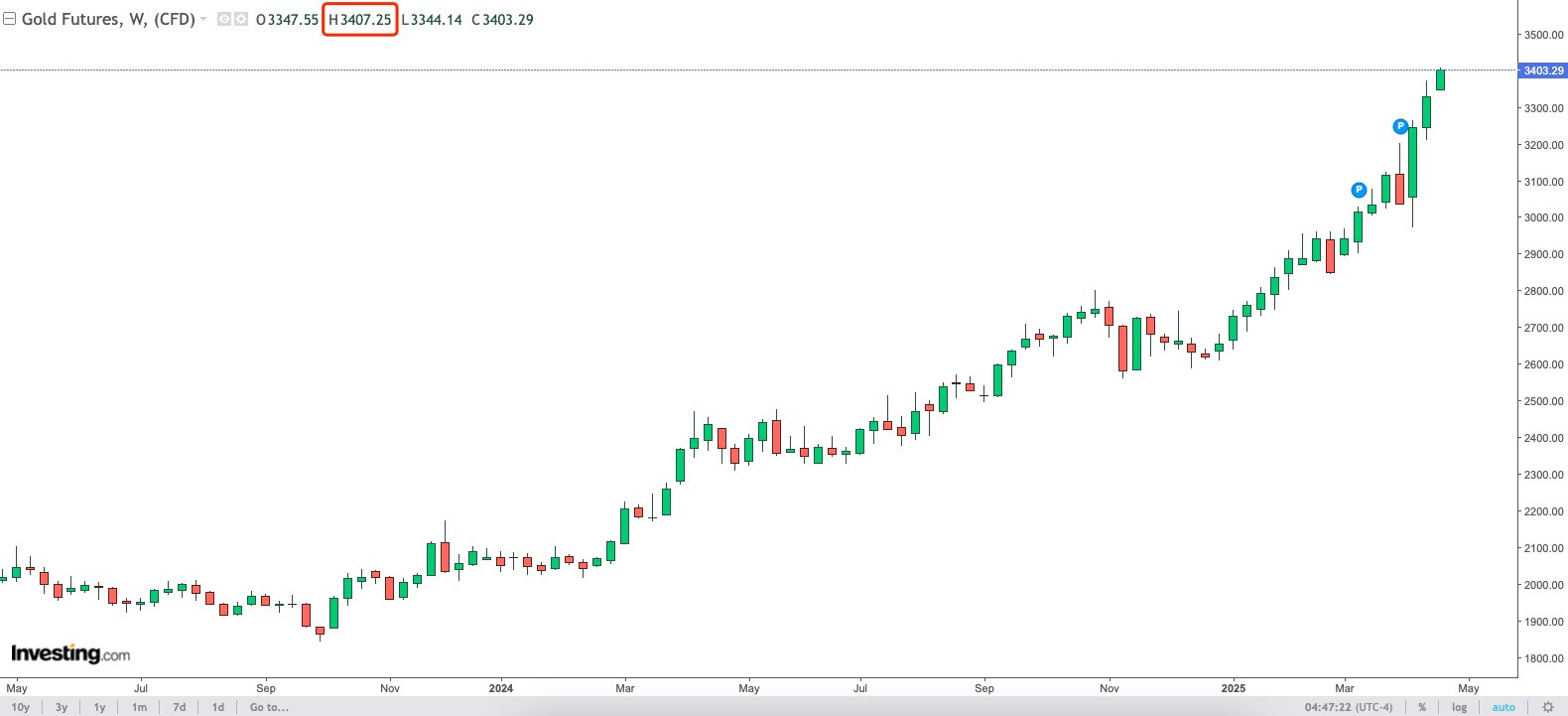
On Monday, spot gold surged to a staggering $3,396 per ounce, setting a new all-time high, with gold futures briefly touching $3,407.25.
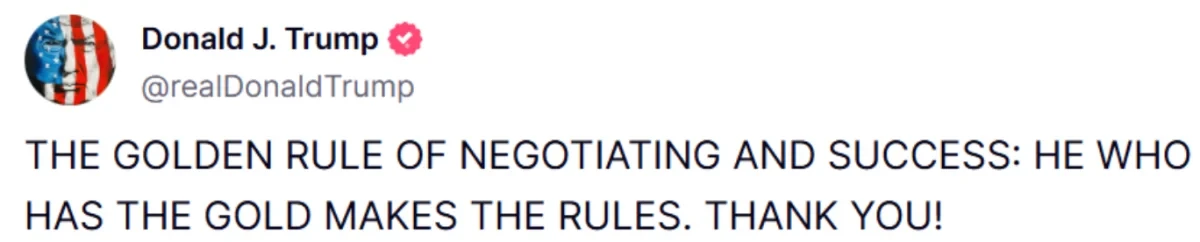
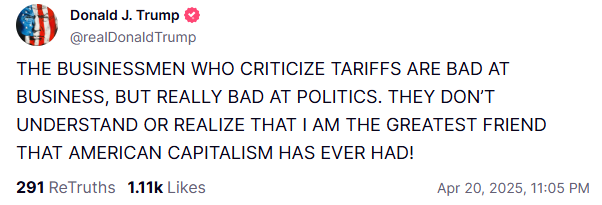
Just prior to this, President Trump posted on social media: "The golden rule of negotiating and success: he who has the gold makes the rules." For gold bulls, it felt like a not-so-subtle nod. At the same time, his staunch defense of tariffs—"The businessmen who criticize tariffs are bad at business, but really bad at politics. They don't understand or realize that I am the greatest friend that American capitalism has ever had!"—added to the intrigue. Considering how his past market commentary has triggered volatility, this post on gold feels particularly noteworthy.
Gold Going Parabolic
Gold’s rally has been nothing short of relentless. Since early last year, it has climbed from around $2,000 to nearly $3,400—an increase of more than 60%. A stunning performance, yes—but some analysts argue it’s not yet “historic” when viewed in a broader context.
Macro strategist Simon White recently compared this surge to the gold bull run of the late 1970s. Back then, gold prices tripled—or even quadrupled—within a single year. The drivers? A decade of U.S. inflation, waning confidence in the Fed, and a major structural shift when President Nixon ended the dollar’s convertibility to gold in 1971, dismantling the Bretton Woods system. Investors, wary of fiat currency, fled to gold as a reliable hedge.
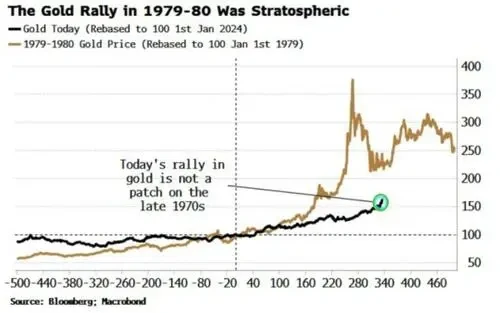
Today isn’t a carbon copy of that era, but the echoes are hard to ignore. Inflation, while not as severe, remains persistent. Meanwhile, the Fed's independence is being openly challenged—particularly by Trump’s repeated attacks on Chairman Jerome Powell. According to White, Trump’s rhetoric has undermined the perception of the dollar as a politically neutral and stable asset. And the numbers back that up: over the past three years, dollar-denominated reserve assets have fallen by $450 billion, while gold reserves have risen by more than $700 billion.
The Dollar’s Waning Grip
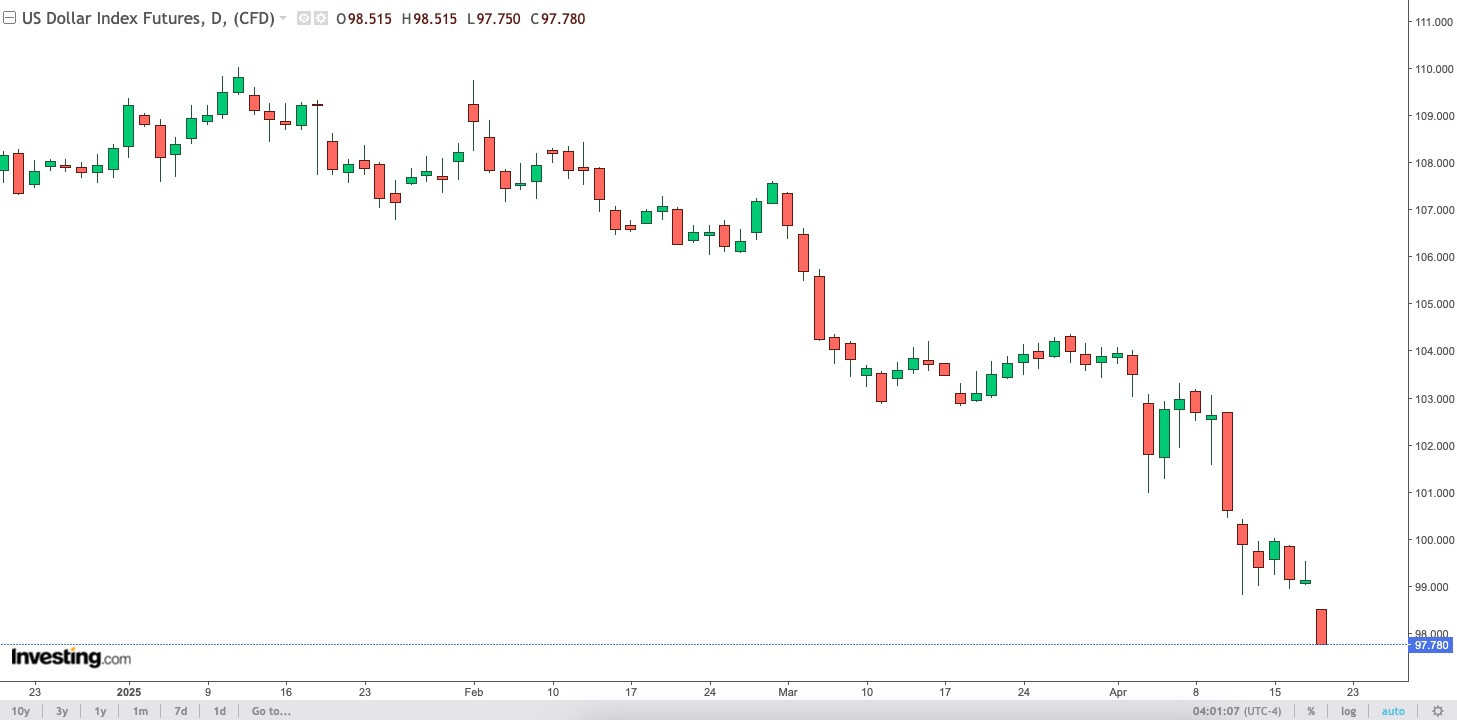
As gold ascends, the U.S. dollar is faltering. The dollar index has dipped below the 98 mark—a level not seen since April 2022. But this isn’t just a temporary dip. According to Goldman Sachs, it’s part of a larger, structural shift.
Tony Pasquariello, Goldman’s head of hedge fund coverage, recently outlined three key factors that are threatening the dollar’s dominance:
1. Overvaluation: The dollar remains about 20% overvalued, inflated by a decade-long “American exceptionalism” narrative that pulled in global capital. But such overvaluation isn’t sustainable forever.
2. Tariff Impact: U.S. tariffs have disproportionately hurt corporate profits and household spending—two of the key pillars supporting the U.S. economy and, by extension, the dollar.
3. Shifting Capital Flows: The current climate resembles Brexit more than the 2018 trade war. It’s not just about the U.S. and China—it’s the U.S. versus the rest of the world. And capital flows, especially from Europe and Japan, are becoming more reactive.
Goldman also points to $2.2 trillion in unhedged dollar exposure—much of it built up since 2008—that could take years to unwind. While we’re not seeing a dramatic exodus from U.S. assets yet, the signs are clear: eurozone investors have begun trimming their holdings of U.S. equities, and sentiment is shifting.
What Lies Ahead?
So what does all this mean for investors—and for the global economy?
We may be standing at a turning point. The dollar’s dominance has long been treated as a given, but that assumption is now being questioned. Gold’s rise isn’t just about inflation or rate cuts—it’s also about trust. Trust in the Fed. Trust in U.S. institutions. Trust in the dollar itself.
While Goldman Sachs doesn’t foresee an immediate collapse in dollar demand or a wholesale flight from U.S. assets, they do acknowledge a slow, structural shift underway. If global investors start to seriously rebalance their portfolios away from the U.S., the dollar could face long-term headwinds.
As for gold? Its momentum shows no signs of slowing. Many Wall Street firms are now forecasting prices to hit $4,000 or higher in the coming months. If history is any guide, gold has a way of exceeding expectations during periods of monetary uncertainty.
The message is clear: gold is rising not just as a hedge—but as a statement. A growing number of investors are signaling a lack of faith in traditional financial anchors. And in a world where trust is the most valuable currency, gold’s luster is starting to look more like a beacon.
#Breaking Macro Events: Market Impact & Analysis#gold#xauusd