
Buffett’s Yen Bond Move Isn’t Just About Japan — It’s a Strategic Bet Against the Cycle

While global markets are on edge due to Trump’s new tariff policy, Warren Buffett has quietly made a move that deserves more attention.
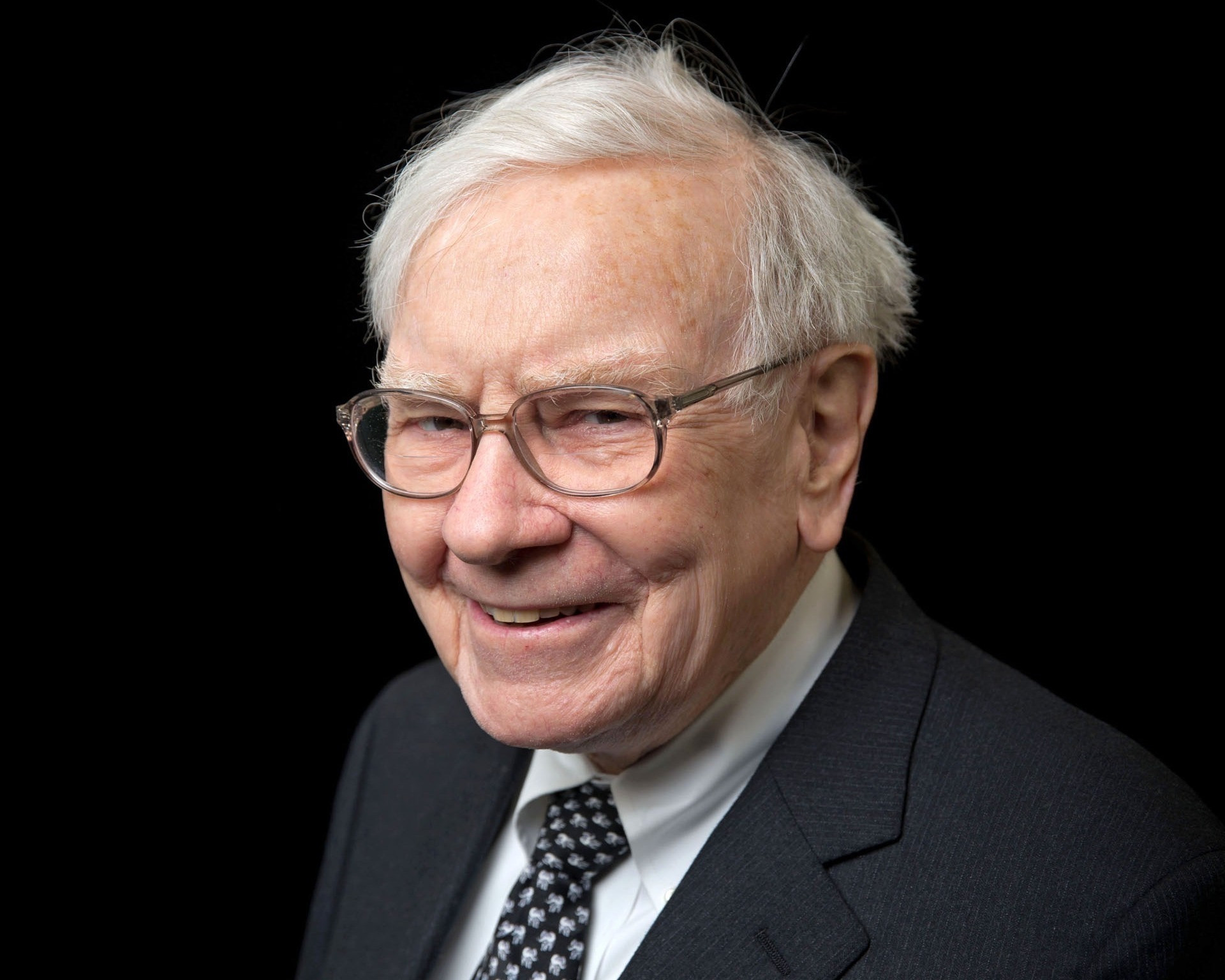
On April 11, Berkshire Hathaway issued a 90 billion yen bond, its smallest yen-denominated deal in years. But behind the size, this bond sends a much bigger signal.
Buffett Still Believes in Value — and in Japan’s Trading Houses
This latest bond came with six different maturities, stretching up to 30 years. Most Japanese companies have been canceling debt sales due to recent market volatility, but Berkshire still pushed it through. Why now? It looks like Buffett is preparing more ammo to keep buying into Japan’s five major trading houses.

Since 2020, Berkshire has been steadily building its stake in Itochu, Marubeni, Mitsubishi, Mitsui, and Sumitomo. By the end of last year, these holdings were worth over $23 billion. In March, Buffett quietly added more after a slight dip. Now with this new yen bond, it’s pretty clear: he’s not done yet.
But this isn’t just about low prices. Buffett has praised these companies for their capital discipline, shareholder returns, and management quality. In many ways, they remind him of Berkshire itself. That’s why he’s willing to hold them long term, even double down in uncertain times.
While Markets Panic, Buffett Hedges the Bigger Risks
This bond sale didn’t happen in a vacuum. Global investors are nervous — U.S. stocks are sliding, and Trump’s new tariffs have triggered fresh concerns. Yet Berkshire Hathaway’s Class A shares are up over 15% this year, while the S&P 500 is down nearly 9%.
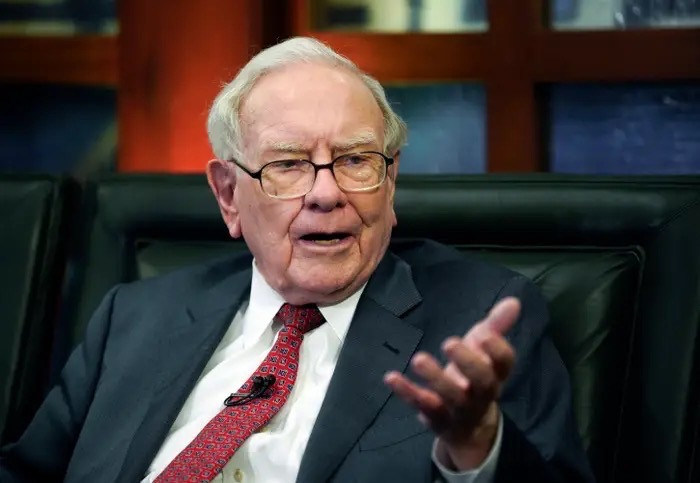
Why the gap? In my view, it’s about one thing: certainty.
Buffett isn’t just betting on companies. He’s betting on stability. Berkshire has strong insurance cash flow, over $330 billion in liquidity, and no pressure to follow the crowd. When others are cutting risk, Buffett has the freedom — and the cash — to buy what’s been left behind.
For investors, I think there are two key takeaways here:
1. Political risk hedging is becoming more valuable. Buffett’s move into Japan is partly a way to reduce exposure to Trump’s unpredictable policies.
2. Being counter-cyclical takes more than guts — it takes cash. Most investors can’t act when markets panic. But Buffett can, and that’s a competitive edge in itself.
What Buffett Sees: A Shift in Japan’s Corporate Culture
Some might say Buffett is just diversifying away from U.S. chaos. But I think there’s more. He’s actually betting on Japan’s corporate reforms.
Over the past two years, Japanese firms have started focusing more on return on equity, shareholder dividends, and buybacks. That’s a big change — and it lines up well with Buffett’s value philosophy.
Plus, Japan’s trading houses have evolved. They’re no longer just old-school import/export firms. They’ve become diversified investment groups with exposure to energy, metals, consumer goods, and even tech. They’re big, steady, and starting to change — a rare mix Buffett loves.
Don’t Underestimate the Ripple Effect
If we only see this bond deal as a routine financing move, we’re missing the bigger picture. When Berkshire acts, it often shapes market sentiment. This could boost global investors’ confidence in Japan, especially as people look for alternatives to Wall Street.
In the long run, I think we might see more capital shift away from the U.S. — not because people are bearish on America, but because they’re searching for a second anchor in an uncertain world.
Final Thought:
Buffett’s yen bond isn’t just about buying more stock. It’s a message: smart capital doesn’t wait for clarity — it moves when others hesitate. In times like these, that mindset is worth more than any headline.
Let’s keep an eye on what Berkshire does next — it might just point us to the next big opportunity.