
Is Buying American Energy the Shortcut to Lower Tariffs?

As trade tensions simmer and tariff threats loom large, countries in Asia and Europe are turning to a surprising form of diplomacy—energy. In an effort to dodge potential U.S. tariffs, several Asian nations and the European Union are ramping up imports of American oil and gas, hoping to rebalance trade ties with Washington and appease President Donald Trump's protectionist agenda.
Could Energy Imports Be a Shortcut to Trade Peace?
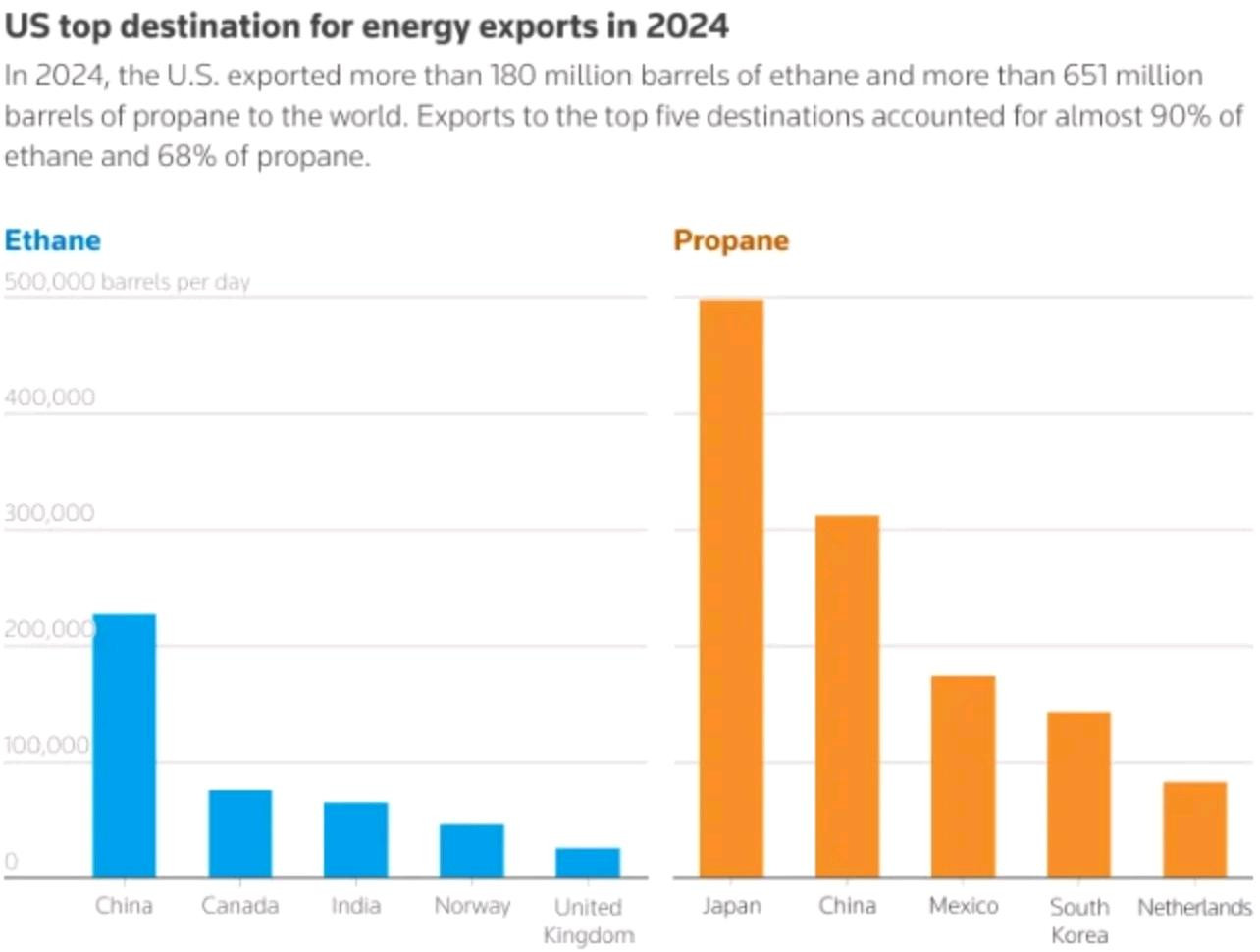
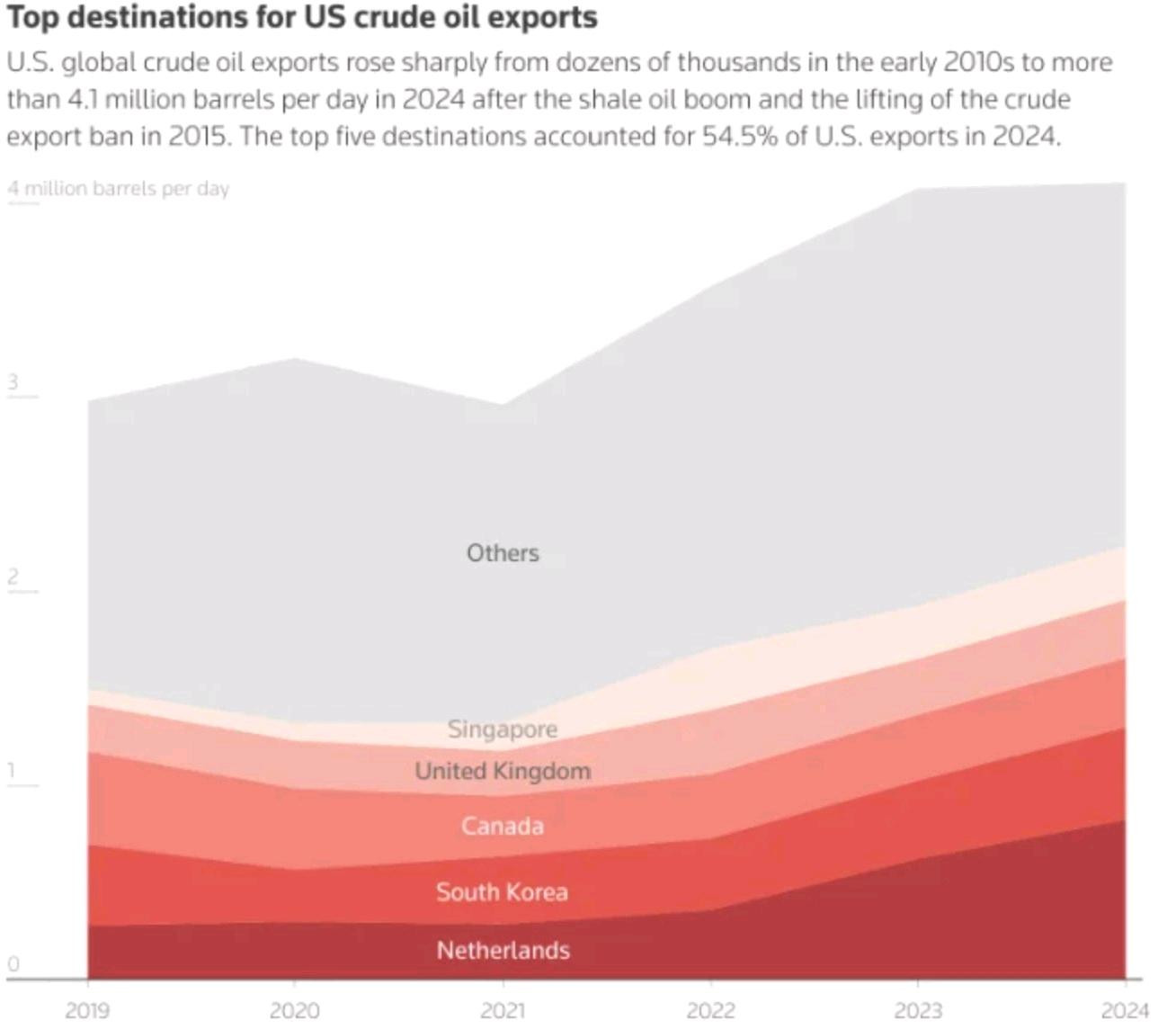
With Trump signaling a return to sweeping import tariffs should he reclaim the presidency, nations that have long run trade surpluses with the U.S. are moving to mitigate their exposure. Indonesia, Pakistan, India, and Thailand are all exploring or expanding plans to buy U.S. crude oil, liquefied natural gas (LNG), and liquefied petroleum gas (LPG) as a gesture of goodwill and strategic leverage.
In Europe, where Trump’s renewed rhetoric has already triggered anxiety in Brussels, the European Commission is quietly working behind the scenes to ensure U.S. LNG can continue flowing into the continent without regulatory hurdles. At the heart of the issue is a new EU methane emissions law—strict on paper, but potentially flexible in practice when it comes to American exports.
What’s Driving Asia’s Energy Pivot?
For countries like Indonesia and Pakistan, the answer lies in raw numbers. These nations import vast amounts of energy and simultaneously maintain significant trade surpluses with the U.S.—a combination that makes them prime targets for Trump’s tariff threats.
Indonesia’s Energy Minister, Bahlil Lahadalia, confirmed the country is preparing a proposal to import $10 billion worth of American crude oil and LPG. This move, positioned as a negotiation tactic, would also see increased import quotas for U.S. LPG to meet domestic energy needs while soothing Washington’s trade anxieties.
Pakistan, which has never imported U.S. crude before, is now considering a $1 billion purchase—roughly equivalent to its current oil and refined fuel import volume. Government insiders say the goal is simple: reduce trade imbalance and pre-empt punitive tariffs.
Is India Making a Strategic Energy Play?
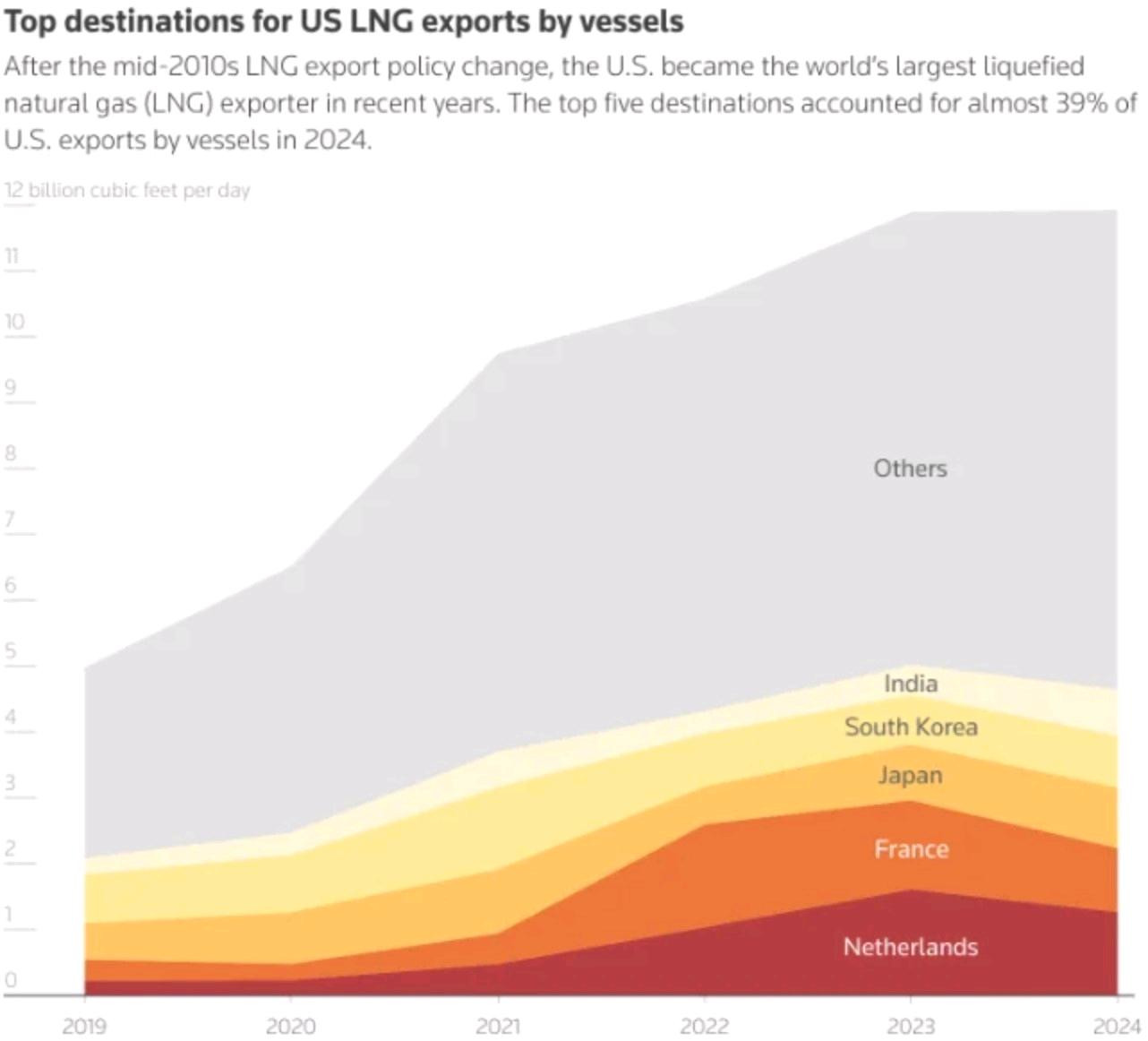
India is going even further. Sources say New Delhi is considering slashing import taxes on U.S. LNG, ethane, and LPG. That’s not all—state-run energy giant GAIL India Ltd has issued a tender to buy up to a 26% stake in a U.S.-based LNG project and sign a 15-year gas import deal.
Such a bold move would serve multiple purposes: it diversifies India’s energy supply, solidifies long-term trade links with Washington, and shows a clear willingness to shrink its trade surplus with the U.S., which has become a political flashpoint.
Thailand’s Five-Year Energy Commitment
Thailand, too, is stepping up. The government recently announced it would import 1 million tons of U.S. LNG annually for the next five years in addition to a previously signed 15-year deal starting in 2026. Combined, the contracts will amount to at least 15 million tons. The country is also planning to import 400,000 tons of U.S. ethane worth $100 million over the next four years.
Can Europe Rethink Its Rules Without Breaking Them?
While Asian countries are negotiating through procurement, Europe is quietly trying to change the rules of the game. EU regulators are working on ways to tweak or reinterpret methane emissions regulations so that U.S. LNG producers can continue exports to the bloc without facing legal barriers.
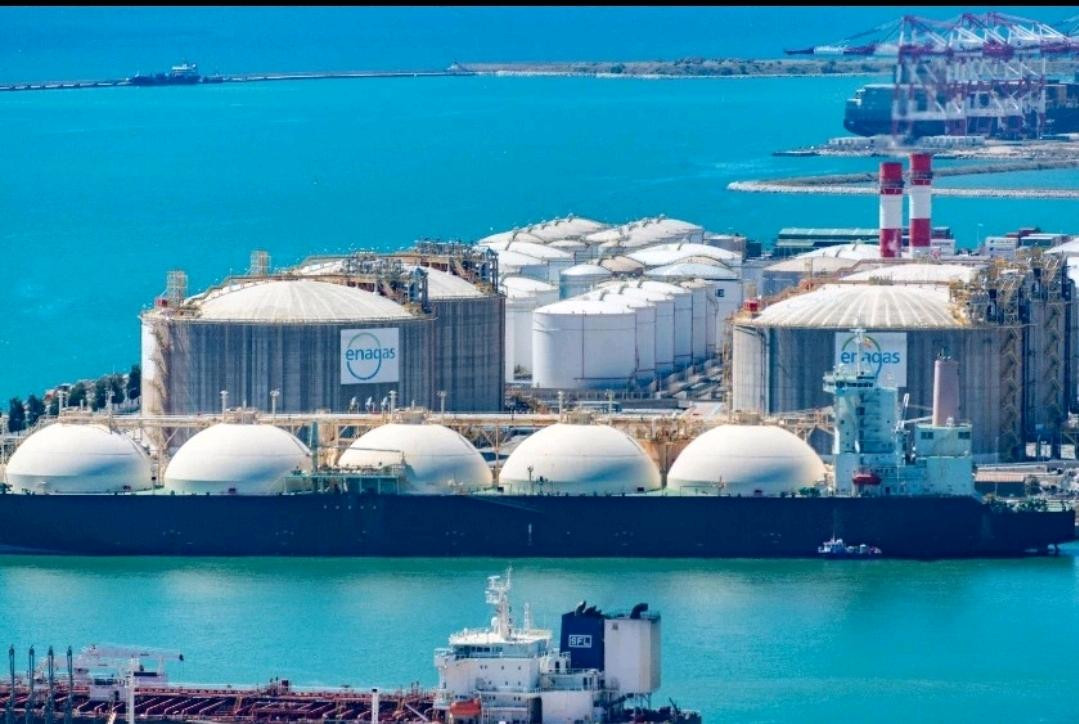
The challenge is considerable. Starting this year, EU law requires all oil and gas importers to monitor and report the methane emissions associated with their shipments. By 2027, foreign suppliers must comply with “equivalent” standards to continue doing business with European buyers.
This puts U.S. exporters in a tough spot. The American gas market is highly fragmented, and tracking emissions across multiple fields, pipelines, and facilities is technologically and logistically difficult. However, EU officials are exploring the possibility of recognizing certain U.S. practices as functionally equivalent to European rules—without weakening the core legal framework.
An EU spokesperson confirmed ongoing discussions with industry but declined to comment on whether exceptions for U.S. exporters were under consideration.
Will Trump’s Energy Diplomacy Strategy Pay Off?
Trump has long insisted that trading partners need to “buy American”—especially oil and gas—to shrink their trade surpluses and avoid his tariff wrath. That message seems to be resonating. The proposed purchases and policy shifts from Asia and Europe suggest that energy has become more than just a commodity—it’s a political bargaining chip.
The U.S. is already the EU’s largest LNG supplier, accounting for 45% of the bloc’s LNG imports in 2023. With Europe aiming to fully cut Russian gas imports by 2027, American LNG is well-positioned to fill the gap—especially if regulators can smooth over the methane compliance issues.
At the same time, the $44 billion Alaska LNG project is emerging as a flagship initiative. Trump has reportedly pushed Japan and South Korea to invest in and commit to long-term contracts with the project. Japanese trade giant Mitsubishi has expressed interest, while South Korean officials are planning a fact-finding mission to Alaska in the near future.
Energy for Tariff Relief—A Win-Win or a Risky Gamble?
The rapid convergence of trade policy and energy procurement shows just how much leverage fossil fuels still hold in global diplomacy. Whether these purchases are enough to head off new tariffs remains to be seen—but for now, both Asia and Europe seem willing to bet on American energy to keep the peace.
This content is provided for informational or educational purposes only and does not constitute investment advice.