
Trump's Four Battlefronts; The Impact of Tariff Costs

Trump had a challenging weekend, dealing with four battlefronts.
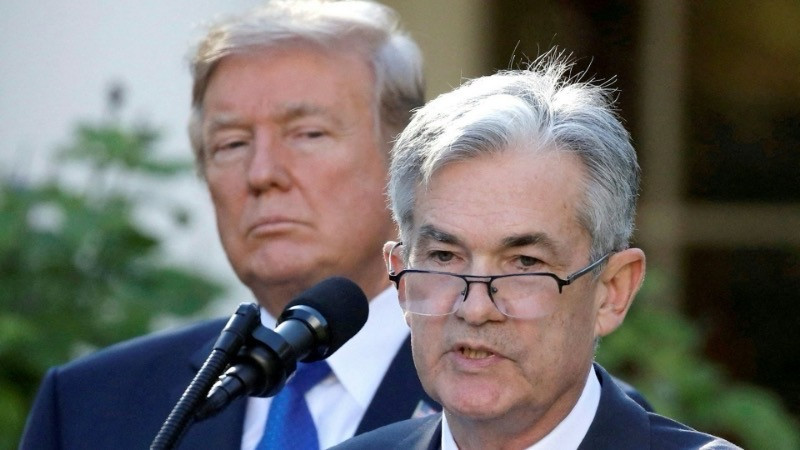
First, the struggle with Fed Chair Powell. The White House team hinted at finding ways to remove Powell if he doesn't comply. Powell responded that they're facing an unprecedented situation in nearly a century (implying unprecedented incompetence), so they can only wait and see. He warned against forcing rate cuts, threatening to raise rates if pushed too far.
Second, the decoupling war with China. Trump claimed they only have supplies for one month. While this is the observers' view, Trump's die-hard fans and China critics (especially Taiwanese media) interpret it as Trump's decisive move, with 74 tariff-exempt countries joining forces against China, suggesting China will surrender within a month.
Third, negotiations with both Russia and Ukraine towards a ceasefire. Trump and Secretary of State Rubio have complained that if both sides don't compromise soon, the U.S. will withdraw. Putin seemingly showed goodwill, offering a 90-hour ceasefire over Easter weekend in exchange for U.S. recognition of Russian sovereignty over Crimea (which even China hasn't recognized, though Europe and eventually Ukraine might, depending on the benefits).
Fourth, trade negotiations with Japan. Trump's personal involvement created an imbalance in negotiation levels, revealing his urgency for a quick win. This is counterproductive; if Japan wanted a quick agreement, Shigeru Ishiba could have flown over immediately after Trump's decision to intervene. But Japan remains patient, knowing they have 90 days. They're likely focusing on exemptions for auto and steel/aluminum tariffs, using the previously promised trillion-dollar investment as leverage. They're also discussing free trade zones to counter U.S. demands for isolating China.
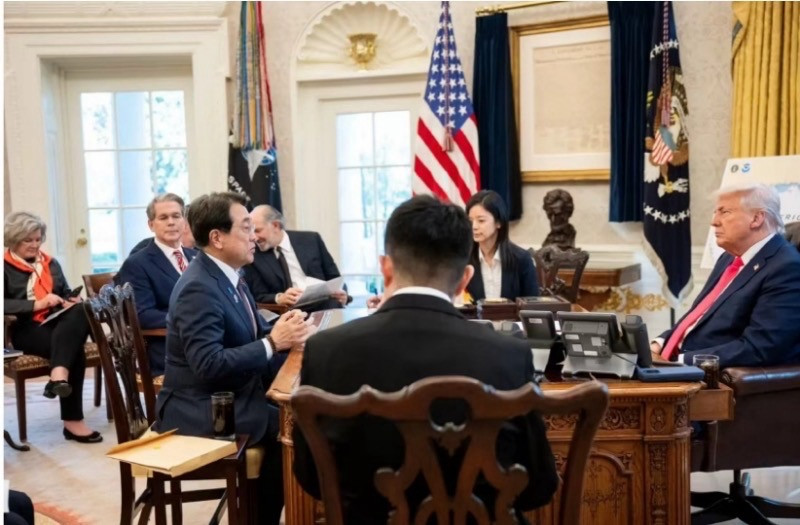
Regarding other issues, like Netanyahu's intention to attack Iran, the Pentagon had a heated debate, with some officials being removed, but the moderates eventually controlled the situation.
Concerning the U.S.-China trade standstill, over a third of Chinese exports to the U.S. are actually American products manufactured in China, like Apple's iPhone. China's actual share in the entire production chain might only be 7-8%. For the remaining products, many are materials and semi-finished goods. U.S. manufacturers heavily rely on China's supply chain. With U.S. suppliers doubling prices, some are turning to Alibaba's Taobao, finding prices at half of pre-tariff U.S. prices, which even with 145% tariffs, end up similar to current U.S. prices. This puts the most pressure on U.S. middlemen.
A challenge for U.S. manufacturing is balancing high labor costs with other expenses like materials and energy. To maintain high U.S. wages, other costs need to be reduced, suggesting lower tariffs on Chinese materials and parts would be more beneficial.
For consumer goods, various workarounds are emerging. Chinese small goods are being re-exported through Singapore and Malaysia, exploiting the $800 de minimis rule. Some are changing to "Made in anyone not China" labels, complicating enforcement.
Surprisingly, Christmas decorations for the U.S. market are now being ordered by Middle Eastern countries, likely to stockpile and resell under Middle Eastern brands, utilizing their cheap labor from Pakistan, Bangladesh, and India.
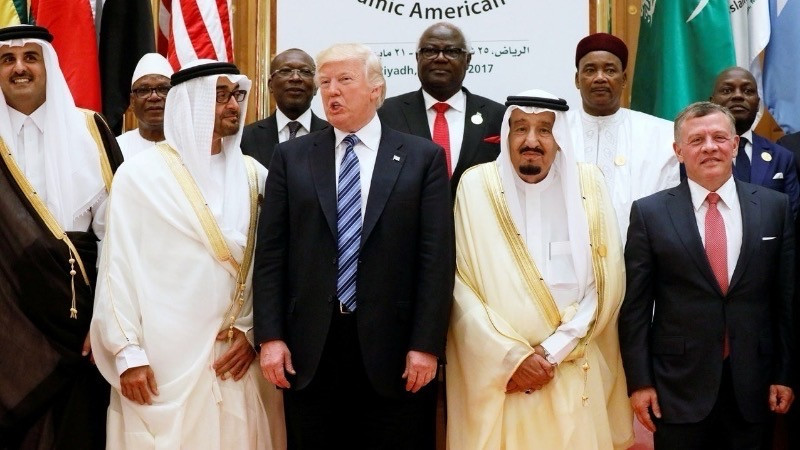
Regarding Russia-Ukraine, often called a "warrior nation," they're more accurately a "violent family." With Europe likely to continue funding even if the U.S. withdraws, the conflict could easily continue for another year or more.
Claims of Chinese products flooding Europe are unfounded. Similar to how Europe's sanctions on Russian oil led to Saudi Arabia and UAE importing Russian oil for domestic use and exporting their own to Europe, countries competing with Chinese products could export their domestic products to the U.S. and use Chinese products domestically. This arrangement benefits them as U.S. consumers cover the price difference.