
Markets Tremble as Trump’s Tariff Moves Hit Stocks, Bonds, and Currencies

After Monday’s brutal “triple meltdown”—where U.S. stocks, government bonds and the dollar all tumbled—President Donald Trump doubled down on his attack against Federal Reserve Chair Jerome Powell. By publicly demanding immediate rate cuts and even hinting at Powell’s firing, Trump has shattered the Fed’s image as a neutral, technocratic institution. That assault comes just as his approval ratings dip to their lowest since returning to the White House, and at a moment when overseas investors—from Japanese pension funds to global speculators—are offloading U.S. debt in droves. With markets on edge and the dollar perched at multi-year lows, questions are mounting: Is the president willing to sacrifice central‐bank independence for political gain? And could his actions trigger even deeper volatility across global markets?
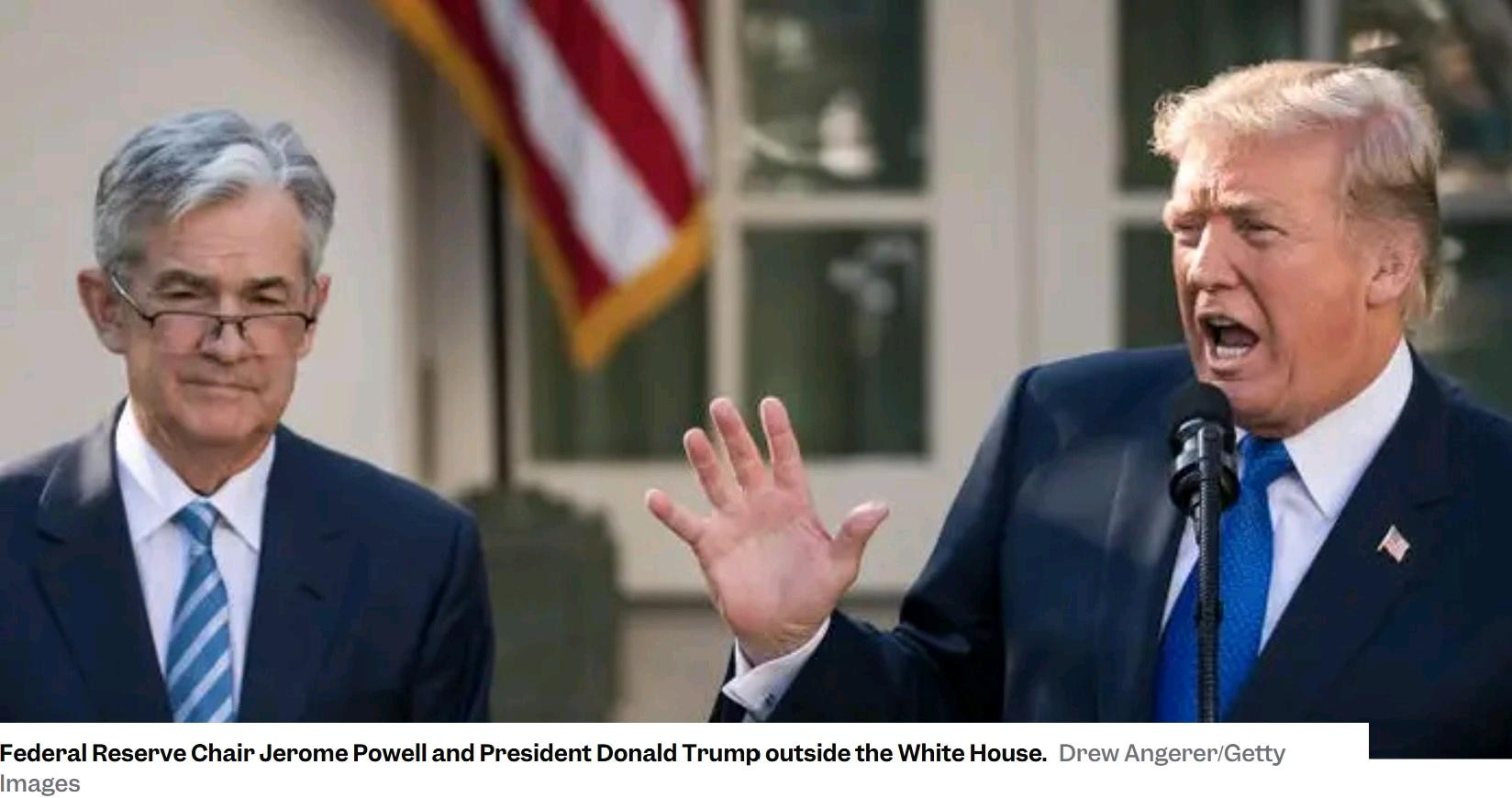
Why Is Trump Pointing Fingers at Powell?
Trump has repeatedly blamed the Fed’s reluctance to cut rates for any potential economic slowdown, arguing that high interest rates will chill growth and sink his political fortunes.
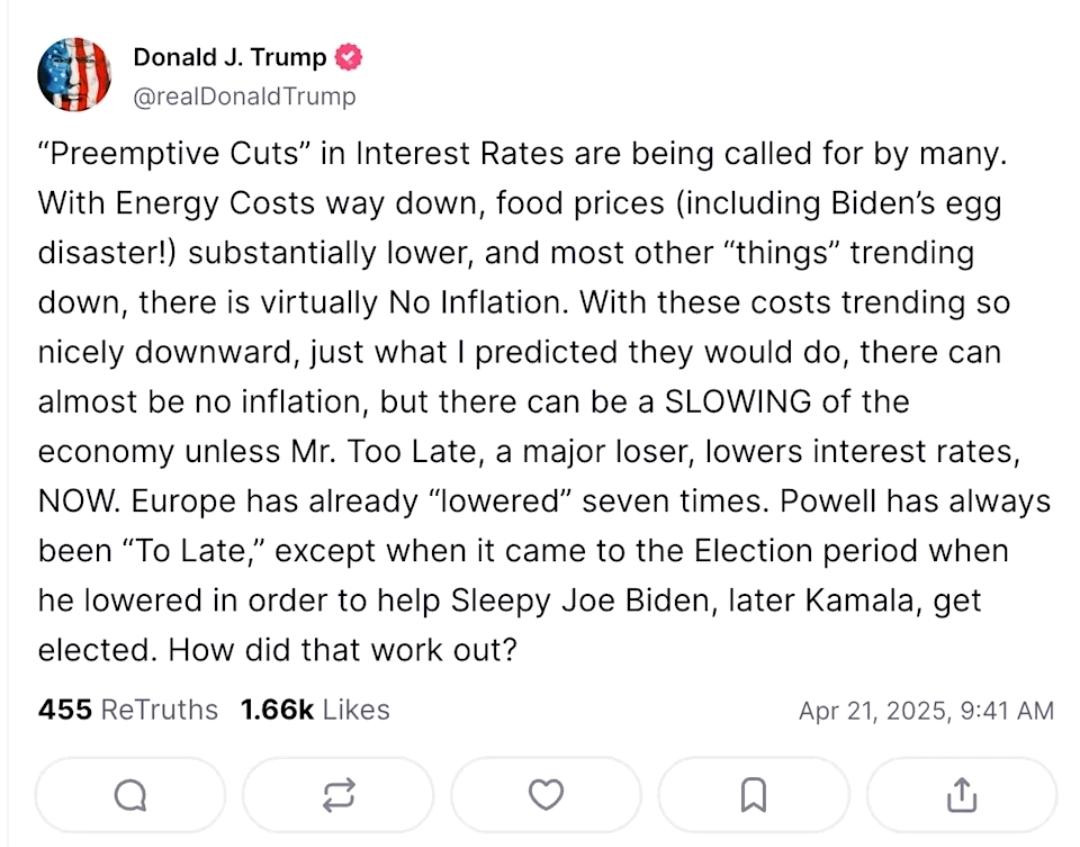
In recent weeks, he accused Powell of dragging his feet—despite Powell being a Trump appointee—and even alleged that last autumn’s emergency rate cut was a deliberate ploy to boost Joe Biden’s prospects in the 2024 election. “If the Fed doesn’t lower rates immediately,” Trump warned, “we’re heading into recession—and Powell will own it.” By reframing trade-war fallout as a central‐bank failure, Trump appears to be preemptively scapegoating Powell for any downturn, rather than the tariffs and sanctions he himself imposed.
The People Are Losing Faith in Trump
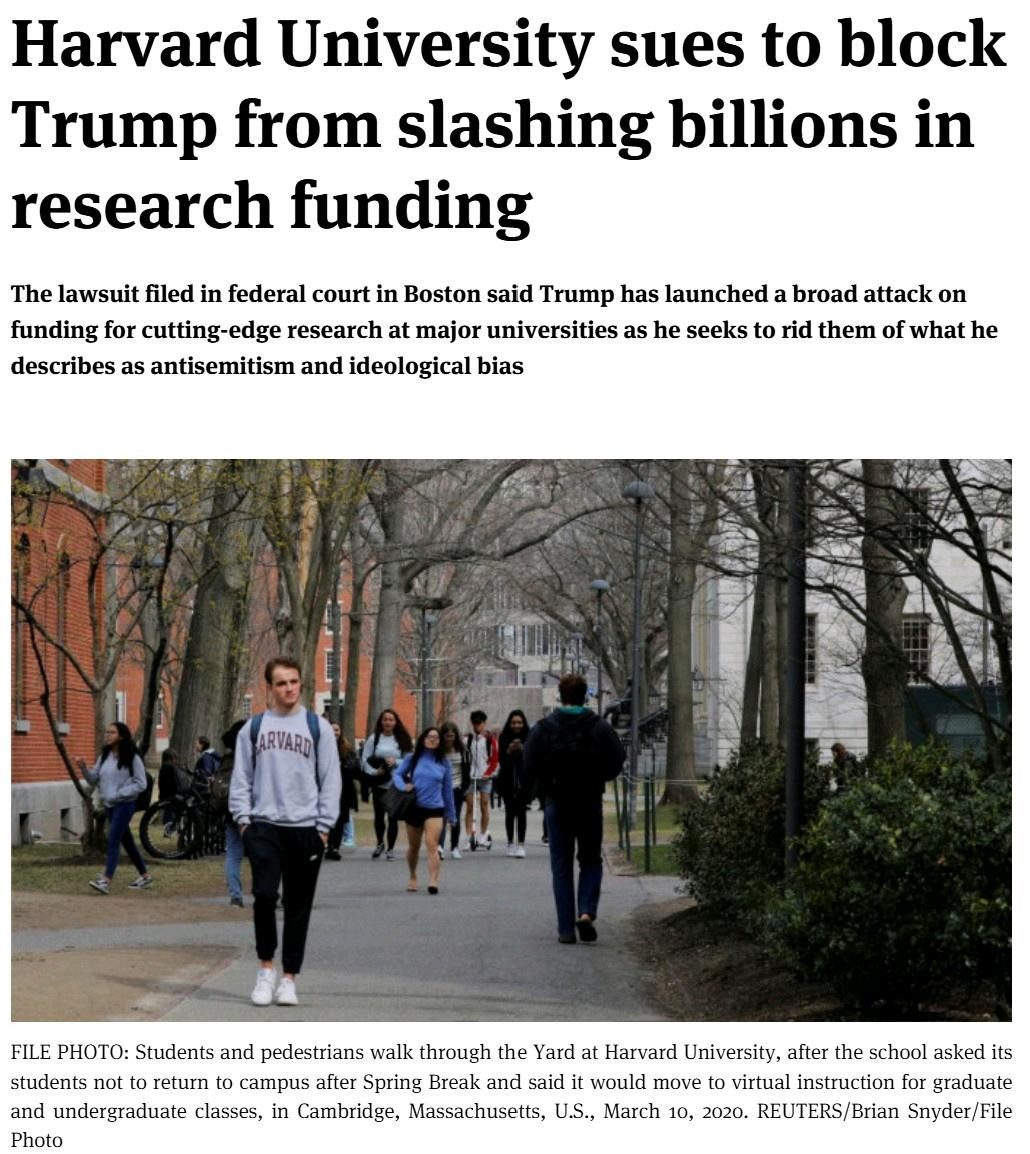
Meanwhile, Americans are growing uneasy with Trump’s expanding use of executive power. A recent six‑day Reuters/Ipsos poll shows just 42% of respondents approve of his job performance—down from 47% on Inauguration Day and 43% just three weeks ago. Significant majorities oppose his attempts to condition federal funding to universities on ideological grounds, freeze over $20 billion in Harvard research grants, or chair the Kennedy Center’s board of directors himself. Fifty‑seven percent reject the idea that the president can withhold funding from any institution he deems “too liberal,” while 66% believe cultural bodies like the Smithsonian should remain shielded from political control. As Trump’s approval slips, so does public confidence in his stewardship of the economy and the broader system of checks and balances.
Japan’s Debt Dump Raises Eyebrows
In a parallel development, Japanese financial institutions have unloaded more than $20 billion of overseas bonds in just two weeks—the highest two‐week sell‑off since records began in 2005. According to preliminary data from Japan’s Ministry of Finance, banks and pension funds sold $17.5 billion of long‑term foreign debt in the week to April 4, followed by another $3.6 billion in the next. Strategists at Nomura estimate that a “large portion” of these sales were U.S. Treasuries or agency bonds, as Japanese funds rebalanced portfolios battered by rising yields. Even though Moody’s analysts say the volumes alone can’t explain last week’s surge in U.S. 10‑year yields, the sell‑off underscores how geopolitical and policy uncertainty is spilling into cross‑border flows, amplifying volatility in fixed income markets.
Is the Dollar Set for a Technical Rebound?
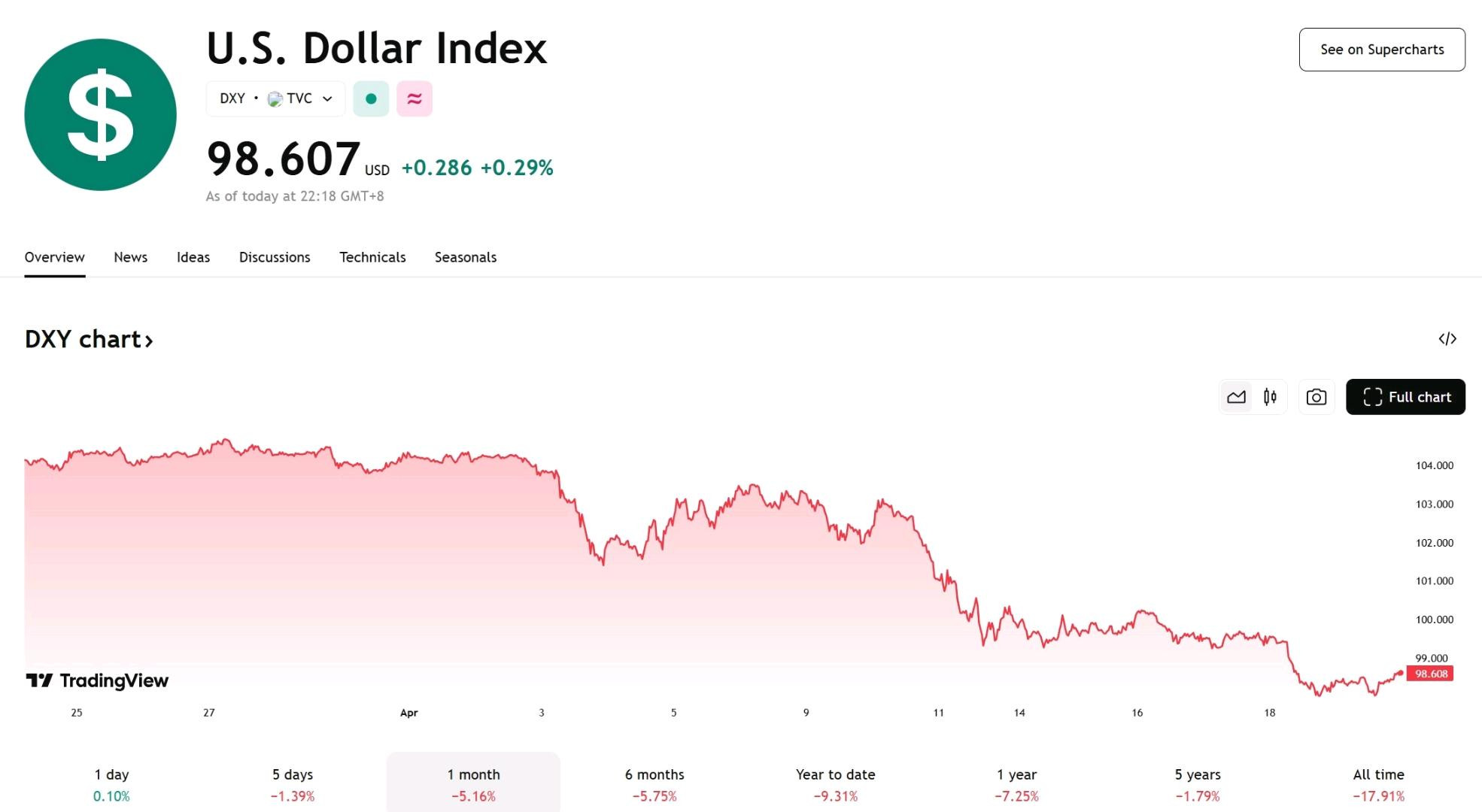
After sliding nearly 10% from its February peak, the U.S. dollar has hit technical extremes that often presage a bounce. The ICE Dollar Index fell below 98—its lowest since December 2023—and its Relative Strength Index (RSI) dropped to levels not seen since mid‑2020. In past cycles, comparable RSI troughs were followed by four‑ to seven‑percent recoveries. Meanwhile, speculators’ net short positions against the dollar swelled to $40 billion—the highest since October—signaling extreme bearish sentiment. On the fundamentals side, overseas central banks actually added over $10 billion of Treasuries in the two weeks to April 16, and real (inflation‑adjusted) U.S. interest yields remain attractive. Taken together, these technical and yield‐based factors could spark a dollar snapback—potentially delivering a headache to gold bulls, whose rally has leaned heavily on a weak greenback.
Did Trump Engineer the Dollar’s Slide?
Some observers wonder if Trump sees the dollar’s depreciation as a side‐benefit of his trade‑war rhetoric. A weaker dollar makes U.S. exports more competitive and erodes the real burden of tariffs, which could partially offset the higher costs imposed on American consumers and businesses. Yet for global exporters—many of whom already pay steep Trump‑era duties—a plunging dollar inflicts “second‑order” pain by shrinking foreign‑currency revenue when repatriated home. Europe’s major automakers and luxury brands have warned that a surging euro could shave profit forecasts, while Deutsche Bank cut its STOXX 600 earnings outlook by two percentage points. Against this backdrop, Trump’s mixed signals—seeking both a softer dollar for manufacturing gains and a stable currency for financial dominance—risk “picking up pennies in front of a steamroller,” as one strategist quipped. If the White House continues to weaponize monetary policy rhetoric, it may not only undermine the dollar’s reserve status but also invite fresh upheaval across global financial markets.
In the face of political pressure, market turbulence and slipping public trust, the Fed’s independence—and the broader integrity of the U.S. financial system—hang in the balance. With investors and foreign holders of U.S. assets watching every move, the stakes have never been higher.
This content is provided for informational or educational purposes only and does not constitute investment advice.