
A Few More Words on the Impact of the Tariff War

An interesting piece of information has surfaced recently: some in the U.S. strategic community are discussing the legal basis for reactivating privateering, a form of state-sanctioned piracy. To understand this, one must consider the historical context. During the American Revolutionary War and the War of 1812, faced with the superior British naval power, the U.S. legally encouraged private citizens to form pirate fleets to attack British merchant ships, thereby disrupting British trade and economy.
The pirates' income came from auctioning the seized goods in America. This state-sponsored maritime trade robbery is similar to the English Queen authorizing pirates to attack Spanish trans-oceanic merchant ships – both essentially forms of plunder.
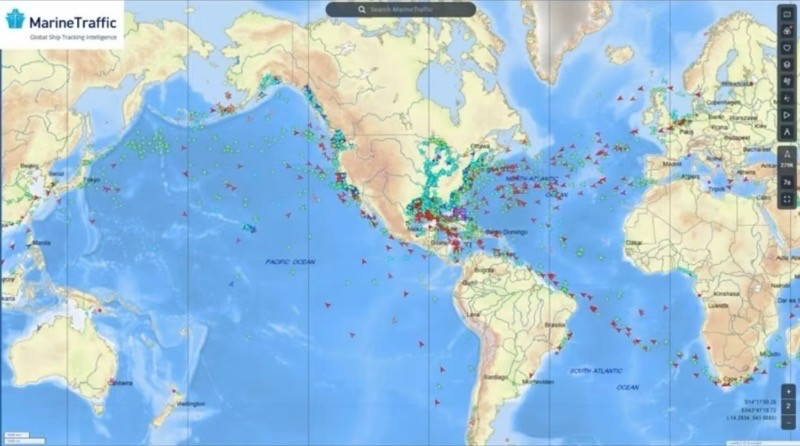
Clearly, this piracy approach is now aimed at China, indicating that the U.S. perceives its naval strength as unable to compete with China's in the Western Pacific. The targets of this plunder would likely not be ships trading between China and the U.S., but rather China's trade with other non-U.S. countries. The pirate forces could potentially be drawn from private military companies like Blackwater, developed during America's decades-long global war on terror, somewhat akin to Russia's Wagner Group.
This strategy also considers the WTO 2.0 model, or "global trade without the U.S." (Le commerce mondial sans les États-Unis). Faced with sudden high tariffs from the U.S., other countries are primarily focusing on internal improvements, such as Canada connecting its oil pipelines to refineries, the EU addressing internal market regulations, and China unifying its domestic market.
Another approach is strengthening trade connections between partners, exemplified by recent agreements between China and Vietnam, Malaysia, and Cambodia, negotiations between China and the EU on electric vehicle tariffs, and China's shift away from Boeing, benefiting Airbus. These moves are accompanied by significant overseas investment fleeing U.S. assets, likely prompting various free trade policies in China, the EU, and elsewhere.
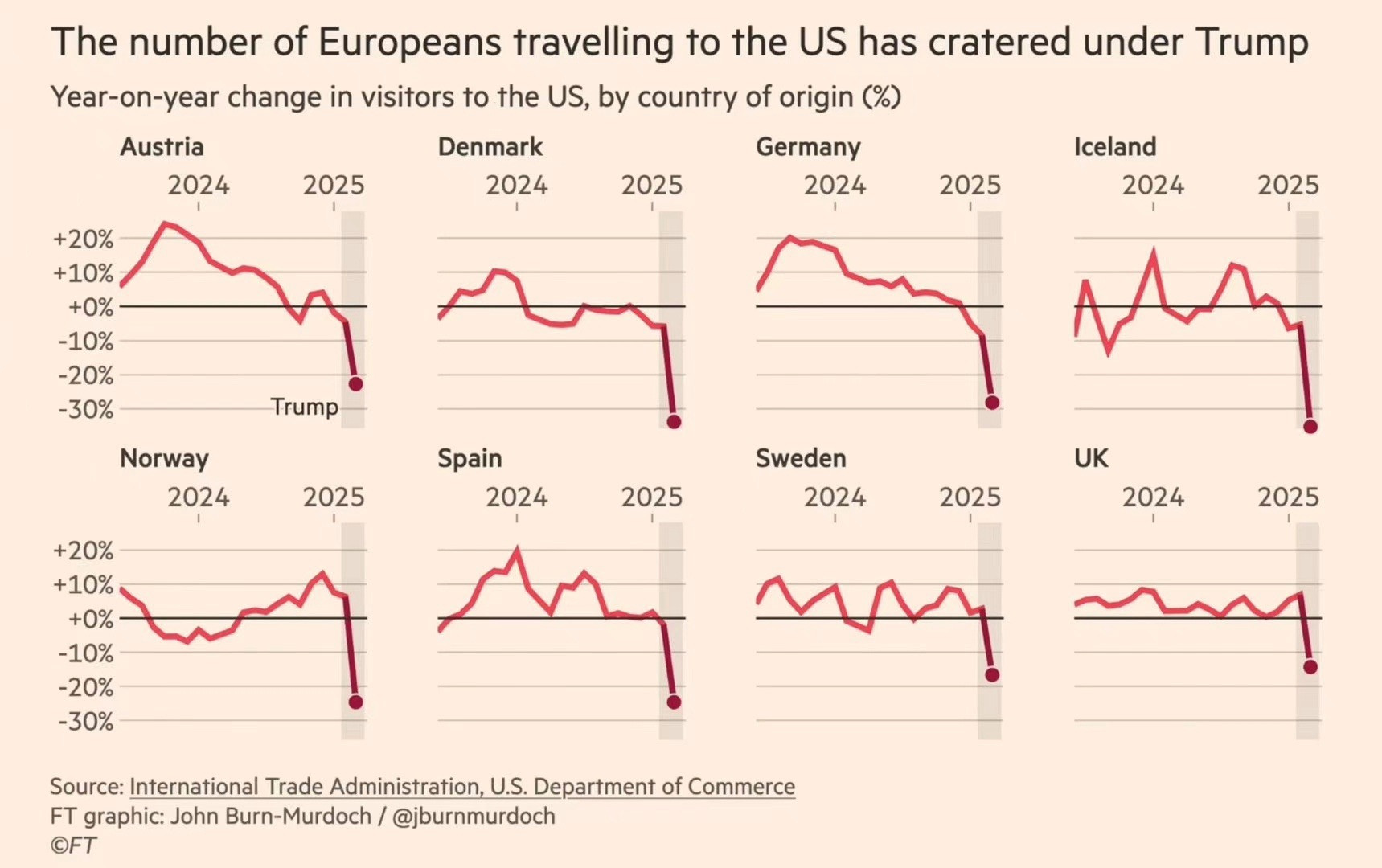
Trump's tariff war has driven liquid capital from the U.S. to Europe, potentially exceeding the capital flight from Europe to the U.S. triggered by Biden's escalation of the Russia-Ukraine conflict. Trump now faces supply chain disruptions that could cause shortages similar to those experienced during the pandemic, but this time clearly originating from the White House.
When Trump announced reciprocal tariffs on Independence Day, he initiated a full-scale war. His subsequent retreat to targeted warfare, with a 90-day delay and direct retaliation against China, mainly involved exemptions for electronic semiconductor products, quietly implemented at customs and later reported by industry insiders and media.
In non-China tariff negotiations, including anti-China clauses reflects Trump's wavering objectives: either allowing third parties to benefit from U.S. losses in attacking China or prioritizing U.S. interests at the expense of third parties when compromising with China.
The idea of having it both ways is appealing but unrealistic. As the U.S. feels the heat from China's supply chain disruptions, it's challenging to calmly negotiate with Japan, which can simply adopt a non-confrontational stance and engage in prolonged talks.
Trump's current maneuvers exceed Congress's taxation powers, implemented through a national emergency declaration. This power grab, along with others, has sparked some internal pushback. The U.S. has three potential ways to apply the brakes: Congress reclaiming power, mass protests similar to those during the Vietnam War, or a more extreme scenario reminiscent of President McKinley's fate.
There is not much time left for Trump to clean up the mess.